Source Hair Growth Biotin Capsules for Skin, Nails, and Hair
Find 30 verified Hair Growth Biotin Capsules from Chinese manufacturers. Compare GMP-certified options for skin, nail, and hair health. View specs, MOQs, and pricing to streamline your sourcing process; compare the available evidence and request quotations based on your requirements.
Key considerations
Products List


Private Label Biotin Vitamins Capsule Vitamin Hair Biotin Hair Growth Capsule
$3.60 - $5.00
MOQ: 100 Pieces


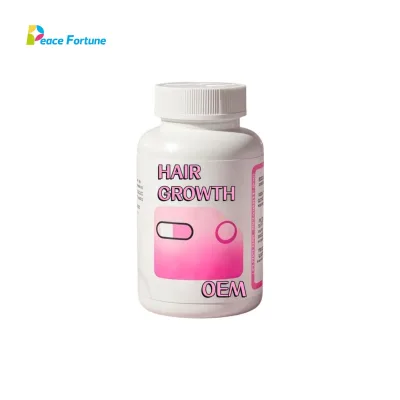
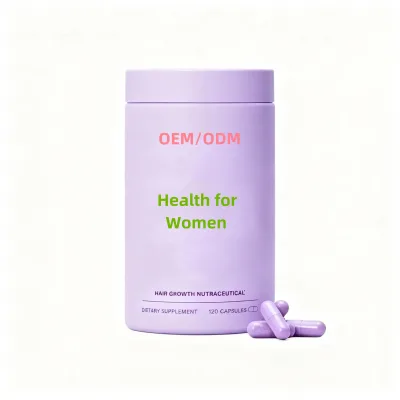


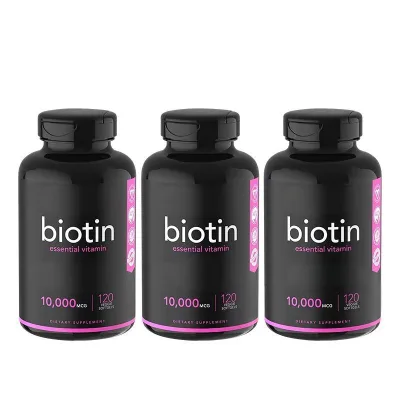
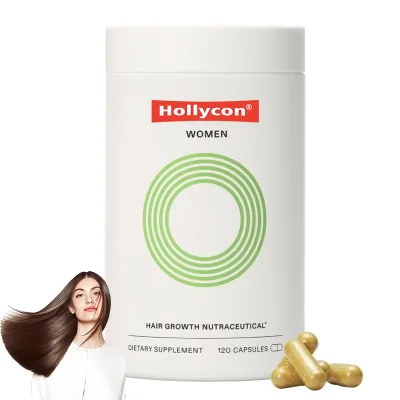
OEM ODM Private Label Hair Growth Capsule with Biotin Vitamins Collagen Supplement
$3.20 - $3.60
MOQ: 2000 Pieces






Comprehensive Sourcing Guide
Hair Growth Biotin Capsules Sourcing Guide
Buyers must first distinguish between specific product formulations, as the market lists items ranging from general growth hair capsules to specialized biotin variants for skin and nails. The observed catalog includes distinct models like F60 and F21, with some listings explicitly targeting weight reduction while others focus on nutrition supplements. This variation requires careful filtering to ensure the selected SKU matches the intended therapeutic or wellness application, as a single supplier may offer multiple divergent product lines under similar branding.
Procurement teams should also scrutinize the packaging and dosage specifications, which vary significantly from 60 capsules per bottle to bulk foil bag configurations. The observed assay strengths and standard counts, such as 500mg or 120 capsules, directly impact the unit economics and shipping logistics for international orders. Verifying the exact physical form, whether it is a standard bottle or a custom box, is essential before finalizing a purchase order to avoid mismatches between the ordered specification and the delivered goods.
Product Scope and Observed Listing Signals
The product scope encompasses a wide array of features including organic, sugar-free, and low-fat formulations, alongside options that are decaffeinated or enriched with vitamins. Buyers should note that while some listings highlight specific ingredients like collagen and keratin, others focus on the core biotin content without detailing the full matrix. This diversity in feature sets means that a single search query may return products with vastly different nutritional profiles, necessitating a detailed review of the ingredient list for each candidate.
Listing signals also reveal significant variability in minimum order quantities, ranging from small batches of 50 units to massive wholesale volumes of 300,000 pieces. The observed price range of 0.02 to 30 USD suggests a highly competitive market with diverse pricing tiers based on volume and customization levels. Procurement professionals must align their order volume with the supplier's MOQ constraints, as failing to meet these thresholds may result in the inability to secure the desired product or force a switch to a less suitable alternative.
Technical Specifications to Verify
Technical verification begins with the assay method and purity standards, as the data indicates the use of UV and HPLC testing alongside purity claims exceeding 99%. Buyers must confirm that the supplier provides a Certificate of Analysis (COA) that validates these specific test methods for every batch, ensuring the active ingredient concentration matches the labeled 500mg or other specified strengths. Without this documentation, the risk of receiving sub-potent or inconsistent product increases significantly, undermining the efficacy of the final supplement.
The physical specifications, including the bottle capacity of 60 capsules and the availability of custom packaging like boxes or foil bags, require precise alignment with the buyer's distribution strategy. Some listings specify a shelf life of two years and storage requirements for cool, dry places, which are critical for maintaining product integrity during transit and warehousing. Buyers should explicitly request the exact storage conditions and shelf life data for the specific model they intend to purchase, as these parameters can vary between different production runs and packaging types.
Compliance and Safety Documentation
Compliance verification is paramount given the diverse certification landscape, which includes GMP, ISO, HACCP, and various organic standards like KOSHER, JAS, and OCIA. Buyers must ensure that the specific product model they are sourcing holds the necessary certifications for their target market, as a supplier may possess GMP certification for one line but lack organic certification for another. It is essential to request valid, up-to-date certificates for the exact SKU to avoid regulatory hurdles at the destination port or during local market entry.
Safety documentation must also address the intended user demographic, as some products are marked for adults while others list suitability for children and the elderly. The presence of specific safety features, such as insect prevention storage notes, indicates a focus on quality control during the manufacturing and storage phases. Procurement teams should verify that the supplier's safety protocols align with the specific needs of the end-user group, ensuring that the product is safe for consumption by the intended population without adverse effects.
Cost Drivers and Commercial Terms
Cost drivers in this category are heavily influenced by the level of customization, including logo printing and tailored packaging solutions like boxes or foil bags. Suppliers offering custom branding and specific bottle configurations typically command higher unit prices, which must be weighed against the potential for brand differentiation and market positioning. Buyers should negotiate based on the volume of customization required, as high-volume orders with standard packaging often yield the most favorable pricing structures.
Commercial terms are further dictated by the observed MOQ ranges, which can vary from 50 units to 300,000 pieces depending on the supplier's capacity and the product's complexity. The lead time and payment terms are often linked to these volume thresholds, with larger orders potentially requiring longer production schedules but offering better per-unit economics. Buyers must carefully calculate the total landed cost, including shipping and duties, to ensure that the final price remains competitive within their target market while meeting the supplier's minimum order requirements.
Supplier Qualification and Quality Control
Supplier qualification should prioritize those with a proven track record in health care grade materials and a robust quality control system that includes COA verification. The presence of multiple certifications such as ISO, HACCP, and GMP suggests a mature manufacturing environment, but buyers must verify that these certifications are current and applicable to the specific product line being sourced. A thorough audit of the supplier's facility and quality management system is recommended to ensure consistent adherence to these standards across all production batches.
Quality control processes must also include rigorous testing for purity and assay accuracy, as the market data highlights the importance of maintaining purity levels above 99%. Buyers should require pre-shipment inspections and third-party testing results to validate that the product meets the specified standards before it leaves the factory. Establishing a clear protocol for handling non-conforming goods and ensuring that the supplier has the capacity to re-test or replace defective batches is essential for maintaining supply chain reliability.
Long-Term Procurement Checks
Long-term procurement success depends on establishing a consistent supply chain that can adapt to changing market demands and regulatory requirements. Buyers should maintain regular communication with suppliers to monitor updates in certification status, such as changes in organic or GMP compliance, and ensure that these updates are reflected in the product specifications. Proactive management of these relationships helps mitigate the risk of supply disruptions and ensures that the product remains compliant with evolving international standards.
Continuous monitoring of product performance and customer feedback is also critical for identifying any shifts in quality or efficacy over time. Buyers should implement a system for tracking batch-to-batch consistency and verifying that the shelf life and storage conditions remain stable throughout the product's lifecycle. By maintaining a vigilant approach to quality assurance and supplier performance, procurement teams can ensure a steady supply of high-quality Hair Growth Biotin Capsules that meet the expectations of their end consumers.
FAQs
What certifications are available for Hair Growth Biotin Capsules?
Manufacturers offer various certifications including GMP, ISO, HACCP, KOSHER, JAS, OCIA, NOP, QS, and BP/USP standards. These credentials ensure compliance with international quality and safety regulations. Buyers should verify specific certification requirements with suppliers to match their target market's regulatory needs and ensure product authenticity.
Can Hair Growth Biotin Capsules be customized for branding?
Yes, customization is available for many hair growth biotin capsule products. Suppliers typically offer logo printing services and allow for custom packaging designs. This enables brands to create unique identities. Buyers should discuss specific customization options, such as bottle types or box designs, directly with manufacturers to ensure feasibility.
What is the typical MOQ for Hair Growth Biotin Capsules?
Minimum Order Quantities vary significantly, ranging from small batches like 50 units to large industrial orders up to 300,000 pieces. Some suppliers accept orders as low as 10 bags or 100 pieces. Buyers should check individual supplier listings for exact MOQs to align with their inventory capacity and budget constraints.
How are Hair Growth Biotin Capsules packaged and stored?
Common packaging includes bottles containing 60 capsules, foil bags, and outer boxes. Storage instructions typically recommend keeping products in a cool, dry place with insect prevention measures. Proper storage ensures the stability of ingredients like biotin and collagen. Buyers should confirm packaging details to meet local labeling and preservation standards.
What are the main ingredients in Hair Growth Biotin Capsules?
Key ingredients often include collagen, keratin, biotin, and various vitamins. These components support hair, skin, and nail health. Some formulations may also feature glucose, low-salt, or sugar-free options. Buyers should review the specific ingredient lists and assay methods, such as UV or HPLC, to verify product composition and purity.
Which age groups can use Hair Growth Biotin Capsules?
These supplements are generally suitable for adults, children, and the elderly. However, specific formulations may target adults exclusively. Buyers should verify the intended audience and any age-related restrictions with suppliers. Ensuring the product matches the target demographic is crucial for effective marketing and consumer safety in different regions.