Source Halal Gelatin Capsules for Meat, Drinks, and Baked Goods
Compare 30 verified Halal Gelatin Capsules from Chinese manufacturers offering HACCP, ISO, and Halal certifications. Buyers can evaluate specifications like bloom strength, solubility, and packaging options for use in meat, drinks, and baked goods applications; compare the available evidence and request quotations based on your requirements.
Updated
Key considerations
Products List


Natural Gelatin Capsules - Ideal for Herbal and Nutritional Products
$0.0025 - $0.02
MOQ: 100000 Pieces
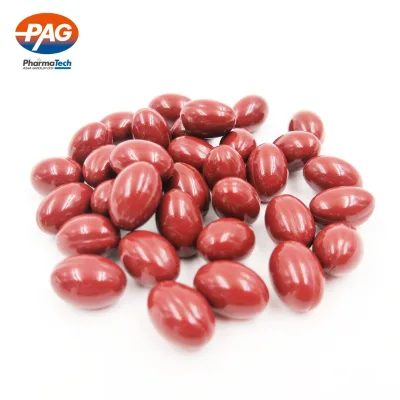


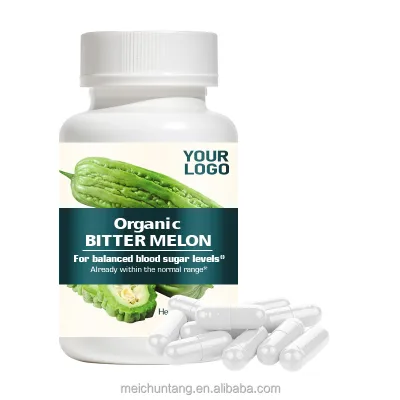
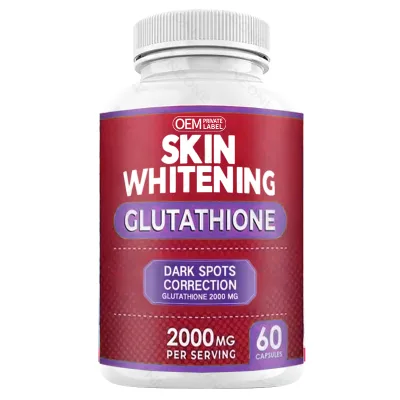
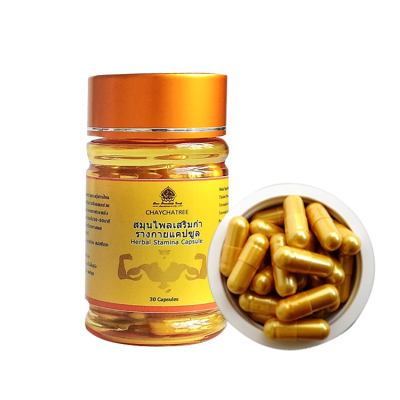
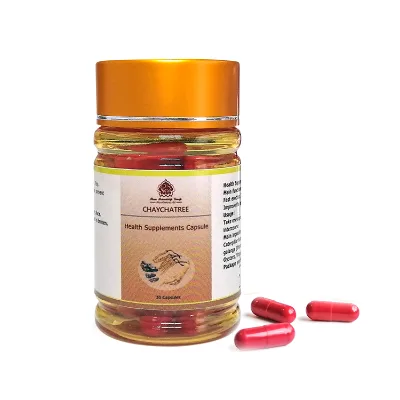
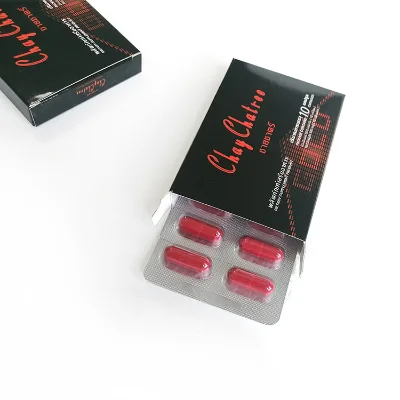
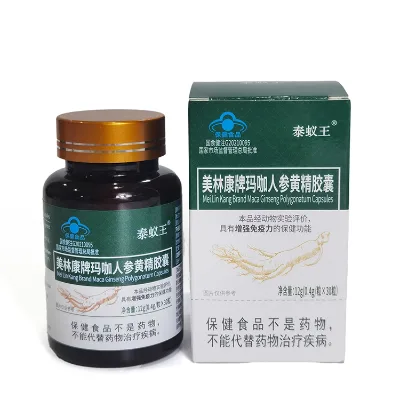
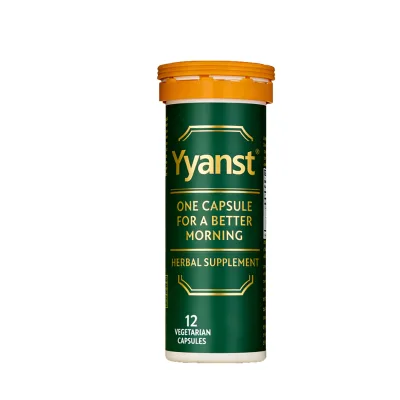
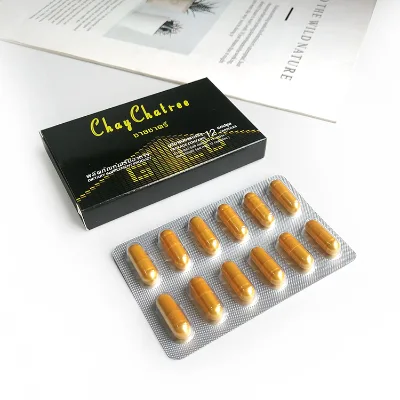
A Daily Supplement of Natural Herbal Men's Wellness Capsules Helps boost Energy
$9.2857 - $28.8893
MOQ: 1 pieces
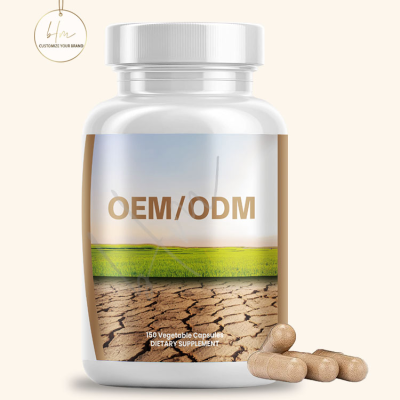
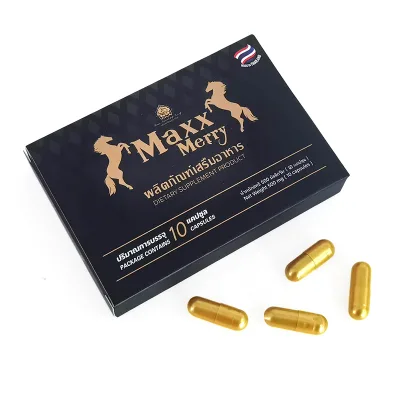
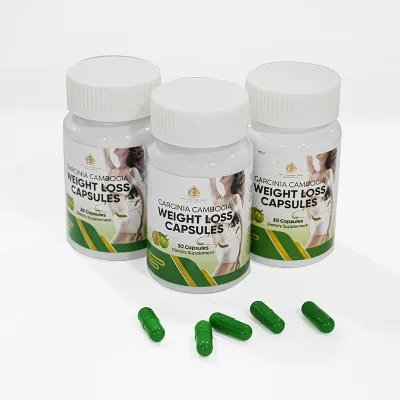
Free Design of OEM Supported Proprietary Brand Herbal Nutritional Supplement Capsules
$10.2685 - $21.5633
MOQ: 2 boxes
Comprehensive Sourcing Guide
Halal Gelatin Capsules Sourcing Guide
Procuring Halal Gelatin Capsules requires a disciplined approach to verifying both the biological source of the gelatin and the religious compliance of the manufacturing process. Buyers must distinguish between standard edible gelatin and specialized capsule-grade materials, as the latter demands stricter purity controls and specific disintegration properties. The core material is derived from animal skin or bone, which necessitates rigorous halal certification to ensure the source animal was slaughtered according to Islamic law. This verification is not optional for targeted markets but is a fundamental prerequisite for market access.
Beyond religious compliance, the physical and chemical attributes of the capsules must align with pharmaceutical or supplement standards. Key indicators include disintegration time, viscosity, and moisture content, which directly impact the reliability of the final dosage form. Buyers should prioritize suppliers who provide transparent data on these parameters rather than relying on generic product descriptions. Understanding the interplay between the gelatin bloom strength and the capsule’s mechanical flexibility is essential for ensuring that the capsules can withstand filling operations without cracking or leaking.
Product Scope and Observed Listing Signals
The market for Halal Gelatin Capsules presents a diverse range of product specifications, with observed minimum order quantities spanning from small trial batches to multi-million unit volumes. Listings frequently highlight bulk gelatin powder as a raw material component, indicating that some suppliers may offer both the intermediate material and the finished capsule form. Buyers should note that packaging varies significantly, with options including woven bags with polyethylene liners or direct carton packaging, which influences storage requirements and handling logistics during transit.
Observed product attributes reveal a strong emphasis on solubility and color consistency, with many listings claiming 100% solubility and a light yellow hue. These visual and functional traits are critical for quality assurance in pharmaceutical applications where uniformity is paramount. The presence of keywords such as "empty capsules" and "feed additives" suggests a broad product scope, requiring buyers to carefully filter listings to identify those specifically certified for human consumption. Misalignment between the intended application and the listed grade can lead to significant compliance risks and operational inefficiencies.
Technical Specifications to Verify
Technical verification must begin with the disintegration test, a critical performance metric for capsule integrity. Listings indicate a minimum disintegration time of 15 minutes, which serves as a baseline for evaluating how quickly the capsule shell breaks down in the gastrointestinal tract. Buyers should request detailed test reports to confirm that this metric is consistently met across different batches, as variations can affect drug bioavailability and patient compliance. This parameter is often linked to the gelatin’s bloom strength, which ranges widely from 160 to 2400 bloom depending on the specific formulation.
Moisture content and ash levels are equally important technical indicators that reflect the purity and processing quality of the gelatin. Observed data points to a loss on drying of approximately 15.4% and an ash content of 3.2%, figures that buyers must validate against their own quality standards. Additionally, the pH range of 5.0 to 7.0 ensures chemical stability and compatibility with various active pharmaceutical ingredients. Suppliers should provide batch-specific certificates of analysis to confirm that these values remain within acceptable limits, preventing issues such as capsule brittleness or chemical degradation during storage.
Compliance and Safety Documentation
Halal certification is the primary compliance requirement for this product category, and buyers must verify that the certificate is issued by a recognized Islamic authority. The presence of a Halal certificate in the supplier’s documentation is a strong positive signal, but it must be cross-referenced with the specific manufacturing facility and product line. Buyers should also look for complementary certifications such as HACCP, ISO, and FDA, which indicate a robust quality management system and adherence to international food safety standards. These certifications collectively reduce the risk of contamination and ensure consistent product quality.
Safety documentation must also include detailed microbiological and heavy metal testing results. Listings mention strict limits on aerobic bacteria, with counts required to be below 10 cfu/g, and chromium levels capped at 1 ppm. These limits are crucial for ensuring the safety of the final supplement or pharmaceutical product. Buyers should insist on recent test reports that cover these specific contaminants, as outdated or generic safety data may not reflect current production conditions. Verifying these safety metrics is essential for maintaining regulatory compliance in target markets.
Cost Drivers and Commercial Terms
Cost structures for Halal Gelatin Capsules are influenced by several factors, including the grade of gelatin, the complexity of the halal certification process, and the volume of the order. Observed minimum order quantities range from 500 kg to 3,000,000 units, indicating that pricing tiers are likely structured to accommodate both small-scale buyers and large industrial purchasers. Buyers should anticipate that smaller orders may carry a premium due to fixed setup and certification costs, while larger volumes may benefit from economies of scale in production and packaging.
Payment terms and delivery times are key commercial elements that affect cash flow and inventory management. Suppliers often offer flexible payment terms to facilitate trade, but buyers should negotiate clear delivery schedules, with typical lead times around 14 days. It is important to clarify whether the quoted price includes packaging materials, such as the 25kg bags or cartons mentioned in listings, as well as any export documentation fees. Understanding the total landed cost, including logistics and insurance, is essential for accurate budgeting and competitive pricing of the final product.
Supplier Qualification and Quality Control
Supplier qualification requires a thorough audit of their manufacturing capabilities and quality control protocols. Buyers should verify that the supplier has dedicated production lines for halal products to prevent cross-contamination with non-halal materials. The presence of certifications like Kosher and ISO9001 alongside Halal suggests a comprehensive approach to quality and religious compliance. However, buyers must confirm that these certifications are active and cover the specific products being sourced, as outdated or broad certifications may not provide adequate assurance.
Quality control processes should include rigorous incoming material inspection and finished product testing. Buyers should inquire about the supplier’s procedures for monitoring gelatin bloom strength, viscosity, and moisture content during production. The ability to provide batch-specific traceability is a strong indicator of a mature quality management system. Additionally, suppliers should have clear protocols for handling non-conforming products and conducting root cause analyses. Establishing a direct line of communication with the supplier’s quality team can help resolve issues quickly and maintain consistent product standards.
Long-Term Procurement Checks
Long-term procurement success depends on continuous monitoring of supplier performance and regulatory changes. Buyers should establish key performance indicators related to on-time delivery, product quality, and responsiveness to complaints. Regular audits, whether on-site or remote, can help ensure that the supplier maintains their halal certification and quality standards over time. It is also important to stay informed about changes in halal certification requirements in target markets, as these can impact product acceptance and compliance.
Supply chain resilience is another critical factor for long-term sourcing. Buyers should assess the supplier’s ability to handle demand fluctuations and potential disruptions in raw material supply. Diversifying the supplier base can mitigate risks associated with single-source dependencies. Additionally, buyers should periodically review contract terms to ensure they remain competitive and aligned with current market conditions. Building a strong, transparent relationship with the supplier can facilitate better collaboration on product development and continuous improvement initiatives.
FAQs
What certifications do Halal Gelatin Capsules have?
Halal Gelatin Capsules typically hold HACCP, ISO, and Halal certifications to ensure safety and compliance. These credentials verify that the manufacturing process meets strict hygiene and religious dietary standards. Buyers should verify specific certificates with the supplier to confirm the product aligns with their regional regulatory requirements and quality expectations.
Can Halal Gelatin Capsules be customized for specific needs?
Yes, customization is available for Halal Gelatin Capsules to meet specific client requirements. Suppliers often offer tailored solutions regarding strength, solubility, and packaging formats. This flexibility allows businesses to adapt the product to their unique production lines or formulation needs while maintaining the core halal and quality standards required for their market.
What is the shelf life of Halal Gelatin Capsules?
The shelf life of Halal Gelatin Capsules is generally three years or more than twelve months when stored correctly. Proper storage in a dry place at normal temperatures preserves their integrity and functionality. Buyers should adhere to these storage guidelines to ensure the capsules remain effective and safe for use throughout their intended duration.
How are Halal Gelatin Capsules packaged for shipping?
Halal Gelatin Capsules are commonly packaged in 25kg bags, often with a woven bag outside and a PE bag inside. Some suppliers use carton packaging for additional protection. This robust packaging ensures the product remains clean and dry during transit, preventing contamination and maintaining the quality of the gelatin until it reaches the final destination.
What is the typical lead time for Halal Gelatin Capsules?
The typical delivery time for Halal Gelatin Capsules is around 14 days after order confirmation. This lead time allows for efficient production and logistics planning. Buyers should account for this timeframe when scheduling their supply chain activities to ensure timely availability of the capsules for their manufacturing or distribution processes.
What is the minimum order quantity for Halal Gelatin Capsules?
The minimum order quantity for Halal Gelatin Capsules varies, with some suppliers requiring 500kg or more. Other sources may have higher thresholds, such as 3,000,000 units. Buyers should check specific supplier MOQs to determine the best fit for their volume needs and budget constraints, ensuring they meet the required purchase minimums.