Source Halloween Skull Wand Lamp for Party Decor and Events
Compare 30 Halloween Skull Wand Lamp options from verified suppliers. Buyers can evaluate plastic and resin materials, laser carving designs, and indoor usage specifications for festive decoration needs.
Key considerations
Products List
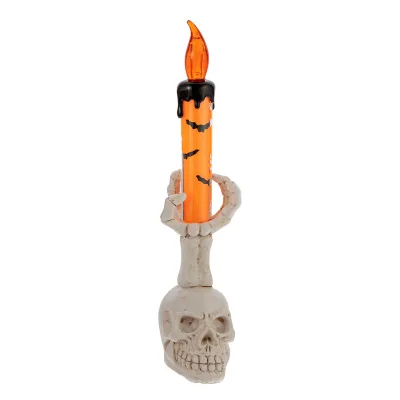
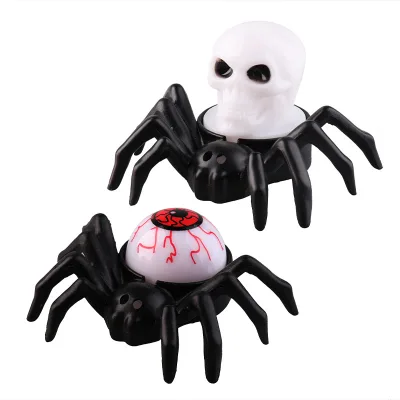

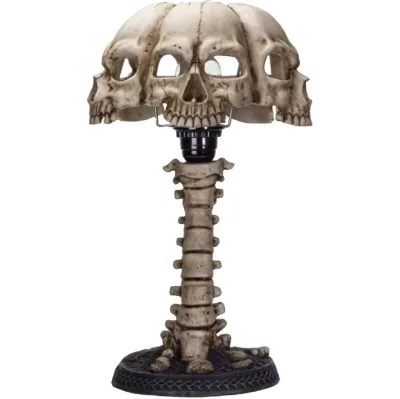


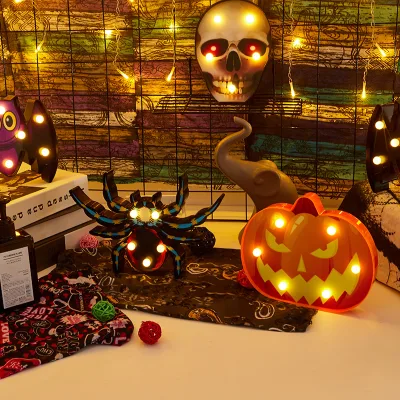
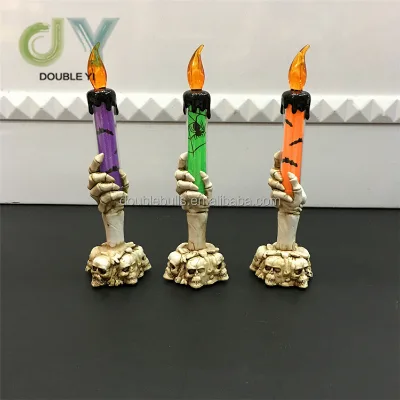
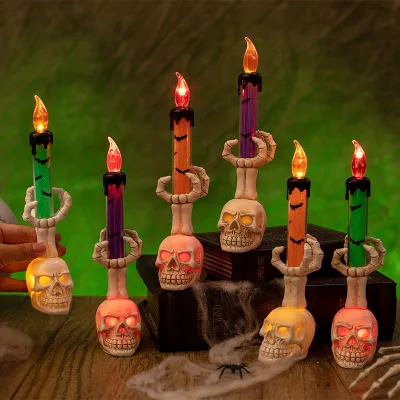
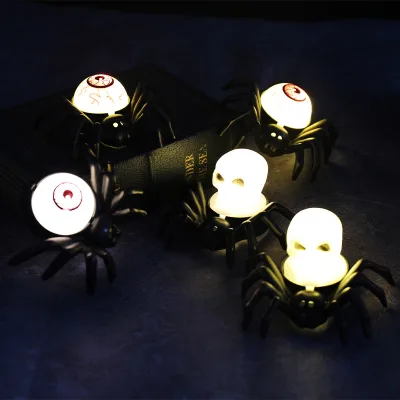
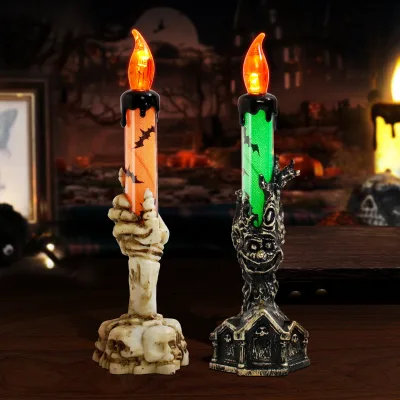


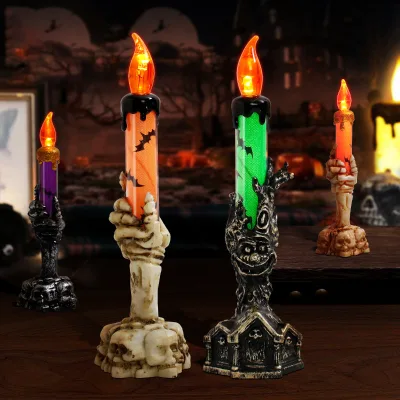
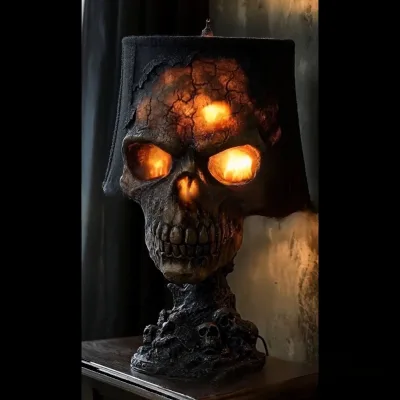

Halloween Skeleton Life Size Realistic Skeleton Horror Prop Decorative Lamp
$1.45 - $2.98
MOQ: 300 Pieces
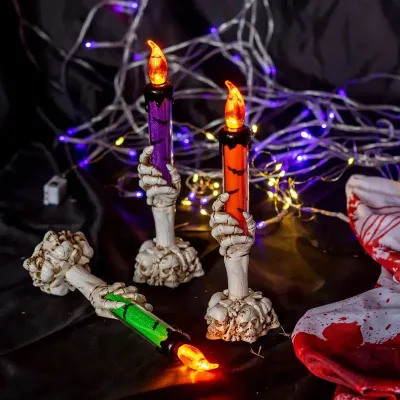


New Halloween Oil Lamp Jack-O-Lantern Skull to Decorate The Lantern Bar Party
$0.50 - $0.55
MOQ: 2000 Pieces


Hot Selling Halloween Holiday Decoration Lights Bat Skull Shape Night Lights
$0.80 - $0.90
MOQ: 1000 Pieces

Hot Selling Halloween Pumpkin Lantern Skull Candlestick Creative Ornament
$1.49 - $1.67
MOQ: 600 Pieces

Comprehensive Sourcing Guide
Halloween Skull Wand Lamp Sourcing Guide
Sourcing Halloween-themed decorative lighting requires a careful balance between aesthetic impact, safety compliance, and commercial viability. The market for seasonal items like skull wands and luminous lamps is highly competitive, with suppliers often offering a wide range of designs, materials, and price points. Buyers must navigate a landscape where product attributes can vary significantly between listings, even when the core keyword remains the same. This guide provides a structured approach to evaluating suppliers, verifying technical specifications, and ensuring that the final products meet both safety standards and brand expectations. By focusing on evidence-based verification and clear commercial terms, procurement teams can mitigate risks associated with seasonal inventory and ensure a successful product launch.
The following sections break down the critical aspects of sourcing these items, from understanding the observed market signals to conducting long-term supplier checks. Each section is designed to help buyers make informed decisions, avoiding common pitfalls such as assuming all listed products share the same certifications or material properties. The goal is to provide a comprehensive framework for evaluating potential suppliers and products, ensuring that the final selection aligns with the buyer’s specific needs for quality, safety, and cost-effectiveness.
Product Scope and Observed Listing Signals
The observed market for Halloween decorative lighting reveals a diverse range of products, including skull-shaped lamps, spider lamps, and resin luminous items. Listings indicate that materials commonly used include plastic and resin, with shapes ranging from skulls and pumpkins to spiders and round forms. Colors are typically vibrant, with orange and white being prevalent choices to match the Halloween theme. Some products are designed for indoor use only, while others may have broader applications in festivals, homes, and commercial landscaping. It is crucial for buyers to verify the specific application and usage conditions for each product, as assumptions about indoor/outdoor durability can lead to customer dissatisfaction and returns.
Price and minimum order quantity (MOQ) signals vary widely across the market. Observed price ranges span from low-cost items to higher-end decorative pieces, reflecting differences in material quality, complexity, and branding. MOQs can be as low as two pieces for some customized items, while others require orders of 100 or 2000 pieces. This variability suggests that suppliers cater to different buyer segments, from small boutique retailers to large-scale distributors. Buyers should carefully assess their volume requirements and budget constraints when evaluating these signals, ensuring that the chosen supplier can meet their specific order quantities without compromising on quality or delivery timelines.
Technical Specifications to Verify
Technical verification is essential to ensure that the products meet the buyer’s functional and aesthetic requirements. Key specifications to verify include dimensions, weight, and power sources. For instance, some skull lamps are specified with dimensions such as 5.5722CM, while others may be smaller or larger. Weight is another critical factor, with some items weighing as little as 0.055 kg and others up to 0.350 kg, which impacts shipping costs and handling. Buyers should also verify whether the products are battery-operated or require external power, as this affects the user experience and safety considerations. Some listings indicate "Without Battery," which means the buyer must source batteries separately, adding to the overall cost and complexity.
Additional technical details include the presence of custom logos, laser carving designs, and specific model numbers. These features can significantly enhance the product’s appeal and differentiation in the market. Buyers should confirm the availability of customization options, such as logo placement and design modifications, to ensure that the products align with their brand identity. Furthermore, verifying the single package size and gross weight is crucial for logistics planning, as these factors determine packaging efficiency and shipping costs. By meticulously reviewing these technical specifications, buyers can avoid surprises and ensure that the products meet their operational and marketing needs.
Compliance and Safety Documentation
Compliance with safety standards is non-negotiable for Halloween decorative lighting, especially when products are intended for use by children or in public spaces. Buyers must verify that suppliers provide the necessary certifications, such as CE, RoHS, FCC, and SAA, which indicate adherence to international safety and environmental standards. These certifications are critical for market access in various regions, including Europe, North America, and Australia. Buyers should request copies of these certificates and verify their validity with the issuing bodies to ensure that the products are genuinely compliant. Failure to do so can result in legal liabilities, product recalls, and damage to the buyer’s reputation.
In addition to certifications, buyers should assess the product’s IP rating and waterproofing capabilities, especially if the items are intended for outdoor use. Some listings indicate an IP44 rating, which provides protection against splashing water, but buyers must confirm whether this rating is suitable for their intended application. It is also important to verify the emitting color and power consumption, as these factors affect the product’s performance and energy efficiency. By prioritizing compliance and safety documentation, buyers can protect themselves from potential risks and ensure that the products are safe for end-users.
Cost Drivers and Commercial Terms
Understanding the cost drivers and commercial terms is vital for effective procurement planning. Factors such as material quality, customization options, and packaging style significantly influence the final price. For example, products with custom logos or laser carving designs may incur additional costs, while those with standard packaging may be more affordable. Buyers should request detailed quotations that break down these costs, allowing them to compare suppliers on a like-for-like basis. It is also important to consider the MOQ, as higher volumes may lead to lower unit prices, but also require greater capital investment and storage capacity.
Commercial terms such as payment methods, lead times, and return policies should be clearly defined in the contract. Buyers should negotiate favorable terms that align with their cash flow and inventory management strategies. For instance, some suppliers may offer flexible payment terms for repeat customers, while others may require full payment upfront. Lead times are another critical factor, as delays can impact the buyer’s ability to meet seasonal demand. By carefully reviewing and negotiating these commercial terms, buyers can optimize their procurement process and minimize financial risks.
Supplier Qualification and Quality Control
Supplier qualification is a critical step in ensuring the reliability and consistency of the products. Buyers should conduct thorough due diligence on potential suppliers, including verifying their business licenses, production capabilities, and quality control processes. It is advisable to request samples of the products to assess their quality, finish, and functionality before placing a large order. Suppliers with a proven track record of delivering high-quality products on time are more likely to meet the buyer’s expectations. Additionally, buyers should inquire about the supplier’s quality control measures, such as inspection protocols and defect rates, to ensure that the products meet their standards.
Quality control should not end with the initial order. Buyers should establish ongoing quality monitoring mechanisms, such as periodic inspections and feedback loops, to ensure that the supplier maintains consistent quality over time. This is particularly important for seasonal products, where demand can fluctuate significantly. By investing in supplier qualification and quality control, buyers can build a reliable supply chain and reduce the risk of receiving substandard products. This proactive approach helps to safeguard the buyer’s brand reputation and customer satisfaction.
Long-Term Procurement Checks
Long-term procurement checks are essential for maintaining a sustainable and efficient supply chain. Buyers should regularly review their supplier performance, including metrics such as delivery times, product quality, and responsiveness to issues. This data can help identify potential problems early and allow for corrective actions to be taken. Buyers should also stay informed about market trends and regulatory changes that may impact their procurement decisions. For example, new safety standards or environmental regulations may require adjustments to the products or suppliers.
Furthermore, buyers should consider diversifying their supplier base to mitigate risks associated with single-source dependencies. Having multiple qualified suppliers can provide flexibility and resilience in the face of supply chain disruptions. Regular communication with suppliers, including joint planning and feedback sessions, can also strengthen the relationship and improve collaboration. By implementing these long-term procurement checks, buyers can ensure that their supply chain remains robust, adaptable, and aligned with their strategic goals. This continuous improvement approach helps to drive value and competitiveness in the long run.
FAQs
What materials are used for the Halloween skull decoration?
The product is constructed from durable plastic material suitable for seasonal display. This ensures the item remains lightweight and portable while maintaining its shape during indoor use.
Can I customize the logo on the Halloween skull lamp?
Yes, customized logo options are available for this product line. Buyers can request specific laser carving designs to brand the item for their own marketing or event needs.
What is the minimum order quantity for the skull decoration?
The minimum order quantity is set at 100 pieces for standard transactions. Some specific listings may allow lower quantities, but the general requirement for bulk sourcing is 100 units.
Where are these Halloween skull products manufactured?
These items originate from manufacturing facilities located in Shandong, China. Additional production sources may include Jiangmen, Guangdong, and Zhejiang regions depending on the specific model selected.
Is the Halloween skull lamp waterproof for outdoor use?
No, the product is designed specifically for indoor usage only. It lacks the necessary waterproof rating for outdoor environments despite having other safety certifications like CE and RoHS.
What certifications do the Halloween skull lamps hold?
The products carry multiple safety certifications including CE, RoHS, FCC, and SAA. These standards ensure the electrical components meet international safety requirements for commercial and home use.
How large is the single package for the skull lamp?
The single package size varies by model but typically measures around 10 by 10 by 30 centimeters. Specific models may have different dimensions such as 12 by 10 by 4 centimeters.