Source Halogen Heating Grain Moisture Meter for Agriculture, Food, and Papermaking
Find 30 listings for the Halogen Heating Grain Moisture Meter suitable for agriculture, food, and papermaking applications. Buyers can compare specifications such as temperature range, readability, and weighing capacity to select the right moisture analyzer for their needs.
Key considerations
Products List
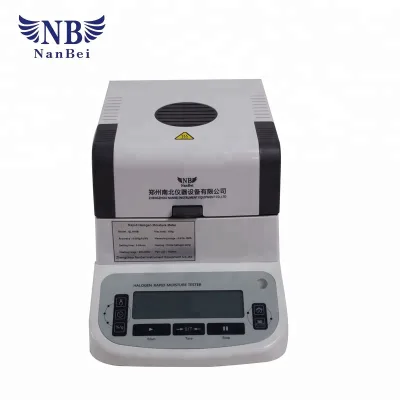


120g/10mg Touch Screen Grain Moisture Meter Halogen Lamp Heating Moisture Meter
$365.00 - $459.00
MOQ: 1 Pieces


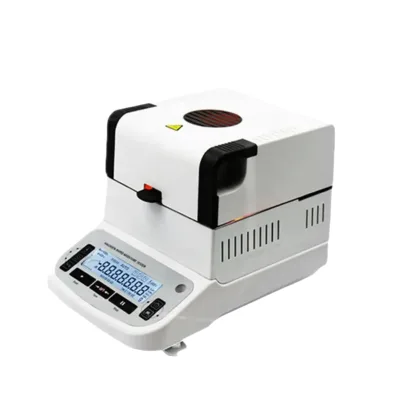
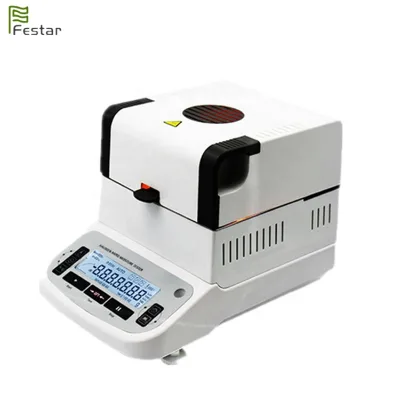
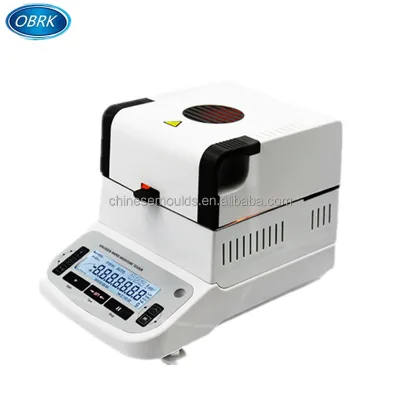
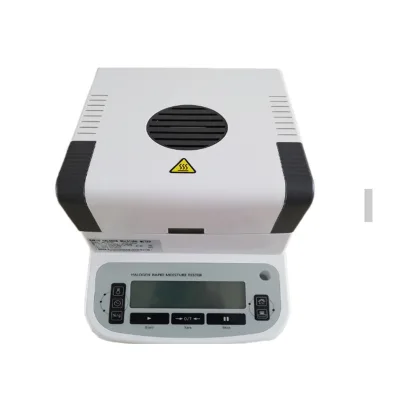
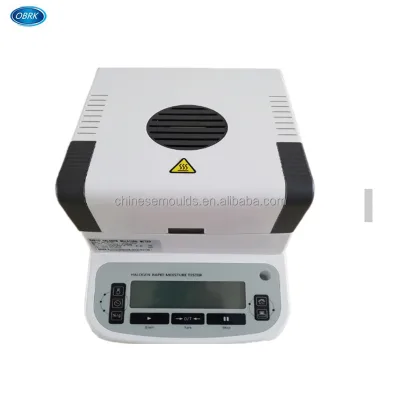


Halogen Lamp Soil Moisture Tester Grain Moisture Tester Food Moisture Tester
$299.00 - $499.00
MOQ: 1 Pieces


Digital Grain Moisture Meter Automatic Intelligent Halogen Moisture Content Analyzer
$1345.00 - $1835.00
MOQ: 1 Pieces


Comprehensive Sourcing Guide
Strategic Sourcing Guide for Halogen Heating Grain Moisture Meters
Understanding the Core Technology and Operational Principles
The Halogen Heating Grain Moisture Meter represents a specialized class of analytical instrumentation designed for rapid and precise determination of water content in solid samples. Unlike traditional oven-drying methods that require hours of operation, these devices utilize high-intensity halogen lamps to apply rapid, uniform heating to the sample. The fundamental operating principle relies on the weightlessness method, where the instrument continuously measures the loss of mass as moisture evaporates until a constant weight is achieved. This process allows for the calculation of moisture content, solid content, and the generation of moisture curves in a fraction of the time required by conventional techniques.
For procurement professionals, understanding the specific heating mode is critical. The market offers devices employing either step heating or rapid heating modes. Step heating allows for a controlled temperature ramp, which is often preferable for samples that might degrade or spatter at high temperatures immediately. Conversely, rapid heating modes are designed to minimize total analysis time, making them ideal for high-throughput environments. The selection between these modes should be dictated by the specific thermal properties of the grain or food product being analyzed. The core measurement mechanism involves a highly sensitive weighing sensor, often a load cell, which must be capable of detecting minute changes in mass. In high-end configurations, these sensors are sourced from established manufacturers to ensure stability and linearity, a factor that directly impacts the reliability of the final moisture reading.
Technical Specifications and Performance Metrics
When evaluating potential suppliers, buyers must scrutinize the technical specifications to ensure alignment with laboratory or production line requirements. A primary metric is the readability or accuracy of the device. High-performance units typically offer readability down to 0.01% or 1mg, 5mg, and 10mg increments depending on the model class. The measuring range is equally vital; standard instruments often cover a spectrum from 0.01% up to 100%, ensuring they can handle both dry and wet samples effectively. The maximum sample capacity is another defining characteristic, with common configurations supporting up to 120g of material, though some models may vary.
The physical dimensions and weight of the unit are practical considerations for laboratory space planning. A typical footprint might be approximately 310mm by 205mm by 200mm, with a single gross weight around 5kg. While some market segments offer portable variants, many industrial-grade halogen moisture meters are designed as benchtop units, classified as non-portable due to their size and the need for a stable power source. The display interface is another area of differentiation; modern units frequently feature DOT-Matrix LCD screens that provide clear visualization of moisture content, moisture curves, and solid content data. Some advanced models may offer touch screen interfaces or keyboard-based operation, influencing the user experience and ease of data entry.
The temperature range is a critical safety and performance parameter. Devices typically operate within a range starting from room temperature up to 200°C. This upper limit is sufficient for most grain and food applications but must be verified against specific material requirements. Additionally, the preheat time, often cited around 30 minutes for stabilization, should be factored into workflow planning. The interface capabilities, such as a built-in RS232 port, facilitate data transfer to external computers or printers, which is essential for quality control documentation and regulatory compliance.
Compliance, Certification, and Standard Verification
In the B2B procurement of analytical instruments, compliance with international standards is non-negotiable. Buyers should verify that the equipment manufacturer adheres to recognized quality management systems such as ISO standards. Furthermore, third-party verification bodies like SGS may be involved in testing and certification processes, providing an additional layer of assurance regarding the instrument's performance and safety. The packaging standards are also part of the compliance picture; products are often shipped in wood packages that are free-fumigation compliant to meet international shipping regulations, preventing the spread of pests across borders.
It is imperative to distinguish between the product's origin and the manufacturing location. While some documentation may list origins such as Henan, Zhejiang, or Changzhou in China, these are specific regional manufacturing hubs. The "place of origin" and "product origin" fields in supplier data can sometimes vary depending on the specific factory or assembly line. Procurement teams must ensure that the specific unit being purchased aligns with the stated origin to avoid discrepancies in warranty claims or support logistics. The application of the device, whether for agriculture and food, papermaking, or other industries, should be explicitly stated in the product documentation to ensure the instrument is validated for the intended use case.
Cost Drivers and Pricing Structure Analysis
The pricing of halogen moisture meters is influenced by several distinct factors, including the precision of the weighing sensor, the sophistication of the heating control system, and the brand reputation. The observed market price range for these instruments spans from $50 to $5,000 USD, reflecting a wide spectrum of capabilities from basic models to high-precision analytical units. The lower end of the spectrum typically covers standard units with basic digital displays and manual operation modes, while the higher end includes models with advanced touch screens, multiple heating modes, and premium sensors.
Minimum Order Quantity (MOQ) is another critical cost driver. In many cases, these instruments are sold as single items with an MOQ of 1, allowing for flexible procurement without the need for bulk purchasing agreements. However, buyers should be aware that customization options, such as OEM or ODM support, may introduce additional costs or alter the pricing structure. The warranty period, often cited as 3 years for high-quality units, is a significant value indicator that reduces the total cost of ownership by mitigating the risk of early failure. Packaging costs, including the wood package or carton specifications (e.g., 603536cm/Carton), also contribute to the final landed cost, particularly for international shipments where freight charges are calculated based on volume and weight.
Typical Applications and Industry Use Cases
The versatility of halogen heating grain moisture meters makes them suitable for a diverse range of industries. In the agriculture and food sector, these devices are indispensable for quality control, ensuring that grains, seeds, and processed foods meet moisture specifications before storage or sale. Excessive moisture can lead to spoilage, mold growth, and reduced shelf life, making accurate measurement a critical step in the supply chain. Similarly, the papermaking industry utilizes these meters to monitor the moisture content of paper pulp and finished paper products, which directly affects the strength and printability of the material.
The application extends beyond these primary sectors to any industry requiring rapid moisture analysis of solid materials. The ability to provide immediate results allows for real-time process adjustments, reducing waste and improving efficiency. For instance, in a grain processing facility, a moisture meter can be used to determine the optimal drying time, preventing over-drying which can degrade product quality or under-drying which can lead to spoilage. The "Physical Analysis Type" of the instrument confirms its suitability for non-destructive testing, preserving the sample for further analysis if necessary. Buyers should verify that the specific model selected is validated for their specific application, as the heating mode and temperature range must be compatible with the thermal stability of the material being tested.
Supplier Evaluation and Quality Control Protocols
Selecting a reliable supplier requires a rigorous evaluation of their technical capabilities and quality assurance processes. Buyers should prioritize suppliers who offer clear documentation regarding the origin of key components, such as the weighing sensor. In high-performance models, the sensor may be specified as "Made in Germany," indicating a commitment to precision engineering and reliability. The operating temperature range, typically 5-35°C, should be clearly defined to ensure the instrument performs correctly in the buyer's specific environmental conditions.
Quality control protocols should be a central part of the supplier selection criteria. This includes verifying the manufacturing standards and the consistency of the product. The "Product name" and "Model number" (e.g., QL series, MB1202-T) serve as unique identifiers that should be cross-referenced with the supplier's technical datasheets. Buyers should also inquire about the customization capabilities, as the availability of OEM and ODM services can be a differentiator for suppliers looking to meet specific client needs. The "Single package size" and "Single gross weight" are practical details that affect logistics and should be confirmed to ensure the supplier can deliver the product safely and efficiently.
Long-Term Procurement and Lifecycle Management
Long-term procurement considerations extend beyond the initial purchase price to include maintenance, support, and lifecycle management. The warranty period, often 3 years, is a key indicator of the manufacturer's confidence in their product. Buyers should ensure that the warranty covers not just the instrument itself but also the sensor and heating elements, which are critical components subject to wear and tear. The availability of spare parts and technical support is essential for minimizing downtime in a production environment.
The interface capabilities, such as the RS232 port, facilitate integration with laboratory information management systems (LIMS), which is crucial for long-term data management and traceability. As technology evolves, the ability to upgrade software or add new features through the interface can extend the useful life of the instrument. Furthermore, the "Operating Mode" and "Display" features should be evaluated for their longevity and ease of use over time. A touch screen or digital display that remains responsive and clear after years of use is a significant advantage. Finally, the "Another name" or synonyms for the product, such as "Halogen moisture analyzer" or "Grain moisture meter," should be used consistently in procurement documents to ensure clarity and avoid confusion with similar but less suitable instruments. By focusing on these long-term factors, buyers can secure a reliable partnership that supports their quality control needs for years to come.
FAQs
What is the temperature range for this Halogen Heating Grain Moisture Meter?
The device operates from room temperature up to 200°C. This range supports standard grain and food analysis without requiring external heating sources or complex calibration.
How accurate is the readability of the grain moisture meter?
The instrument offers a readability of 0.01% for precise moisture content determination. Some models also support 1mg, 5mg, or 10mg accuracy depending on the specific weighing sensor configuration.
Can I customize this halogen moisture analyzer for my specific needs?
Yes, OEM and ODM customization services are available for this product. Buyers can request tailored specifications while the standard model supports keyboard or touch screen operation modes.
What is the minimum order quantity for purchasing this moisture meter?
The minimum order quantity is one single item. This allows buyers to procure individual units without needing to meet bulk purchase requirements or large volume thresholds.
Which certification standards does the halogen moisture meter meet?
The product complies with ISO and SGS standards for quality and safety. These certifications ensure the instrument meets international requirements for analytical performance and manufacturing reliability.
How long is the warranty period for this grain moisture meter?
The standard warranty period provided is three years. This coverage protects against defects and ensures long-term reliability for agricultural and food industry applications.
What is the maximum sample capacity for this moisture analyzer?
The device supports a maximum sample capacity of 120 grams. This limit accommodates typical grain and papermaking samples while ensuring accurate weightlessness method measurements.