Source Halogen Sonata Car Tail Lamp for Hyundai Accent, Sonata, and Elantra
Find 30 verified listings for the Halogen Sonata Car Tail Lamp suitable for Hyundai models including the Accent 2006 and Sonata 2015. Buyers can compare specifications like voltage, material, and fitment types from suppliers in China.
Key considerations
Products List
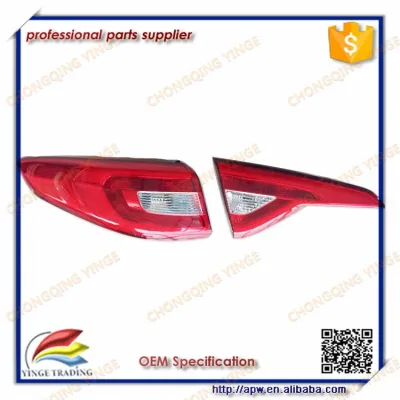
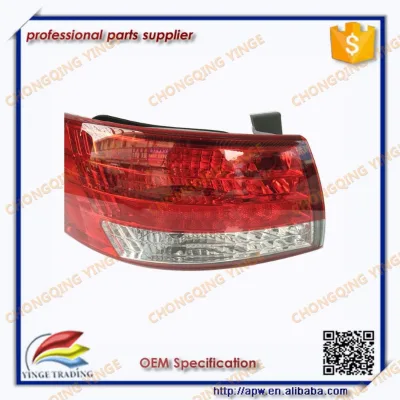
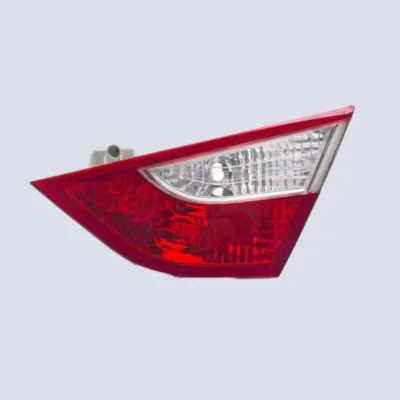
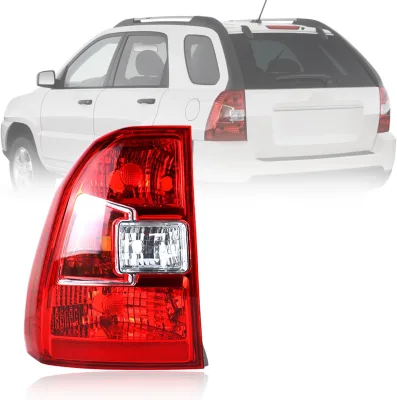
92403-3K000/92402-3K000 Halogen Rear Light Lamp for Car Parts Hyundai Sonata
$17.94 - $19.78
MOQ: 20 Minimum


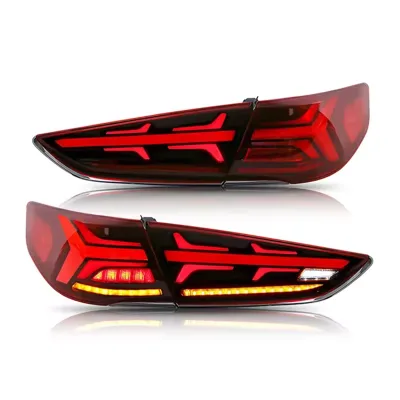
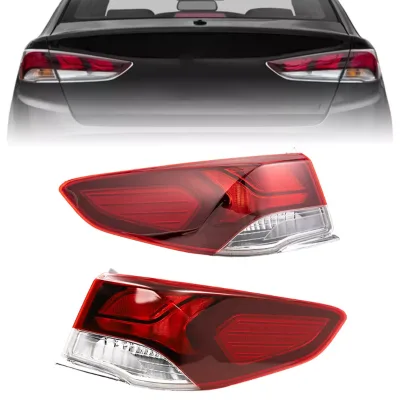
Auto Spare Part Car Rear Light Tail Lamp for Hyundai Sonata 2018-2019
$108.90 - $132.00
MOQ: 10 Pieces


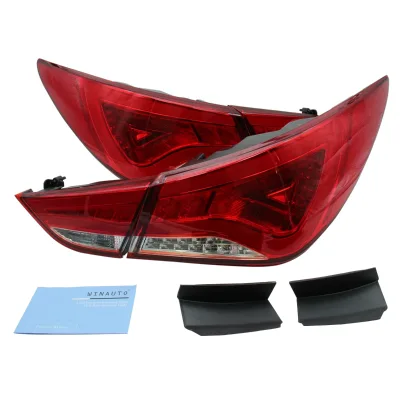
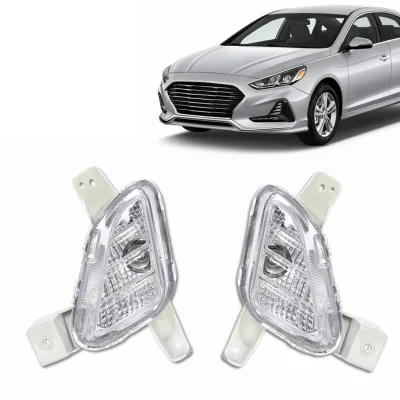
Car Accessories Car Body Parts Head Lamp Head Light for Hyundai Sonata 2011-2014
$67.00 - $77.00
MOQ: 10 Pieces




Comprehensive Sourcing Guide
Strategic Sourcing Guide for Halogen Sonata Tail Lamps
Understanding Product Specifications and Variants
When sourcing tail lamps specifically for the Hyundai Sonata using a halogen technology base, buyers must first navigate a complex landscape of model years, fitment types, and component specifications. The core keyword "Halogen Sonata Car Tail Lamp" implies a specific light source technology, yet the market data reveals a diverse array of compatible units that vary significantly in their physical and electrical attributes. A critical observation in the current supply chain is the coexistence of halogen and LED technologies within the same product categories, necessitating precise filtering to ensure the procurement of the correct light source.
The supplied product facts indicate that specific units are explicitly categorized as "Halogen" material, distinguishing them from "LED" alternatives which are also prevalent in the market for similar vehicle models. For the Hyundai Sonata, the fitment is not universal across all years. The data highlights specific model years such as 2011-2014, 2015, 2018-2019, and 2020, each potentially requiring different housing designs or bulb bases. For instance, one observed variant specifies a "P21W" base, while another lists a "W21W" base. These differences are not merely cosmetic; they dictate the electrical interface and the physical socket compatibility within the vehicle's rear assembly.
Buyers must also account for the functional designation of the lamp. While the primary function is often identified as a "Back Position Lamp" or "Tail Light," some listings distinguish between "Front Position Lamp" and rear configurations. For a Sonata tail lamp search, the focus must remain strictly on rear-facing units designed for "Back Position Lamp" functionality. The physical dimensions and weight also vary; observed weights range from 2 Kg to 4 Kg, suggesting differences in housing material density or the inclusion of additional structural reinforcements. A 4 Kg unit likely contains a more robust assembly or additional internal components compared to a 2 Kg variant.
Furthermore, the product model numbers serve as a primary verification tool. Identifiers such as "92403C1000," "HY005-205-001," "HY005-205-002," and "HY2503157" are critical for cross-referencing with original equipment manufacturer (OEM) standards. The presence of an OEM number like "Hy2503157" suggests a direct replacement capability, which is a significant value proposition for fleet managers and repair shops seeking to maintain factory specifications. However, the existence of multiple model numbers for the same vehicle brand indicates that a single SKU may not cover the entire production run of the Sonata. Buyers must verify the specific model year and generation of their target vehicle against these model numbers to avoid fitment errors.
Compliance, Certification, and Regulatory Standards
Navigating the regulatory landscape is a non-negotiable aspect of sourcing automotive lighting components, particularly for safety-critical parts like tail lamps. The supply chain data confirms that compliant products in this category often carry specific certifications, including "E-mark" and "DOT." These certifications are not optional; they are mandatory for legal road use in many jurisdictions. The E-mark certification indicates compliance with United Nations Economic Commission for Europe (UNECE) regulations, which govern the photometric performance and durability of vehicle lighting. The DOT (Department of Transportation) certification is the equivalent requirement for the United States market.
When evaluating potential suppliers, buyers must request proof of these certifications for the specific SKU they intend to purchase. It is a common misconception that a supplier's general certification covers all their products; in reality, certification is often tied to specific production batches or model designs. The data notes that products are "100% Tested," which is a positive indicator of quality assurance, but this internal testing must be complemented by external, third-party certification to ensure legal compliance.
The "Standard Size" specification mentioned in the product facts suggests that these lamps are designed to meet general industry dimensions, but "Standard" does not automatically equate to "Certified." Buyers should verify that the "Standard Size" claim aligns with the specific regulatory standards of their target market. For example, a lamp that meets E-mark standards may have different photometric requirements than one designed solely for the DOT standard. The presence of both certifications in the data implies that the supply chain includes products capable of serving international markets, but the buyer must ensure the specific unit they order carries the relevant stamp for their region.
Additionally, the "Waterproof" and "Shock-Resistant" attributes listed are critical for durability and safety compliance. These resistance ratings often correlate with IP (Ingress Protection) standards, though the specific IP rating is not explicitly detailed in the provided facts. Buyers should verify the specific IP rating (e.g., IP67 or IP68) to ensure the lamp can withstand the environmental conditions it will face, such as heavy rain, car washes, and road debris. The "100% Brand New" condition attribute further ensures that the product has not been refurbished, which is essential for maintaining the integrity of the certification and safety standards.
Cost Drivers and Pricing Dynamics
The pricing structure for halogen tail lamps for the Hyundai Sonata is influenced by a variety of factors, including material composition, certification status, and order volume. The observed price range in the market spans from $1.50 to $193.38 USD, a disparity that reflects the vast difference between basic replacement bulbs and complete assembly units with advanced features. The lower end of this spectrum likely corresponds to individual bulbs or very basic housing replacements, while the higher end may include complete assemblies with integrated reflectors, lenses, and potentially LED upgrades, despite the "halogen" keyword.
Material costs play a significant role in pricing. The data indicates the use of "ABS Plastic" for the housing in some variants, while others may utilize different materials. ABS plastic is a cost-effective choice that offers good impact resistance, but the quality of the plastic and the molding process can significantly affect the final price. Higher-priced units may feature superior UV-resistant coatings or reinforced structures that extend the lifespan of the lamp.
The "MOQ" (Minimum Order Quantity) is another critical cost driver. The observed MOQ range is from 1 to 200 units. For small repair shops or individual buyers, an MOQ of 1 allows for single-unit procurement, but the unit price will likely be higher. Conversely, bulk buyers who can meet an MOQ of 200 may negotiate significantly lower per-unit costs. The data also notes a specific MOQ of "1 Pair" for certain models, which is a common requirement for tail lamps as they are typically sold in left and right pairs to ensure symmetrical lighting.
Lead times and shipping costs, while not explicitly quantified in the provided facts, are inherent cost drivers. Products originating from "Zhejiang, China" must be shipped internationally, and the logistics costs will vary based on the weight of the package. The "Single package size" of 63x49x34 cm for a specific model indicates a substantial volume, which will impact freight charges. Buyers should factor in these logistics costs when comparing the total landed cost of different suppliers.
Typical Applications and Fitment Scenarios
The application of halogen tail lamps for the Hyundai Sonata is highly specific to the vehicle's generation and model year. The data highlights fitment for the 2011-2014, 2015, 2018-2019, and 2020 model years. This indicates that the Sonata has undergone significant design changes over the years, resulting in non-interchangeable tail lamp assemblies. A lamp designed for the 2015 model may not physically fit or electrically connect to a 2018 model, even if the brand name is the same.
The "Direct Replacement" fitment type is a crucial feature for buyers. This specification suggests that the aftermarket part is designed to bolt directly into the existing mounting points without the need for modification, wiring harness adaptation, or custom fabrication. This reduces installation time and labor costs, making it an attractive option for fleet maintenance and independent repair shops. The "100% Tested" attribute further supports the reliability of these direct replacement units, ensuring that they function correctly upon installation.
The placement on the vehicle is explicitly noted as "Rear, Left, Right." This confirms that the product is intended for the rear of the vehicle and is available as individual units or pairs. Buyers must ensure they order the correct side or a complete pair to maintain balanced lighting. The "Red" color specification is standard for tail lamps, but the shade and intensity can vary. Buyers should verify that the red color meets the required visibility standards for their jurisdiction.
The "Product Name" field, such as "Tail Lights for Hyundai Sonata 9th 2018-2020," provides a clear indication of the specific generation. The "9th" generation reference is particularly important for buyers of newer models, as the design language and internal components differ significantly from earlier generations. Understanding these generation-specific nuances is essential for successful procurement.
Supplier Evaluation and Verification Protocols
Evaluating suppliers for automotive lighting components requires a rigorous approach to ensure reliability and compliance. The data mentions a brand name, "Feebest," which serves as an example of a supplier in this space, but buyers should not rely on a single brand. Instead, they should evaluate suppliers based on their ability to provide verifiable documentation and consistent product quality.
Key evaluation criteria include the supplier's ability to provide proof of "E-mark" and "DOT" certifications for the specific products being purchased. Buyers should request certification documents and verify their authenticity with the relevant authorities. The "100% Tested" claim should be backed by test reports that detail the testing procedures and results. Buyers should also inquire about the supplier's quality control processes, including how they handle defective units and their return policies.
The "Place of Origin" being "China" is a common fact for automotive parts, but buyers should verify the specific manufacturing facility. Some suppliers may have multiple factories, and the quality of production can vary between locations. Buyers should ask for the specific factory address and, if possible, conduct a site audit or request a third-party inspection report.
The "Condition" of the product, listed as "100% Brand New," is a critical factor. Buyers must ensure that the supplier does not sell refurbished or used parts as new. This can be verified by checking the packaging and requesting photos of the actual product before shipment. The "Carton" packing specification suggests standard industrial packaging, but buyers should confirm that the packaging is robust enough to prevent damage during transit.
Quality Control and Long-Term Procurement Considerations
Maintaining high quality standards is essential for the long-term success of any procurement strategy involving automotive lighting. The "Lumens" rating of 5000 lm and "Rated Power" of 72 Watts are specific performance metrics that buyers should verify against their requirements. These figures indicate the brightness and energy consumption of the lamp, which are critical for visibility and fuel efficiency. Buyers should ensure that these specifications meet the regulatory requirements of their market.
The "Color Temperature" of 5000K is another important metric. This rating indicates the color of the light emitted, with 5000K being a neutral white. While tail lamps are typically red, the internal reflector and bulb color temperature can affect the overall appearance and brightness. Buyers should verify that the color temperature is consistent across all units in a batch to ensure uniform lighting.
Long-term procurement considerations include the availability of spare parts and the supplier's ability to scale production. The "Customization: Available" attribute suggests that suppliers may offer tailored solutions, such as specific packaging or branding. This can be beneficial for fleet operators who want to maintain a consistent brand image. However, buyers should ensure that customization does not compromise the quality or certification of the product.
The "Weight" of the product, ranging from 2 Kg to 4 Kg, is a factor in shipping and handling. Heavier units may require special handling equipment and may incur higher shipping costs. Buyers should factor these logistics costs into their total cost of ownership calculations. Additionally, the "Single package size" of 63x49x34 cm indicates that the units are bulky, which may limit the number of units that can be shipped in a single container.
In conclusion, sourcing halogen tail lamps for the Hyundai Sonata requires a meticulous approach that balances technical specifications, regulatory compliance, cost efficiency, and supplier reliability. By carefully evaluating the factors outlined in this guide, buyers can make informed decisions that ensure the safety, performance, and longevity of their vehicle fleets. The diversity of model years, fitment types, and certifications available in the market underscores the importance of precise verification and due diligence in every procurement transaction.
FAQs
Which certifications do halogen Sonata tail lamps carry?
These lamps carry E-mark and DOT certifications for legal road use. Buyers must verify that specific batches hold these stamps, as certification applies to particular production designs rather than all supplier products.
What is the minimum order quantity for these lamps?
The minimum order quantity ranges from 1 to 200 units depending on the supplier. Some listings require a minimum of 1 pair to ensure symmetrical lighting for left and right vehicle positions.
Can these lamps be customized for specific car models?
Customization is available for various Hyundai models including the Accent and Sonata. Buyers should confirm specific fitment years like 2006, 2015, or 2018-2020 to ensure the correct housing and bulb base compatibility.
Where are these halogen tail lamps manufactured?
The products originate from Zhejiang, China, with some listings specifying China as the general origin. Buyers should verify the specific factory location to assess logistics costs and production quality standards.
How much do these tail lamps cost per unit?
Prices range from 1.5 to 193.38 USD based on the specific product configuration. Lower costs typically cover basic bulbs while higher prices include complete assemblies with ABS plastic housing and advanced features.
What voltage do these lamps operate at?
These lamps operate at 12V or 12 V standard vehicle voltage. This ensures compatibility with standard Hyundai electrical systems without requiring additional converters or wiring modifications.