Source Hammer Mill for Wood, Straw, and Biomass Processing
Compare 30 Hammer Mill units from verified Chinese manufacturers. These machines crush wood branches, straw, and biomass into sawdust with diesel or electric motors, offering customizable options and ISO CE certifications for efficient feed pellet production; compare the available evidence and request quotations based on your requirements.
Key considerations
Products List


Comprehensive Sourcing Guide
Hammer Mill Sourcing Guide
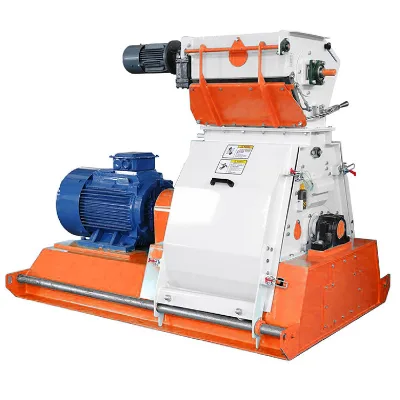
Procuring a Hammer Mill requires careful evaluation of mechanical design, power source compatibility, and output consistency. These machines are primarily engineered to crush raw materials such as straw, grass, wood branches, and biomass into fine sawdust with particle sizes ranging from 1 to 3 millimeters. Buyers must distinguish between models designed for high-efficiency industrial operations and those intended for smaller-scale or family use, as the operational parameters and structural robustness vary significantly across this spectrum.
The selection process hinges on matching the machine’s capacity and motor configuration to your specific production volume and energy infrastructure. Observed listings indicate a wide range of capacities, from 100 to 1500 kilograms per hour, powered by either diesel or electric motors. Understanding these core technical distinctions is essential for ensuring that the selected equipment integrates seamlessly into your existing workflow while meeting the required throughput and final product quality standards.
Product Scope and Observed Listing Signals
The market for hammer mills presents a diverse array of configurations, with observed prices ranging from $240 to $110,000 USD, reflecting significant variations in scale and automation. Minimum order quantities are typically low, ranging from 1 to 5 units, which facilitates initial procurement for small enterprises or pilot projects. Buyers should note that while some models are marketed as fully automatic with CNC controlling modes, others operate with manual or semi-automatic controls, necessitating a clear assessment of labor requirements and operational complexity before finalizing a purchase.
Packaging and shipping dimensions also vary, with standard wooden cases, plywood boxes, and full container loads (FCL) being common methods for transporting these heavy industrial machines. The physical footprint of the equipment can range from compact units suitable for small family use to large industrial installations measuring approximately 3.3 by 2.7 by 2.73 meters. It is crucial to verify the specific model designation, such as CF, CF420B, or HX2600, as these identifiers often correlate with distinct rotor types, cutter designs, and discharge mechanisms like screw conveyors.
Technical Specifications to Verify
When evaluating technical specifications, the raw material diameter is a critical constraint, with many models accepting inputs below 5 centimeters. The internal mechanism typically features a dual rotor with hammer cutters, designed to efficiently process biomass waste into uniform sawdust. Buyers must verify the sieve size, which generally ranges from 2.8mm to 12mm, as this directly determines the fineness of the final product. Ensuring that the sieve and knives are available as spare parts is vital for maintaining consistent output quality and minimizing downtime during routine maintenance cycles.
Power requirements and voltage compatibility are equally important considerations, with standard industrial models often requiring 380V electricity and motors ranging from 75kW to 355kW. Some units are equipped with diesel motors, offering flexibility for sites without reliable grid access, while others rely on electric power for energy-saving and quieter operation. The inclusion of feed and discharge conveyors, with lengths customizable to requirements, can significantly enhance operational efficiency by automating material handling, so buyers should confirm whether these accessories are included or available as optional add-ons.
Compliance and Safety Documentation
Compliance with international standards is a key factor in selecting reliable Hammer Mill equipment, with many suppliers providing ISO and CE certifications. These certifications indicate that the machine meets specific safety and quality benchmarks, which is particularly important for buyers operating in regulated markets. It is advisable to request copies of these certificates to verify their validity and ensure they cover the specific model being purchased, as certification status can vary between different manufacturers and production batches.
Warranty terms and after-sales support services also play a significant role in risk mitigation, with standard offerings including one to two years of warranty coverage. Buyers should clarify the scope of this warranty, including whether it covers parts like the sieve and knives, and understand the available support channels, such as video technical support. Clear documentation of these terms ensures that any potential issues can be addressed promptly, reducing the financial impact of unexpected breakdowns or performance deviations during the initial operational phase.
Cost Drivers and Commercial Terms
The cost of a Hammer Mill is influenced by several factors, including motor power, automation level, and the inclusion of auxiliary equipment like conveyors. Higher capacity models with larger motors and advanced CNC controls naturally command higher prices, while smaller, manually operated units are more budget-friendly. Buyers should analyze the total cost of ownership, considering not just the initial purchase price but also the energy consumption, maintenance requirements, and potential savings from increased operational efficiency.
Commercial terms such as payment methods, shipping arrangements, and lead times should be negotiated clearly to avoid hidden costs. While observed minimum order quantities are low, bulk purchases may offer better pricing, so buyers should assess their long-term volume needs. Additionally, the choice between FOB, CIF, or other Incoterms will affect logistics responsibilities and insurance coverage, so it is essential to align these terms with your supply chain capabilities and risk tolerance to ensure a smooth transaction process.
Supplier Qualification and Quality Control
Verifying supplier qualifications is essential to ensure the reliability and longevity of the Hammer Mill equipment. Buyers should prioritize suppliers who provide detailed product specifications, clear warranty terms, and responsive after-sales support. Checking for certifications such as ISO and CE can provide additional confidence in the supplier’s commitment to quality and safety standards. It is also beneficial to review the supplier’s track record and customer feedback to gauge their reputation and reliability in the market.
Quality control measures should be implemented throughout the procurement process, from initial inquiry to final delivery. This includes verifying the machine’s condition, ensuring that all components are present and undamaged, and confirming that the equipment meets the agreed-upon specifications. Buyers may consider third-party inspection services to conduct pre-shipment inspections, which can help identify any potential issues before the equipment leaves the supplier’s facility, thereby reducing the risk of receiving defective or non-compliant machinery.
Long-Term Procurement Checks
Long-term procurement success depends on establishing a robust maintenance and spare parts strategy for the Hammer Mill. Given that components like sieves and knives are subject to wear and tear, buyers should ensure a steady supply of these spare parts to minimize downtime. It is advisable to negotiate bulk purchasing agreements for spare parts or establish a reliable local supply chain to ensure timely availability when needed, thereby maintaining consistent production output and operational efficiency.
Regular performance monitoring and periodic technical reviews are also crucial for optimizing the Hammer Mill’s lifespan and efficiency. Buyers should track key performance indicators such as throughput, energy consumption, and product quality to identify any deviations from expected performance. By maintaining detailed records of maintenance activities and operational data, buyers can proactively address potential issues, extend the equipment’s service life, and make informed decisions about future upgrades or replacements.
FAQs
What is the final product size of this Hammer Mill?
The final product is 1-3mm sawdust. The machine processes straw, grass, and wood branches with a raw material diameter below 5cm. It features a sieve size ranging from 2.8mm to 12mm to ensure consistent particle output for various applications.
Which power sources are available for the Hammer Mill?
The machine operates using either a diesel motor or an electric motor. This flexibility allows users to select the power source that best fits their operational environment. The system is designed for high efficiency and easy operation regardless of the chosen power type.
Can the Hammer Mill be customized for specific needs?
Yes, customization is available for this equipment. Buyers can request specific configurations to match their production requirements. The machine also offers video technical support after the warranty period to assist with any operational adjustments or maintenance needs.
What certifications does the Hammer Mill hold?
The product holds ISO and CE certifications. These standards ensure the machine meets international safety and quality requirements. Buyers can rely on these documented certifications when sourcing equipment for industrial applications requiring verified compliance with global manufacturing standards.
How is the Hammer Mill packed for shipping?
The machine is packed in a standard wooden case or a plywood box. For larger orders, full container load packing is available. This robust packaging ensures the equipment remains protected during transit from the origin in China to the final destination.
What is the capacity range of the Hammer Mill?
The capacity ranges from 100 to 1500kg per hour. This wide range accommodates both small family use models and larger industrial setups. The dual rotor design and hammer cutter system enable efficient processing of biomass waste into sawdust at varying production speeds.
What warranty is provided for the Hammer Mill?
A warranty of 1 to 2 years is provided depending on the specific model. Buyers receive video technical support for after-warranty service. This support helps maintain machine performance and addresses operational issues without requiring immediate physical intervention from the manufacturer.