Source Hammond Clone Guitar Pedal Enclosure for Guitar, Audio, and Effects
Compare 30 Hammond Clone Guitar Pedal Enclosure options from Zhejiang suppliers. Buyers can evaluate aluminum materials, IP54 ratings, and custom drilling services for guitar effects and audio applications.
Key considerations
Products List
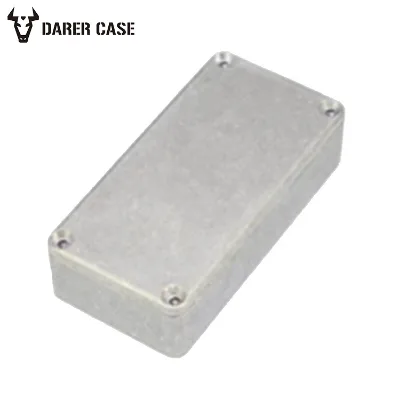
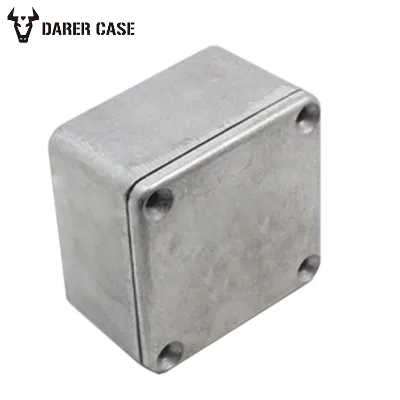


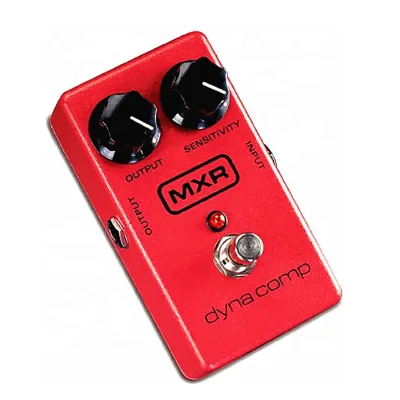
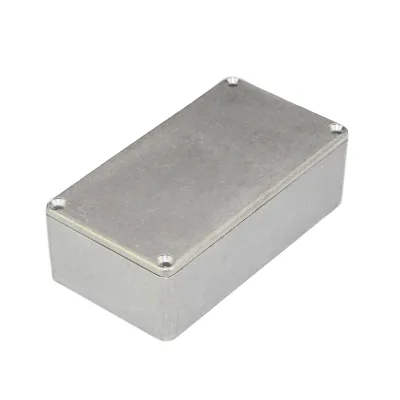
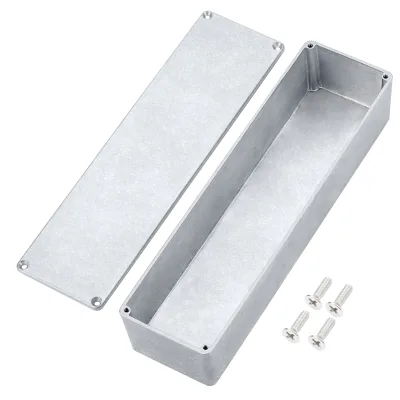
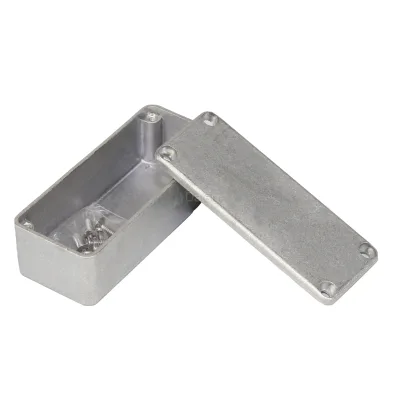
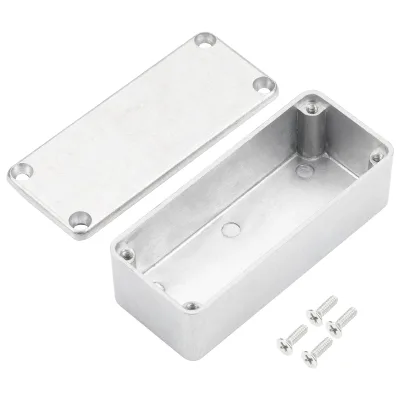
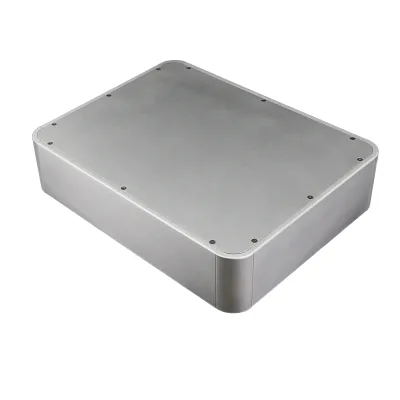
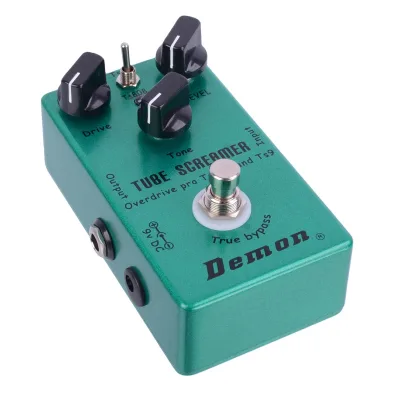


Kinds Guitar Amplifier Clones Accept Valve Tube AMP OEM Chinese Grand AMPS
$1500.68 - $1600.68
MOQ: 1 Pieces

Comprehensive Sourcing Guide
Hammond Clone Guitar Pedal Enclosure Sourcing Guide
Sourcing Hammond-style aluminum enclosures for guitar effects pedals requires a disciplined approach to verifying dimensional accuracy and material integrity. These enclosures serve as the structural foundation for custom pedal builds, providing the necessary shielding and mounting points for switches, jacks, and potentiometers. Buyers must recognize that while the form factor is standardized, the manufacturing tolerances and surface finishes vary significantly between suppliers. The primary objective is to secure units that fit standard pedal boards and battery compartments without requiring extensive modification, thereby reducing assembly time and material waste.
The procurement process involves navigating a wide range of product listings that often use generic terminology such as "Hammond clone" or "die-cast aluminum." It is critical to distinguish between actual die-cast aluminum and extruded or stamped alternatives, as the latter may lack the rigidity and electromagnetic interference (EMI) shielding properties required for high-fidelity audio applications. Buyers should focus on suppliers who provide precise external dimensions and weight specifications, as these metrics are strong indicators of manufacturing quality and material density.
Product Scope and Observed Listing Signals
The market for these enclosures presents a diverse array of models, with observed listings ranging from compact units to larger control boxes. Data indicates a price range of $0.09 to $1,600.68 USD, reflecting variations in size, customization options, and order quantities. Minimum Order Quantities (MOQs) typically start at 1 piece, allowing for prototyping, but scale up to 500 pieces for bulk production runs. This flexibility supports both individual builders and large-scale pedal manufacturers, though bulk pricing structures often require negotiation to achieve optimal cost efficiency.
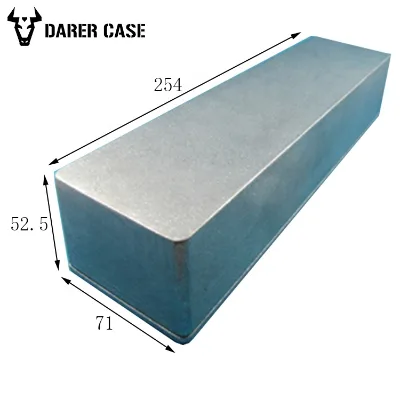
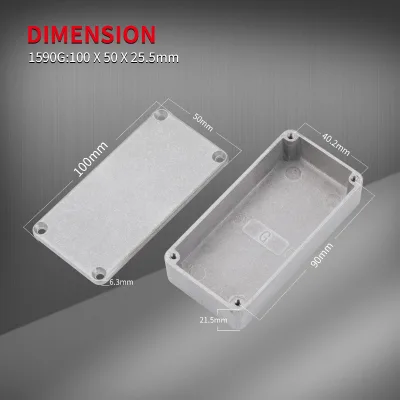
Product attributes observed in the market include specific model numbers like 1590G, 1590LB, and 1032L, each corresponding to distinct physical dimensions. For instance, the 1590G model features an external size of 1005024mm, while the 1032L is significantly larger at 2547152.5mm. Buyers should note that weight varies considerably, from 150g for smaller enclosures to 435g for heavier-duty versions. These physical characteristics directly impact the internal space available for circuitry and the overall weight of the finished pedal, which is a key consideration for stage performance and portability.
Technical Specifications to Verify
Dimensional accuracy is the most critical technical specification for guitar pedal enclosures. The standard Hammond 1590B form factor is widely replicated, but deviations in length, width, or height can prevent proper mounting of standard hardware. Buyers must verify that the external dimensions match the required internal volume for their specific circuit design. For example, the 1590BB2 model is listed with dimensions of 1209438mm, which differs from the classic 1590B size. Confirming these measurements against the pedal board layout and battery compartment requirements is essential to avoid fitment issues during assembly.
Material composition and surface finish also play a vital role in the performance and longevity of the enclosure. Most high-quality clones are made from aluminum alloy, offering a balance of durability and weight. The IP54 rating observed in some listings indicates a level of protection against dust and water splashes, which is beneficial for stage use. Additionally, surface treatments such as silk printing, laser engraving, or anodizing affect both aesthetics and corrosion resistance. Buyers should request samples to inspect the thickness of the aluminum and the precision of pre-drilled holes, which are often specified with tolerances of 0.2mm for the body and 0.05mm for the holes.
Compliance and Safety Documentation
While guitar pedal enclosures are generally low-voltage devices, compliance with manufacturing standards ensures consistent quality and material safety. Certifications such as ISO9001 are commonly cited by suppliers, indicating that the manufacturer adheres to international quality management systems. This certification is particularly important for bulk buyers who require consistent product quality across large production runs. Buyers should verify the validity of these certifications and request copies of the quality management documentation to ensure the supplier maintains rigorous production controls.
Electromagnetic compatibility (EMC) is an implicit requirement for aluminum enclosures used in audio equipment. The aluminum shell acts as a Faraday cage, shielding sensitive audio circuits from external interference. Buyers should confirm that the enclosure provides adequate grounding points and that the metal thickness is sufficient to provide effective shielding. Although specific EMC test results are rarely listed for individual enclosures, the material specification of "Aluminum Alloy" and the presence of grounding tabs are strong indicators of compliance with general audio equipment standards.
Cost Drivers and Commercial Terms
The cost of Hammond clone enclosures is influenced by several factors, including material costs, manufacturing complexity, and order volume. The observed price range suggests that basic, uncustomized units are available at very low prices, while customized options with pre-drilling, painting, or silkscreening command higher premiums. Buyers should analyze the total cost of ownership, which includes shipping, import duties, and potential rework costs due to fitment issues. Bulk orders often benefit from economies of scale, but buyers must balance inventory costs with the risk of obsolescence if design changes occur.
Commercial terms such as packaging and shipping methods also impact the final cost. Enclosures are typically packed in heat shrink bags or cartons, with quantities ranging from 50 to 100 pieces per carton. The single package size and gross weight are critical for calculating shipping costs, especially for air freight. Buyers should negotiate clear terms regarding packaging integrity to prevent damage during transit, as dented or scratched enclosures can lead to customer returns and reputational damage. Additionally, lead times for customized orders should be clarified, as processes like anodizing or laser engraving can extend production schedules.
Supplier Qualification and Quality Control
Supplier qualification begins with verifying the place of origin and manufacturing capabilities. Many suppliers are located in Zhejiang, China, a hub for aluminum die-casting and enclosure manufacturing. Buyers should assess the supplier's production capacity and quality control processes to ensure they can meet demand without compromising quality. Requesting detailed product specifications, including material certificates and tolerance reports, is a standard practice for establishing supplier credibility. Suppliers who offer OEM/ODM services demonstrate flexibility and a willingness to collaborate on custom designs.
Quality control checks should include visual inspection of the enclosure surface for defects such as burrs, scratches, or uneven finishes. Buyers should also verify the accuracy of pre-drilled holes and the presence of necessary accessories, such as screws and rubber feet. Some suppliers offer additional services like polishing or painting, which can enhance the final product's appearance. Implementing a sampling process before placing large orders is recommended to validate the supplier's ability to meet specific quality standards. Establishing a clear communication channel for addressing defects or discrepancies is essential for maintaining a productive supplier relationship.
Long-Term Procurement Checks
Long-term procurement success depends on the ability to maintain consistent supply and quality over time. Buyers should establish regular review cycles to assess supplier performance, including on-time delivery rates, defect rates, and responsiveness to issues. Building a relationship with a reliable supplier can lead to better pricing, priority production, and access to new product developments. It is also important to monitor market trends and technological advancements in enclosure manufacturing, such as new materials or finishing techniques, to stay competitive.
Sustainability and ethical sourcing are increasingly important considerations for B2B buyers. Buyers should inquire about the supplier's environmental policies, including waste management and energy usage in the manufacturing process. Ensuring that the supply chain is transparent and free from unethical practices is crucial for maintaining brand integrity. Regular audits and site visits, if feasible, can provide valuable insights into the supplier's operations and commitment to quality and sustainability. By focusing on these long-term factors, buyers can build a resilient and efficient procurement strategy for Hammond clone guitar pedal enclosures.
FAQs
What are the dimensions of the 1590G aluminum enclosure?
The 1590G model measures 100 by 50 by 24 millimeters externally. This compact size fits standard guitar pedal applications while maintaining structural integrity for internal components.
Can I order these enclosures with a minimum quantity of one?
Yes, the minimum order quantity is one piece for the 1590G model. This allows buyers to test samples before committing to larger bulk orders for production runs.
Which certifications do the aluminum pedal enclosures hold?
The products are certified under ISO9001 standards for quality management. This ensures consistent manufacturing processes and reliable quality control across all supplied aluminum enclosure units.
What customization options are available for the housing color?
Customization is available for housing colors including plain, black, and white finishes. Additional services like silk printing, laser engraving, and pre-drilling holes can also be arranged.
How much does the 1032L die cast enclosure weigh?
The 1032L model weighs 420 grams according to product specifications. This weight provides durability for guitar effects pedals while remaining manageable for shipping and handling.
Where are these aluminum enclosures manufactured?
The products originate from Zhejiang, China, specifically Yueqing. This location is a known hub for manufacturing electronic enclosures and metal components for the global market.
What is the IP rating for the aluminum enclosure protection?
The enclosures meet an IP54 protection grade standard. This rating indicates resistance to dust and water splashes, suitable for various environmental conditions during use.