Source Nourishing Moisturizing Hand Cream and Lip Balm for Travel
Explore 30 options for Nourishing Moisturizing Hand Cream and Lip Balm, featuring waterproof formulas, mineral ingredients, and customizable packaging. Compare specifications from Chinese manufacturers to find suitable lip care solutions for daily use.
Key considerations
Products List


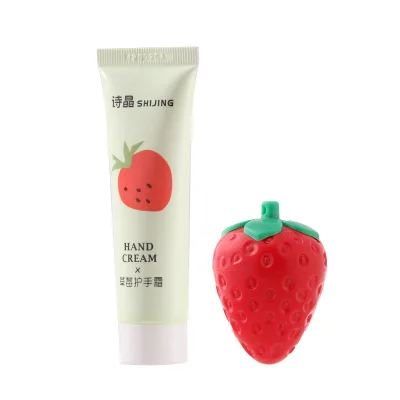


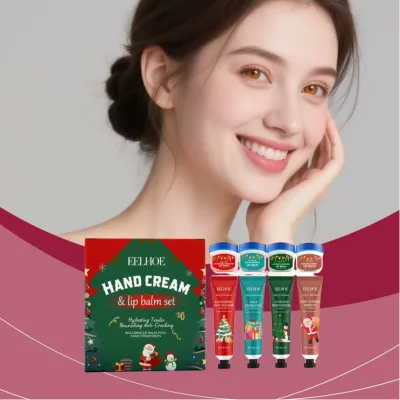


Premium Custom Moisturizing Natural Vegan Lip Balm for Dry Cracked Lips
$0.82 - $1.18
MOQ: 5000 Pieces
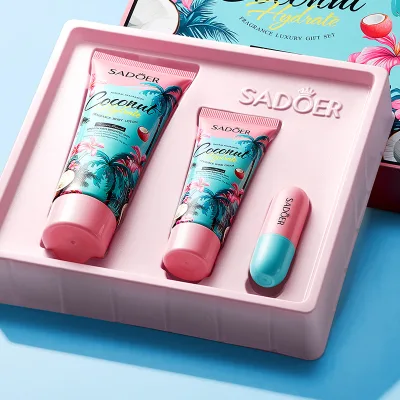
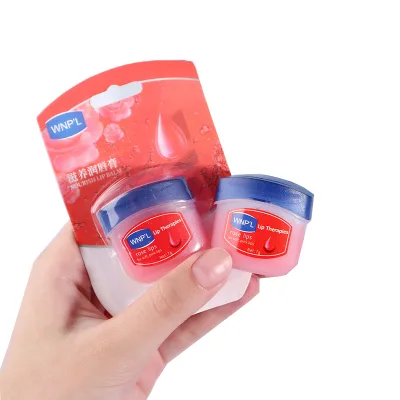
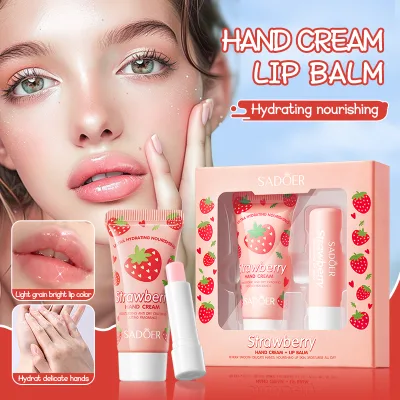


Comprehensive Sourcing Guide
Nourishing Moisturizing Hand Cream and Lip Balm Sourcing Guide
Sourcing personal care products like lip balms and hand creams requires a disciplined approach to balancing aesthetic appeal with functional efficacy. Buyers must navigate a market where claims of "natural," "organic," and "moisturizing" are prevalent, yet the actual ingredient profiles and manufacturing standards vary significantly. This guide focuses on the specific signals observed in current listings, such as the prevalence of mineral-based formulas, waterproof features, and specific packaging formats like pencils and sticks. By understanding these observed attributes, procurement teams can better align their technical requirements with supplier capabilities, ensuring that the final product meets both regulatory standards and consumer expectations for hydration and protection.
The distinction between lip care and hand care often blurs in general personal care sourcing, but the specific product data highlights a strong focus on lip-centric formulations. Observed models include moisturizing lip balms, repair balms, and sunscreen variants, often packaged in boxes or standard units with weights ranging from 3g to 4g. While hand creams are part of the broader category, the immediate supply signals emphasize lip care products with features like waterproofing, vegan ingredients, and specific certifications such as ISO and GMP. Buyers should recognize that while the core keyword includes hand cream, the current market inventory heavily favors lip balms with multi-colored or single-color options, requiring careful specification to ensure the desired product type is actually being procured.
Product Scope and Observed Listing Signals
The current market landscape for nourishing and moisturizing personal care items shows a clear dominance of lip balm variants over traditional hand creams. Listings frequently highlight products with specific forms such as pencils, sticks, and creams, with a notable emphasis on mineral-based main ingredients. These products are often marketed with a suite of features including moisturizing, natural, organic, and vegan properties, catering to a growing demand for clean beauty. The observed color options range from multi-colored to single-color designs, allowing for brand differentiation, while the primary function often centers on repairing chapped dry lips or providing lasting hydration. Buyers should prioritize these observed attributes when defining their product requirements, as they represent the most common offerings in the current supply chain.
Packaging and physical specifications are critical differentiators in this category, with observed data pointing to specific weight and volume standards. Products are commonly standardized at 3g, 3.8g, or 4g for lip balms, with some variants offering 15ml volumes in different forms. The packaging is typically described as box or normal package, with single package sizes indicating bulk shipping dimensions such as 59x48.5x50 cm. These physical constraints directly impact logistics and shelf placement, making it essential for buyers to verify the exact net weight and gross weight of each unit. The presence of specific model numbers like 9855A and brand names such as Shijing suggests that many suppliers offer OEM or private label opportunities, allowing buyers to customize the product while leveraging established manufacturing templates.
Technical Specifications to Verify
Verifying the physical form and ingredient composition is the first step in ensuring product quality. Buyers must confirm whether the product is delivered as a pencil, stick, or cream, as this affects application and user experience. The main ingredients should be clearly defined, with observed listings highlighting mineral, herbal, and chemical components, as well as additives like Vitamin E, honey, and sugar. It is crucial to distinguish between products that claim to be organic or vegan and those that contain synthetic chemicals, as this distinction impacts marketing claims and target demographics. Additionally, the flavor profile, often listed as fruit or specific scents, should be verified to ensure it aligns with consumer preferences and does not conflict with any allergen warnings.
Packaging and volume specifications require precise attention to avoid discrepancies between ordered and received goods. The standard weight for lip balms is typically 3g or 4g, but some variants may differ, so buyers must specify the exact gram weight in their purchase orders. Volume measurements, such as 15ml, should be cross-referenced with the physical dimensions of the packaging to ensure compatibility with retail displays. The single gross weight and package size are vital for calculating freight costs and warehouse storage requirements. Buyers should also verify the customization options available, such as logo printing or custom packaging designs, to ensure that the supplier can meet their branding needs without compromising the structural integrity of the product.
Compliance and Safety Documentation
Regulatory compliance is non-negotiable in the personal care industry, and buyers must ensure that suppliers provide the necessary certifications. Observed listings frequently mention certifications such as ISO, GMP, MSDS, and FDA, which indicate adherence to quality management and safety standards. However, the presence of these certifications on a listing does not guarantee that every batch or product variant is compliant, so buyers must request valid certificates for the specific products they intend to purchase. It is essential to verify that the certifications are current and issued by recognized bodies, as outdated or invalid certificates can lead to regulatory issues in the destination market.
Safety data sheets (SDS) and material safety data sheets (MSDS) are critical for understanding the chemical composition and handling requirements of the products. Buyers should request these documents to assess the potential risks associated with the ingredients, such as mineral oils, herbal extracts, or chemical preservatives. The presence of ingredients like Vitamin E and honey suggests a focus on nourishing properties, but buyers must also be aware of potential allergens or irritants. Additionally, compliance with local regulations in the destination country, such as labeling requirements and ingredient restrictions, must be verified to ensure that the products can be legally sold and distributed.
Cost Drivers and Commercial Terms
Pricing in the personal care sector is influenced by a variety of factors, including ingredient quality, packaging complexity, and order volume. The observed price range of $0.12 to $10.33 USD reflects the diversity of products available, from basic mineral-based balms to more complex formulations with organic or vegan certifications. Buyers should understand that lower prices may correspond to simpler formulations or standard packaging, while higher prices may indicate premium ingredients, custom branding, or specialized features like waterproofing or sun protection. It is important to request detailed quotes that break down the cost of materials, labor, and packaging to identify potential areas for cost optimization.
Minimum order quantities (MOQ) and payment terms are key commercial considerations that impact cash flow and inventory management. Observed MOQs range from 1 to 5000 pieces, with specific listings indicating MOQs of 50 or 100 pieces for certain variants. Buyers should negotiate MOQs that align with their sales forecasts and storage capacity, avoiding overstocking while ensuring consistent supply. Payment terms, such as deposits or letters of credit, should be structured to mitigate risk, especially when dealing with new suppliers. Additionally, buyers should clarify any additional costs for customization, such as logo printing or custom packaging, to avoid unexpected expenses during the procurement process.
Supplier Qualification and Quality Control
Supplier qualification is a critical step in ensuring the reliability and consistency of the supply chain. Buyers should verify the supplier's manufacturing capabilities, including their production capacity, quality control processes, and experience in the personal care industry. The observed origin of products in Guangdong, China, suggests a concentration of manufacturing expertise in this region, but buyers should still conduct thorough due diligence to assess the supplier's reputation and track record. Requesting samples before placing large orders is essential to evaluate the product's quality, texture, and performance, ensuring that it meets the specified requirements.
Quality control measures should be established to monitor the production process and ensure that the final products meet the agreed-upon standards. Buyers should implement incoming quality inspections to verify that the received goods match the specifications in terms of weight, volume, and packaging. Additionally, periodic audits of the supplier's facility can help identify potential issues with hygiene, safety, and production efficiency. Establishing a clear communication channel with the supplier for addressing defects or discrepancies is also crucial for maintaining a smooth procurement process. Buyers should also consider third-party inspection services for large orders to provide an independent assessment of product quality.
Long-Term Procurement Checks
Long-term procurement success depends on continuous monitoring of supplier performance and market trends. Buyers should regularly review supplier metrics, such as on-time delivery rates, product quality consistency, and responsiveness to issues, to identify any areas for improvement. Building a strong relationship with the supplier can lead to better pricing, priority production, and access to new product innovations. Additionally, staying informed about changes in regulatory requirements and consumer preferences is essential for adapting the procurement strategy to meet evolving market demands.
Sustainability and ethical sourcing are increasingly important factors in the personal care industry. Buyers should evaluate their suppliers' commitment to sustainable practices, such as the use of eco-friendly packaging, ethical ingredient sourcing, and waste reduction initiatives. This not only aligns with consumer values but also mitigates reputational risks associated with unsustainable practices. By incorporating these long-term checks into their procurement strategy, buyers can ensure that their supply chain remains resilient, compliant, and aligned with their brand's values and objectives.
FAQs
What certifications do the lip balms hold?
The products hold ISO, GMP, and FDA certifications. Some listings also include MSDS certification. These standards ensure safety and quality for international buyers seeking compliant cosmetic ingredients.
Can I customize the lip balm packaging?
Customization is available for these lip balm products. Buyers can request specific packaging formats like boxes or normal packages. This allows brands to tailor the presentation to their market needs.
What is the minimum order quantity for these items?
The minimum order quantity ranges from 50 to 100 pieces depending on the specific product model. Some listings indicate an MOQ of 50 pieces while others require 100 pieces. Buyers should verify the exact requirement for their selected item.
Which ingredients are used in the moisturizing balms?
Ingredients include Vitamin E, mineral components, herbal extracts, sugar, and honey. Some formulations also contain chemical additives. These natural and functional ingredients provide moisturizing and nourishing benefits for dry lips.
How are the lip balms packaged for shipment?
Products are typically packed in boxes or normal packages. Single package sizes vary, with some specifications noting dimensions like 59x48.5x50 cm for bulk units. Shipping options include DHL, FedEx, UPS, and EMS for delivery.
What forms do the lip care products take?
The lip care products come in pencil, stick, cream, and balm forms. Specific models include moisturizing lip balm and sunscreen lip balm. This variety allows buyers to select the texture and application method that suits their customers.