Source Organic Fruit Plant Hand Cream for moisturizing, whitening, and anti-aging
Find 30 listings for Organic Fruit Plant Hand Cream featuring moisturizing, whitening, and nourishing properties. Buyers can compare OEM options, certifications like FDA and GMP, and packaging sizes ranging from 30ml to 50ml from verified Chinese manufacturers.
Key considerations
Products List


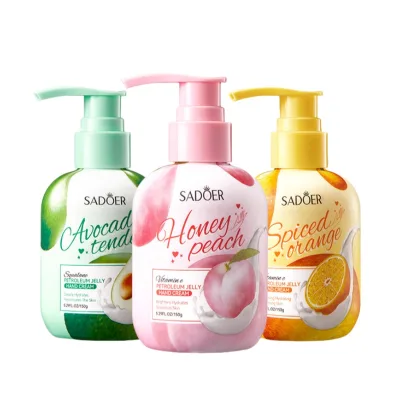
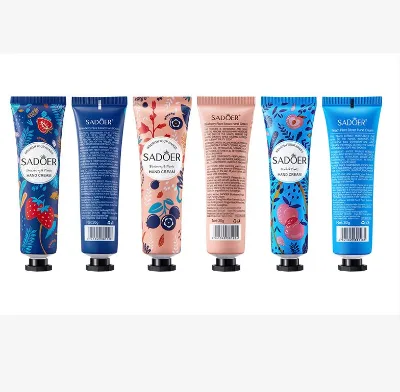


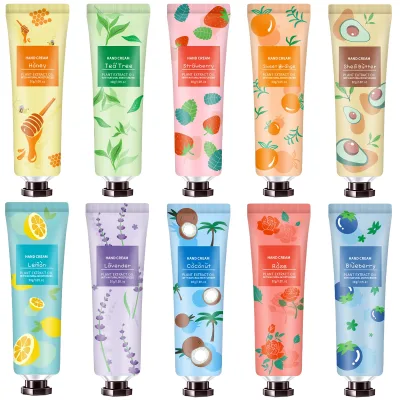


Comprehensive Sourcing Guide
Organic Fruit Plant Hand Cream Sourcing Guide
Sourcing hand creams with botanical or fruit-derived ingredients requires a disciplined approach to balancing marketing claims with verifiable formulation facts. Buyers must distinguish between products that use actual fruit extracts and those that rely on synthetic fragrances to mimic natural scents. The observed market data indicates a wide variance in product positioning, ranging from basic moisturizing creams to specialized formulations targeting anti-aging and skin revitalization. Understanding these distinctions is critical for aligning procurement with brand identity and regulatory requirements in target markets.
This guide focuses on the technical, compliance, and commercial aspects of sourcing hand creams, particularly those marketed with natural or fruit-based attributes. While the term "organic" is frequently used in marketing, buyers must verify specific certifications and ingredient lists to ensure authenticity. The following sections provide a structured framework for evaluating suppliers, verifying specifications, and managing risks associated with private label and OEM manufacturing in the personal care sector.
Product Scope and Observed Listing Signals
The current market landscape for hand creams includes a diverse array of formulations, with observed product models such as HC051, HC101, and LD2023121407 representing different manufacturing batches or design iterations. Listings frequently highlight features such as moisturizing, nourishing, whitening, and anti-aging benefits, often supported by key ingredients like aloe vera, pearl extract, and shea butter. These ingredients are commonly associated with skin hydration and revitalization, appealing to consumers seeking both functional care and sensory experience. Buyers should note that while "fruit" or "floral" flavors are advertised, the actual presence of organic fruit extracts varies significantly between suppliers.
Packaging and presentation play a crucial role in the perceived value of hand cream products. Observed data shows a mix of plastic bottles and glass containers, with standard volumes ranging from 30ml to 50ml. Some suppliers offer customized sizes, including 35ml and 50g options, to meet specific market demands. The packaging material not only affects the product's aesthetic appeal but also its shelf life and protection against environmental factors. For brands emphasizing natural or organic qualities, the choice between plastic and glass can signal different levels of premium positioning, with glass often perceived as more eco-friendly or high-end.
Technical Specifications to Verify
Verifying the physical and chemical specifications of hand creams is essential to ensure product consistency and performance. Buyers should request detailed technical data sheets that outline the exact composition of the cream, including the concentration of active ingredients such as aloe vera or shea butter. The observed product attributes indicate that formulations are designed for various skin types, including normal, dry, oily, sensitive, and combination skin. It is important to confirm that the product is suitable for the intended demographic, whether it is targeted at adults, females, or all ages, as this impacts the formulation's pH balance and ingredient selection.
The form and texture of the hand cream are critical user experience factors. Most observed products are in cream form, designed for day use and offering features like lightening, firming, and anti-wrinkle effects. Buyers should verify the viscosity and spreadability of the cream to ensure it meets consumer expectations for quick absorption without greasiness. Additionally, the fragrance profile, whether fruity, floral, or unscented, should be matched with the brand's identity. For products claiming natural origins, buyers must request proof of the source and purity of the fruit or plant extracts used, as synthetic alternatives are common in cost-effective formulations.
Compliance and Safety Documentation
Compliance with international safety and quality standards is non-negotiable for hand cream procurement. The observed listings frequently mention certifications such as FDA, GMP, MSDS, CE, SGS, and FSC. These certifications indicate that the manufacturer adheres to specific regulatory frameworks for production quality, material safety, and environmental standards. Buyers must verify the validity and scope of these certifications, ensuring they cover the specific product lines and manufacturing facilities being sourced. For instance, FDA registration is crucial for products intended for the US market, while CE marking is required for European distribution.
Material Safety Data Sheets (MSDS) provide critical information on the chemical composition and handling requirements of the hand cream. Buyers should review MSDS documents to identify any potential allergens or irritants, especially for products marketed as suitable for sensitive skin. Additionally, certifications like SGS and FSC suggest adherence to rigorous testing and sustainable sourcing practices. It is important to note that while some listings mention "organic" or "natural" claims, buyers must request specific organic certifications, such as USDA Organic or Ecocert, to substantiate these marketing claims. Without such documentation, "organic" may be used loosely, potentially leading to regulatory issues or consumer distrust.
Cost Drivers and Commercial Terms
The cost of hand cream procurement is influenced by several factors, including ingredient quality, packaging complexity, and order volume. Observed price ranges vary significantly, reflecting differences in formulation sophistication and brand positioning. Minimum Order Quantities (MOQs) typically range from 50 to 10,000 pieces, offering flexibility for both small startups and large retailers. Buyers should negotiate MOQs based on their sales forecasts and storage capabilities, keeping in mind that lower MOQs may come with higher per-unit costs. Customization options, such as private labeling and unique packaging, can also impact pricing, so it is important to clarify all customization fees upfront.
Commercial terms, including payment methods, lead times, and shipping arrangements, are critical for supply chain planning. Most suppliers offer OEM/ODM services, allowing brands to create unique products tailored to their market. Buyers should establish clear agreements on quality control checkpoints and inspection rights before production begins. Additionally, understanding the supplier's production capacity and lead times is essential for managing inventory levels and meeting seasonal demand. For products with perishable ingredients or specific storage requirements, buyers should confirm the shelf life and storage conditions to minimize waste and ensure product integrity upon arrival.
Supplier Qualification and Quality Control
Selecting a reliable supplier involves a thorough evaluation of their manufacturing capabilities, quality management systems, and track record. Buyers should prioritize suppliers with proven experience in producing hand creams and a strong portfolio of successful OEM/ODM projects. Requesting samples is a crucial step to assess product quality, packaging durability, and overall user experience. It is also important to verify the supplier's ability to maintain consistency across production batches, especially for products with natural ingredients that may vary in quality.
Quality control processes should be clearly defined and agreed upon before production. Buyers should implement pre-production, during-production, and pre-shipment inspections to ensure compliance with specifications. For products claiming specific benefits like anti-aging or whitening, buyers may request third-party testing reports to validate efficacy claims. Additionally, suppliers should provide documentation on their raw material sourcing, ensuring that ingredients are sourced from reputable suppliers and meet safety standards. Establishing a strong relationship with the supplier through regular communication and performance reviews can help mitigate risks and ensure long-term supply chain stability.
Long-Term Procurement Checks
Long-term success in hand cream procurement requires ongoing monitoring of market trends, regulatory changes, and supplier performance. Buyers should stay informed about evolving consumer preferences for natural, organic, and sustainable products, adjusting their sourcing strategies accordingly. Regular audits of supplier facilities and quality management systems can help identify potential issues early and ensure continuous compliance with standards. Additionally, buyers should diversify their supplier base to reduce dependency on a single source and mitigate risks associated with supply chain disruptions.
Continuous improvement in product offerings is essential for maintaining competitiveness. Buyers should work closely with suppliers to innovate new formulations, packaging designs, and marketing strategies that resonate with target audiences. Feedback from customers and market analysis can provide valuable insights for product development and refinement. By maintaining a proactive approach to procurement and fostering strong supplier relationships, buyers can ensure a steady supply of high-quality hand creams that meet both regulatory requirements and consumer expectations.
FAQs
What certifications do the hand creams have?
The products hold FDA, GMP, and MSDS certifications. Some listings also include CE, SGS, and FSC approvals. These documents verify safety and manufacturing standards for international trade.
Can I customize the packaging and branding?
Yes, customization and OEM services are available for this hand cream. Buyers can request specific packaging like cartons or glass bottles. Private labeling options support unique brand requirements.
What are the available product sizes and models?
Standard sizes include 30ml, 35ml, and 50ml variants. Specific models such as HC051, hc101, and LD2023121407 are listed. Customized sizes are also possible upon request from the manufacturer.
Where are these hand creams manufactured?
Products originate from China, specifically Zhejiang and Guangdong provinces. Factories in these regions supply the hand creams with various certifications. Buyers should verify specific factory locations during sourcing.
What are the main ingredients used in the cream?
Key ingredients include Aloe Vera, Pearl, and Shea Butter. Some formulations feature fruity or floral fragrances. The products are designed to be cruelty-free and suitable for various skin types.
What is the minimum order quantity for these products?
The minimum order quantity ranges from 50 to 10,000 pieces depending on the supplier. Some specific listings require a minimum of 1,000 pieces. Buyers should confirm exact MOQs before placing orders.
Which skin types are suitable for this hand cream?
The cream is suitable for normal, dry, oily, sensitive, and combination skin types. It offers moisturizing, nourishing, and anti-aging benefits. The formula aims to repair dry skin and provide hydration.