Find Hand Knitting Ladder Yarn for scarves, shawls, and weaving
Source 30 listings of Hand Knitting Ladder Yarn from verified suppliers. Compare specifications including material, yarn count, and features like anti-pilling to find the right option for scarves, shawls, and textile weaving projects.
Key considerations
Products List
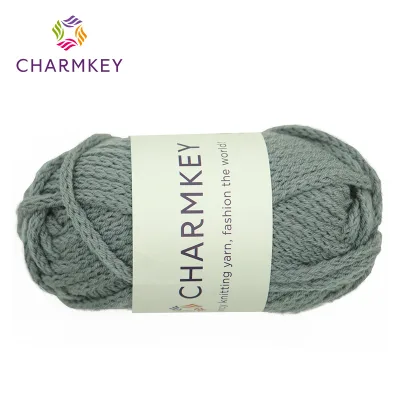
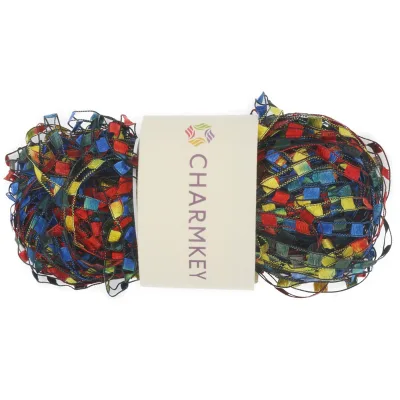
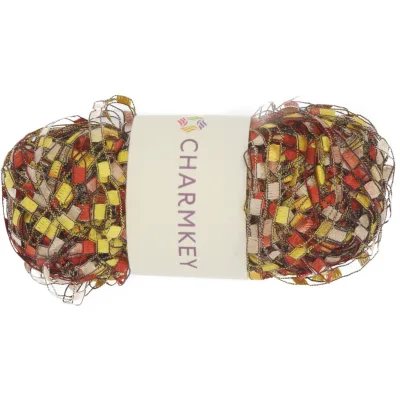


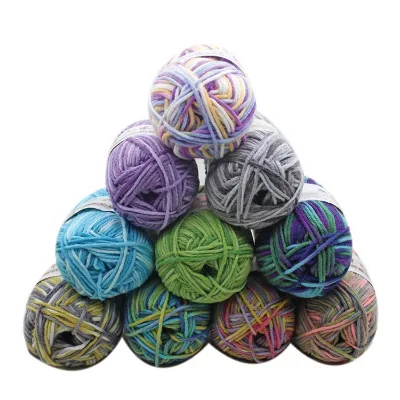


Comprehensive Sourcing Guide
Strategic Sourcing Guide for Hand Knitting Ladder Yarn
Understanding Technical Specifications and Material Composition
When sourcing Hand Knitting Ladder Yarn, the primary objective is to align the technical attributes of the product with the specific requirements of the intended craft. The market offers distinct variations in material composition, yarn construction, and physical properties that directly influence the final textile outcome. Based on available market data, the core material composition for these products typically falls into two main categories: 100% Acrylic and 100% Polyester. Buyers must verify the specific material declaration for each lot, as the choice between acrylic and polyester dictates the hand feel, durability, and care requirements of the finished item.
The yarn count is a critical technical parameter that determines the thickness and weight of the strand. In the current market, specific listings indicate a yarn count of Nm1/0.16 for certain acrylic variants, while other fancy ladder yarns are specified as 1/2 for knitting ladder applications. This variation suggests that "ladder yarn" is not a single standardized thickness but a style that can be engineered in different gauges. The twist level is generally described as "Regular," which provides a balance between stability and the necessary loft for knitting. Furthermore, the yarn type is frequently identified as either Filament or DTY (Draw Texturized Yarn), with DTY offering a texturized structure that enhances the softness and volume of the fabric.
The physical dimensions of the yarn package are also essential for logistics and production planning. Standard single package sizes observed in the market range from 15x10x10 cm to 20x15x15 cm. The weight per unit varies significantly, with some samples weighing as little as 100 grams per single unit, while others, such as those packaged in balls or skeins, may have a single gross weight of 0.800 kg. The length of the yarn per unit is another variable; for instance, specific polyester ladder yarns are noted to have a length of 98 meters per 50 grams, whereas other acrylic variants may offer 16 meters per unit. Buyers must cross-reference these metrics with their pattern requirements to ensure they purchase the correct quantity to complete a project without excessive waste or shortage.
Compliance Verification and Certification Standards
In the global textile trade, compliance with international safety and environmental standards is a non-negotiable aspect of procurement, particularly for products intended for consumer use in apparel and accessories. When sourcing Hand Knitting Ladder Yarn, buyers should prioritize suppliers who can provide documented evidence of adherence to recognized certification frameworks. The market data indicates that high-confidence certifications for these products include the OEKO-TEX standard, BCSI, BV Test Report, and SGS TEST REPORT. These certifications serve as third-party validations that the yarn has been tested for harmful substances, ensuring it is safe for skin contact and suitable for products like scarves and shawls.
The OEKO-TEX standard, in particular, is a widely recognized benchmark for textile safety. While the specific classification (e.g., Standard 100) should be verified against the supplier's documentation, the presence of this certification implies that the yarn is free from substances harmful to human health. Similarly, the BCSI and BV Test Reports provide assurance regarding the quality and consistency of the manufacturing process. The SGS TEST REPORT further reinforces the reliability of the product's physical and chemical properties. Buyers must treat these certifications as mandatory verification points rather than optional marketing claims. It is essential to request the actual test reports or certificates for the specific batch being purchased, as certifications can vary by production run and factory location.
Beyond safety, environmental compliance is increasingly important for buyers targeting markets in Europe and North America. Some product listings highlight features such as "Eco-Friendly" and "Recyclable," which align with broader sustainability goals. However, these claims should be substantiated by the aforementioned test reports or specific environmental management system certifications. The presence of an OEKO-TEX standard certification is a strong indicator of compliance, but buyers should not assume that all products labeled as "eco-friendly" automatically meet rigorous international standards without proof. Verification of the certification status for the specific supplier and product line is the only way to mitigate the risk of non-compliance in the final supply chain.
Cost Drivers and Pricing Dynamics
The pricing structure for Hand Knitting Ladder Yarn is influenced by a complex interplay of material costs, production techniques, and order volume. The observed price range in the market is extensive, spanning from $0.06 to $2,200. This wide variance is not indicative of a single product type but rather reflects the difference between small sample units, individual skeins, and bulk industrial orders. The Minimum Order Quantity (MOQ) is a significant driver of unit cost. Market data suggests an MOQ of 100KG per color and 1000KG per order for bulk transactions. Buyers who can meet these volume thresholds will likely access the lower end of the price spectrum, while those purchasing smaller quantities will face higher per-unit costs.
Material composition is another primary cost driver. While both 100% Acrylic and 100% Polyester options are available, the specific grade of the polymer and the complexity of the spinning process can affect the final price. The "Fancy Yarn" classification, which includes the ladder or trellis structure, often commands a premium over standard yarns due to the additional processing required to create the unique texture and appearance. The "Open End / OE" technics mentioned in some listings indicate a specific spinning method that may influence both the cost and the physical characteristics of the yarn. Additionally, the inclusion of special features such as "Anti-Pilling," "Flame Retardant," or "Anti-Bacteria" properties can increase production costs, which are passed on to the buyer.
Packaging and logistics also play a role in the total cost of ownership. The packaging details vary, with options ranging from 50g/ball with paper sleeves to larger polybag and carton configurations. The single gross weight and package dimensions directly impact shipping costs, especially for international buyers. For instance, a product with a single gross weight of 0.800 kg and a package size of 15x10x10 cm will have different freight implications compared to a lighter, more compact unit. Buyers should calculate the landed cost, including freight, duties, and insurance, rather than focusing solely on the ex-factory price. The "Supply Ability" of the supplier, noted as 10 tons per month for some knitting ladder yarns, also influences pricing stability; suppliers with higher capacity may offer more competitive rates for large, consistent orders.
Typical Applications and Market Segmentation
Hand Knitting Ladder Yarn is versatile and finds application in a wide range of textile products, primarily driven by its unique structural properties. The primary use cases identified in the market include hand knitting, sewing, knitting, weaving, and embroidery. The specific "ladder" or "trellis" structure of the yarn makes it particularly suitable for creating textured fabrics with openwork patterns, which are highly valued in fashion accessories. Common end products include scarves, shawls, and other garments designed for adult consumers. The "soft and feeling" attribute of the yarn, particularly in polyester variants, makes it ideal for items that require a gentle touch against the skin.
The target market for these products is global, with a strong focus on Western and Northern Europe, America, and Southeast Asia. The "Mainly sells to" data confirms that these regions are the primary destinations for such yarns, suggesting that the product specifications align with the aesthetic and quality expectations of these markets. The "Target buyer" is described as "all adult for Knitting Ladder Yarn," indicating a broad consumer base that values both functionality and style. The "Key words" associated with these products, such as "Tweed Yarn" and "Fancy Yarn," suggest that they are often used in designs that mimic traditional tweed textures or require a decorative, fancy appearance.
The application of the yarn also depends on the specific features of the product. For example, "Flame Retardant" and "Anti-Pilling" features make the yarn suitable for products that require higher durability and safety standards, such as children's wear or home textiles. The "Moisture-Absorbent" property of certain polyester variants enhances comfort in wearable items. Buyers should consider the end-use of the yarn when selecting a supplier, as different applications may require different combinations of strength, evenness, and texture. The "Evenness" of the yarn, described as "good for Knitting Ladder Yarn," is crucial for ensuring consistent results in machine or hand knitting processes.
Supplier Evaluation and Quality Assurance
Selecting the right supplier for Hand Knitting Ladder Yarn requires a rigorous evaluation process that goes beyond price comparisons. The "Place of Origin" for many of these products is Jiangsu, China, a region known for its textile manufacturing capabilities. However, the location alone does not guarantee quality. Buyers should evaluate suppliers based on their "Supply Ability," which is listed as 10 tons per month for some products, indicating the scale of their production capacity. A supplier with a robust supply chain can ensure consistent delivery and meet fluctuating demand.
Quality control is paramount in the textile industry. The "Strength" of the yarn is described as "Standard" or "strong for Knitting Ladder Yarn," but these are qualitative descriptions. Buyers must verify the actual tensile strength and evenness of the yarn through independent testing or by reviewing the supplier's internal quality control reports. The "Evenness" attribute is critical for preventing defects in the final fabric, and suppliers should be able to demonstrate their ability to maintain consistent yarn quality across large batches. The "Feature" list, which includes "High Tenacity," "Anti-Pilling," and "Anti-Insects," should be validated through the provided test reports, such as the SGS or BV reports.
Sample availability is another key factor in supplier evaluation. Most suppliers offer samples, which allows buyers to physically inspect the yarn before committing to a large order. The "Sample" attribute is explicitly mentioned as "Provide," indicating that this is a standard practice. Buyers should request samples of the specific color and texture they intend to use, as the "Color" can vary from solid colors to multiple colors in one skein. The "Single package size" and "Single gross weight" should also be verified against the sample to ensure that the bulk order will match the expected specifications. Finally, the "Port of dispatch," often listed as SHANG HAI, should be considered in the logistics planning to ensure timely delivery.
Long-Term Procurement and Strategic Considerations
Sourcing Hand Knitting Ladder Yarn is not merely a transactional activity but a strategic decision that impacts the long-term success of a buyer's product line. The "Main Markets" data indicates a strong demand in Europe and America, suggesting that buyers should align their sourcing strategy with the regulatory and aesthetic trends of these regions. As sustainability becomes a more significant factor in consumer purchasing decisions, the "Eco-Friendly" and "Recyclable" features of the yarn will likely become more important. Buyers should prioritize suppliers who can demonstrate a commitment to environmental responsibility through certifications and transparent manufacturing practices.
The "Selling Units" are typically listed as "Single item," which allows for flexibility in ordering. However, for long-term procurement, establishing a relationship with a supplier who can handle larger volumes is essential. The "MOQ" of 100KG/color and 1000KG/ORDER suggests that buyers should plan their inventory and production schedules to meet these thresholds. Consistency in the "Yarn Count" and "Twist" is crucial for maintaining product quality over time. Buyers should work with suppliers who have a proven track record of maintaining these specifications across multiple production runs.
Finally, the "Brand Name" associated with the yarn, such as "Charmkey," can influence the perceived value of the final product. While the brand itself may not be the primary driver of the purchase, the reputation of the supplier and the quality of the yarn are critical. Buyers should conduct regular audits and quality checks to ensure that the yarn continues to meet their standards. By focusing on technical specifications, compliance, and supplier reliability, buyers can build a resilient supply chain that supports the long-term growth of their business in the hand knitting and textile sector.
FAQs
What materials are used for Hand Knitting Ladder Yarn?
Hand Knitting Ladder Yarn is typically made from 100% Acrylic or 100% Polyester. Buyers must verify the specific material declaration for each lot as the choice dictates the hand feel and durability of the finished item.
Which certifications ensure safety for Hand Knitting Ladder Yarn?
High-confidence certifications include the OEKO-TEX standard, BCSI, BV Test Report, and SGS TEST REPORT. These serve as third-party validations that the yarn is safe for skin contact and free from harmful substances.
How is the minimum order quantity structured for this yarn?
The standard minimum order quantity is 100KG per color and 1000KG per order. Meeting these volume thresholds allows buyers to access lower unit costs compared to smaller sample purchases.
What are the typical package dimensions and weights?
Single package sizes range from 15x10x10 cm to 20x15x15 cm with weights varying from 0.11 kg to 0.800 kg. Buyers should cross-reference these metrics with pattern requirements to ensure correct project quantities.
Where are the primary manufacturing locations for this yarn?
The primary place of origin for these products is Jiangsu, China. This region is known for its textile manufacturing capabilities, though buyers must evaluate specific supplier quality beyond just the location.
Can I get samples before placing a bulk order?
Suppliers can provide samples for Hand Knitting Ladder Yarn prior to bulk purchase. This allows buyers to verify the softness, evenness, and color consistency before committing to the minimum order quantity.