Source Hand Knitting Chunky Wool Yarn for Sweaters, Scarves & Throws
Compare 28 listings of Hand Knitting Chunky Wool Yarn covering blends like polyester/wool and wool/acrylic, ply structures, color counts, and 100g roll or cone packing. Filter by anti-pilling, recycled, or breathable features, check MOQ ranges, and contact verified Chinese suppliers for customization and quotes.
Key considerations
Products List


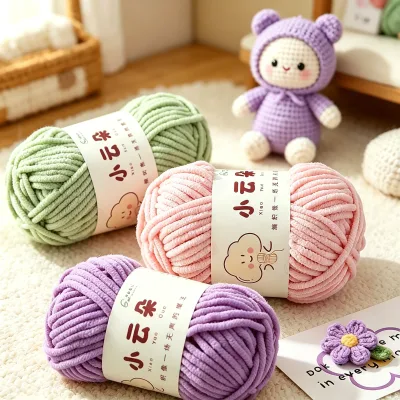
Soft Hand Acrylic Knitting Yarn Chunky Acrylic Yarn Wool Yarn for Knitting and Crochet
$0.15 - $0.50
MOQ: 5000 Pieces




Comprehensive Sourcing Guide
Hand Knitting Chunky Wool Yarn Sourcing Guide
Sourcing Hand Knitting Chunky Wool Yarn requires a nuanced understanding of fiber blends, structural integrity, and supplier transparency. The market offers a diverse array of options, ranging from pure wool to complex blends involving acrylic, polyester, and recycled materials. Buyers must navigate these variations carefully, as the performance characteristics of the final knitted product depend heavily on the specific material composition and yarn construction. This guide provides a structured approach to evaluating suppliers, verifying technical specifications, and ensuring commercial terms align with procurement goals.
The following sections outline the critical steps for sourcing high-quality chunky yarns for hand knitting projects. By focusing on observable listing signals, technical verification, and supplier qualification, buyers can mitigate risks associated with inconsistent quality or non-compliant materials. The guidance is designed to help procurement professionals make informed decisions based on factual data and industry best practices, ensuring that the selected yarn meets both functional requirements and ethical standards.
Product Scope and Observed Listing Signals
The current market landscape for chunky wool yarns reveals a wide spectrum of product attributes, with observed price points ranging from $0.15 to $28.70 per unit. This significant variance suggests that buyers will encounter products at various quality tiers, influenced by factors such as fiber origin, blend complexity, and production volume. The minimum order quantity (MOQ) also varies substantially, spanning from 1 to 5,000 units, indicating that suppliers cater to both small-scale artisans and large-scale industrial buyers. Understanding these ranges is essential for budgeting and planning inventory levels effectively.
Listing signals often highlight specific features such as anti-pilling, high strength, eco-friendliness, and breathability. Many suppliers offer customization options, including color selection, with some listing up to 40 distinct colors or even offering ODM and OEM services. The yarn structures observed include multi-ply, ring-spun, and fancy yarns, with fiber lengths typically described as continuous filament. These attributes suggest that buyers should prioritize suppliers who provide detailed product models, such as "Yaou-Flower camel" or "Yaou-Hand-knitting yarn," to ensure they are evaluating comparable products.
Technical Specifications to Verify
Verifying the material composition is the first critical step in technical evaluation. Listings indicate materials such as polyester/wool blends, wool/acrylic blends, and pure wool options. Buyers must confirm the exact percentage of each fiber, as this directly impacts the yarn’s warmth, durability, and care requirements. For instance, wool/acrylic blends may offer enhanced durability and cost-effectiveness, while pure wool provides superior natural insulation and breathability. The yarn count and type, such as 3-ply blended yarn or 4-layer structures, also play a crucial role in determining the thickness and texture of the final knitted fabric.
Structural and physical properties require close scrutiny to ensure suitability for hand knitting. Attributes such as coarseness, described as medium or fine yarn, and uniformity, often listed as standard, influence the knitting experience and final appearance. Strength is another key factor, with many suppliers claiming "better" or "high" strength, which is vital for preventing breakage during the knitting process. Additionally, features like moisture absorbency, anti-bacterial properties, and abrasion resistance should be verified through supplier documentation or sample testing, as these claims are not always standardized across the industry.
Compliance and Safety Documentation
While specific certifications like OEKO-TEX and GOTS are mentioned in background data, buyers should not assume all suppliers hold these credentials without explicit verification. It is essential to request current certification documents from suppliers to confirm compliance with international safety and environmental standards. These certifications ensure that the yarn is free from harmful substances and that the production processes adhere to sustainable practices. Buyers should treat these certifications as optional but highly desirable attributes, depending on their brand’s ethical commitments and target market requirements.
In the absence of formal certifications, buyers should rely on supplier-provided test reports and material safety data sheets (MSDS). These documents can provide insights into the chemical treatments applied to the yarn, such as anti-pilling or anti-bacterial finishes. Suppliers who are transparent about their production processes and willing to share detailed product information are more likely to deliver consistent quality. Buyers should also verify the origin of the materials, with some suppliers listing origins in China, Ningbo, or Zhenjiang, to assess the reliability of the supply chain.
Cost Drivers and Commercial Terms
Several factors influence the final cost of chunky wool yarn, including material composition, yarn structure, and customization requirements. Blended yarns, such as polyester/wool or wool/acrylic, may offer different price points compared to pure wool options. Customization, including specific colors, packaging, and labeling, can also add to the overall cost. Buyers should request detailed quotations that break down these components to understand the true cost drivers and avoid hidden fees. The observed price range of $0.15 to $28.70 suggests that significant savings can be achieved through strategic sourcing and volume negotiations.
Commercial terms, including delivery times and payment conditions, are critical for effective procurement planning. Suppliers typically offer delivery via sea, air, or combined transportation, with lead times ranging from 10 to 20 days after receiving the deposit. Packaging options vary, with some suppliers using polybags/cartons, woven bags, or customized packaging as requested. Buyers should clarify these terms in the purchase agreement to ensure alignment with their production schedules and logistics capabilities. Understanding the MOQ and lead times is particularly important for managing inventory and avoiding stockouts.
Supplier Qualification and Quality Control
Evaluating supplier qualifications is essential to ensure consistent product quality and reliable service. Buyers should assess the supplier’s production capabilities, including their ability to handle various yarn structures and customization requests. Suppliers who offer a wide range of product models, such as "PCX," "YT," or "yarn," demonstrate versatility and experience in the market. Additionally, suppliers who provide detailed product specifications, such as fiber length, yarn count, and feature lists, are more likely to be transparent and professional in their operations.
Quality control measures should be a key part of the supplier evaluation process. Buyers should inquire about the supplier’s internal quality control procedures, including testing for strength, uniformity, and colorfastness. Requesting pre-production samples is a practical way to verify the quality of the yarn before committing to a large order. Suppliers who are willing to provide samples and respond promptly to quality concerns are more likely to be reliable partners. Buyers should also consider the supplier’s reputation and history in the market, as these factors can provide insights into their reliability and commitment to customer satisfaction.
Long-Term Procurement Checks
Establishing long-term relationships with suppliers requires ongoing monitoring and evaluation. Buyers should regularly review supplier performance based on key metrics such as delivery times, product quality, and responsiveness to issues. Consistent performance in these areas indicates a reliable supplier who can support long-term procurement needs. Buyers should also stay informed about market trends and technological advancements in yarn production, as these factors can influence product availability and pricing.
Continuous improvement in the supply chain is essential for maintaining competitiveness. Buyers should encourage suppliers to adopt sustainable practices and improve their environmental impact, aligning with global trends towards eco-friendly production. Regular communication and feedback loops with suppliers can help identify areas for improvement and foster a collaborative relationship. By focusing on long-term procurement checks, buyers can build a resilient supply chain that supports their business goals and adapts to changing market conditions.
FAQs
What materials are used in this Hand Knitting Chunky Wool Yarn?
The yarn is primarily composed of polyester blended with wool or acrylic fibers. This multi-ply construction ensures durability and softness suitable for various knitting projects. The material selection supports features like breathability and moisture absorption, making it versatile for both machine and hand knitting applications.
Can I customize the color and packaging for bulk orders?
Yes, customization is available for both color and packaging. Buyers can request specific colors from the available options or provide custom requirements. Packaging can be adjusted to polybags, cartons, or woven bags as requested. This flexibility supports OEM and ODM needs for diverse sourcing requirements.
What is the typical lead time for delivery after deposit?
The standard delivery time is 10 to 20 days after receiving the deposit. Shipping methods include sea freight, air freight, or combined transportation options. This timeline allows for efficient production and logistics planning, ensuring timely arrival of goods for your knitting projects or retail inventory needs.
What are the key features of this fancy yarn structure?
This ring-spun fancy yarn offers high strength, anti-pilling properties, and abrasion resistance. It is also eco-friendly and breathable, with moisture-absorbing capabilities. The medium coarseness and continuous filament structure provide a stable texture ideal for knitting, weaving, and hand knitting applications requiring durability and comfort.
Where is this yarn manufactured and shipped from?
The yarn originates from China, specifically from regions like Ningbo and Zhenjiang. These locations are known for robust textile manufacturing capabilities. Products are shipped globally via sea or air freight, ensuring reliable supply chain connectivity for international buyers seeking high-quality knitting materials.
What is the minimum order quantity for this yarn?
The minimum order quantity ranges from 1 to 5000 units, depending on the specific product model and customization requirements. This flexible MOQ allows small buyers to test samples while accommodating large-scale industrial orders. Buyers should confirm exact MOQs with suppliers based on their specific yarn type and packaging needs.