Source Hand Made Plush Slipper for Indoor, Winter, and Christmas
Compare 30 listings for Hand Made Plush Slipper options featuring TPR soles, plush uppers, and customization availability. Buyers can review models like LB-1012 and TS-1019 with CE and EN71 certifications for winter and Christmas occasions.
Key considerations
Products List


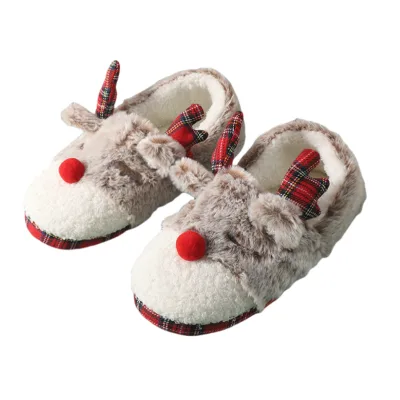
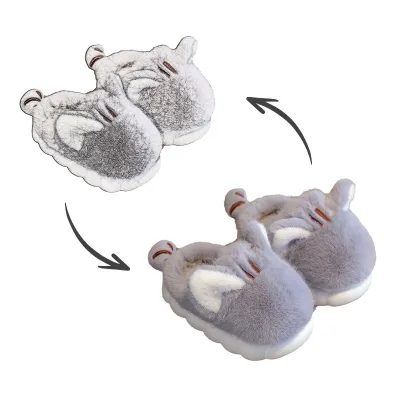

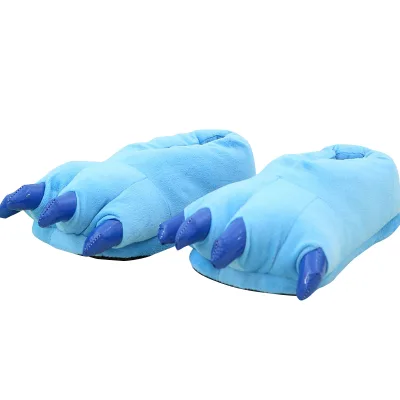
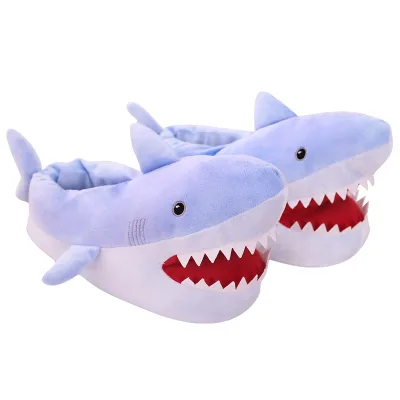


Pure Color Upper Women Slipper with Plush Inner for Your Feet Warm in Winter
$2.49 - $2.55
MOQ: 1000 Pairs


Comprehensive Sourcing Guide
Hand Made Plush Slipper Sourcing Guide
Sourcing hand-made plush slippers requires a nuanced understanding of the intersection between artisanal craftsmanship and scalable manufacturing processes. Unlike mass-produced footwear, these products rely heavily on manual assembly, which introduces variability in sizing, stitching density, and material consistency. Buyers must recognize that "hand-made" is often a marketing descriptor that may coexist with semi-automated cutting or finishing steps. The core value proposition lies in the tactile quality of the plush upper and the comfort provided by the sole, but this comes with the trade-off of longer production cycles and higher unit costs. Procurement teams need to establish clear definitions of what constitutes "hand-made" within their specific supply chain agreements to avoid disputes over quality standards and delivery timelines.
The market for these items spans diverse sectors, from luxury home goods to promotional merchandise and seasonal gifts. Observed listings indicate a strong presence in the winter season category, with products designed for indoor use and unisex appeal. The material composition typically involves leather components paired with super soft plush uppers, creating a hybrid product that balances durability with comfort. Buyers should note that customization is widely available, allowing for tailored designs, colors, and packaging. This flexibility makes hand-made plush slippers an attractive option for brands seeking unique, high-margin products, but it also demands rigorous communication with suppliers to ensure that custom specifications are accurately translated from design concepts to physical samples.
Product Scope and Observed Listing Signals
The current market landscape for hand-made plush slippers reveals a wide range of product variations, with observed price points ranging from $0.30 to $6.80 USD per unit. This broad spectrum suggests significant differentiation based on material quality, complexity of design, and order volume. The minimum order quantity (MOQ) varies considerably, starting from as low as one unit for sampling or small boutique orders up to 2,000 units for larger commercial batches. Buyers should interpret these signals as indicators of a flexible supply chain that can accommodate both niche, high-value orders and larger, cost-sensitive volumes. Understanding where a specific supplier falls within this range is critical for budgeting and inventory planning, as lower prices often correlate with higher MOQs or simpler construction methods.
Product attributes observed in listings highlight specific construction details that buyers must verify. Common features include TPR (Thermoplastic Rubber) outsoles, which offer flexibility and slip resistance, and plush uppers that provide warmth and comfort. The products are generally non-disposable and designed for repeated indoor use, with some items explicitly labeled as hand-made. Additionally, there is a notable overlap with plush toy categories, where animal designs and custom branding are prevalent. Buyers should be cautious when evaluating listings that blend slipper and toy attributes, as this may indicate a hybrid product category that requires specific safety and durability testing protocols different from standard footwear.
Technical Specifications to Verify
Verifying technical specifications is paramount when sourcing hand-made plush slippers, as manual production can lead to inconsistencies in dimensions and material thickness. Key specifications to confirm include the exact model numbers, such as LB-1012, LB-1059, and TS-1019, which often correspond to specific design templates or size runs. Buyers should request detailed size charts, noting that standard sizes may range from 36 to 42, but custom sizes are frequently available. The packing specifications are also critical, with common practices including one pair per polybag and 12 pairs per carton, or alternative packaging like cartons for bulk orders. These details impact logistics, storage, and retail presentation, so they must be aligned with the buyer’s distribution strategy.
Material composition and finishing processes require close scrutiny to ensure product quality and longevity. The upper materials are often described as plush or super soft plush, while some products incorporate leather elements. Buyers should verify the surface finishing, such as matte varnishing, which can affect the aesthetic appeal and durability of the product. Additionally, the production time for these items typically ranges from 25 to 35 days, reflecting the labor-intensive nature of hand-made assembly. Sample times are generally shorter, around 5 to 8 days, but revisions may be unlimited, allowing for iterative refinement. Buyers should establish clear acceptance criteria for samples, focusing on stitching integrity, sole attachment, and material softness, to prevent defects in mass production.
Compliance and Safety Documentation
Compliance and safety documentation are essential for hand-made plush slippers, particularly when they are marketed towards children or used in environments with strict safety regulations. While slippers are generally considered low-risk, products that blur the line between footwear and toys, such as animal-shaped plush slippers, may be subject to toy safety standards. Certifications such as CE, EN71, ASTM, and CPSIA are commonly cited in the market, indicating adherence to European and American safety requirements for mechanical, physical, and chemical properties. Buyers must verify that these certifications are valid and applicable to the specific product type, as misclassification can lead to customs delays or legal liabilities.
For adult-oriented slippers, compliance may focus more on material safety and flammability standards. Buyers should request test reports that confirm the absence of harmful substances in the plush materials and adhesives used in assembly. Although OEKO-TEX is a recognized standard for textile safety, its specific application to these products should be confirmed with the supplier. Additionally, buyers should ensure that the products meet any local labeling requirements, including fiber content, country of origin, and care instructions. Proper documentation not only facilitates smooth customs clearance but also builds consumer trust by demonstrating a commitment to safety and quality.
Cost Drivers and Commercial Terms
The cost of hand-made plush slippers is influenced by several key drivers, including material costs, labor intensity, and customization complexity. The use of premium materials like leather and super soft plush increases the base cost, while hand-made assembly adds a labor premium compared to machine-made alternatives. Customization options, such as unique designs, specific colors, or branded packaging, further elevate the price. Buyers should analyze the cost structure to identify areas where savings can be achieved without compromising quality, such as standardizing designs or optimizing packaging dimensions. Understanding these drivers helps in negotiating better terms and forecasting profit margins accurately.
Commercial terms, including payment conditions, shipping methods, and delivery services, play a significant role in the overall procurement cost. Shipping options typically include ocean and air freight, with door-to-door services available for convenience. Lead times are a critical factor, with production taking 25-35 days and sample times around 5-8 days. Buyers should plan their orders well in advance to accommodate these timelines, especially during peak seasons like winter or Christmas. Payment terms may vary, but buyers should seek favorable conditions that align with their cash flow needs. Clear communication regarding commercial terms helps prevent misunderstandings and ensures a smooth transaction process.
Supplier Qualification and Quality Control
Qualifying suppliers for hand-made plush slippers involves assessing their manufacturing capabilities, quality control processes, and track record. Buyers should verify the supplier’s experience in producing hand-made items, as this requires specific skills and attention to detail. Quality control measures should include in-process inspections to monitor stitching, material alignment, and sole attachment. Buyers should request information on the supplier’s quality management systems and any relevant certifications. Additionally, evaluating the supplier’s ability to handle custom orders and provide consistent quality across batches is crucial for long-term partnerships.
Effective quality control extends to the final product inspection before shipment. Buyers should consider hiring third-party inspection services to verify that the products meet the agreed-upon specifications and quality standards. This includes checking for defects such as loose threads, uneven stitching, or material imperfections. The packing process should also be inspected to ensure that products are protected during transit and that the correct quantities and labels are included. By implementing robust quality control measures, buyers can minimize the risk of receiving defective goods and maintain customer satisfaction.
Long-Term Procurement Checks
Long-term procurement of hand-made plush slippers requires ongoing monitoring of supplier performance and market trends. Buyers should regularly review supplier metrics, such as on-time delivery rates, defect rates, and responsiveness to issues. Establishing a scorecard system can help track these metrics and identify areas for improvement. Additionally, buyers should stay informed about changes in material costs, labor regulations, and consumer preferences that may impact the supply chain. Regular communication with suppliers helps build strong relationships and ensures that both parties are aligned on goals and expectations.
Sustainability and ethical sourcing are increasingly important considerations in long-term procurement. Buyers should assess their suppliers’ practices regarding labor conditions, environmental impact, and material sourcing. Certifications such as OEKO-TEX or other sustainability standards can provide assurance that the products are produced responsibly. By prioritizing ethical and sustainable practices, buyers can enhance their brand reputation and meet the growing demand for conscientious consumer goods. Continuous evaluation and adaptation to market changes are essential for maintaining a competitive and resilient supply chain.
FAQs
What materials are used for the Hand Made Plush Slipper?
The slippers are constructed using leather and super soft plush materials. The upper features plush fabric while the outsole is made of TPR for durability. This combination ensures comfort and warmth suitable for winter indoor use.
Can I request custom designs for these hand made plush slippers?
Yes, customization is available for these products. Buyers can request custom designs and specific sizes ranging from 36 to 42. The production process allows for tailored requests while maintaining the hand-made quality standard.
What certifications do the hand made plush slippers hold?
The products hold CE, EN71, ASTM, and CPSIA certifications. These standards ensure safety and compliance for international markets. Buyers can verify these credentials when sourcing from the listed manufacturers in China.
How long does production take for custom hand made slippers?
Production time typically ranges from 25 to 35 days. Sample time is shorter, taking about 5 to 8 days with unlimited revisions available. This timeline applies to orders requiring customization or specific model numbers like LB-1012.
What is the minimum order quantity for these slippers?
The minimum order quantity varies between 1 and 2000 units depending on the supplier. Specific models may have different thresholds. Buyers should confirm the exact MOQ when requesting quotes for bulk orders of hand made plush slippers.
Are these slippers suitable for children over eight years old?
Yes, the slippers are designed for ages greater than 8 years. Some product lines also cater to age ranges from 2 to 13 years and up. The design features ensure safety and comfort for the specified age groups.
How are the hand made plush slippers packaged for shipping?
Packaging options include one pair in a polybag with 12 pairs per carton. Custom packing is available per toy size and client request forms. Shipping methods support ocean or air freight with door-to-door service options.