Source Hand-Made Patina Bronze Dog Sculpture for Home Decor, Gifts, and Collections
Explore 30 listings for hand-made patina bronze dog sculpture available in European, creative, and antique styles. Buyers can compare specifications, customization options, and delivery times from verified suppliers in China.
Key considerations
Products List

Custom Made Life Size Bronze Dog Statue Home Decorative Copper Dog Sculpture
$899.00 - $2499.00
MOQ: 1 Pieces


Patina Bronze Life Size Animal Sculpture Casting Bronze Monkey Statue for Sale
$2000.00 - $4800.00
MOQ: 1 Pieces


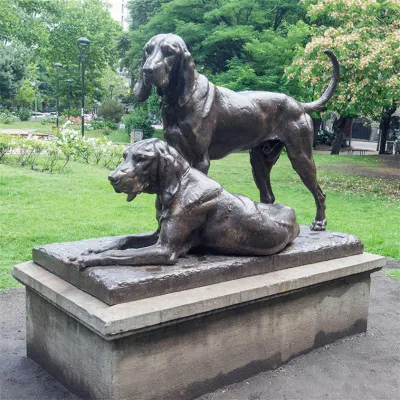
Garden Decorative Metal Craft Welcome Dog Statue Bronze Great Dane Dog Sculpture
$600.00 - $3380.00
MOQ: 1 Pieces


Factory Custom Home Garden Ornament Bronze Life Size Dog Animal Sculpture
$600.00 - $3380.00
MOQ: 1 Pieces

Life Size Copper Bronze Wild Animal Sculpture Bronze Boar Garden Statue
$900.00 - $3380.00
MOQ: 1 Pieces


Custom Bronze Pet Home Decoration Animal Sculpture Newfoundland Dog Sitting Bronze Statue
$1500.00 - $9000.00
MOQ: 1 Pieces

Garden Decor Life Size Animal Dog Sculpture Bronze Greyhound Statue for Sale
$1290.00 - $6160.00
MOQ: 1 Pieces

Powerful Guardian Bronze Foo Dog Sculpture for The Hotel Welcoming Guests Decoration
$1580.00 - $3660.00
MOQ: 1 Pieces

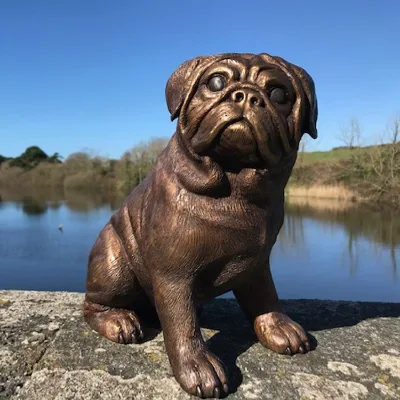
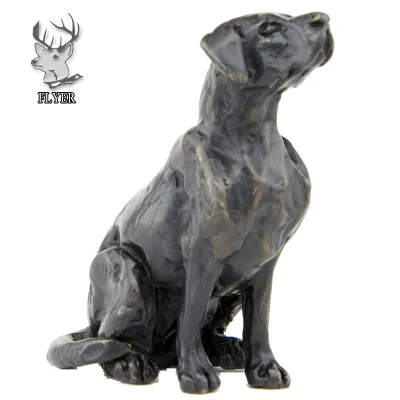

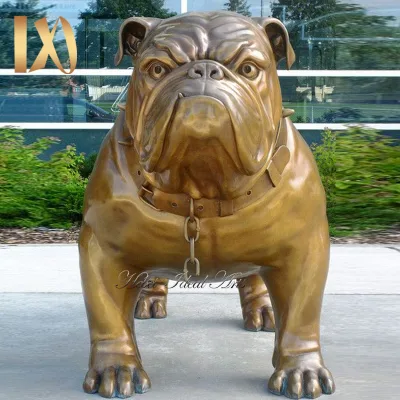

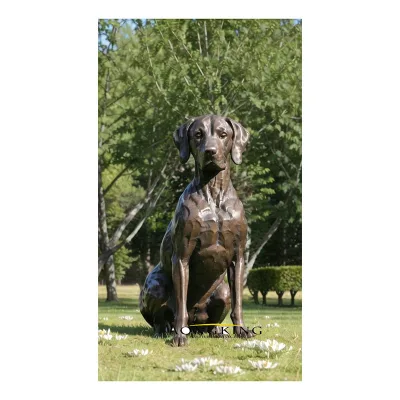
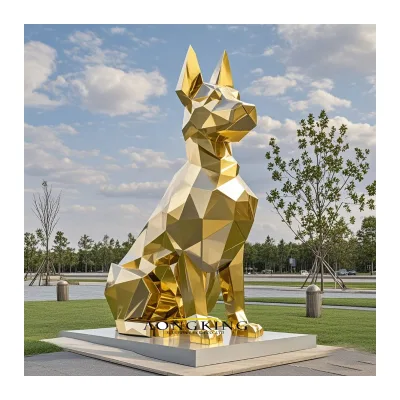
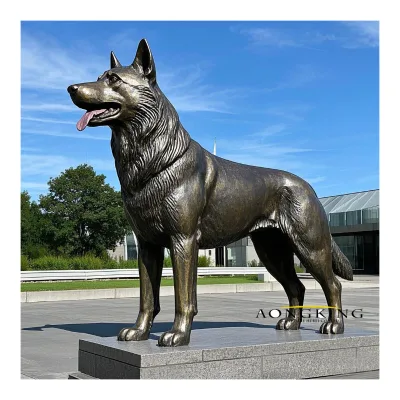
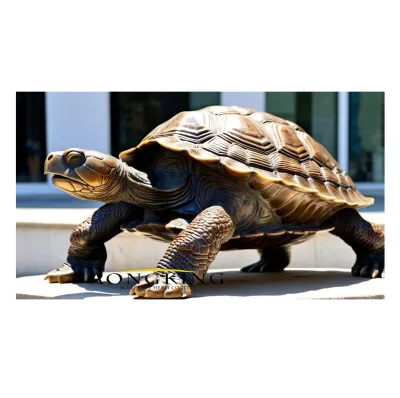



Comprehensive Sourcing Guide
Strategic Sourcing Guide for Hand-Made Patina Bronze Dog Sculptures
Understanding the Core Product and Manufacturing Process
The acquisition of a hand-made patina bronze dog sculpture requires a deep understanding of the specific manufacturing techniques that define its value and authenticity. Based on the available market data, these items are primarily produced using the lost-wax casting method, a traditional and labor-intensive process that ensures high fidelity in the final sculpture. This technique involves creating a wax model, encasing it in a ceramic shell, melting out the wax, and pouring molten copper into the void. The resulting casting is then subjected to extensive hand-finishing, including burnishing and patina coloring, to achieve the desired aesthetic. The "hand-made" designation is critical, as it distinguishes these pieces from mass-produced, machine-cast alternatives. The surface finish is characterized by a burnish and patina color, often achieved through chemical treatments that create a unique, aged appearance. This process is not merely decorative; it is a marker of craftsmanship that buyers must verify during the supplier evaluation phase. The material is consistently identified as copper, which provides the necessary durability and malleability for intricate detailing, particularly in the anatomical features of the dog.
Technical Specifications and Customization Parameters
When evaluating specific units for procurement, buyers must scrutinize the technical specifications provided in the product listings. The market data indicates a wide range of models, such as FR-BS318BD, FY-AQ11, T-4047, and various RLBA series models like RLBA-179 and RLBA-304. These identifiers often correspond to distinct design iterations, ranging from creative styles to antique finishes. A critical technical variable is the size standard. While some listings specify exact dimensions, such as a length of 105cm, height of 72cm, and width of 18cm for model T-4047, others operate under a "customized size" standard. This flexibility allows for bespoke commissions but requires precise communication between the buyer and the manufacturer to ensure the final dimensions meet spatial requirements. The type of product is consistently categorized as animals or decorations, with specific applications noted for personal decorations, home decorations, and collection purposes. The style varies significantly, encompassing European & American aesthetics, creative designs, and antique finishes. Buyers should note that the "Item Name" for certain listings explicitly identifies the subject as a "Painting dog sculpture," indicating that the patina application may involve specific painting techniques to enhance the visual depth of the bronze.
Cost Drivers and Pricing Dynamics
The pricing structure for hand-made patina bronze dog sculptures is influenced by several complex factors, resulting in a broad observed range from $2.21 to $9,000. This variance is not arbitrary but reflects the interplay of material costs, labor intensity, and customization levels. The primary cost driver is the weight of the copper used, which is directly proportional to the size of the sculpture. Larger pieces, such as those described as "Life Size," require significantly more raw material and longer casting times, pushing the price toward the upper end of the spectrum. Conversely, smaller decorative items or those with simplified designs may fall into the lower price brackets. Another significant factor is the level of customization. Products marked with "Customized" status or "Customized Size" standards often command a premium due to the additional engineering and design work required. The labor cost associated with the hand-made process is also substantial; the lost-wax method followed by hand-polishing and patina application is time-consuming. Buyers should be aware that the Minimum Order Quantity (MOQ) ranges from 1 piece to 2,000 pieces. While an MOQ of 1 piece allows for single-unit procurement, larger orders may benefit from economies of scale, though the per-unit cost reduction may be offset by the complexity of the custom designs.
Compliance, Certification, and Safety Verification
In the realm of high-value decorative bronze, compliance and safety are paramount, particularly for items intended for commercial or public display. While the provided data does not list specific third-party certifications or test results, buyers must independently verify these aspects before finalizing a purchase. The origin of the products is consistently listed as China, with specific mentions of Quyang as a production hub. This geographic concentration suggests a specialized supply chain, but it also necessitates rigorous due diligence regarding export compliance and material safety. Buyers should request documentation confirming that the copper used meets international purity standards and that the chemical agents used for the patina process are environmentally compliant. For sculptures intended for outdoor use, as indicated by the "Suitable for: Outdoor" attribute, verification of weather resistance is essential. The patina finish must be stable against UV radiation, rain, and temperature fluctuations to prevent rapid degradation. Additionally, if the sculptures are to be sold in specific jurisdictions, compliance with local safety regulations regarding heavy metal content and surface coatings must be confirmed. The absence of explicit certification data in the product listings means that the onus is on the buyer to request and validate these documents from the supplier.
Supplier Evaluation and Quality Control Protocols
Selecting the right supplier for hand-made bronze sculptures requires a multi-faceted evaluation strategy. The observed data highlights a diverse range of suppliers offering different models, from the RLBA series to the AK series. A key differentiator is the finishing treatment; some listings specify "Hand-Polishing" and "Engraving" as the carving technique, while others focus on "Burnish & Patina Color." Buyers should request detailed portfolios that showcase the consistency of the patina application across different batches. Quality control should focus on the integrity of the casting, ensuring there are no voids, cracks, or porosity issues common in the lost-wax process. The surface finish must be smooth and free of tool marks, except where intentional texturing is part of the design. Packaging is another critical quality indicator; the data shows variations from "Carton" to "Strong Wooden Crate" and "Plywood Case." For high-value items, a strong wooden crate is often necessary to prevent damage during transit, especially given the heavy nature of copper. Buyers should also verify the supplier's ability to handle the "Delivery Time" of three weeks, which is a standard lead time noted in the listings. This timeline must be realistic for the specific customization level required. Furthermore, the shipping method options, including sea, air, and land, and the availability of insurance covering all risks, are vital components of the supplier's logistical capability.
Typical Applications and Market Segmentation
The versatility of hand-made patina bronze dog sculptures makes them suitable for a wide array of applications, as evidenced by the diverse usage categories in the market data. These items are frequently utilized as personal decorations, home decorations, and collection pieces, appealing to individual collectors and interior designers. The "European & American" and "Antique" styles suggest a strong market presence in residential settings where these sculptures serve as focal points in gardens, foyers, or living rooms. Beyond personal use, the "Promotion Gifts" and "Commerce Gift" categories indicate a significant B2B market. Corporations often commission these sculptures for branding events, lobby installations, or as high-end corporate gifts. The "Souvenirs" classification points to the tourism and hospitality sectors, where such items are sold in gift shops or used as commemorative pieces. The "Life Size" standard is particularly relevant for public art installations, park decorations, or commercial plaza displays, where the scale of the sculpture must match the environment. The "Creative" style models may find a niche in modern art galleries or contemporary home decor, offering a unique aesthetic that blends traditional craftsmanship with modern design sensibilities. Understanding these segmentation nuances helps buyers align their procurement strategy with their specific end-use requirements.
Long-Term Procurement and Maintenance Considerations
Sourcing hand-made patina bronze dog sculptures is not merely a transactional event but the beginning of a long-term relationship with the product and the supplier. The "Customized" nature of many items implies that future reorders or replacements may require the same level of detailed specification. Buyers should establish clear communication channels with suppliers to ensure that the original design intent is preserved in future batches. Maintenance is another critical long-term consideration. While the patina finish is designed to be durable, outdoor sculptures require periodic cleaning and re-application of protective coatings to maintain their appearance. Buyers should inquire about the recommended maintenance schedule and the availability of compatible cleaning agents. The "Insurance: Cover All Risks" attribute suggests that the supply chain is structured to handle potential transit damages, but buyers must also consider the long-term storage and display conditions. For indoor collections, controlling humidity and avoiding direct sunlight can extend the lifespan of the patina. Finally, the "Three Weeks" delivery time should be factored into long-term project planning, especially for large-scale installations where the sculpture is a critical component of the overall design timeline. Establishing a reliable supply chain with consistent quality and timely delivery is essential for buyers looking to integrate these sculptures into their ongoing operations or collections.
FAQs
How is the hand-made patina bronze dog sculpture manufactured?
These sculptures are created using the lost-wax casting technique followed by hand-polishing. The process involves creating a wax model, encasing it, and pouring molten copper to achieve the final shape before applying a burnish and patina color finish.
What customization options are available for these bronze dog sculptures?
Customization is available for size and design details to meet specific buyer requirements. Many listings indicate a customized size standard, allowing for bespoke commissions that align with personal or commercial decoration needs.
Which materials are used to construct these animal sculptures?
The primary material used for these sculptures is copper, which provides durability and malleability for intricate detailing. The surface finish is achieved through a burnish and patina color process to create a unique, aged appearance.
Can these sculptures be used for outdoor decoration?
Yes, these sculptures are suitable for outdoor use as indicated in the product attributes. Buyers should verify weather resistance for the patina finish to ensure stability against UV radiation, rain, and temperature fluctuations.
What is the typical delivery time for these custom sculptures?
The standard delivery time for these items is three weeks from order confirmation. This timeline accounts for the labor-intensive lost-wax casting and hand-finishing processes required for each unique piece.
How does the MOQ vary for these bronze dog sculptures?
The minimum order quantity ranges from one piece to two thousand pieces depending on the supplier and product model. Single-unit procurement is possible, though larger orders may benefit from economies of scale.
What packaging methods are used for shipping these sculptures?
Packaging varies from cartons to strong wooden crates and plywood cases depending on the item value. High-value or life-size sculptures typically require strong wooden crates to prevent damage during transit.