Source Hand Painted Enamelling Jewelry Box for Gifts, Storage, and Display
Explore 30 listings for Hand Painted Enamelling Jewelry Box options from Chinese manufacturers. Compare specifications for solid wood and leather materials, including custom sizes and clamshell designs. Review MOQs and lead times to find suitable suppliers for your packaging needs.
Key considerations
Products List


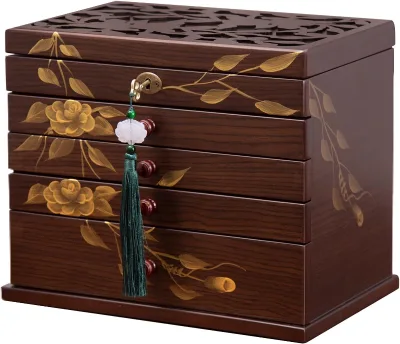


Wooden Jewelry Box Storage Box for Jewelry, Ring Handcrafted Jewelry Storage Box for Gift Wedding
$15.00 - $18.00
MOQ: 100 Pieces

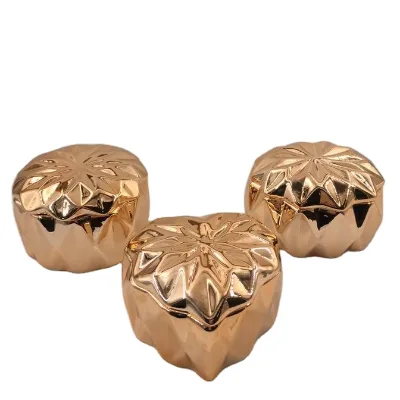


Custom Elegant Color Printing Paper Gift Handmade Jewelry Packaging Box
$0.55 - $0.65
MOQ: 3000 Pieces




Comprehensive Sourcing Guide
Hand Painted Enamelling Jewelry Box Sourcing Guide
The market for hand-painted enamelling jewelry boxes presents a diverse range of options, though current listings often emphasize solid wood and leather constructions rather than traditional enamel finishes. Buyers must carefully distinguish between products marketed as luxury wooden boxes and those claiming specific enamel techniques, as the observed data highlights models like DY-87 and DY-567 which feature handmade attributes and varied industrial uses. While the core keyword suggests a specific decorative art form, the available inventory includes simple rectangular boxes and clamshell-style packaging that may utilize different surface handling methods such as varnishing.
Procurement strategies should focus on verifying the actual surface treatment and material composition against the specific aesthetic requirements of the brand. The observed product range includes items with standard dimensions like 250217105mm and 23015082mm, indicating that size customization is a critical factor for buyers seeking specific packaging solutions. Since the listings confirm customization availability and accept custom orders, buyers should prioritize suppliers who can demonstrate the capability to execute precise hand-painted designs on the selected substrate, whether it be solid wood or leather, to ensure the final product meets the intended luxury or gift-giving standards.
Product Scope and Observed Listing Signals
Current market signals indicate a strong presence of wooden and leather jewelry boxes with handmade features, ranging from simple styles to luxury designs. The observed product types include specific models such as DY-106620 and DY-421, which serve various industrial uses from general storage to specialized jewelry packaging. Buyers should note that while the keyword specifies enamelling, the verified attributes often point to varnished wood or leather surfaces, requiring a clear definition of the desired finish during the initial inquiry phase to avoid mismatches between expectation and delivery.
The commercial scope for these items includes flexible packaging options like sea or air freight and customized packing solutions, which are essential for protecting delicate hand-finished goods during transit. Minimum order quantities vary significantly across the observed listings, with some models requiring 500 pieces while others start at 200 or 1000 pieces, necessitating a tailored procurement plan based on inventory needs. Additionally, the presence of specific color options like pink and various size categories from small to medium suggests that buyers can find tailored solutions, provided they verify the specific model numbers and their corresponding production capabilities.
Technical Specifications to Verify
Buyers must rigorously verify the dimensional standards and material composition to ensure the product fits the intended jewelry set or storage requirement. The observed data lists specific standard dimensions such as 25611085mm and 315196267mm, alongside custom options, which means that relying on generic size descriptions can lead to compatibility issues with the jewelry being packaged. It is critical to confirm whether the listed dimensions refer to the external case size or the internal compartment layout, especially for models like DY-317 which offer multiple height variations.
Surface handling and structural integrity are equally vital technical parameters that require direct confirmation from the supplier. While the listings mention varnishing as a surface treatment, the specific application of hand-painted enamelling must be validated through samples to ensure durability and aesthetic consistency. The open way of the box, such as the clamshell design observed in some models, impacts the user experience and must be aligned with the brand's unboxing strategy. Furthermore, verifying the wood type as solid wood or the leather quality is essential to maintain the luxury positioning associated with these products.
Compliance and Safety Documentation
Ensuring that the jewelry boxes meet international safety and environmental standards is a prerequisite for successful B2B transactions, particularly for products destined for Western markets. The observed listings reference ISO14001 and ISO9001 certifications, which indicate a supplier's commitment to environmental management and quality assurance systems. Buyers should request current certification documents to verify that these standards are actively maintained and applicable to the specific production line manufacturing the hand-painted items, rather than assuming they cover all product variations.
Fire safety compliance is another critical area that requires explicit verification, as the listings mention fire retardant standards alongside specific shape requirements like square or rectangular forms. Although the exact fire retardant standard code is not fully detailed in the provided text, the presence of this attribute suggests that the supplier may offer fire-resistant treatments suitable for storage and transport. Procurement teams must ensure that any chemical finishes used for the hand-painted or varnished surfaces comply with relevant regulations regarding volatile organic compounds and heavy metals to prevent regulatory hurdles at the destination port.
Cost Drivers and Commercial Terms
The pricing structure for these specialized boxes is influenced by the complexity of the hand-painted finish, the choice of raw materials, and the scale of the order. The observed price range spans from 0.02 to 110 USD, reflecting a wide disparity between basic storage boxes and high-end luxury jewelry sets. Buyers should understand that the lower end of this spectrum likely corresponds to simpler, mass-produced items, while the higher prices are associated with custom designs, solid wood construction, and intricate surface handling techniques that require skilled labor.
Commercial terms regarding minimum order quantities and lead times play a significant role in the total cost of ownership and inventory planning. The data shows MOQs ranging from 200 to 5000 pieces, with sample times estimated at 10-15 days for custom requests. These variables mean that small batch orders may incur higher per-unit costs due to setup fees, whereas larger volumes can leverage economies of scale. Additionally, the choice between sea or air freight for packing and shipping will directly impact the final landed cost, requiring a careful balance between speed and budget constraints.
Supplier Qualification and Quality Control
Verifying the manufacturer's capability to execute consistent hand-painted finishes is essential for maintaining brand reputation and product quality. The listings confirm that the suppliers are manufacturers rather than trading companies, which can offer better control over the production process and customization options. However, buyers must assess the supplier's track record for handling delicate surface treatments like enamelling or varnishing, ensuring that the handmade features do not suffer from inconsistencies or defects during mass production.
Quality control protocols should be established to monitor the production of specific models like DY-87 or DY-567, focusing on dimensional accuracy and finish durability. Since the products are made in China, with origins noted in Guangdong and Shandong, buyers should implement pre-shipment inspections to verify that the final goods match the approved samples in terms of color, texture, and structural integrity. Establishing a clear communication channel for addressing any deviations in the handmade or luxury attributes is crucial for resolving issues before the goods leave the factory.
Long-Term Procurement Checks
Building a sustainable supply chain for hand-painted jewelry boxes requires ongoing monitoring of supplier performance and product consistency over time. Buyers should regularly review the supplier's adherence to the agreed-upon standards, such as the ISO certifications and fire retardant requirements, to ensure that quality does not degrade as production volumes increase. Maintaining a relationship with the manufacturer allows for better negotiation on lead times and pricing, especially when scaling up orders beyond the initial minimums.
Continuous evaluation of the product's market fit and customer feedback is necessary to adapt the design and specifications to changing trends. As the industry evolves, the demand for specific styles, such as simple versus luxury designs, or materials like leather versus solid wood, may shift. Buyers should stay informed about new model numbers and standard dimensions introduced by the supplier to ensure their inventory remains relevant. Regular audits of the supply chain, including the origin of materials and the environmental impact of the production process, will help maintain a responsible and competitive procurement strategy.
FAQs
What materials are used for these jewelry boxes?
The boxes are crafted from solid wood and leather materials. Some models feature a simple style with varnishing surface handling, while others offer a luxury handmade finish. The choice of material depends on the specific model selected, such as the DY-87 for wood or the DY-567 for leather options.
Can I customize the size of the jewelry box?
Yes, custom orders are accepted for various dimensions. Standard sizes include 250*217*105mm and 230*150*82mm, but you can request customized specifications. The manufacturer supports tailored packaging and size adjustments to meet your specific storage or gift requirements effectively.
What is the minimum order quantity for these boxes?
The minimum order quantity varies by model, typically ranging from 200 to 1000 pieces. For instance, the DY-317 requires 200 pieces, while the DY-347 requires 1000 pieces. Other models like DY-87 have an MOQ of 500 pieces, allowing flexible bulk purchasing.
Where are these jewelry boxes manufactured?
These products are made in China, with origins in Guangdong and Shandong provinces. The manufacturer is located in China and offers both sea and air shipping options. This location supports efficient production and logistics for international buyers seeking reliable sourcing partners.
What certifications do the manufacturers hold?
The manufacturers hold ISO14001 and ISO9001 certifications. These standards ensure quality management and environmental responsibility in the production process. Buyers can rely on these documented credentials when evaluating suppliers for compliance and sustainable manufacturing practices in their supply chain.
How long does it take to get samples?
The sample time is typically 10-15 days. This duration allows for the creation of high-quality prototypes, such as the handmade luxury options. Buyers should plan their sourcing timeline accordingly to review samples before committing to larger bulk orders for production.