Source Hand Painted Round Tea Set for Home, Office, and Events
Compare 30 Hand Painted Round Tea Set options featuring ceramic and porcelain materials with capacities ranging from 200ml to 1250ml. Buyers can evaluate customization availability, eco-friendly features, and various styles like embossed or hand painted designs from suppliers in Shandong, China.
Key considerations
Products List


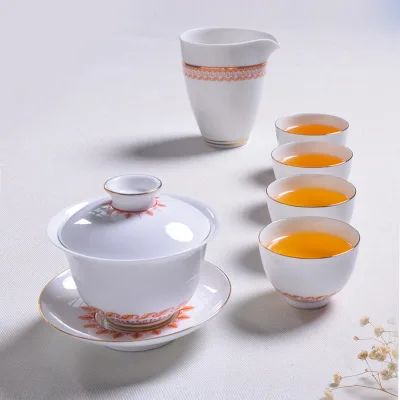
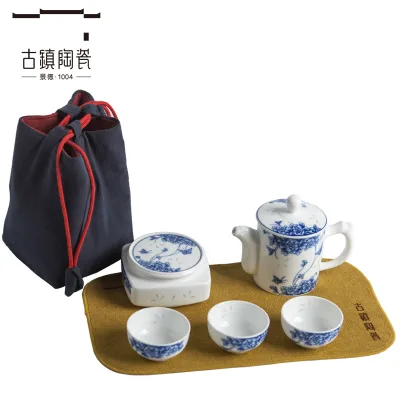
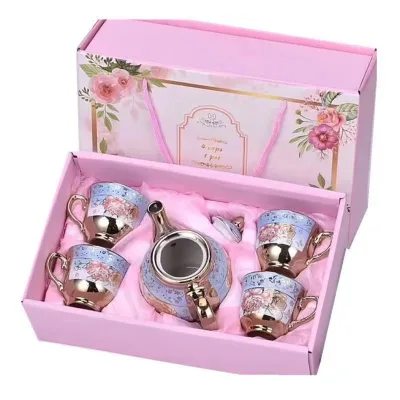
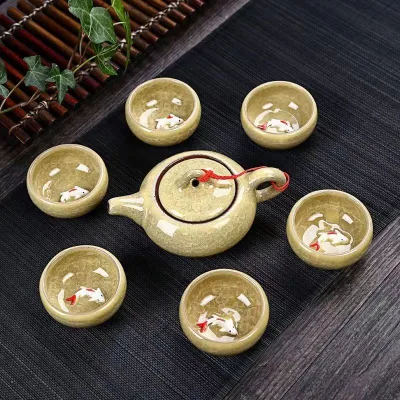

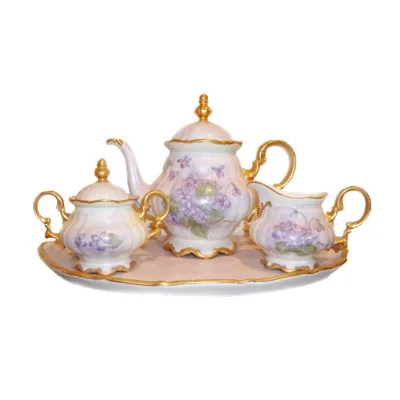
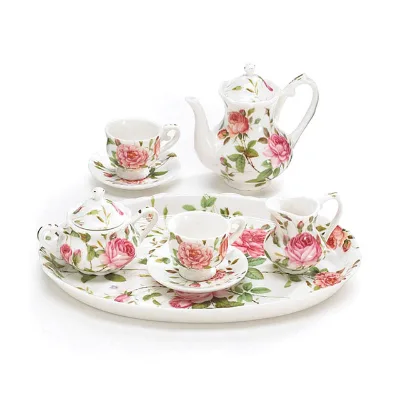


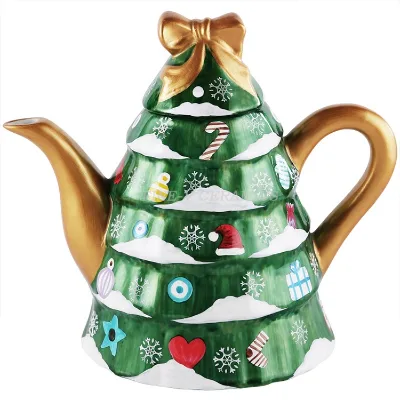
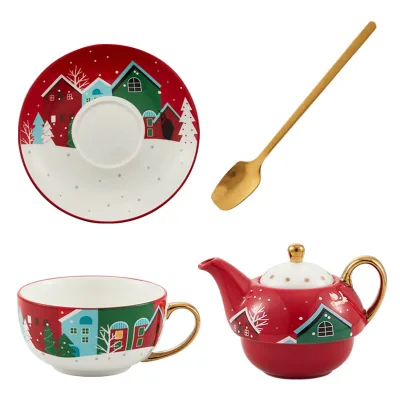
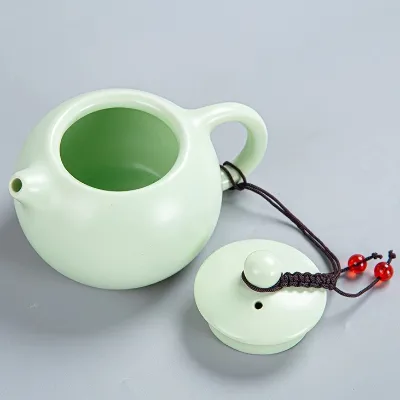


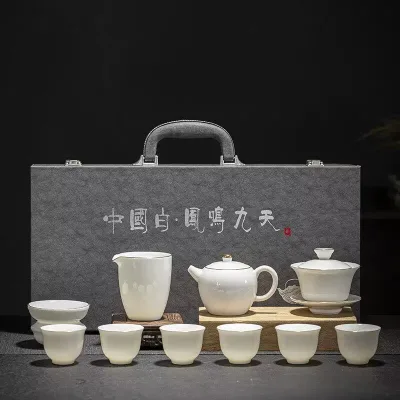
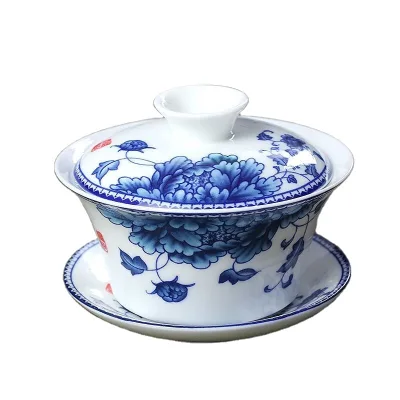


Comprehensive Sourcing Guide
Strategic Sourcing Guide for Hand Painted Round Tea Sets
The global market for hand painted round tea sets represents a convergence of artisanal craftsmanship and industrial manufacturing precision. For B2B procurement professionals, sourcing these items requires a nuanced understanding of material science, regulatory compliance, and supply chain logistics. The specific keyword "Hand Painted Round Tea Set" implies a product category where aesthetic uniqueness is paramount, yet consistency in volume production is equally critical. This guide synthesizes observed market data and technical attributes to provide a framework for evaluating potential suppliers and products without relying on unverified claims or specific vendor recommendations.
Technical Specifications and Material Composition
The foundation of a high-quality tea set lies in its material composition and dimensional specifications. In the current market, the primary materials observed for this category are ceramic, stoneware, and porcelain. Each material offers distinct properties regarding thermal retention, weight, and durability. For instance, specific listings indicate the use of stoneware for sets described as "High Quality Tea Set with Hand Painted," while other variants utilize porcelain for "White Porcelain Embossed Wholesale Tea Sets." The distinction is vital; stoneware often provides a heavier, more rustic feel, whereas porcelain offers a translucent, delicate aesthetic that is ideal for embossed designs.
Capacity is another critical technical parameter that varies significantly across models. Observed data reveals a range of capacities for tea pots, typically hovering around 1200ml to 1250ml. Companion vessels such as cups and saucers generally hold between 200ml and 220ml. Additional components like sugar pots and milk jugs are also common, with capacities ranging from 250ml to 350ml. Buyers must verify these specifications against their specific usage requirements, as a set designed for individual service differs markedly from one intended for large gatherings. The "round" aspect of the keyword suggests a focus on the curvature of the vessels, which influences both the aesthetic flow and the ergonomics of handling.
| Component | Typical Capacity Range (Observed) | Common Material Variants |
|---|---|---|
| Tea Pot | 1200ml - 1250ml | Ceramic, Stoneware, Porcelain |
| Cup & Saucer | 200ml - 220ml | Porcelain, Ceramic |
| Sugar Pot | 270ml - 350ml | Porcelain, Ceramic |
| Milk Jug | 250ml - 300ml | Porcelain, Ceramic |
Compliance and Certification Verification
Navigating the regulatory landscape is essential for importing tea sets, particularly those intended for food contact. The market data highlights several recurring certifications that serve as indicators of compliance. Products frequently reference FDA, LFGB, and CE / EU standards. The presence of FDA certification suggests adherence to United States food safety regulations, while LFGB indicates compliance with German food safety laws, which are often considered stringent benchmarks. Additionally, EEC and CIQ certifications appear in product attributes, pointing to European Economic Community and Chinese Inspection and Quarantine standards respectively.
Beyond general food safety, the standard SGS is frequently cited as a product standard or testing body. This suggests that third-party verification is a common practice in this sector. However, buyers must treat these certifications as observations of specific listings rather than universal guarantees for all products. When evaluating a supplier, the procurement team should request current, valid certificates that match the specific product model number. For example, a model identified as "TM-TS031702" may carry different certification documentation than "TMTST14082604." It is imperative to verify that the certification covers the specific glaze and paint materials used in the hand-painting process, as these can introduce heavy metals or other contaminants if not properly fired.
Cost Drivers and Pricing Dynamics
The pricing structure for hand painted tea sets is influenced by a complex interplay of factors, including material costs, labor intensity, and customization requirements. The observed price range in the market spans from approximately $0.98 to $222.70 USD. This wide disparity reflects the difference between mass-produced, machine-decorated items and truly hand-painted, artisanal sets. The "Hand Painted" attribute is a significant cost driver, as it requires skilled labor that cannot be easily automated. Sets described as "High Quality" or featuring "Hand Painted" styles typically command higher price points compared to those with "Embossed" or "Unicolor" finishes, which may rely more on molding techniques.
Minimum Order Quantities (MOQ) also play a pivotal role in the total cost of ownership. The observed MOQ range extends from 1 set to 5600 sets. However, specific product listings indicate MOQs of 2100, 2120, and 2040 sets. These high-volume thresholds suggest that the industry is geared toward bulk procurement. For buyers seeking smaller quantities, the unit cost may be significantly higher, or the supplier may not be available. Customization is listed as "Available" and "Customized" in several attributes, which invariably increases the cost due to the setup of new molds, the application of custom designs, and the management of smaller production runs. Buyers should anticipate that any request for custom branding or unique color schemes will shift the pricing model away from standard catalog rates.
Typical Applications and Market Segmentation
The applications for hand painted round tea sets extend beyond simple beverage service. The "Korea Tea Set" designation and the "Eco-Friendly" feature suggest that these products are marketed toward specific cultural and lifestyle segments. In the hospitality industry, such sets are utilized in high-end restaurants, tea houses, and boutique hotels where the aesthetic presentation is as important as the functionality. The "Eco-Friendly" attribute, while requiring verification, appeals to modern consumers and businesses aiming to reduce their environmental footprint, potentially through the use of sustainable materials or non-toxic glazes.
Furthermore, the "Gift Box" packing method, often specified as 1 set per gift box with 4 sets per master carton, indicates a strong secondary market for gifting. The packaging is designed to protect the fragile ceramic items while enhancing their perceived value. This makes the product suitable for corporate gifting, wedding favors, and retail distribution. The "Hand Painted" style adds a layer of exclusivity, making these sets desirable for collectors and enthusiasts of traditional crafts. The "Round" shape is versatile, fitting various table settings and cultural tea ceremonies, from Japanese matcha to Chinese Gongfu tea, provided the dimensions and capacity align with the specific ritual requirements.
Supplier Evaluation and Origin Analysis
When evaluating potential suppliers, the geographic origin of the product is a key data point. The supplied context identifies "Shandong, China" as the production origin. Shandong is a well-known hub for ceramic and porcelain manufacturing in China, offering a mature supply chain for raw materials and skilled labor. The port of shipment is listed as "Qingdao," which is a major logistical gateway in the region. Buyers should verify that the supplier has a consistent track record of shipping from this location to ensure reliable logistics planning.
Supplier evaluation must also focus on the consistency of the "Hand Painted" attribute. Since hand painting introduces human variability, the supplier's quality control processes are critical. Buyers should inquire about the percentage of rejected units due to paint defects, uneven firing, or structural flaws. The "Customization" capability should be assessed not just on the ability to change colors, but on the ability to maintain the integrity of the hand-painted design across large batches. Additionally, the "Anti-Corrosion" feature mentioned in some listings should be verified through material testing, as this is not a standard property of all ceramic tea sets. A robust supplier will provide detailed product profiles that align with the specific model numbers and standards observed in the market.
Quality Control and Long-Term Procurement
Implementing a rigorous quality control (QC) protocol is essential for mitigating risks associated with importing fragile, decorated ceramics. Given the "Hand Painted" nature of the product, visual inspection is the primary QC method. Buyers should establish clear acceptance criteria for paint application, ensuring that designs are crisp, colors are consistent, and there are no smudges or bleeding. The "Eco-Friendly" claim requires specific testing for lead and cadmium leaching, particularly for items intended for food contact. The presence of SGS, FDA, and LFGB certifications provides a baseline, but periodic third-party testing of incoming shipments is recommended to ensure ongoing compliance.
Long-term procurement considerations involve building a sustainable relationship with suppliers who can scale production while maintaining quality. The high MOQs observed (e.g., 2100+ sets) suggest that buyers should plan for significant inventory commitments. To mitigate this, buyers can explore staggered production schedules or negotiate partial shipments. The "Customized" nature of the product also implies a need for clear intellectual property agreements regarding designs. Finally, buyers should monitor the supply chain for potential disruptions, such as raw material shortages or changes in export regulations from the Qingdao port. By maintaining a proactive approach to supplier management and quality assurance, buyers can secure a steady supply of high-quality hand painted tea sets that meet both aesthetic and functional requirements.
FAQs
What certifications do hand painted round tea sets typically have?
These sets often carry FDA, LFGB, and CE / EU certifications for food safety. Some listings also include EEC, CIQ, and SGS standards to verify compliance with international regulations for materials and glazes.
Which materials are used for hand painted round tea sets?
Common materials include ceramic, stoneware, and porcelain. Specific models may use stoneware for a rustic feel or porcelain for delicate, embossed designs depending on the desired aesthetic and durability.
Can I customize the design of a Hand Painted Round Tea Set?
Yes, customization is available for these products. Buyers can request specific designs, but this often requires meeting higher minimum order quantities and may involve additional setup costs for molds and painting.
What is the typical capacity of the tea pot in these sets?
Tea pots in these sets typically hold between 1200ml and 1250ml. Companion cups usually range from 200ml to 220ml, while sugar pots and milk jugs vary from 250ml to 350ml.
Where are hand painted round tea sets manufactured?
Products are commonly manufactured in Shandong, China, with shipments often departing from the Qingdao port. This region is a known hub for ceramic production, offering a mature supply chain for these items.
How are hand painted round tea sets packed for shipping?
Sets are typically packed one per gift box, with four sets placed in a master carton. This packaging protects the fragile ceramic items and enhances their value for retail or gifting purposes.
What is the minimum order quantity for these tea sets?
Minimum order quantities vary but often start around 2000 sets for specific models. Some listings indicate MOQs of 2100, 2120, or 2040 sets, reflecting the industry focus on bulk procurement.
Are hand painted round tea sets considered eco-friendly?
Some listings describe these sets as eco-friendly, suggesting the use of non-toxic glazes or sustainable materials. However, buyers should verify this claim through specific testing for lead and cadmium leaching.