Source Hand Painting Mushroom Ceramic Lid for Catering, Hotels, and Homes
Find 30 options for Hand Painting Mushroom Ceramic Lid designs suitable for wholesale sourcing. Compare specifications, materials, and customization features to identify the best fit for your procurement needs; compare the available evidence and request quotations based on your requirements.
Key considerations
Products List


Handmade Ceramic Honey Jar with Lid & Wooden Dipper Honey Pot with Lids
$1.55 - $3.15
MOQ: 1000 Pieces


Creative Ceramic Mushroom Cup with Lid Unique Porcelain Coffee Tea Mugs in Bulk
$0.95 - $2.95
MOQ: 1000 Pieces
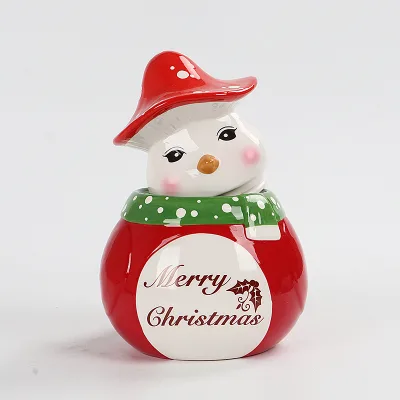
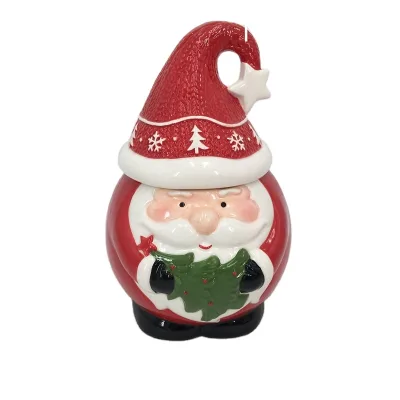
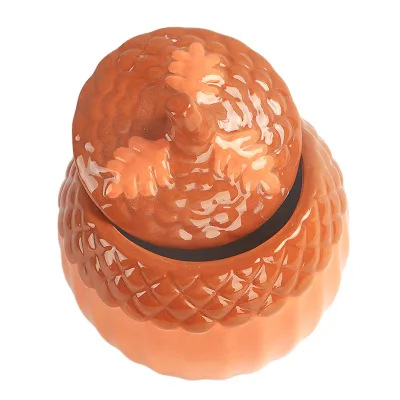

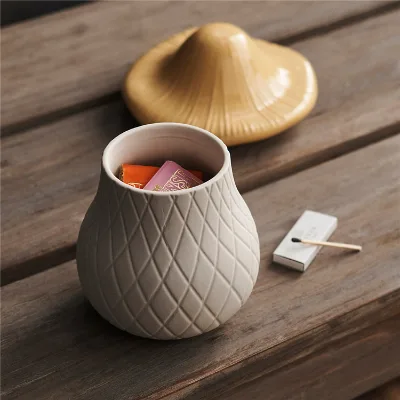




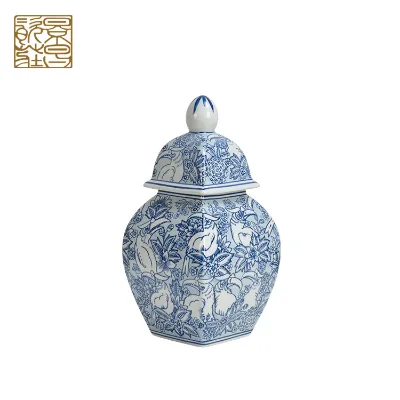
Comprehensive Sourcing Guide
Hand Painting Mushroom Ceramic Lid Sourcing Guide
Sourcing hand-painted mushroom ceramic lids requires a nuanced understanding of artisanal manufacturing processes and material science. Buyers must distinguish between mass-produced molded items and genuine hand-finished pieces, as the latter involve significant labor and variability. The core challenge lies in verifying the authenticity of the hand-painting technique while ensuring the ceramic body meets strict durability standards for food contact. This guide outlines the critical verification steps, from material composition to compliance documentation, to help procurement teams mitigate risk.
The market offers a wide spectrum of ceramic products, ranging from basic stoneware to high-fired porcelain. Buyers should focus on suppliers who transparently disclose their firing temperatures and glaze compositions, as these factors directly impact the lid’s thermal shock resistance and lead leaching potential. Understanding the distinction between OEM customization and standard catalog items is essential for aligning product selection with brand identity and functional requirements in commercial settings.
Product Scope and Observed Listing Signals
The current market landscape for ceramic lids includes diverse styles, from cartoon-themed designs to elegant European aesthetics. Observed listings indicate a strong presence of round and rectangular shapes, with materials primarily consisting of ceramic, porcelain, and stoneware. Buyers should note that while some products are marketed as disposable, the majority are non-disposable, indicating a focus on durability and repeated use in hotel, restaurant, and home environments. This distinction is crucial for inventory planning and sustainability reporting.
Color options range from classic white to multicolor finishes, often featuring custom logo printing via decal technology. The presence of OEM and ODM services suggests that buyers can tailor designs to specific brand guidelines, including custom mushroom motifs. However, the variability in product models, such as D0246 or BRTSZ231013-3, highlights the need for precise specification matching. Procurement teams must verify that the observed "hand-painted" claims align with the actual production capabilities of the supplier, as many listings may rely on printed decals rather than true artisanal painting.
Technical Specifications to Verify
Verifying the firing temperature is a critical technical step, as high-temperature firing, such as 1280 degrees Celsius, ensures superior density and reduced porosity in the ceramic body. Buyers should request technical data sheets that confirm the specific ceramic type, whether it is porcelain, stoneware, or a composite, as this affects thermal expansion coefficients and compatibility with microwave and dishwasher use. The shape and size specifications, including large formats, must be cross-referenced with the intended vessel dimensions to ensure a proper seal and functional fit.
Packaging and logistics specifications are equally important for protecting fragile ceramic lids during transit. Normal safe packing or customized boxes should be evaluated for their ability to withstand stacking and vibration. Buyers must also confirm the single package size and weight to calculate accurate freight costs and warehouse storage requirements. Additionally, the quality grade, such as AB grade, should be clearly defined in the contract to avoid receiving substandard items with visible defects or glaze irregularities that do not meet the agreed-upon aesthetic standards.
Compliance and Safety Documentation
Food safety compliance is non-negotiable for ceramic lids intended for direct food contact. Buyers must verify that suppliers hold valid certifications from recognized bodies such as SGS, FDA, Prop65, and LFGB. These certifications confirm that the glazes and pigments used in the hand-painting process are free from harmful levels of lead and cadmium. Procurement teams should request recent test reports that specifically address heavy metal migration, ensuring that the products meet the regulatory requirements of the destination market.
Beyond material safety, buyers should assess the supplier’s adherence to broader quality management standards. While specific certifications may vary, the presence of standard compliance documentation indicates a mature quality control system. It is advisable to request a copy of the supplier’s quality manual or audit reports to understand their internal testing protocols. This due diligence helps mitigate the risk of regulatory penalties and protects the brand’s reputation from potential safety recalls associated with non-compliant ceramic tableware.
Cost Drivers and Commercial Terms
The cost of hand-painted ceramic lids is influenced by several factors, including the complexity of the design, the volume of the order, and the specific material composition. Minimum order quantities (MOQ) typically start at 1000 pieces, reflecting the setup costs for custom printing and painting processes. Buyers should negotiate flexible MOQ terms if they are testing a new product line, although this may result in higher per-unit costs. Understanding the price range, which can vary significantly based on customization levels, is essential for accurate budgeting.
Production and sample lead times are critical components of the commercial agreement. Standard sample times are around 15 to 20 days, while production lead times can extend to 30 to 50 days after sample confirmation. Buyers must factor these timelines into their supply chain planning to avoid stockouts. Additionally, payment terms and shipping responsibilities should be clearly defined in the contract. Negotiating favorable terms for sample orders and bulk production can significantly impact the overall cost structure and cash flow management.
Supplier Qualification and Quality Control
Evaluating supplier qualifications involves assessing their production capacity, technological capabilities, and historical performance. Buyers should prioritize suppliers who welcome OEM and ODM projects, as this indicates flexibility and a commitment to custom solutions. It is important to verify the supplier’s location, such as Fujian, China, a known hub for ceramic manufacturing, to ensure access to skilled labor and raw materials. Site visits or virtual audits can provide valuable insights into the actual production environment and quality control practices.
Quality control measures should be explicitly defined in the purchase agreement, including acceptance criteria for defects and packaging integrity. Buyers should request pre-shipment inspections to verify that the products meet the agreed-upon specifications, including color accuracy, pattern alignment, and structural soundness. Establishing a clear communication channel for addressing quality issues is essential for maintaining a productive supplier relationship. Regular performance reviews based on delivery times, product quality, and responsiveness can help identify potential risks and opportunities for improvement.
Long-Term Procurement Checks
Long-term procurement success depends on continuous monitoring of supplier performance and market trends. Buyers should establish key performance indicators (KPIs) to track delivery reliability, defect rates, and responsiveness to changes in demand. Regular feedback loops with the supplier can facilitate continuous improvement and foster a collaborative partnership. Additionally, staying informed about emerging trends in ceramic design and technology can help buyers stay competitive and meet evolving customer preferences.
Sustainability and ethical sourcing practices are increasingly important in the procurement landscape. Buyers should inquire about the supplier’s environmental policies, including waste management and energy consumption during the firing process. Ensuring that the supply chain adheres to ethical labor standards is also crucial for maintaining brand integrity. By integrating these long-term checks into the procurement strategy, buyers can build a resilient and responsible supply chain that supports business growth and minimizes risk.
FAQs
Can I customize the design of ceramic mushroom lids?
Yes, customization is available for these ceramic products. Buyers can request OEM and ODM services, including custom logo printing and decal technology. The factory supports various design styles, such as cartoon or Europe styles, allowing for unique branding. This flexibility ensures that the final product matches specific aesthetic requirements while maintaining the integrity of the ceramic material.
What certifications do these ceramic lids meet?
These ceramic lids comply with major international safety standards. The products are certified under SGS, FDA, Prop65, and LFGB standards. These certifications ensure that the ceramic material is safe for food contact and meets strict regulatory requirements for international trade. Buyers can rely on these documented standards to verify product safety and quality for their specific market needs.
What is the minimum order quantity for these items?
The standard minimum order quantity is 1000 pieces. This MOQ applies to most of the listed ceramic products, including those with custom designs. Buyers should note that while some listings show lower MOQs, the general production requirement starts at this volume. This threshold helps balance production efficiency with the ability to accommodate custom orders and branding requests.
How long does production take for custom orders?
Production time is typically 30 days, though it is negotiable. Sample preparation usually takes 15 to 20 days before full production begins. After sample confirmation, delivery time may extend to 40-50 days depending on order size. Buyers should plan their procurement schedule accordingly to account for these timelines, especially when requesting custom designs or specific packaging requirements.
What material are these mushroom-shaped lids made from?
These lids are crafted from high-quality ceramic materials, including porcelain and stoneware. The firing temperature reaches 1280 degrees, ensuring durability and heat resistance. The ceramic type is specified as porcelain for certain models, providing a smooth finish. This material choice supports leakproof functionality and makes the items suitable for food service applications in homes, hotels, and restaurants.
Are these ceramic lids suitable for food service use?
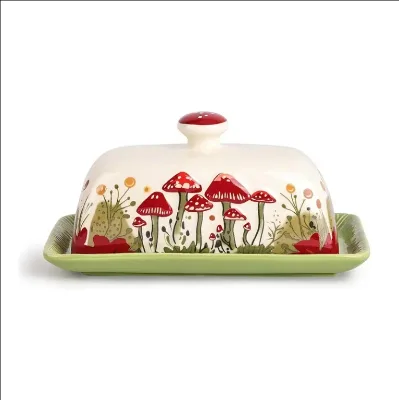
Yes, these ceramic lids are designed for food use. They are leakproof and suitable for serving items like butter or condiments. The products are certified for food contact, making them safe for commercial and residential use. Their durable ceramic construction ensures they can withstand regular washing and handling, making them ideal for hotels, restaurants, and wedding parties.