Source Handmade Carved Moose Bobble Head for Gifts, Decor, Collectibles
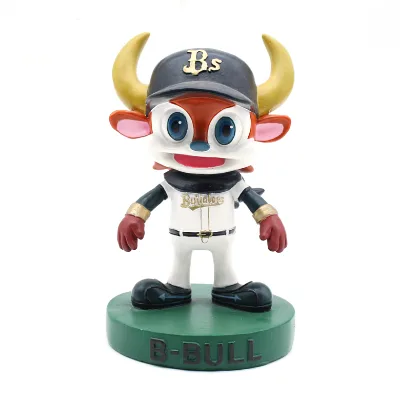
Find and compare 30 Handmade Carved Moose Bobble Head options from Chinese manufacturers. These polyresin figurines feature custom shapes, hand-painted details, and OEM/ODM support for souvenirs, home decor, and business gifts.
Key considerations
Products List
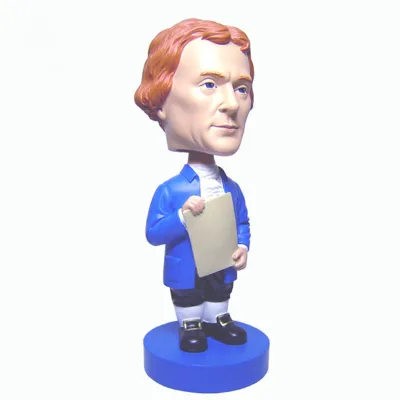
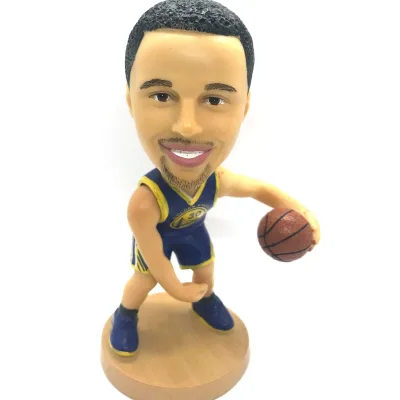
Handmade Fully Custom Bubble Head,Create Your Bobblehead Clay Crafts for Women
$1.53 - $3.35
MOQ: 1000 Minimum
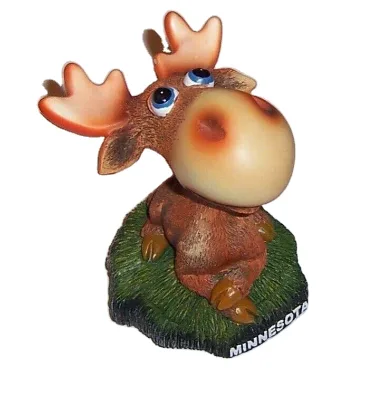
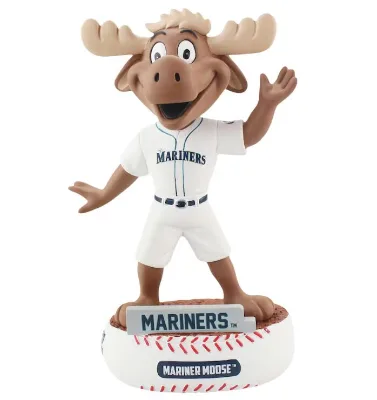


High Quality Terracotta Christmas Owl and Moose for Christmas Decoration
$2.00 - $2.05
MOQ: 800 Pieces




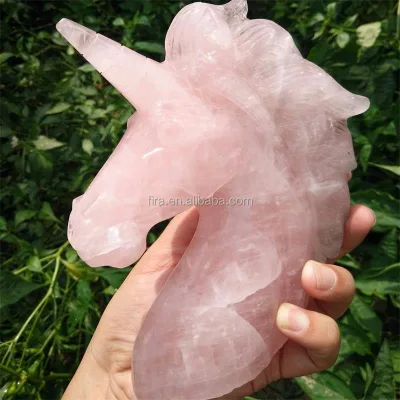


Custom Hand-Carved Sheep Head Marble Flower Vase Statue Large Planter Pots
$200.00 - $3500.00
MOQ: 1 Pieces
Comprehensive Sourcing Guide
Handmade Carved Moose Bobble Head Sourcing Guide
Sourcing a Handmade Carved Moose Bobble Head requires a nuanced understanding of the intersection between artisanal craftsmanship and mass-production logistics. These items are typically categorized under polyresin figurines, where the "handmade" and "carved" descriptors refer to the initial sculpting and detailing phases rather than the entire manufacturing lifecycle. Buyers must recognize that while the aesthetic is luxury or natural, the underlying material is often polyresin, which allows for intricate detail reproduction that is difficult to achieve with plastic injection molding. The core appeal lies in the customization potential, where suppliers offer OEM and ODM services to create unique animal designs, specifically moose, for various commercial applications.
The procurement process for these goods is heavily influenced by the dual nature of the product: it is both a decorative art piece and a commercial souvenir. Listings often highlight features such as hand-painted surfaces, custom colors, and specific sizes ranging from 3 to 9 inches. However, the term "handmade" can be misleading if not properly defined in the purchase agreement. It usually implies that the mold creation and initial finishing are done by hand, while the casting and painting may involve semi-automated processes to meet volume demands. Understanding this distinction is critical for setting realistic expectations regarding lead times, quality consistency, and unit costs.
Product Scope and Observed Listing Signals
The market for handmade carved moose bobble heads is characterized by a wide variance in product specifications and supplier capabilities. Observed listings indicate that these products are primarily manufactured in Jiangsu and Fujian provinces in China, regions known for their polyresin and craft manufacturing expertise. The product type is frequently listed as either a "Bobble Head" or a "Figurine," with styles ranging from TV and movie characters to natural animal designs. The keyword "moose bobble head" suggests a specific niche within the broader animal design category, where the supplier’s ability to capture the distinct features of the animal, such as antlers and facial structure, is paramount.
Listing signals also reveal significant flexibility in customization options. Buyers can expect to find suppliers who accept custom colors, shapes, and sizes, with some offering single package sizes around 20x20x20 cm. The presence of certifications like BSCI, FAMA, CE, EN71-3, RoHS, and ASTM indicates that many suppliers cater to international markets with strict regulatory requirements. However, the observed minimum order quantities (MOQ) vary widely, from as low as 500 pieces to 2000 pieces, reflecting the different production scales of various factories. This variability means that buyers must carefully align their order volume with the supplier’s capacity and willingness to accommodate smaller or larger batches.
Technical Specifications to Verify
When evaluating technical specifications, the material composition is the most critical factor to verify. Although the product is described as "handmade carved," the primary material is often polyresin, which provides the necessary durability and detail retention for bobble heads. Buyers should confirm the specific type of polyresin used, as this affects the weight, finish, and environmental impact of the product. The surface treatment is typically painted, and the technique is described as hand-painted, which contributes to the unique appearance of each unit. However, buyers should clarify whether the painting is entirely manual or if airbrushing and stenciling are used to maintain consistency across large orders.
Size and weight specifications are also essential for logistics and pricing calculations. Observed sizes range from 3 to 9 inches, with some listings specifying a single gross weight of 2.0 kg for a 20x20x20 cm package. These dimensions suggest that the bobble heads are substantial enough to be considered premium decorative items but not so large as to incur excessive shipping costs. Buyers should verify the exact dimensions and weight of the product they intend to order, as variations in size can significantly impact the unit price and shipping volume. Additionally, the "bobble" mechanism itself should be inspected for durability and smoothness, as this is a key functional aspect of the product.
Compliance and Safety Documentation
Compliance and safety documentation are non-negotiable for importing handmade carved moose bobble heads, especially if they are intended for use as gifts or children’s toys. The observed certifications include BSCI, FAMA, CE, EN71-3, RoHS, and ASTM, which cover a range of social, environmental, and safety standards. EN71-3 and ASTM are particularly relevant if the product is marketed towards children, as they specify limits for certain elements in toy materials. Buyers must ensure that the supplier can provide valid, up-to-date test reports from accredited laboratories, as these documents are often required for customs clearance and retail compliance in various countries.
Beyond material safety, social compliance certifications like BSCI are crucial for maintaining ethical supply chains. These audits verify that the supplier adheres to standards regarding labor practices, working conditions, and environmental management. For brands that prioritize corporate social responsibility, verifying these certifications is a key part of the supplier qualification process. Buyers should also inquire about the supplier’s internal quality control procedures, including how they handle defective units and whether they conduct pre-shipment inspections. This information helps mitigate the risk of receiving substandard products and ensures that the supplier is committed to maintaining high-quality standards.
Cost Drivers and Commercial Terms
The cost of handmade carved moose bobble heads is driven by several factors, including material costs, labor intensity, and customization complexity. The "handmade" and "hand-painted" aspects of the production process contribute significantly to the unit price, as they require skilled labor and more time per unit compared to fully automated manufacturing. Customization options, such as unique colors, shapes, and packaging, can further increase costs due to the need for custom molds and additional painting steps. Buyers should request detailed quotations that break down these costs to understand the true value proposition of each supplier.
Commercial terms, including MOQ and lead times, also play a significant role in the overall cost structure. Observed MOQs range from 500 to 2000 pieces, with sample lead times of around 15 days and production lead times of 35-45 days. These timelines can impact inventory management and cash flow, so buyers must plan accordingly. Additionally, the place of origin, whether Jiangsu or Fujian, may influence shipping costs and logistics options. Buyers should negotiate clear terms regarding payment methods, shipping responsibilities, and liability for defects to avoid unexpected expenses and delays.
Supplier Qualification and Quality Control
Supplier qualification is a critical step in ensuring the successful procurement of handmade carved moose bobble heads. Buyers should verify the supplier’s experience in producing polyresin figurines and their ability to handle custom orders. This can be done by reviewing their portfolio, requesting references, and conducting factory audits if possible. The supplier’s ability to provide OEM and ODM services is also a key indicator of their flexibility and technical capability. Buyers should assess the supplier’s communication skills and responsiveness, as these factors are essential for managing the customization process and resolving any issues that may arise during production.
Quality control measures must be clearly defined and enforced throughout the production process. Buyers should establish detailed quality standards, including acceptable levels of paint finish, structural integrity, and bobble mechanism functionality. Pre-production samples should be approved before mass production begins, and in-process inspections should be conducted to catch any defects early. Final random inspections (FRI) should be performed before shipment to ensure that the products meet the agreed-upon quality standards. Buyers should also clarify the supplier’s policy for handling defective units, including whether they offer replacements or refunds.
Long-Term Procurement Checks
Long-term procurement success depends on establishing a sustainable and reliable supply chain for handmade carved moose bobble heads. Buyers should regularly review supplier performance metrics, including on-time delivery rates, product quality, and responsiveness to issues. Building a strong relationship with the supplier can lead to better pricing, priority production, and improved communication. Buyers should also stay informed about changes in regulations and market trends that may affect the product, such as new safety standards or shifts in consumer preferences for sustainable materials.
Continuous improvement and innovation are key to maintaining a competitive edge in the market. Buyers should work with suppliers to explore new design possibilities, materials, and production techniques that can enhance the product’s appeal and value. This may include experimenting with different finishes, packaging options, or customization features. By fostering a collaborative relationship with the supplier, buyers can ensure that their handmade carved moose bobble heads remain relevant and desirable to customers over time. Regular feedback and joint problem-solving sessions can help identify areas for improvement and drive long-term success.
FAQs
What materials are used for the moose bobble head?
The product is crafted from polyresin material to ensure durability and detail. This material allows for hand-painted finishes and supports the custom sculpted shapes required for animal designs.
Can I order custom sizes for the bobble head?
Yes, custom sizes are available including 3 inch, 4 inch, 5 inch, 6 inch, 7 inch, 8 inch, and 9 inch options. Buyers can select specific dimensions to fit their decoration or gift requirements.
What is the minimum order quantity for this item?
The minimum order quantity varies by supplier, with observed values ranging from 500 to 2000 pieces. Some listings indicate a standard MOQ of 1000 pieces for custom orders.
How long does production take for custom orders?
Production time typically ranges from 35 to 45 days for bulk manufacturing. Sample leading time is approximately 15 days before full-scale production begins.
Are there certifications for safety and quality?
Certifications such as BSCI, FAMA, CE, EN71-3, RoHS, and ASTM are available depending on the specific supplier. These ensure the product meets international safety and quality standards for toys and gifts.
Is OEM and ODM service available for this product?
OEM and ODM services are warmly welcomed by manufacturers. Buyers can request custom branding, designs, and packaging to suit their specific business gift or souvenir needs.
Where are these bobble heads manufactured?
Products originate from manufacturing locations in Jiangsu and Fujian, China. These regions are known for producing hand-crafted polyresin figurines and decorative items.