Source Handmade Carved Wood Storage Chest for Home Decor, Gift, Art
Compare 30 listings for Handmade Carved Wood Storage Chest options from Shandong, China. Buyers can review solid wood materials, custom shapes, and OEM services for home decoration, gifts, and art collection needs.
Key considerations
Products List
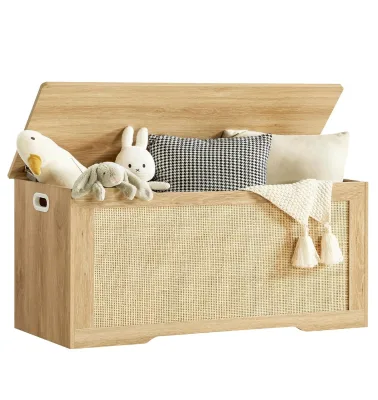
Entryway Multifunctional Natural Wooden Storage Bench Kids Toy Storage Chest
$11.68 - $12.59
MOQ: 200 pieces


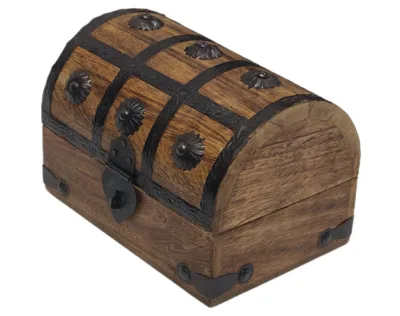
Factory Custom Sample Natural Wood Handmade Wooden Storage Box for Home Decor
$3.99 - $6.79
MOQ: 500 Pieces


Wooden Rustic Style Home Furniture Bedroom Storage Cabinet Drawer Chest
$30.00 - $50.00
MOQ: 50 Pieces


Wooden Living Room Storage Cabinet Home Furniture Solid Oak Chest of Drawers
$30.07 - $31.00
MOQ: 50 Pieces

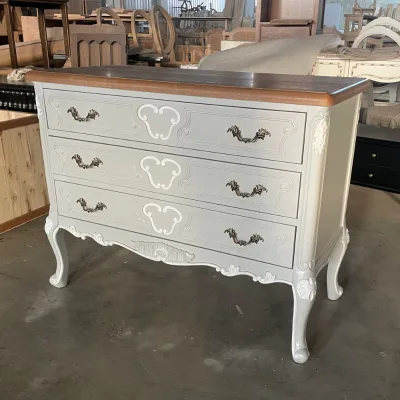
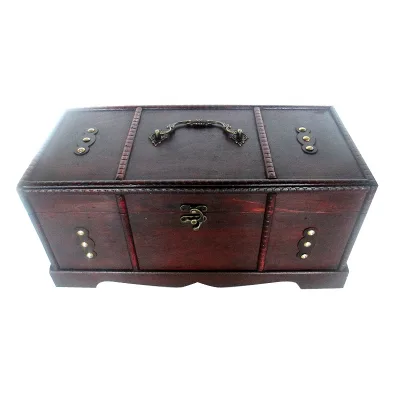

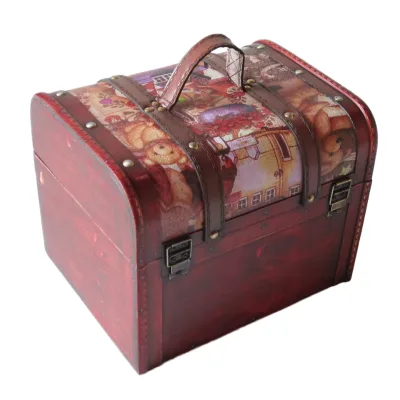


Chinese Manufacturer Customized Natural Cane Rattan Wooden 3 Drawer Chest
$72.00 - $104.00
MOQ: 30 Pieces




Comprehensive Sourcing Guide
Strategic Sourcing Guide for Handmade Carved Wood Storage Chests
Procuring handmade carved wood storage chests requires a nuanced understanding of the intersection between artisanal craftsmanship and industrial supply chain reliability. The market for these items is characterized by a wide variance in design complexity, material sourcing, and compliance requirements. Buyers must navigate a landscape where "handmade" implies specific labor-intensive processes, while "storage chest" dictates functional utility and dimensional precision. This guide outlines the critical factors for sourcing these products effectively, drawing upon observed market data and technical specifications to ensure a robust procurement strategy.
Technical Specifications and Dimensional Analysis
The physical attributes of a Handmade Carved Wood Storage Chest are the primary determinants of its utility and aesthetic value. Based on observed product data, dimensions can vary significantly, with specific models recorded at sizes such as 39.4 by 15.7 by 19.6 inches. These measurements indicate a substantial footprint suitable for living rooms, entryways, or bedroom storage. However, the "Shape" attribute is not uniform; listings indicate options ranging from "Rectangle" to "Human" or "Cartoon" forms, and even "multiple" configurations. This variability necessitates that buyers verify the exact geometric profile before finalizing an order, as the shape directly impacts packaging logistics and display requirements.
Material composition is another critical technical specification. The core material is consistently identified as "Solid Wood," with specific references to "Natural Color" and "Brown" finishes. The "Wood Type" is often customizable, suggesting that buyers have the agency to specify species or finish treatments. The surface handling techniques are equally diverse, with "Carving" being the defining process for the handmade aspect, often accompanied by "Embossing" or "Polished" finishes. The "Style" can range from "Handmade" and "Retro" to "Folk Art" and "Cartoon," indicating that the carving depth and motif must be clearly defined in the technical drawing. Furthermore, the "Decoration" is frequently listed as "Tabletop," which may imply that some units are designed as decorative pieces rather than heavy-duty storage, requiring a distinction in structural load testing.
Compliance, Certification, and Safety Standards
For buyers targeting international markets, particularly in North America and Europe, compliance with fire retardant and chemical safety standards is non-negotiable. The observed data lists a specific set of fire retardant standards, including ISO Shape: Rectangle, EN 1021, Cal 117, BS 7176, BS 7177, BS 5852, ANSI E1537, and ISO 8191. These standards cover various testing methods for ignition resistance and flammability, which are essential for furniture intended for public or commercial use. Buyers must verify that the supplier can provide test reports confirming adherence to these specific standards, as the "Fire Retardant Standard" is not a single universal metric but a suite of regional requirements.
In addition to fire safety, chemical compliance is paramount. The supply chain data references "FDA," "Ca65" (California Proposition 65), and "Reach" (Registration, Evaluation, Authorization and Restriction of Chemicals) as available test report categories. These certifications are critical for products that may come into contact with food, cosmetics, or general household items, as the usage attributes include "Food," "Health Care Products," and "Cosmetics." The presence of these standards suggests that the wood and any applied finishes must be free from harmful volatile organic compounds (VOCs) and heavy metals. Buyers should request current, third-party laboratory reports for these specific certifications rather than relying on general claims of being "Eco-friendly." The "Eco-friendly" attribute is a broad claim that requires substantiation through these specific chemical compliance documents.
Cost Drivers and Pricing Dynamics
The pricing structure for handmade carved wood storage chests is influenced by several distinct variables. The observed price range in the market spans from $2.34 to $499 USD, a wide disparity that reflects differences in wood quality, carving complexity, and order volume. The lower end of this spectrum likely corresponds to simpler designs, smaller dimensions, or mass-produced elements, while the higher end reflects intricate hand-carving, premium solid wood species, and custom finishes.
A significant cost driver is the Minimum Order Quantity (MOQ). The data indicates an MOQ range of 2 to 500 pieces, with specific listings showing an MOQ of 500 PCS. This high threshold for custom orders can significantly impact the unit cost for smaller buyers. Buyers must weigh the benefits of customization against the financial burden of meeting high MOQs. Additionally, the "Sample Fee" is a standard cost factor, with observed fees around $50. This fee is typically non-refundable but serves as a critical step in validating the quality before committing to a mass production run. The "Mass Production Lead Time" is another financial consideration, ranging from 25 to 55 days. Longer lead times can increase inventory holding costs and affect cash flow, making accurate forecasting essential for procurement planning.
Typical Applications and Usage Scenarios
The versatility of handmade carved wood storage chests allows for a broad range of applications, which must be clearly defined during the sourcing process. The "Usage" attributes observed include "Home Decoration," "Art & Collectible," "Personal Decoration," and "Gift." This suggests that these items serve dual purposes: functional storage and aesthetic display. The "Application" field further categorizes them for use in "Home Decoration" and as "Art & Collectible" pieces.
However, some listings indicate usage for "Food," "Electronics," "Drinks," "Health Care Products," and "Jewelry." This broad scope implies that the chests may be used for storing items that require specific environmental controls or protection. For instance, storing jewelry requires a dry, dust-free environment, while storing food items necessitates non-toxic, food-safe finishes. The "Theme" is often described as "Folk Art" or "Home Decoration," reinforcing the decorative nature of the product. Buyers must ensure that the internal construction and finish are suitable for the intended contents. If the chest is intended for storing electronics or sensitive items, the wood's moisture resistance and the stability of the joinery become critical quality parameters.
Supplier Evaluation and Customization Capabilities
Evaluating a supplier for handmade wood products requires a focus on their capability to manage customization and maintain consistency. The data indicates that "OEM/ODM" services are accepted, and "Customized Logo" options are available through techniques like "Silk Screen Print," "Laser Engrave," and "Hot Stamp." This flexibility is a key differentiator for buyers looking to brand their products. However, the "Style" and "Shape" are often listed as "Customizable" or "Multiple," which requires clear communication to avoid ambiguity.
The "Product Name" and "Model Number" (e.g., HYF-L25042705, ZY20230822) provide a framework for tracking, but the "Type" can vary from "Box" to "Handicraft." This variation suggests that suppliers may offer both standardized inventory and bespoke items. Buyers should verify the supplier's "Processing" capabilities, specifically their expertise in "Carving" and "Surface Handling." The "Packing" methods, ranging from "Carton Box" to "Bubble Bag; Inner Box; Carton Box," are crucial for protecting the delicate carved surfaces during transit. A supplier with robust packaging protocols is essential to prevent damage to the "Handmade" and "Polished" finishes. The "Place of Origin" is consistently noted as "Shandong, China," a region known for woodworking, but buyers should still verify the specific factory's capacity and history.
Quality Control and Long-Term Procurement Considerations
Quality control for handmade wood products must address both aesthetic consistency and structural integrity. The "Feature" of being "Eco-friendly" and the "Style" of being "Handmade" imply that natural variations in wood grain and color are expected. However, the "Technique" of "Polishing" and "Carving" must be executed to a high standard to ensure a smooth finish without splinters or rough edges. The "Surface Handling" options, including "Embossing," add another layer of complexity that requires strict quality checks to ensure the embossed patterns are uniform and deep enough to be visible but not prone to peeling.
Long-term procurement considerations involve the reliability of the supply chain and the scalability of production. The "Mass Production Lead Time" of 25-55 days indicates a significant production cycle. Buyers should plan for this lead time when forecasting inventory needs, especially for seasonal items. The "Sample Fee" and the ability to customize "Wood Type" and "Surface Handling" suggest a collaborative relationship with the supplier. To mitigate risks, buyers should implement a phased ordering strategy, starting with samples to verify the "Test Report" compliance and physical quality before moving to full production. The "Standard" being "Customized" means that every order may have unique requirements, necessitating a detailed purchase order that explicitly lists all technical specifications, including dimensions, wood type, finish, and compliance standards.
| Attribute Category | Key Observation | Procurement Action |
|---|---|---|
| Dimensions | 39.415.719.6 inches (observed) | Verify exact L/W/H for shipping and display. |
| Material | Solid Wood, Natural Color/Brown | Specify wood species and finish type. |
| Compliance | FDA, Ca65, Reach, EN 1021, Cal 117 | Request current third-party test reports. |
| MOQ | 2 to 500 PCS (varies by model) | Negotiate based on volume and customization. |
| Lead Time | 25-55 Days | Plan inventory 2 months in advance. |
| Packaging | Carton Box, Bubble Bag, Inner Box | Confirm packaging for fragile carved details. |
| Customization | Logo, Shape, Style, Wood Type | Provide detailed technical drawings and samples. |
In conclusion, sourcing handmade carved wood storage chests is a complex process that demands attention to detail in technical specifications, compliance verification, and supplier capability assessment. By rigorously evaluating the factors outlined above, buyers can secure high-quality products that meet their functional and aesthetic requirements while navigating the challenges of international trade and customization. The key to success lies in clear communication, thorough due diligence, and a structured approach to quality control throughout the procurement lifecycle.
FAQs
What are the typical dimensions for a Handmade Carved Wood Storage Chest?
Typical dimensions observed include 39.4 by 15.7 by 19.6 inches. Buyers should verify exact measurements as shapes vary from rectangular to human or cartoon forms, which impacts shipping and display requirements.
Which fire retardant standards apply to these wooden storage chests?
Applicable standards include EN 1021, Cal 117, BS 7176, and ISO 8191. Buyers must request third-party test reports confirming adherence to these specific regional requirements for commercial or public use.
Can I customize the logo and wood type for this product?
Yes, customization is available for logos via silk screen, laser engraving, or hot stamping. The wood type and surface handling are also customizable, allowing buyers to specify species and finishes like natural color or brown.
What is the minimum order quantity for custom handmade storage chests?
The minimum order quantity ranges from 2 to 500 pieces depending on the specific model. Some listings require an MOQ of 500 pieces, which significantly impacts unit costs for smaller buyers seeking customization.
How long does mass production take for these carved wood items?
Mass production lead times typically range from 25 to 55 days. Buyers should plan inventory needs well in advance to accommodate this production cycle and avoid delays in receiving their orders.
What certifications are available for chemical safety compliance?
Available test reports include FDA, Ca65, and Reach certifications. These are essential for products intended for food, cosmetics, or health care products to ensure finishes are free from harmful volatile organic compounds.