Source Handmade Eco-Friendly Flower Basket with Handles for Storage, Gifts, and Home Decor
Explore 30 listings of a handmade eco-friendly flower basket with handles crafted from bamboo and straw. Buyers can compare customizable models, weaving techniques, and packaging options for general storage, food, and apparel uses.
Key considerations
Products List


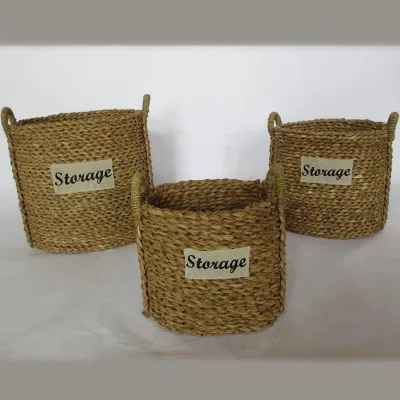
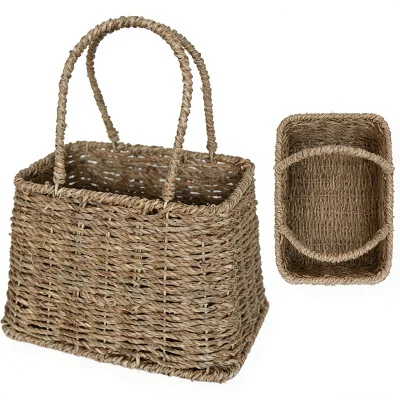


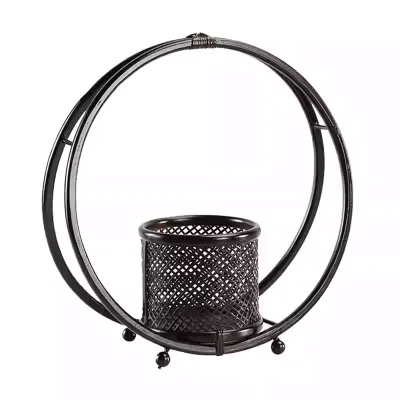

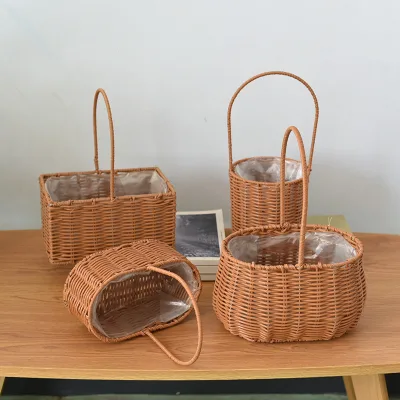
Handmade Hanging Woven Plant Flower Pot Interior Decoration Storage Basket
$0.96 - $1.10
MOQ: 500 Pieces


Comprehensive Sourcing Guide
Strategic Sourcing Guide for Handmade Eco-Friendly Flower Baskets with Handles
Understanding Product Variations and Technical Specifications
When sourcing handmade eco-friendly flower baskets with handles, buyers must first navigate a complex landscape of product attributes that define the final utility and aesthetic of the item. The core keyword implies a specific intersection of manual craftsmanship, sustainable materials, and functional design. Based on available market data, the material composition for these items is predominantly natural, with Bamboo and Straw being the primary fibers observed in high-volume listings. These materials are selected not only for their environmental profile but for their inherent structural integrity when woven.
The manufacturing process is a critical differentiator. The data indicates that the primary production method is Hand Weaving, often categorized under broader Handmade or Other processing techniques. This manual intervention ensures that each unit possesses unique textural qualities, distinguishing it from mass-produced, machine-woven alternatives. However, buyers should note that while the weaving is manual, secondary processing steps such as Painting are frequently applied to enhance visual appeal or provide a protective coating. The shape of these baskets varies significantly, ranging from Round and Irregular forms to specific configurations like Human shapes for decorative purposes. This variability means that a single supplier may offer a diverse catalog, requiring precise specification during the ordering phase.
The structural design often includes handles, which are integral to the "flower basket" classification. These handles are typically formed by extending the weaving technique used for the body, creating a seamless transition between the container and the carrying mechanism. The product type is broadly categorized as Storage Baskets, Storage Boxes & Bins, or Handicrafts, depending on the intended end-use. For floral applications, the Food and Garden usage tags suggest that these baskets are suitable for holding fresh produce or potted plants, provided the material is treated or selected to withstand moisture. The Unfolded state of the product implies that these are rigid structures rather than collapsible designs, which is a vital consideration for storage logistics and shipping volume.
Material Selection and Environmental Compliance
The "eco-friendly" designation in the product title is a primary driver for procurement decisions, yet it requires rigorous verification against specific material facts. The observed materials, Bamboo and Straw, are inherently renewable and biodegradable, aligning with global sustainability goals. The Feature: Eco-Friendly attribute is explicitly listed for certain product models, confirming that manufacturers are marketing these items based on their natural composition. However, buyers must be cautious not to assume that all listed products meet a universal "green" standard without verification.
Compliance in this sector often hinges on the treatment of the raw materials. While the base material is natural, the Painted processing step introduces potential chemical considerations. Buyers should request documentation regarding the paints or finishes used to ensure they are non-toxic, particularly if the baskets are intended for Food usage or Home Decoration where direct contact with skin or air is frequent. The Quality: High Quality attribute suggests that reputable suppliers prioritize durability, but this is a qualitative claim that must be validated through physical inspection or third-party testing.
Furthermore, the Customizable nature of the prod_standard and prod_model allows buyers to specify material blends or treatment methods. For instance, a buyer might request untreated straw for a purely natural look or treated bamboo for increased water resistance. The Standard specifications observed in the data, such as specific dimensions like 25X25X18CM or 24x12/37cm, provide a baseline for sizing but do not constitute a universal regulatory standard. Buyers should verify that the supplier's internal quality standards align with the destination market's requirements for natural fiber products, which may include restrictions on pesticide residues in bamboo or straw.
Cost Drivers and Pricing Dynamics
The pricing structure for handmade eco-friendly flower baskets with handles is influenced by a combination of labor intensity, material scarcity, and customization complexity. The observed price range in the market spans from 0.03 to 68 USD, a wide disparity that reflects the vast difference between basic, small-scale items and large, intricately designed pieces. The lower end of this spectrum likely corresponds to simple, small straw baskets with minimal finishing, while the higher end encompasses large bamboo structures with complex weaving patterns, custom painting, and specialized packaging.
Labor costs are the most significant variable in this category. Since the primary process is Hand Weaving, the time investment per unit is substantial compared to machine production. Any increase in the complexity of the weave or the size of the basket directly correlates with higher unit costs. Additionally, the Customization options available, such as Customizable models and Customizable packaging, add layers of cost. A standard UNI4463 model may be priced differently than a fully bespoke design requiring a new mold or weaving pattern.
The MOQ (Minimum Order Quantity) range of 1 to 1000 units further impacts the cost structure. Small buyers ordering single units or small batches will face a higher per-unit cost due to the setup time required for manual processes. Conversely, bulk orders of 1000 units may benefit from economies of scale, though the manual nature of the work limits the extent of these savings. Buyers should also consider the prod_packing costs, which can vary from simple Carton wrapping to elaborate Carton + Hangtag + Plastic Bag configurations. The choice of packaging, especially if it requires Five-Ply Corrugated Carton for heavy items, will add to the total landed cost.
Typical Applications and Usage Scenarios
The versatility of handmade eco-friendly flower baskets with handles makes them suitable for a wide array of applications, extending beyond simple floral display. The Usage attributes observed in the market data include Food, Garden, Storage, Apparel, Book / Magazine, Sundries, Bedding, Shoes, and Tools. This broad applicability indicates that these baskets serve as functional storage solutions as well as decorative elements.
In a Garden setting, these baskets are ideal for holding potted plants, cut flowers, or gardening tools. The Straw Storage Flower Basket model, for example, is explicitly designed for this purpose, leveraging the natural aesthetic to blend with outdoor environments. For Home Decoration, the Countryside Style and Minimalist design options allow these items to complement various interior themes. The Human shape variants suggest a niche market for artistic or collectible items, while the Round and Irregular shapes offer flexibility for general household organization.
Commercial applications are also significant. The Commerce Gifts & Decoration and Religion Gifts usage tags indicate that these baskets are often used in gifting scenarios. Their Eco-Friendly nature makes them attractive for corporate gifts or event favors, particularly in industries that prioritize sustainability. The Food usage tag suggests that some models may be suitable for serving or displaying fresh produce, provided the material is food-safe. Buyers should carefully match the basket's finish and material treatment to the specific application to ensure safety and durability.
Supplier Evaluation and Quality Control Protocols
Evaluating suppliers for handmade products requires a focus on craftsmanship consistency and adherence to stated specifications. Since the Process is Hand Weaving, there is an inherent variance in every unit. A robust quality control (QC) protocol must account for this natural variation while ensuring that the product meets the buyer's functional requirements. Buyers should verify the supplier's ability to maintain consistency across large batches, as manual production can lead to deviations in weave tightness, handle strength, and overall dimensions.
The Location data indicates that many suppliers are based in China, with specific mentions of Shandong China. This regional concentration suggests a mature supply chain for bamboo and straw products, but buyers should still conduct due diligence on individual factories. Key evaluation criteria should include the supplier's experience with Customizable orders, their ability to provide samples that match the prod_standard dimensions, and their track record for High Quality output.
Quality control checks should focus on several critical areas:
- Structural Integrity: Testing the strength of the handles and the stability of the base, especially for baskets intended to hold heavy items like soil or tools.
- Finish and Coating: Inspecting painted or treated surfaces for peeling, discoloration, or uneven application.
- Dimensional Accuracy: Verifying that the final product matches the specified prod_standard measurements, such as the 26x12x11cm or 40x27cm dimensions observed in the data.
- Packaging: Ensuring that the Carton/Palletizing or Five-Ply Corrugated Carton packaging is sufficient to protect the fragile woven structure during transit.
Buyers should also request evidence of the supplier's Customization capabilities. The ability to produce Customizable models and Customizable standards indicates a flexible manufacturing process capable of meeting specific design requirements.
Long-Term Procurement and Supply Chain Considerations
Sourcing handmade eco-friendly flower baskets with handles involves long-term considerations regarding supply chain stability and product lifecycle. The Customizable nature of the prod_model and prod_standard offers flexibility for future product lines, allowing buyers to adapt to changing market trends or seasonal demands. However, reliance on manual processes can introduce lead time variability. Buyers should establish clear communication channels with suppliers to manage expectations regarding production schedules, especially for large orders that may require significant weaving time.
Sustainability remains a core value proposition for these products. As global regulations on single-use plastics and synthetic materials tighten, the demand for natural fiber alternatives like Bamboo and Straw is expected to grow. Buyers should position their procurement strategy to capitalize on this trend by ensuring that their suppliers maintain consistent access to high-quality raw materials. The Eco-Friendly feature is not just a marketing label but a strategic asset that can enhance brand reputation.
Furthermore, the Sets: 1-3PCS attribute suggests that these baskets are often sold in coordinated sets. Buyers should consider the logistics of selling or distributing these sets, ensuring that the prod_packing supports the set configuration without damage. The Style variations, including Pastoral, Simple, and Minimalist, indicate that buyers can curate a diverse product portfolio to appeal to different customer segments. Long-term success in this category depends on maintaining a balance between aesthetic appeal, functional durability, and sustainable sourcing practices.
Comparative Analysis of Product Attributes
To assist in decision-making, the following table summarizes key attributes observed in the market for handmade eco-friendly flower baskets with handles. This comparison highlights the diversity in specifications and helps buyers identify the most suitable options for their specific needs.
| Attribute Category | Observed Variations | Key Considerations for Buyers |
|---|---|---|
| Material | Bamboo, Straw | Verify food safety if used for food; check for pesticide residues. |
| Process | Hand Weaving, Painted, Weave | Expect natural variation; inspect paint finish for durability. |
| Shape | Round, Irregular, Human | Ensure shape matches intended display or storage function. |
| Style | Countryside, Minimalist, Simple, Pastoral | Align style with target market aesthetic preferences. |
| Usage | Food, Garden, Storage, Decoration | Confirm material treatment is suitable for the specific use case. |
| Packaging | Carton, Palletizing, Carton + Hangtag + Plastic Bag | Assess packaging strength for shipping and retail presentation. |
| Customization | Customizable Model, Customizable Standard | Confirm supplier capacity for bespoke designs and dimensions. |
| Origin | China, Shandong China | Verify logistics costs and lead times based on specific location. |
This table underscores the importance of detailed specification during the sourcing process. By carefully selecting the right combination of material, style, and function, buyers can secure high-quality handmade flower baskets that meet both commercial and environmental objectives.
FAQs
How are these baskets typically manufactured?
These baskets are primarily manufactured using hand weaving techniques as a core process. While the main structure is handmade, some units may undergo secondary processing like painting to enhance their visual appeal or provide a protective coating for durability.
What materials are used to make these baskets?
The primary materials observed for these products are bamboo and straw, which are selected for their structural integrity and eco-friendly profile. These natural fibers allow for the creation of diverse shapes ranging from round to irregular forms suitable for various storage needs.
Can I request custom dimensions for my order?
Yes, customization is available for product models and standards, allowing buyers to specify unique dimensions. Suppliers offer flexible options to tailor the basket size, such as specific measurements like 25x25x18cm or other custom configurations to meet your exact requirements.
What is the minimum order quantity for these items?
The minimum order quantity ranges from 1 to 1000 units depending on the supplier and product complexity. Small buyers can order single units, while bulk orders of 1000 units may benefit from different pricing structures due to the manual nature of the production process.
Where are these handmade baskets typically sourced from?
These products are predominantly sourced from China, with specific manufacturing hubs identified in regions like Shandong. Buyers should verify the specific origin of the supplier to ensure alignment with their logistics and quality expectations for natural fiber goods.
What packaging options are available for shipping?
Packaging is customizable and often includes cartons, palletizing, or five-ply corrugated cartons for heavy items. Some listings specify detailed packaging like cartons with hangtags and plastic bags to ensure the fragile woven structure is protected during transit.
Are these baskets suitable for food storage applications?
Yes, the product usage tags indicate suitability for food, garden, and storage applications. However, buyers must verify if the specific paint or treatment used on the bamboo or straw is food-safe before using the basket for direct food contact or display.