Source Handmade Eco-Friendly Ceramic Coffee Mug with Lid for Home, Hotel, Office
Compare 30 listings for Handmade Eco-Friendly Ceramic Coffee Mug with Lid options featuring custom designs, various packaging, and OEM/ODM capabilities. Buyers can evaluate materials like stoneware and porcelain, lead times, and customization features for diverse applications including home, hotel, and office use.
Key considerations
Products List
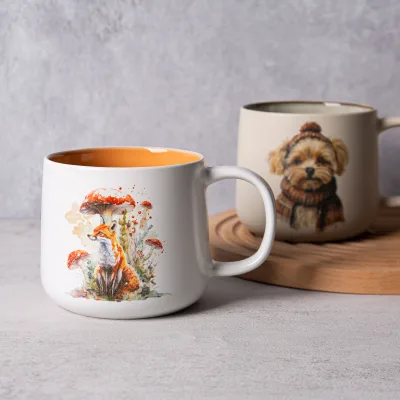

Porcelain White Handmade Customized Cork Base Ceramic Coffee Water Mug with Lids
$0.35 - $0.55
MOQ: 1000 Pieces


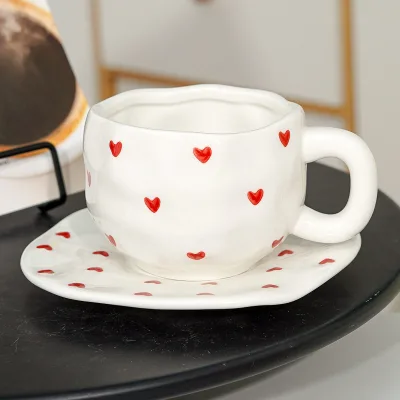
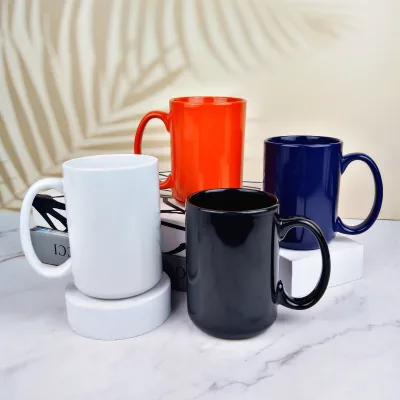
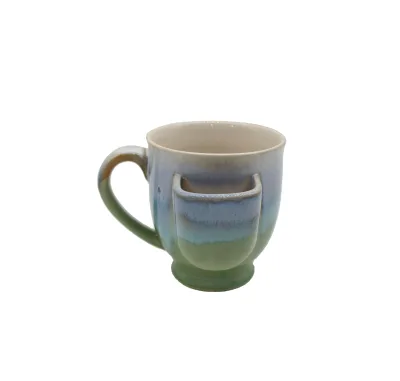
Large Ceramic Coffee Mugs with Handle Handmade Porcelain Tea Water Drink Cups
$1.35 - $2.98
MOQ: 1000 Pieces










Comprehensive Sourcing Guide
Strategic Sourcing Guide for Handmade Eco-Friendly Ceramic Coffee Mugs with Lids
Understanding Product Attributes and Material Composition
When sourcing a handmade eco-friendly ceramic coffee mug with a lid, the primary focus must be on the fundamental material composition and the specific manufacturing techniques that define the product's integrity. Based on the available market data, the core material for these items is consistently identified as ceramic, specifically categorized under stoneware or porcelain. These materials are selected for their ability to withstand high temperatures, a critical feature for hot beverages like coffee, tea, and milk. The structural design is typically described as a single-layer ceramic cup, which distinguishes it from double-walled vacuum flasks, though the application scope often includes scenarios requiring thermal retention for both hot and cold drinks.
The aesthetic and functional finish is achieved through glaze techniques, which provide a smooth, non-porous surface essential for daily use and hygiene. The "handmade" aspect, while often implied in the artisanal nature of ceramic goods, requires verification of the production process to ensure that the "eco-friendly" claim is not merely marketing. In the context of these products, sustainability is a documented attribute, suggesting that the sourcing strategy should prioritize manufacturers who utilize natural clay sources and energy-efficient firing processes. The product shape is often flexible, with OEM and ODM capabilities allowing for custom geometries, ranging from standard cylindrical forms to more complex designs suitable for specific branding needs.
Technical Specifications and Customization Capabilities
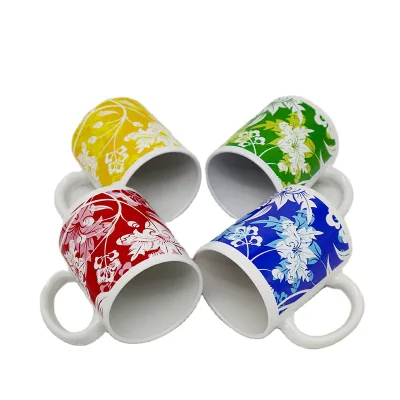
The technical specifications for sourcing these mugs reveal a high degree of flexibility, which is essential for B2B buyers looking to create unique product lines. The model numbers observed in the market, such as JN0277 and 60006, indicate that while standard SKUs exist, the industry heavily favors customization. The capacity of the mugs is listed as customizable, meaning buyers are not restricted to standard ounce measurements but can request specific volumes to match their brand identity or usage requirements. Similarly, the color options are extensive, with "customized color" appearing repeatedly in product attributes, allowing for multicolor designs or solid branding colors.
Customization extends beyond aesthetics to functional accessories. The product listings frequently mention the inclusion of a handgrip and the option for lids, which aligns with the core keyword of a mug with a lid. The packaging is equally versatile, offering choices such as white boxes, color boxes, cylinder boxes, and grid boxes. For buyers concerned with the "handmade" narrative, the packaging should reflect the artisanal quality, often utilizing eco-friendly materials that complement the ceramic product. The single package size is typically around 15x10x8 cm, with a gross weight of approximately 0.350 kg, which are critical metrics for calculating shipping costs and logistics planning.
| Specification Category | Observed Attributes | Sourcing Verification Point |
|---|---|---|
| Material | Ceramic, Stoneware, Porcelain | Verify clay source and firing temperature |
| Structure | Single-layer Ceramic Cup | Confirm wall thickness and heat retention |
| Capacity | Customized | Request specific volume measurements |
| Color | Customized, Multicolor | Check color fastness and glaze consistency |
| Accessories | Handgrip, Lid, Gift Box | Confirm lid fitment and handle durability |
| Packaging | White Box, Color Box, Cylinder Box | Assess packaging material sustainability |
Compliance, Certification, and Environmental Standards
While the product attributes explicitly list "eco-friendly" and "sustainability" as key features, the absence of specific certification names in the provided data necessitates a rigorous verification process by the buyer. In the ceramic industry, "eco-friendly" can refer to various aspects, including the sourcing of raw materials, the energy efficiency of the kiln, or the non-toxic nature of the glazes used. Buyers must not assume that a product labeled as eco-friendly automatically meets international safety standards for food contact.
The standard for these products is often defined as "same as client size," which implies a lack of rigid, pre-set industry standards in the listing. This places the burden on the buyer to define the compliance requirements. For ceramic mugs intended for food and beverage use, the primary concern is the safety of the glaze, particularly regarding lead and cadmium leaching. Buyers should request test results from independent laboratories to verify that the glaze meets the safety standards of their target market, such as FDA regulations in the United States or EU Directive 84/500/EEC.
Furthermore, the "handmade" designation often implies a lower level of industrial standardization compared to mass-produced items. This requires a specific focus on quality control protocols to ensure that every unit meets the safety and functional criteria. The buyer should verify if the supplier has a documented quality management system, such as ISO 9001, which would provide a framework for consistent production and safety compliance. Without explicit certification data in the source material, the procurement strategy must prioritize suppliers who are transparent about their testing procedures and willing to provide third-party validation for their ceramic products.
Cost Drivers and Minimum Order Quantity Analysis
The cost structure for sourcing handmade ceramic mugs is influenced by several variables, including material costs, labor intensity, and customization complexity. The observed price range in the market spans from $0.20 to $8.00 USD, a wide spectrum that reflects the difference between basic mass-produced items and high-end, fully customized artisanal pieces. The lower end of this range likely corresponds to standard designs with minimal customization, while the higher end reflects complex shapes, intricate glazing, and premium packaging.
A critical factor in cost determination is the Minimum Order Quantity (MOQ). The data indicates an MOQ range of 50 to 5,000 units, with specific listings showing thresholds of 1,000, 1,500, and 5,000 pieces. This variation suggests that smaller buyers may face higher per-unit costs or limited supplier options, while larger orders benefit from economies of scale. The "handmade" nature of the product implies that labor is a significant cost driver; therefore, buyers should anticipate that custom designs requiring manual finishing will carry a premium over standard molds.
Additionally, the sample time and production lead time are significant cost considerations. Sample times range from 7 to 20 days, and full production delivery can take 15 to 50 days after sample confirmation. These timelines impact the overall cost of capital and inventory management. Buyers must factor in the cost of expedited shipping if the standard lead times do not align with their market launch schedules. The shipping method, whether by sea, air, or courier like DHL, also plays a pivotal role in the final landed cost, with air freight being significantly more expensive but faster.
Typical Applications and Market Segmentation
The versatility of ceramic coffee mugs with lids allows them to serve a broad range of applications, from everyday domestic use to specialized promotional events. The product attributes list applications including home, hotel, office, hiking, camping, weddings, parties, and sports events. This wide applicability indicates that the product is not limited to a single niche but can be adapted for various market segments. For instance, the "hiking" and "camping" applications suggest a need for durability and perhaps a specific lid design to prevent spills, while "wedding" and "party" applications emphasize aesthetic appeal and gift-ready packaging.
The "eco-friendly" attribute is particularly relevant for the growing market of environmentally conscious consumers and corporate sustainability initiatives. Companies looking to reduce their carbon footprint may prefer ceramic mugs over single-use plastics, positioning these products as a sustainable alternative for office coffee stations or hotel amenities. The "promotion" and "daily use" usage tags further highlight the product's dual role as a functional item and a branding vehicle. Customized logos and colors make these mugs ideal for corporate gifts, graduation souvenirs, and back-to-school promotions, where the visual impact of the product is as important as its utility.
Supplier Evaluation and Quality Control Protocols
Evaluating a supplier for handmade ceramic products requires a multi-faceted approach that goes beyond price comparison. The "handmade" aspect introduces variability in the final product, making the supplier's quality control (QC) processes paramount. Buyers should investigate the supplier's ability to maintain consistency across large batches, especially when dealing with custom colors and glazes. The observation of "Customized Logo Acceptable" and "Any Client Design Logo" suggests that the supplier has the technical capability for branding, but the buyer must verify the quality of the printing or engraving process to ensure durability and clarity.
Quality control should encompass both visual inspection and functional testing. Visual checks should focus on glaze consistency, color accuracy, and the absence of cracks or chips. Functional tests should include thermal shock resistance to ensure the mug can withstand hot liquids without cracking, and leak testing for the lid mechanism. Given the "single-layer ceramic cup" structure, buyers should also verify the weight and balance of the mug to ensure it feels substantial and high-quality. The supplier's ability to provide pre-shipment inspections or third-party QC reports is a strong indicator of their reliability.
Furthermore, the supplier's location, identified as Hunan, China, in the provided data, is a significant factor in logistics and communication. Buyers should assess the supplier's experience with international shipping and their ability to handle customs documentation. The "OEM and ODM Are Welcomed" attribute indicates a willingness to collaborate, but the buyer must ensure that the supplier has a clear communication channel and a responsive project management team to handle design iterations and production updates efficiently.
Long-Term Procurement and Relationship Management
Establishing a long-term procurement strategy for ceramic mugs involves more than just securing a single order; it requires building a partnership that ensures consistent quality and supply chain stability. The "Customized" nature of the product means that the relationship with the supplier will likely involve ongoing design collaboration and potential adjustments to the product line based on market feedback. Buyers should look for suppliers who demonstrate flexibility in handling order volume fluctuations, as the MOQ range suggests that demand may vary significantly between seasons or campaigns.
Sustainability should be a core component of the long-term strategy. As the "eco-friendly" attribute is a key selling point, buyers should work with suppliers to continuously improve the environmental impact of the production process. This could involve exploring more sustainable packaging options, reducing waste in the manufacturing process, or sourcing materials from certified sustainable suppliers. The "handmade" narrative is a valuable asset for marketing, but it must be backed by genuine sustainable practices to maintain credibility with consumers.
Finally, the buyer should consider the scalability of the supplier. As the brand grows, the supplier must be able to increase production capacity without compromising quality. The lead time of 40-50 days for full delivery indicates a need for advanced planning and inventory management. Buyers should establish clear communication protocols and regular review meetings to ensure that the supplier remains aligned with the brand's long-term goals and quality standards. By focusing on these strategic elements, buyers can secure a reliable supply of high-quality, eco-friendly ceramic coffee mugs that meet the demands of their target market.
FAQs
What material is used for the Handmade Eco-Friendly Ceramic Coffee Mug with Lid?
The product is made from ceramic, specifically stoneware or porcelain. This material withstands high temperatures and is suitable for both hot and cold beverages like coffee and tea.
Can I customize the capacity and color of the Handmade Eco-Friendly Ceramic Coffee Mug with Lid?
Yes, capacity and color are fully customizable to match your brand requirements. You can request specific volumes and multicolor designs while maintaining the single-layer ceramic structure.
What is the minimum order quantity for the Handmade Eco-Friendly Ceramic Coffee Mug with Lid?
The minimum order quantity ranges from 1,000 to 1,500 pieces depending on the specific supplier listing. Some vendors may accept orders as low as 500 units for standard designs.
How long does it take to receive samples of the Handmade Eco-Friendly Ceramic Coffee Mug with Lid?
Sample preparation typically takes between 7 to 20 days after design confirmation. Full production delivery usually requires 15 to 50 days following sample approval and payment.
Which packaging options are available for the Handmade Eco-Friendly Ceramic Coffee Mug with Lid?
Packaging includes white boxes, color boxes, cylinder boxes, and grid boxes. Custom packing is acceptable, and options often include a handgrip and gift box for enhanced presentation.
Can I add a custom logo to the Handmade Eco-Friendly Ceramic Coffee Mug with Lid?
Yes, customized logos are acceptable and can be applied using various techniques. Clients can provide any design for printing or engraving on the ceramic surface.
Where are the Handmade Eco-Friendly Ceramic Coffee Mug with Lid manufacturers located?
Manufacturers are primarily located in Hunan, China. This region offers established supply chains for ceramic production and export logistics via sea, air, or courier services.