Source Handmade Eco-Friendly Plush Toy for gifts decor and play
Find 30 verified options for Handmade Eco-Friendly Plush Toy featuring custom designs, CE and EN71 certifications, and materials like polyester and cotton. Compare specifications, MOQs, and customization support from Ningbo suppliers for home decor, gifts, and children's play.
Key considerations
Products List




Comprehensive Sourcing Guide
Handmade Eco-Friendly Plush Toy Sourcing Guide
Sourcing handmade eco-friendly plush toys requires a nuanced understanding of the tension between artisanal craftsmanship and industrial scalability. While the term "handmade" suggests unique, small-batch production, the current market data indicates a significant prevalence of machine-produced items that utilize eco-friendly materials or offer customization services. Buyers must carefully distinguish between true handcrafted goods and mass-produced plush toys that are marketed with "eco" or "custom" labels. The observed product landscape is dominated by items originating from Ningbo, China, where manufacturers leverage advanced production techniques to create soft toys that mimic the aesthetic of handmade goods while maintaining consistent quality and lower unit costs.
The core appeal of this category lies in its versatility and emotional resonance. These products are frequently designed as decorative items for home interiors or as gifts for children aged three and above. The visual appeal is often driven by cute animal motifs, such as teddy bears and cats, which are rendered in sitting or standing poses. Buyers should recognize that while the "eco-friendly" aspect may refer to the use of polyester or cotton fabrics, the "handmade" claim is often a misnomer in this specific supply chain segment. Instead, the value proposition rests on the ability to customize colors, logos, and packaging, allowing brands to create unique merchandise that feels personal and special, even if the underlying production is mechanized.
Product Scope and Observed Listing Signals
The observed product scope reveals a diverse range of plush items, from medium-sized sitting animals to smaller keychains and soft toys. Listings frequently highlight specific model numbers, such as AG-3C20240530 or SDCCVX23, which serve as unique identifiers for buyers navigating large catalogs. The materials listed are predominantly polyester and cotton fabrics, with fillings consisting of PP cotton or standard cotton. This combination offers a balance of durability, softness, and cost-effectiveness. Buyers should note that while the term "eco-friendly" is often associated with natural fibers, the widespread use of polyester indicates that many suppliers prioritize longevity and washability over biodegradability, a critical distinction for environmentally conscious procurement.
Pricing and minimum order quantities (MOQ) vary significantly across the observed listings, reflecting the flexibility of the supply chain. Prices range from as low as $0.50 to $9.00 per unit, with MOQs starting at just one piece for samples and scaling up to 5,000 pieces for bulk orders. This wide range allows buyers to test the market with minimal financial risk before committing to large-scale production. The availability of customized packing, including OPP bags, LDPE plastic bags, and cartons, further enhances the product's appeal for retail distribution. Buyers should leverage this flexibility to negotiate terms that align with their inventory management strategies, ensuring that the initial investment in samples and small batches does not strain cash flow.
Technical Specifications to Verify
When evaluating technical specifications, buyers must prioritize the verification of material composition and construction quality. The listed materials, such as polyester and cotton fabric, should be confirmed for their source and treatment processes to ensure they meet eco-friendly standards. For instance, while polyester is durable, its environmental impact can be mitigated if it is recycled or produced using sustainable methods. Similarly, the filling material, often PP cotton, should be inspected for purity and absence of harmful chemicals. Buyers should request detailed material safety data sheets (MSDS) or test reports to verify that the plush toys are free from toxic substances, ensuring they are safe for children and compliant with international safety regulations.
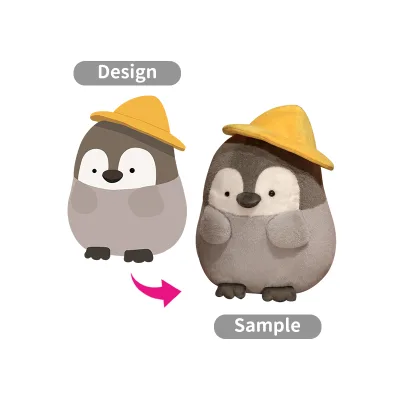
Construction techniques and design flexibility are also critical technical aspects to verify. Although many listings claim "handmade" qualities, the majority of products are machine-produced, which offers consistency and precision in stitching and assembly. Buyers should assess the quality of stitching, the security of attached parts like eyes and noses, and the overall durability of the plush toy. Customization options, such as accepting custom designs and logos, provide significant value for branding purposes. However, buyers must ensure that the customization process does not compromise the structural integrity of the toy. Verifying the sample production time, which typically ranges from 10 to 15 working days, helps in planning lead times and managing customer expectations effectively.
Compliance and Safety Documentation
Compliance with international safety standards is non-negotiable for plush toys, especially those intended for children. The observed listings frequently mention certifications such as CE, EN71, and REACH, which are essential for market access in Europe and other regions. EN71, in particular, is a critical standard for toy safety in the European Union, covering mechanical and physical properties, flammability, and chemical migration. Buyers must verify that the supplier holds valid and up-to-date certification documents, as these are subject to periodic audits and renewals. Relying on self-declared compliance without documented proof can expose buyers to significant legal and reputational risks.
In addition to product-specific certifications, buyers should inquire about broader environmental and social compliance standards. While not explicitly listed in all observations, standards like OEKO-TEX and GOTS are often associated with eco-friendly textile production. OEKO-TEX certification ensures that the fabrics are free from harmful substances, while GOTS certification guarantees organic status and responsible social practices throughout the supply chain. Buyers should request these certifications if they are a key component of their brand's eco-friendly positioning. Furthermore, understanding the supplier's quality control processes, including in-line and final inspections, is crucial for maintaining consistent product quality and compliance across large orders.
Cost Drivers and Commercial Terms
Several factors influence the cost structure of handmade eco-friendly plush toys, with material selection and customization complexity being primary drivers. The use of premium materials, such as organic cotton or recycled polyester, will inevitably increase unit costs compared to standard synthetic fabrics. Similarly, complex designs, intricate stitching, or unique packaging requirements can add to the production time and labor costs, thereby affecting the final price. Buyers should analyze the cost breakdown to understand where the premium is being applied and whether it aligns with their brand value proposition. Negotiating volume discounts and optimizing design simplicity can help mitigate these costs without compromising on quality or eco-friendly attributes.
Commercial terms, including payment methods, shipping arrangements, and return policies, play a significant role in the overall procurement strategy. The observed MOQ range of 1 to 5,000 pieces offers flexibility, but buyers should be aware of the implications of ordering in small batches versus large volumes. Small orders may incur higher per-unit costs due to setup fees and lower economies of scale, while large orders may require significant upfront capital and storage capacity. Buyers should also consider the lead times for production and shipping, which can vary based on order size and customization requirements. Establishing clear communication channels and agreeing on detailed commercial terms in the initial contract can prevent misunderstandings and ensure a smooth procurement process.
Supplier Qualification and Quality Control
Supplier qualification is a critical step in ensuring the reliability and integrity of the plush toy supply chain. Buyers should conduct thorough due diligence on potential suppliers, verifying their business licenses, production capabilities, and past performance. Given the prevalence of machine-produced items in the market, buyers should assess the supplier's ability to maintain consistent quality across large batches. This includes evaluating their quality control systems, such as the use of automated inspection tools and manual checks at various stages of production. Suppliers with a proven track record of meeting international safety standards and delivering on time are more likely to provide a stable and reliable supply.
Quality control measures should be integrated into the procurement process from the outset. Buyers should implement a robust inspection regime, including pre-production samples, in-line inspections, and final random inspections. These inspections should focus on key quality attributes such as material integrity, stitching quality, and compliance with safety standards. Additionally, buyers should establish clear quality acceptance criteria and communicate them effectively to the supplier. In the event of quality issues, having a defined process for handling defects, returns, or replacements is essential. Building a strong relationship with the supplier based on transparency and mutual trust can also facilitate continuous improvement and innovation in product design and quality.
Long-Term Procurement Checks
Long-term procurement success depends on the ability to adapt to changing market trends and consumer preferences. Buyers should regularly review their product offerings and supplier performance to identify areas for improvement. This includes monitoring customer feedback, sales data, and market trends to ensure that the plush toys remain relevant and appealing. Sustainability is an increasingly important factor for consumers, so buyers should continuously evaluate the environmental impact of their products and supply chain. This may involve exploring new materials, optimizing production processes, or partnering with suppliers who are committed to reducing their carbon footprint.
Building a resilient supply chain also requires diversification and risk management. Buyers should avoid over-reliance on a single supplier or region, as this can expose them to disruptions such as geopolitical tensions, natural disasters, or supply chain bottlenecks. Developing relationships with multiple suppliers in different locations can provide flexibility and redundancy. Additionally, staying informed about regulatory changes and industry standards is crucial for maintaining compliance and avoiding legal issues. By proactively managing these long-term factors, buyers can ensure the sustained success and growth of their plush toy business.
FAQs
Can I customize the design and logo of the plush toy?
Yes, you can customize the design and logo. The product supports custom designs and accepts customer logos. Customization is available for the model, color, and packing to meet your specific requirements.
What certifications do these plush toys hold?
These plush toys hold CE, EN71, and REACH certifications. These standards ensure safety and compliance for children aged 3 to 8 years. The products are manufactured using machine production techniques with high-quality materials.
What is the minimum order quantity for samples?
The minimum order quantity for samples is one piece. You can order a single unit to check quality before placing a larger bulk order. This allows buyers to evaluate the product without a high initial commitment.
Where are these plush toys manufactured?
These plush toys are manufactured in Ningbo, China. The place of origin is consistently listed as Ningbo for the production facilities. This location supports the supply chain for both domestic and international distribution.
How long does it take to produce a sample?
It takes 10 to 15 working days to produce a sample. This sample time applies when you request a custom design or specific model. The timeline ensures quality control before mass production begins.
What materials are used to make the plush toy?
The plush toys are made from polyester and cotton fabric with PP cotton filling. The main material combines plush with PP cotton for softness. This composition ensures durability and a comfortable texture for children.
Can the packaging be customized for my brand?
Yes, the packaging can be customized for your brand. Options include customized packing, carton, or OPP bags with swing tags. You can also request specific packing standards to align with your shipping needs.