Source Handmade Eco-Friendly Rubber Tapping Knife for Farming, Gardening, and Crafts
Compare 30 listings for the Handmade Eco-Friendly Rubber Tapping Knife, featuring stainless steel blades and rubber handles. Buyers can evaluate specifications like blade length, thickness, and customization options from suppliers in China.
Key considerations
Products List
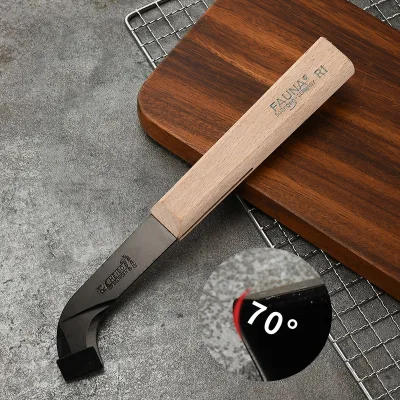


Folding Knife Cutting Knife Portable Knife with Wood Handle Camping Knives
$1.00 - $19.99
MOQ: 500 Pieces

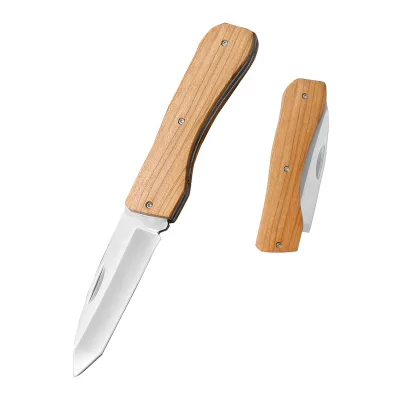


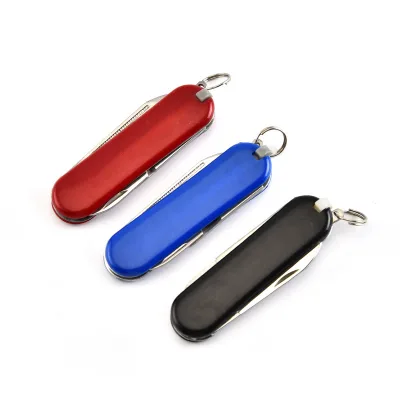

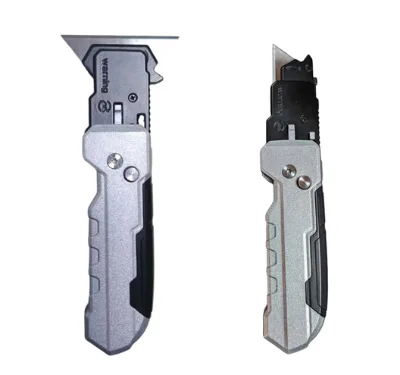


Comprehensive Sourcing Guide
Handmade Eco-Friendly Rubber Tapping Knife Sourcing Guide
Sourcing specialized agricultural and household tools requires a nuanced understanding of material properties, manufacturing processes, and intended end-use environments. The handmade eco-friendly rubber tapping knife represents a niche intersection of traditional craftsmanship and modern sustainability demands. Buyers must navigate a market where product listings often conflate household kitchenware with agricultural implements, leading to potential mismatches in durability and ergonomic design. This guide provides a structured approach to evaluating suppliers, verifying technical specifications, and ensuring that the procurement aligns with both operational efficiency and environmental commitments. By focusing on evidence-based verification steps, procurement teams can mitigate risks associated with inconsistent quality, unclear compliance standards, and logistical inefficiencies.
The following sections detail the critical decision points for sourcing these tools. We examine observed listing signals to distinguish between genuine agricultural equipment and generic metalware, verify technical specifications such as blade geometry and handle materials, and assess compliance documentation. Furthermore, we analyze cost drivers, supplier qualification metrics, and long-term procurement checks to ensure a sustainable supply chain. This approach ensures that buyers make informed decisions based on verified attributes rather than marketing claims, ultimately securing products that meet specific functional and ethical requirements.
Product Scope and Observed Listing Signals
The market for rubber tapping knives exhibits significant variability in product classification, often blurring the lines between agricultural tools and household items. Observed listings frequently categorize these products under "Kitchen Knife" or "Household" usage, despite their primary application in agricultural rubber tapping. This discrepancy necessitates careful scrutiny of product names and descriptions. For instance, some listings explicitly identify the product as a "Rubber tapping" tool, while others use generic terms like "Metal" or "Stainless Steel" without clarifying the specific agricultural utility. Buyers must prioritize listings that clearly articulate the agricultural purpose to ensure the tool’s design, such as blade curvature and handle ergonomics, is optimized for tree tapping rather than food preparation.
Another critical signal is the emphasis on "Eco-Friendly" and "Handmade" attributes, which often correlate with specific manufacturing processes and material choices. Listings highlighting "Hand-Made" processing and "Eco-Friendly" features suggest a production method that may involve traditional techniques and sustainable material sourcing. However, these claims should be cross-referenced with other attributes such as "Customized Logo" and "OEM" brand names, which indicate a supplier’s capability for private labeling and bulk customization. Buyers should look for consistency between these marketing claims and tangible product details, such as the use of natural rubber handles or non-toxic coatings, to validate the eco-friendly assertion.
Technical Specifications to Verify
Verifying the technical specifications of rubber tapping knives is essential to ensure they meet the functional demands of agricultural use. Key attributes to verify include the blade material, thickness, and edge geometry. Listings often specify "Stainless Steel" for the blade material, which offers corrosion resistance, but buyers must confirm the specific grade and hardness to ensure durability against repeated use on rubber tree bark. The blade thickness, observed in some listings as "2.2 mm," provides insight into the blade’s rigidity and resistance to bending. Additionally, the blade length, noted as "up to 3.9in" or "7.5 Inch" in various contexts, must be matched to the specific tapping technique and tree species. Buyers should request detailed technical drawings or samples to verify these dimensions.
The handle material and ergonomic design are equally critical for user comfort and safety during prolonged use. Listings indicate "Rubber" as the handle material, which offers grip and shock absorption, but buyers should verify the type of rubber and its attachment method to the blade. The "Mirror Polished" finish and "Flat" blade edge are also important specifications, as they affect the blade’s performance and maintenance requirements. Furthermore, the "Single package size" and "Single gross weight" provide logistical insights, with observed values such as "32.5X13X6.5 cm" and "0.562 kg" helping buyers estimate shipping costs and storage requirements. Consistency in these specifications across different supplier quotes is a strong indicator of manufacturing reliability.
Compliance and Safety Documentation
Compliance and safety documentation are paramount when sourcing tools that may come into contact with natural latex and agricultural environments. Buyers must verify that the materials used, particularly the blade and handle, are free from harmful substances and comply with relevant international standards. While specific certification names are not provided in the observed listings, buyers should request documentation confirming compliance with food safety standards if the tool is marketed for dual-use, or agricultural safety standards if intended solely for rubber tapping. This includes verifying that the "Non-Stick Coating" or any surface treatments are non-toxic and do not leach harmful chemicals into the latex or the environment.
Safety features such as blade edge geometry and handle ergonomics also contribute to overall product safety. A "Flat" blade edge may require specific handling techniques to prevent accidental cuts, and buyers should ensure that suppliers provide clear usage instructions and safety warnings. Additionally, the "Keep Dry" care instruction highlights the importance of proper maintenance to prevent corrosion and ensure longevity. Buyers should assess whether suppliers offer comprehensive user manuals and safety data sheets, which are essential for training workers and ensuring safe handling practices. Verifying these documentation requirements helps mitigate liability risks and ensures that the products meet the highest safety standards.
Cost Drivers and Commercial Terms
Understanding the cost drivers and commercial terms is crucial for effective budgeting and negotiation. The "MOQ" (Minimum Order Quantity) observed in listings ranges from "1" to "5000," with a specific instance of "100pcs" noted. This variability allows buyers to tailor their orders to their immediate needs, whether for small-scale testing or large-scale deployment. However, higher MOQs often correlate with lower unit prices, so buyers should evaluate their volume requirements against potential cost savings. The "Customization" availability, including "Customized Logo" and "OEM" options, may incur additional setup fees, which should be factored into the total cost analysis.
Shipping and packaging costs are also significant cost drivers. The "Packing" methods observed, such as "Opp Bag" and "PP Packing," along with "Express" shipping options, impact the overall landed cost. Buyers should request detailed breakdowns of packaging costs and shipping fees to understand the total expense. Additionally, the "Place of origin," noted as "Shandong, China" and "Zhejiang, China," may influence shipping logistics and lead times. Buyers should consider the proximity of the supplier to major ports and the efficiency of their logistics network to minimize delays and associated costs. Transparent communication regarding these commercial terms is essential for accurate financial planning.
Supplier Qualification and Quality Control
Supplier qualification and quality control are foundational to securing a reliable supply of rubber tapping knives. Buyers should assess suppliers based on their manufacturing capabilities, quality assurance processes, and track record. The "Hand-Made" processing attribute suggests a reliance on skilled labor, so buyers should verify the supplier’s ability to maintain consistent quality across batches. This includes evaluating their quality control protocols, such as inspection procedures for blade sharpness, handle attachment, and surface finish. Suppliers with robust quality control systems are more likely to deliver products that meet specified standards consistently.
Furthermore, buyers should inquire about the supplier’s experience in exporting and their familiarity with international market requirements. The "Customized" nature of the products, including "Customized Logo" and specific model numbers like "YBL07" and "RC-001," indicates a supplier’s flexibility and responsiveness to buyer needs. Buyers should request references or case studies from previous clients to validate the supplier’s reliability. Additionally, conducting factory audits or third-party inspections can provide valuable insights into the supplier’s production environment and quality management systems. These due diligence steps help ensure that the chosen supplier can meet the buyer’s quality and delivery expectations.
Long-Term Procurement Checks
Long-term procurement checks are essential for maintaining a sustainable and efficient supply chain. Buyers should establish regular performance reviews with their suppliers to monitor product quality, delivery times, and responsiveness to issues. This includes tracking metrics such as defect rates, customer feedback, and return rates to identify areas for improvement. Consistent communication with suppliers regarding market trends, material availability, and regulatory changes helps ensure that the products remain relevant and compliant over time. Buyers should also consider diversifying their supplier base to mitigate risks associated with single-source dependencies.
Additionally, buyers should periodically reassess the total cost of ownership, including maintenance, replacement, and disposal costs. The "Eco-Friendly" attributes of the products may offer long-term benefits in terms of sustainability and brand reputation, but buyers should verify the end-of-life disposal options for the materials used. Engaging with suppliers on continuous improvement initiatives, such as optimizing packaging to reduce waste or enhancing product durability, can lead to mutual benefits. By maintaining a proactive approach to supplier management and product evaluation, buyers can ensure that their procurement strategy remains aligned with their long-term business goals and sustainability commitments.
FAQs
What is the material of the blade?
The blade is made of stainless steel to ensure durability and resistance to corrosion. This material choice supports the product's eco-friendly positioning while maintaining a sharp edge for household and professional rubber tapping tasks.
Can the knife be customized with a logo?
Yes, a customized logo is available for this product to meet specific branding needs. This customization option allows buyers to add their identity to the silver-colored knife, making it suitable for promotion gifts or commerce gifts.
What is the minimum order quantity for this item?
The minimum order quantity is 100 pieces for this specific product listing. Buyers can order single items for testing, but bulk orders starting at this MOQ are required for standard procurement of the handmade eco-friendly rubber tapping knife.
How is the product packaged for shipping?
The product is packed in an Opp bag or PP packing depending on the specific model. This packaging ensures the knife remains protected during transit while keeping the single gross weight manageable at 0.562 kg for efficient logistics.
Where is the product manufactured?
The product originates from Shandong, China, with some models also sourced from Zhejiang. These locations provide the manufacturing base for the modern art style knives that feature a mirror polished finish and a flat blade edge.
What are the dimensions of the knife?
The knife size is 25cm with a blade length up to 3.9 inches and a width of 2 inches. The single package size measures 32.5 by 13 by 6.5 cm, accommodating the 2.2 mm thickness of the metal construction.