Source Handmade Lampworking Hair Clips for Wedding, Gift, and Daily Use
Find and compare 29 handmade lampworking hair clip options from China. Buyers can review details on materials like polyester, cotton, and plastic, alongside customization features such as wired edges and eco-friendly designs for various occasions.
Key considerations
Products List


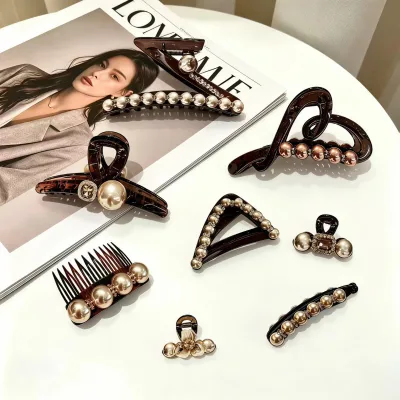
Comprehensive Sourcing Guide
Handmade Lampworking Hair Clips Sourcing Guide
Sourcing Handmade Lampworking Hair Clips requires a nuanced understanding of both artisanal craftsmanship and industrial procurement standards. While the term "handmade" suggests unique, small-batch production, the observed market data indicates a significant overlap with mass-produced alternatives that mimic artisanal aesthetics. Buyers must distinguish between genuine glass lampwork beads and synthetic resin or plastic components that offer similar visual appeal at a lower cost point. The supply chain for these accessories often involves complex layering of materials, where the decorative element is combined with functional hardware such as alligator clips, elastic bands, or metal pins. Understanding this distinction is critical for accurate budgeting and quality assurance, as the durability, weight, and safety profiles of glass differ substantially from those of plastic or polyester-based imitations.
The procurement landscape for hair accessories is highly fragmented, ranging from independent artisans to large-scale manufacturing hubs in regions like Fujian, China. Observed listing signals reveal a wide variance in product attributes, including materials ranging from pure polyester and cotton ribbons to plastic and mixed-media constructions. This diversity means that a buyer seeking "handmade lampworking" products must explicitly define their requirements to avoid receiving generic, mass-produced items. The presence of customization options, such as OEM orders and logo printing, suggests that many suppliers are equipped to handle branded projects, but the feasibility of true lampwork customization depends heavily on the supplier’s technical capabilities and minimum order quantities.
Product Scope and Observed Listing Signals
The current market for hair accessories exhibits a broad spectrum of product types, from simple elastic bands to complex bowknot designs and animal-shaped clips. Observed listings indicate that many products marketed under general hair accessory categories utilize materials like polyester/cotton blends, plastic, and even LED-integrated components for novelty items. For buyers specifically interested in lampwork-style aesthetics, it is essential to verify whether the product is made from actual fused glass or if it is a molded resin or plastic alternative. The observed price range of $0.09 to $1.20 per unit suggests that lower-cost items are likely synthetic, while higher-end genuine glass pieces would command a premium due to the labor-intensive nature of lampworking.
Customization is a prevalent feature in the observed data, with suppliers offering tailored sizes, colors, and packaging options. Attributes such as "Customized Size," "Multicolored," and "Eco-Friendly" claims appear frequently, indicating that buyers have significant flexibility in defining their product specifications. However, the term "Eco-Friendly" requires careful verification, as it may refer to recyclable packaging rather than the material composition of the clip itself. Additionally, the presence of "Wired Edge" and "Jacquard" techniques in some listings points to a segment of the market focused on fabric-based accessories, which are distinct from the hard-material focus of lampwork clips. Buyers must clearly separate these categories to ensure they are evaluating the correct product type.
Technical Specifications to Verify
When evaluating technical specifications, the material composition is the primary differentiator between genuine lampwork and its imitations. Genuine lampwork hair clips typically feature hand-pulled glass beads or canes, which are then attached to metal or plastic clip bases. In contrast, observed listings highlight materials such as "Plastic," "Polyester/Cotton," and "Ribbon," which are common in mass-produced alternatives. Buyers should request detailed material breakdowns to confirm the presence of glass components and assess the quality of the attachment mechanism. The durability of the bond between the decorative element and the clip base is crucial, as poor adhesion can lead to product failure during use.
Other critical technical attributes include the edge type, style, and intended usage. Observed data mentions "Wired Edge" and "Double Face" styles, which are more relevant to fabric ribbons than to hard glass accessories. For lampwork clips, buyers should verify the weight, dimensions, and surface finish of the glass elements. The "Single Face" versus "Double Face" distinction may also apply to the clip mechanism itself, affecting how the accessory sits in the hair. Additionally, the "Age" suitability, such as "> 8 Years," provides insight into the safety profile of the product, particularly regarding small parts that could pose a choking hazard for younger children. Verifying these specifications ensures that the product meets both aesthetic and functional requirements.
Compliance and Safety Documentation
Safety compliance is paramount when sourcing hair accessories, especially those intended for children or frequent daily use. While observed listings mention certifications like "CE" and standards such as "ISO 9001," these are often general supplier qualifications rather than product-specific safety approvals. Buyers must ensure that the hair clips comply with relevant regional safety standards, such as ASTM F963 in the United States or EN71 in Europe, which govern aspects like flammability, heavy metal content, and mechanical safety. For products involving glass, additional scrutiny is needed to ensure that the glass is tempered or treated to prevent shattering into sharp shards.
Documentation should also cover the safety of the clip mechanism itself. Metal clips must be free of sharp edges and burrs that could scratch the scalp or damage hair. If the product includes small decorative elements, it is essential to verify that they are securely attached to prevent detachment. Buyers should request test reports from accredited laboratories to confirm compliance with these standards. Relying solely on supplier claims of "Best Quality" or "Eco-Friendly" status is insufficient; concrete evidence of safety testing is necessary to mitigate liability and ensure consumer trust.
Cost Drivers and Commercial Terms
The cost of Handmade Lampworking Hair Clips is influenced by several factors, including material costs, labor intensity, and order volume. Observed minimum order quantities (MOQs) range from 10 to 10,000 units, indicating that suppliers cater to both small boutique orders and large-scale retail purchases. Higher MOQs typically result in lower per-unit costs due to economies of scale, but this may conflict with the desire for unique, small-batch artisanal products. Buyers must balance their volume requirements with their need for customization and exclusivity.
Packaging and logistics also play a significant role in the total cost. Observed packaging options include "Bag," "Polybag," and "CTN" (carton), with some suppliers offering custom packaging solutions. The choice of packaging can affect shipping efficiency and product protection, particularly for fragile glass items. Additionally, lead times for samples and production runs should be clearly defined. While some listings mention "7 Days Sample Order Lead Time," others indicate that sample support is not available, which can impact the buyer’s ability to evaluate quality before committing to a large order. Understanding these commercial terms helps in planning inventory and cash flow effectively.
Supplier Qualification and Quality Control
Supplier qualification involves assessing the manufacturer’s capability to produce consistent, high-quality hair accessories. Buyers should verify the supplier’s production facilities, quality control processes, and experience in handling delicate materials like glass. The presence of OEM capabilities and customized logo services suggests that the supplier is equipped to handle branded projects, but this does not guarantee the quality of the final product. Requesting references or case studies from previous clients can provide insight into the supplier’s reliability and performance.
Quality control measures should be established before production begins. This includes defining clear acceptance criteria for material quality, dimensional accuracy, and aesthetic consistency. For lampwork clips, visual inspection is crucial to ensure that the glass elements are free of bubbles, cracks, or discoloration. Buyers may also consider implementing third-party inspection services to verify quality before shipment. Establishing a robust quality control framework helps to minimize defects and returns, ensuring that the final product meets the buyer’s standards and customer expectations.
Long-Term Procurement Checks
Long-term procurement success depends on building a sustainable relationship with suppliers who can adapt to changing market demands. Buyers should regularly review supplier performance metrics, including on-time delivery rates, product quality consistency, and responsiveness to issues. Continuous communication and feedback loops are essential for maintaining high standards and addressing any emerging challenges. Additionally, staying informed about industry trends and regulatory changes ensures that the product line remains compliant and competitive.
Diversifying the supplier base can mitigate risks associated with single-source dependency. By engaging with multiple suppliers, buyers can compare pricing, quality, and service levels, fostering a competitive environment that benefits both parties. Furthermore, exploring opportunities for innovation, such as new materials or design techniques, can help differentiate the product offering in a crowded market. Long-term procurement checks should also include periodic audits of supplier facilities and processes to ensure ongoing compliance with safety and quality standards.
FAQs
What materials are used for these hair clips?
The hair clips are made from polyester, cotton, or plastic materials. Some products feature ribbon construction while others use plastic components. The specific material depends on the model selected, such as the M181 or Adults Hair Clip series.
Can I customize the logo on the hair clips?
Yes, customization is available for the logo on adult hair clips. Buyers can request specific designs or branding on the product. This service is offered alongside other customization options like size and packaging requirements.
What is the minimum order quantity for these items?
The minimum order quantity varies by product but starts at 500 pieces for specific models. Other items may require quantities ranging from 10 to 10,000 units. Buyers should check the specific model requirements before placing an order.
Are these hair clips suitable for wedding occasions?
Yes, certain hair clips are designed specifically for wedding occasions. They feature elegant styles and can be customized for such events. Other models are also suitable for daily use, birthdays, and various celebrations throughout the year.
How long does it take to receive a sample order?
Sample orders with a 7-day lead time are not supported for these products. Buyers should plan their procurement timeline accordingly without expecting rapid sample delivery. Standard lead times apply based on the specific product model and order volume.
Which styles are available for these hair accessories?
Available styles include double face, elegant, fashion, and cute designs. Some products feature bowknot shapes or animal figures suitable for girls. The collection also includes striped patterns and wired edge options for various crafting needs.
What packaging options are provided for the hair clips?
Packaging options include bags, polybags, and carton boxes depending on the product. Some items come in PP bags or can be packed according to specific buyer requirements. The standard packaging ensures safe transport for the hair accessories.