Source Handmade Multi Layer Leather Bracelet with Magnetic Clasp for Gifts, Decoration, and Formal Occasions
Source a Handmade Multi Layer Leather Bracelet with Magnetic Clasp from 30 verified listings. Compare options featuring alloy and stainless steel materials, PVD plating, and SGS certifications. Evaluate sizes from 19cm to 23cm and MOQs starting at 12 pieces for bulk procurement.
Key considerations
Products List


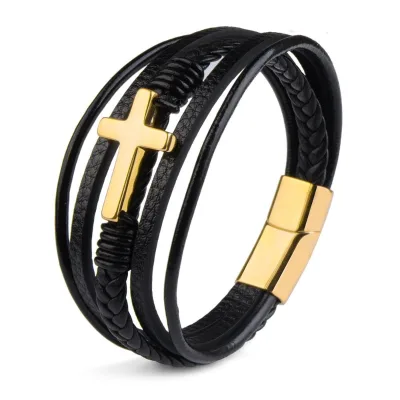


Braided Design Jewelry Black Leather Braided Bracelet with Magnetic Clasp
$2.00 - $6.00
MOQ: 100 Pieces


Magnetic Adjustable Copper Gold Chain Pearl String Friendship Hand Bracelet
$3.24 - $5.61
MOQ: 20 Pieces
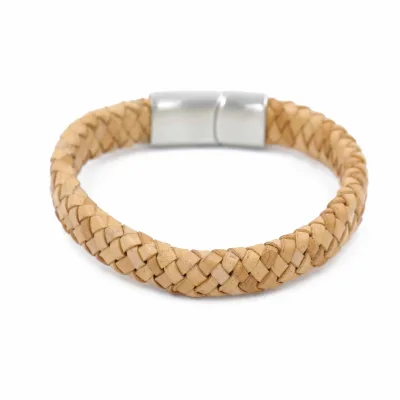


Comprehensive Sourcing Guide
Handmade Multi Layer Leather Bracelet with Magnetic Clasp Sourcing Guide
Sourcing handmade multi-layer leather bracelets with magnetic clasps requires a clear understanding of the specific material combinations and construction techniques that define this category. The product landscape includes items where leather is the primary aesthetic driver, often paired with metal components like stainless steel or alloy for durability and clasp functionality. Buyers must distinguish between listings that emphasize the "handmade" craft aspect versus those that rely on mass-produced metal casting, as the value proposition shifts significantly between these two manufacturing approaches. The presence of a magnetic clasp introduces a specific mechanical requirement that must be verified for strength and longevity, ensuring the multi-layer design stays secure during daily wear.
The observed market signals indicate a diverse range of styles, from antique and formal designs to simple, everyday wear options. While some listings highlight specific materials like stainless steel or alloy, others explicitly feature leather as the dominant material, often with PVD plating or high mirror polishing on the metal accents. This variation suggests that a single supplier may offer multiple product lines, requiring the buyer to carefully filter for the specific "leather" attribute to ensure the final product matches the intended design. The customization options available, such as laser or engraved logos, allow for brand differentiation, but the core construction must remain consistent with the handmade aesthetic to meet consumer expectations for artisanal quality.
Product Scope and Observed Listing Signals
When evaluating product listings, buyers should look for specific indicators that confirm the multi-layer construction and the use of genuine or high-quality leather materials. The data shows that products in this category often come in various sizes, ranging from 19cm to 23cm, which is critical for ensuring a proper fit across different wrist measurements. The "handmade" claim should be supported by visible craftsmanship details, such as hand-polished finishes or specific leather crafting techniques, rather than generic descriptions. Listings that mention "High Polishing" or "Hand Polished" alongside leather materials suggest a higher level of attention to detail, which is essential for a premium multi-layer bracelet.
The observed price range and minimum order quantities (MOQ) provide insight into the commercial viability of different suppliers. Prices observed in the market span from $0.27 to $6, with MOQs varying from single pieces to 500 units, though specific listings may require a minimum of 12 pieces. This wide range indicates that buyers can source either for small-scale testing or bulk inventory, but the lower price points often correlate with simpler designs or less complex leather work. Buyers must verify that the "Individual OPP Bag" or "Packing Box" packaging details align with their branding needs, as the unboxing experience is a significant part of the product's value proposition for gift and decoration markets.
Technical Specifications to Verify
The magnetic clasp mechanism is a critical technical component that must be tested for holding strength and resistance to accidental opening. In multi-layer designs, the clasp must accommodate the thickness of several leather strands without compromising the magnetic seal. Buyers should request samples to verify that the magnet is embedded securely within the metal housing and that the alignment is precise, preventing the layers from shifting or the bracelet from twisting during wear. The "PVD Plated" or "IP Plated" finishes on the metal components should be checked for uniformity and resistance to tarnishing, as these coatings protect the underlying alloy or stainless steel from moisture and skin oils.
Material composition and dimensional consistency are equally important for maintaining the structural integrity of the bracelet. The product specifications indicate sizes such as 20.5cm, 21cm, and 22.5cm, but buyers must confirm that the leather thickness and the metal link dimensions are consistent across the entire batch. The "Leather" craft attribute should be verified to ensure the material is not a synthetic substitute unless explicitly marketed as such, as genuine leather offers a distinct texture and aging process that customers expect. Additionally, the weight of the product, which can range from 25g to 56g depending on the design, should be consistent to ensure a balanced feel on the wrist.
Compliance and Safety Documentation
Safety compliance is paramount when sourcing jewelry that comes into direct contact with the skin, particularly for products marketed as gifts or for formal occasions. The supplied facts mention "Lead-Free and Nickel-Free" testing, which are essential certifications to verify before placing large orders. Buyers should request current test reports from accredited laboratories to confirm that the metal components, including the magnetic clasp and any decorative elements, do not contain hazardous substances that could cause allergic reactions or health issues. The "SGS/Reach" certifications listed in some product data serve as a baseline, but buyers must ensure these reports are specific to the exact model and batch being purchased.
Environmental and chemical safety standards also play a role in the long-term marketability of the product. The "Third Party Appraisal" certificate type mentioned in the data suggests that independent verification is available, but buyers should confirm the scope of this appraisal covers the specific materials used, such as the leather treatment and metal plating. For markets with strict regulations, such as the European Union or North America, compliance with REACH and other regional standards is mandatory. Buyers should not rely solely on the supplier's word but must demand physical documentation that proves the product meets the necessary safety thresholds for the target export markets.
Cost Drivers and Commercial Terms
The cost of a handmade multi-layer leather bracelet is driven by several factors, including the complexity of the leather work, the quality of the magnetic clasp, and the finishing processes applied to the metal components. The "High Mirror Polished" or "Hand Polished" finishes require additional labor time, which increases the unit cost compared to standard machine-polished items. Similarly, the use of genuine leather versus synthetic alternatives significantly impacts the price, as does the customization of logos through laser engraving or other methods. Buyers should analyze the cost structure to understand where the value is added and ensure that the price aligns with the expected quality and durability of the final product.
Commercial terms such as Minimum Order Quantity (MOQ) and lead times are critical for inventory planning and cash flow management. While some listings offer an MOQ of just 12 pieces, others may require higher volumes, and the "Free Sample" availability can help mitigate the risk of ordering large quantities without prior inspection. The "Fast Delivery Within One Day" for samples is a positive indicator of supplier responsiveness, but buyers must clarify the lead time for bulk production, as handmade items often require more time than mass-produced goods. Packaging details, such as the "Individual OPP Bag" or "Packing Box," also contribute to the overall cost and should be factored into the total landed cost calculation.
Supplier Qualification and Quality Control
Selecting a qualified supplier involves verifying their production capabilities and their ability to maintain consistency in handmade products. The "Place of Origin" being Guangdong, China, is a known hub for jewelry manufacturing, but buyers should still conduct due diligence to ensure the specific factory has experience with leather and metal combination products. Quality control processes should be robust, with clear protocols for inspecting the magnetic clasp strength, leather stitching, and plating quality before packaging. Buyers should ask for a detailed quality control checklist that the supplier uses to ensure every unit meets the specified standards for weight, size, and finish.
The ability to customize the product is a key differentiator for suppliers in this space, allowing buyers to create unique offerings for their brands. The "Customization: Available" and "Support" attributes indicate that suppliers are willing to work on design modifications, but buyers must establish clear communication channels to manage these requests effectively. It is essential to verify that the supplier can handle the specific customization requirements, such as logo placement or color variations, without compromising the structural integrity of the bracelet. Building a relationship with a supplier who understands the nuances of handmade leather work will ensure a smoother procurement process and higher quality outcomes.
Long-Term Procurement Checks
Sustaining a successful procurement relationship requires ongoing monitoring of product quality and supplier performance over time. Buyers should implement a system for regular quality audits, checking for consistency in the leather texture, clasp strength, and plating durability across different production batches. The "Handmade" nature of the product means that slight variations are expected, but significant deviations from the approved sample should be addressed immediately to maintain brand reputation. Establishing a clear feedback loop with the supplier allows for continuous improvement and ensures that any issues are resolved before they impact the customer experience.
Market trends and consumer preferences in the jewelry sector are constantly evolving, requiring buyers to stay agile and responsive to changes in demand. The "Usage" categories of Decoration, Health, and Gift suggest that the product appeals to a broad audience, but buyers should monitor which styles and colors are gaining traction to adjust their inventory accordingly. The "Antique" and "Simple" styles observed in the market indicate a demand for both traditional and modern aesthetics, and suppliers should be capable of adapting their production to meet these shifting trends. Long-term success depends on the ability to balance cost efficiency with the high-quality craftsmanship that defines the handmade leather bracelet category.
FAQs
Can I customize the logo on the bracelet?
Yes, customization is available for this product. You can request a laser logo or an engraved logo on the item. The supplier supports custom orders to meet specific branding needs for your business.
What materials are used for the bracelet?
The bracelet is crafted from leather and stainless steel alloy. It features PVD plating or IP plating for durability. The material composition ensures a high mirror polished or hand polished finish suitable for formal occasions.
What is the minimum order quantity for this item?
The minimum order quantity is 12 pieces for this specific model. However, some listings show an MOQ range from 1 to 500 units depending on the supplier. You should verify the exact requirement with the vendor before placing an order.
How is the product packaged for shipping?
The product comes in an individual OPP bag or a packing box. Some options include packaging for a pair or per piece. The packaging details are designed to protect the item during transit while maintaining its aesthetic appeal.
Does the bracelet meet safety standards?
Yes, the product is tested to be lead-free and nickel-free. It holds certifications such as SGS and Reach. These standards ensure the jewelry is safe for wear and complies with international safety requirements for accessories.
What is the lead time for sample delivery?
Fast delivery within one day is available for samples. Free samples can be requested to check the quality before bulk ordering. This quick turnaround helps buyers evaluate the product specifications and finish efficiently.
Where is the product manufactured?
The product originates from Guangdong, China. This location is a known hub for jewelry manufacturing. Buyers can expect consistent production capabilities and logistics support from suppliers based in this region.