Source Handmade Octagonal Floral Jewelry Box for Gifts, Storage, Collection
Explore 30 listings for the Handmade Octagonal Floral Jewelry Box suitable for gifts, storage, and collection. Buyers can compare specifications, customization options, and pricing across various suppliers offering different materials and finishes.
Key considerations
Products List

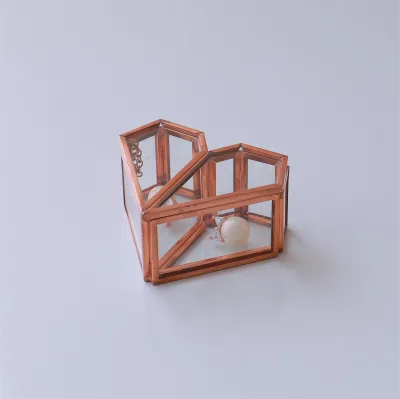


Custom Elegant Color Printing Paper Gift Handmade Jewelry Packaging Box
$0.55 - $0.65
MOQ: 3000 Pieces

Luxury Handmade Custom Diamond White Gift Earring jewelry Packaging Boxes
$0.60 - $0.75
MOQ: 3000 Pieces


China Customized Logo High-End Handmade Printed Paper Packaging Jewelry Box
$0.50 - $5.00
MOQ: 500 Pieces

Luxury Customized Logo High-End Handmade Paper Packaging Jewelry Folding Box
$0.50 - $5.00
MOQ: 500 Pieces


Wooden Jewelry Box Storage Box for Jewelry, Ring Handcrafted Jewelry Storage Box for Gift Wedding
$15.00 - $18.00
MOQ: 100 Pieces


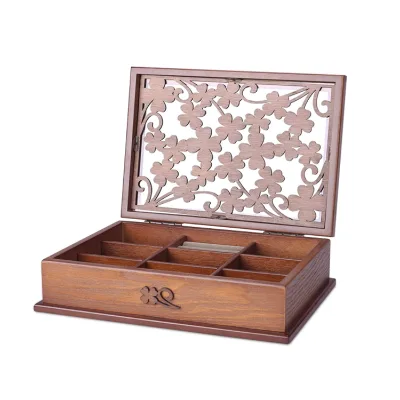


Elegant Custom Handmade Modern Simple Rectangle High Gloss Wooden Jewelry Box
$7.00 - $10.00
MOQ: 500 Pieces


Comprehensive Sourcing Guide
Strategic Sourcing Guide for Handmade Octagonal Floral Jewelry Boxes
Understanding the Product Category and Market Reality
When sourcing a "Handmade Octagonal Floral Jewelry Box," buyers must first reconcile the specific aesthetic requirements with the actual capabilities observed in the current supply chain. The core keyword implies a distinct geometric shape (octagonal), a specific decorative motif (floral), and a manufacturing method (handmade). However, the available product data reveals a diverse landscape of jewelry packaging solutions that may or may not align perfectly with this specific description. The observed inventory includes rectangular, square, and general box types made from materials such as solid wood, plastic, and paper/cardboard. While the term "handmade" suggests artisanal craftsmanship, the supply chain data indicates a mix of production methods, including surface handling techniques like varnishing, hot stamping, silk screen, and embossing.
Buyers should approach this search with the understanding that "handmade" in a B2B context often refers to the assembly or finishing stages rather than the entire fabrication process. The data confirms that customization is a widely available attribute, allowing buyers to specify unique shapes and floral designs even if the base product is a standard model. The observed product types range from general jewelry set boxes to specific earring boxes, with sizes varying from small to medium. The primary challenge lies in filtering the available options to find a supplier who can deliver the octagonal geometry and floral aesthetic while maintaining the structural integrity required for high-end jewelry storage. The market offers significant flexibility in materials, with options including velvet, leatherette, and various printing papers, which can be tailored to achieve the desired floral look through printing or embossing techniques.
Technical Specifications and Material Selection
The technical specifications for a jewelry box are critical for ensuring the product meets both functional and aesthetic standards. The observed data highlights several key material categories. Solid wood is a prominent option, offering a premium feel suitable for luxury packaging. For those seeking a lighter or more cost-effective alternative, paper/cardboard with surface materials like printing paper, leatherette, or velvet is available. Plastic is also an option, though it may not align with the "handmade" or "luxury" perception unless finished with high-quality surface treatments.
The shape of the box is a primary differentiator. While the supplied data lists rectangular and square shapes as common, the buyer's requirement for an octagonal shape necessitates a custom specification. The data confirms that the "prod_standard" can be custom, and the "Insert" can be customized, which is essential for securing jewelry within a non-standard octagonal footprint. The internal structure is equally important; observed options include elastic with white foam, removable pillows, and velvet or leather inserts. For a floral design, the surface material must support detailed printing or embossing. The data lists logo crafts such as hot stamping, silk screen, embossing, and UV printing, which are the primary methods to achieve a floral pattern on the box exterior.
The opening mechanism is another technical consideration. The observed "Clamshell" open way is a specific style that may or may not be suitable for an octagonal design, depending on the hinge engineering. Buyers should verify if the supplier can adapt the clamshell mechanism or offer alternative opening styles like magnetic closures or hinged lids that accommodate the eight-sided geometry. The size is typically categorized as small, medium, or large, with specific dimensions provided for some models (e.g., 606042mm, 2405030mm). For an octagonal box, the dimensions will need to be defined by the diameter or the distance between opposite sides, requiring precise communication with the supplier to ensure the internal volume is sufficient for the intended jewelry.
Compliance, Certification, and Quality Assurance
Ensuring that the jewelry box meets safety and quality standards is a non-negotiable aspect of B2B procurement. The observed data indicates that quality control often involves agreed third-party inspections by firms such as BV (Bureau Veritas) and SGS. This is a crucial verification point for buyers, as it ensures that the product has undergone independent testing for structural integrity and material safety. The data also mentions "Agreed Custom Third Part Inspection in My Factory," suggesting that suppliers are open to specific quality protocols defined by the buyer.
Regarding certifications, the observed "Fire Retardant Standard" includes references to ISO, ANSI, EBS, BS, CAL, and EN. While these standards are listed, buyers must verify if the specific octagonal floral box they are sourcing is certified to these standards, particularly if the product is intended for markets with strict fire safety regulations. The "prod_standard" is noted as "custom," which implies that the supplier may not have a pre-existing certification for a unique octagonal design. Therefore, buyers should explicitly request documentation confirming that the materials used (wood, paper, plastic, or fabric) comply with relevant international safety standards for children's products or general consumer goods, depending on the target market.
The "Quality Control" attribute also highlights the importance of the inspection process. Buyers should establish a clear inspection plan that covers the floral print quality, the alignment of the octagonal shape, and the durability of the hinges or opening mechanisms. The data suggests that sample lead times are short (3-5 days or 5-7 days), which allows for a rigorous pre-production sample review. This is an essential step to ensure that the "handmade" aspect translates into consistent quality, as manual processes can introduce variability. Buyers should insist on a pre-shipment inspection that includes a random sampling of the final batch to verify that the floral design is consistent across all units and that the box structure is robust enough to protect the jewelry during transit.
Cost Drivers and Pricing Dynamics
The pricing of a Handmade Octagonal Floral Jewelry Box is influenced by several complex factors. The observed price range in the market spans from $0.20 to $110, indicating a vast difference between basic mass-produced items and high-end luxury packaging. The lower end of the spectrum likely corresponds to simple paper or plastic boxes with basic printing, while the higher end reflects solid wood construction, intricate floral embossing, and premium materials like velvet or leatherette.
Material selection is a primary cost driver. Solid wood is generally more expensive than paper or plastic, and the cost increases further if the wood is sourced from sustainable or exotic species. The complexity of the octagonal shape also adds to the cost, as it requires more precise cutting and assembly compared to standard rectangular or square boxes. The "handmade" aspect implies higher labor costs, as skilled artisans are required to assemble the box and apply the floral design manually. Additionally, the customization of the insert, such as adding a removable pillow or elastic foam, adds to the overall cost.
The order quantity, or Minimum Order Quantity (MOQ), significantly impacts the unit price. The observed MOQ range is 50 to 3000 units. Buyers ordering smaller quantities will likely face higher per-unit costs due to the setup costs for custom molds and printing plates. Conversely, larger orders benefit from economies of scale. The lead time, observed at 20-25 days for production and 3-5 days for samples, also influences the cost structure. Rush orders or expedited shipping will incur additional fees. Buyers should also consider the cost of packaging, as the data shows options like bubble bags, inner boxes, and export-standard shipping cartons, which add to the total landed cost.
Typical Applications and Usage Scenarios
The versatility of jewelry boxes allows them to serve multiple purposes beyond simple storage. The observed usage categories include jewelry, health care products, drinks, electronics, food, and toys. However, for a "Handmade Octagonal Floral Jewelry Box," the primary application is clearly within the jewelry sector. These boxes are ideal for storing rings, earrings, necklaces, and bracelets, particularly those with delicate or high-value components that require protection.
The "floral" aesthetic makes these boxes particularly suitable for gift-giving occasions. The data lists "Gift" as a specific usage, and the "Luxury" style attribute suggests that these boxes are often used for high-end retail packaging or special events like weddings and anniversaries. The octagonal shape adds a unique visual appeal that can enhance the unboxing experience, making it a memorable part of the brand's identity. The "Collection" usage also indicates that these boxes are suitable for collectors who want to display their jewelry in an aesthetically pleasing manner.
Furthermore, the customization options allow for branding opportunities. The "Logo Craft" options, including hot stamping, silk screen, and embossing, enable companies to imprint their brand logo or custom floral patterns on the box. This makes the packaging an extension of the brand's marketing strategy. The "Storage" and "Packing" uses also highlight the functional aspect of the box, ensuring that jewelry is protected during shipping and storage. The data mentions "Earring Box" as a specific type, suggesting that smaller octagonal boxes can be designed specifically for earrings, while larger versions can accommodate full jewelry sets.
Supplier Evaluation and Selection Criteria
Selecting the right supplier is critical for ensuring the quality and consistency of the Handmade Octagonal Floral Jewelry Box. Buyers should evaluate suppliers based on their ability to handle custom specifications, particularly the octagonal shape and floral design. The data confirms that customization is available, but the buyer must verify the supplier's experience with non-standard geometries. A supplier with a history of producing custom shapes will be better equipped to handle the technical challenges of an octagonal box.
The supplier's quality control processes are another key evaluation criterion. Buyers should look for suppliers who offer third-party inspections by reputable firms like BV or SGS. The data indicates that some suppliers offer "Agreed Custom Third Part Inspection in My Factory," which is a positive sign of transparency and commitment to quality. Buyers should also review the supplier's sample lead times, as a short sample time (3-5 days) allows for quick iteration and refinement of the design.
The supplier's location, observed as China (Mainland), is a common hub for jewelry packaging, but buyers should consider the logistics and communication aspects. Clear communication is essential for conveying the specific requirements of the octagonal shape and floral design. Buyers should also evaluate the supplier's material sourcing capabilities, ensuring they can provide high-quality wood, paper, or plastic that meets the desired aesthetic and durability standards. Finally, the supplier's ability to handle the full range of surface treatments, such as varnishing, hot stamping, and embossing, is crucial for achieving the final look.
Long-Term Procurement and Supply Chain Resilience
Sourcing handmade octagonal floral jewelry boxes requires a long-term perspective to ensure supply chain resilience and consistent quality. The lead time of 20-25 days for production and 3-5 days for samples should be factored into the overall supply chain planning. Buyers should establish a relationship with a supplier that can scale production as demand grows, while maintaining the quality of the handmade elements.
The customization aspect of the product means that the supply chain must be flexible enough to accommodate design changes or new floral patterns. Buyers should work with suppliers who have a robust R&D capability to develop new designs and materials. The "prod_standard" being custom suggests that the supplier can adapt to changing market trends, but buyers should ensure that the supplier has the necessary infrastructure to handle these changes efficiently.
Quality control should be an ongoing process, not just a one-time event. Buyers should implement a regular inspection schedule to ensure that the supplier maintains the high standards required for the product. The "Agreed Third Parts Inpection Box" attribute suggests that third-party inspections are a standard practice, and buyers should continue to utilize these services to monitor the supplier's performance over time. Additionally, buyers should consider the environmental impact of the materials used, as sustainability is becoming an increasingly important factor in the jewelry packaging industry.
Conclusion
Sourcing a Handmade Octagonal Floral Jewelry Box requires a careful balance of aesthetic requirements, technical specifications, and supply chain management. The available data provides a solid foundation for understanding the market, but buyers must navigate the complexities of customization, quality control, and cost drivers to find the right supplier. By focusing on the key aspects of material selection, compliance, and long-term relationship building, buyers can secure a high-quality product that meets their specific needs and enhances their brand's value. The flexibility of the supply chain, combined with the availability of various surface treatments and materials, offers significant opportunities for creating unique and luxurious packaging solutions.
FAQs
Can I customize the octagonal shape and floral design?
Yes, customization is available for shape and design. You can specify the octagonal geometry and floral motifs, while the insert and surface materials like velvet or leatherette can also be tailored to your requirements.
What materials are used for these jewelry boxes?
Materials include solid wood, plastic, and paper or cardboard with surface options like printing paper, leatherette, or velvet. The internal inserts can be made of elastic with white foam or removable pillows depending on the model.
How long does production take for custom orders?
Production lead time is typically 20 to 25 days. Sample lead time is shorter, ranging from 3 to 5 days or 5 to 7 days depending on the specific supplier and complexity of the custom request.
What quality control measures are in place?
Quality control involves agreed third-party inspections by firms like BV and SGS. Some suppliers also offer custom third-party inspection within their factory to ensure the product meets your specific standards.
Which logo crafts are available for branding?
Available logo crafts include hot stamping, silk screen, embossing, UV printing, and foil hot stamping. These techniques allow for detailed branding on the box exterior to match your floral or luxury aesthetic.
What is the minimum order quantity for these boxes?
The minimum order quantity ranges from 50 to 3000 units. Lower MOQs may result in higher per-unit costs, while larger orders benefit from economies of scale in production and shipping.
Where are these products manufactured?
These products originate from China and China Mainland. Suppliers in these regions offer a wide range of materials and customization options suitable for international export standards.