Source Handmade Painted Resin Balloon Dog for Retail, Home, Office
Compare 30 Handmade Painted Resin Balloon Dog options from verified suppliers. Buyers can review specifications, pricing, and customization details for retail, home, and office decoration needs.
Key considerations
Products List
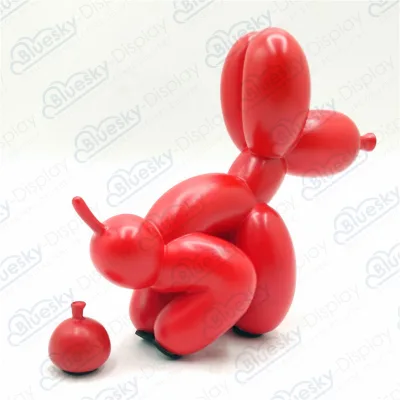
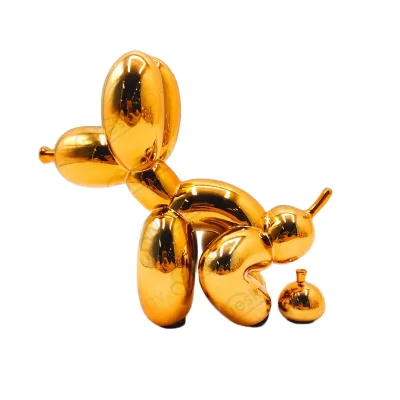
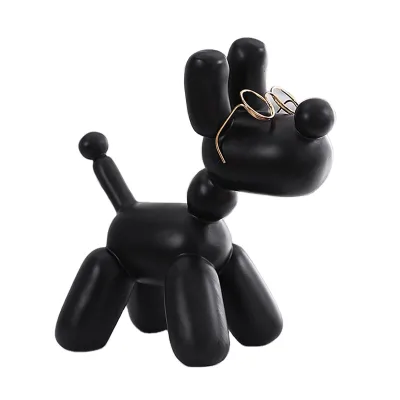


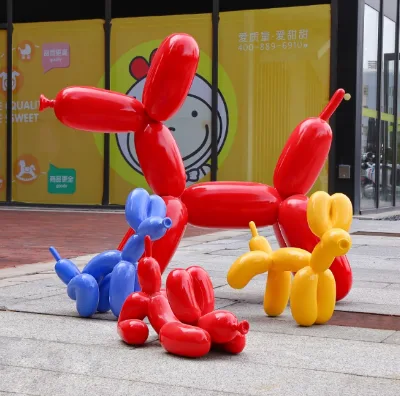
Party Decor Accessories Polyresin Balloon Dog Figurine Animal Standing Decor
$4.86 - $9.56
MOQ: 20 Pieces


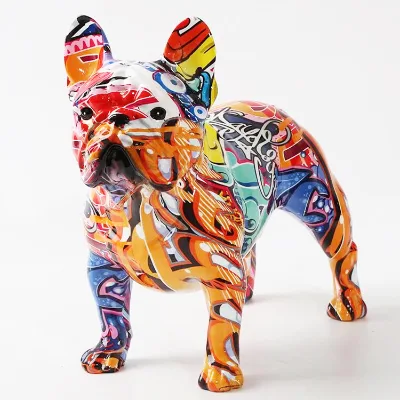
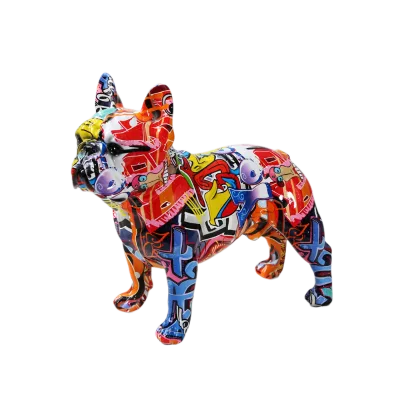
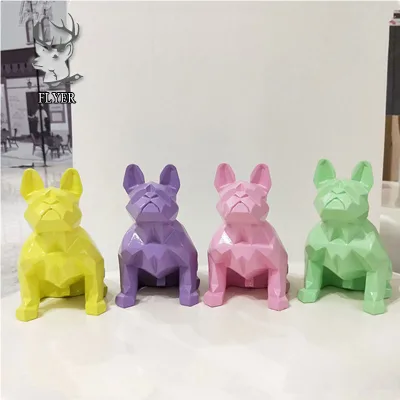
Wholesale Hand Painted Resin Bulldog, Realistic Bulldog Lifelike Dog Figurines
$2.50 - $5.50
MOQ: 500 Pieces


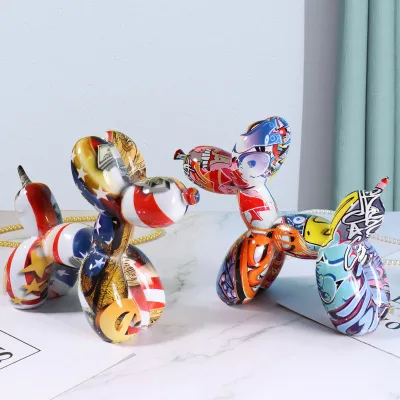
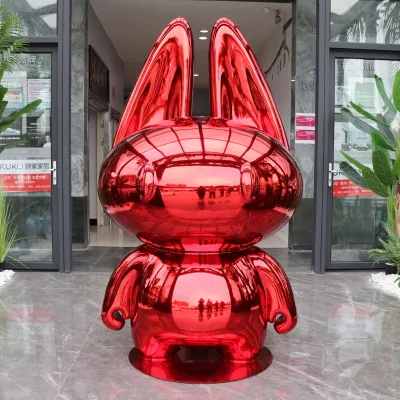
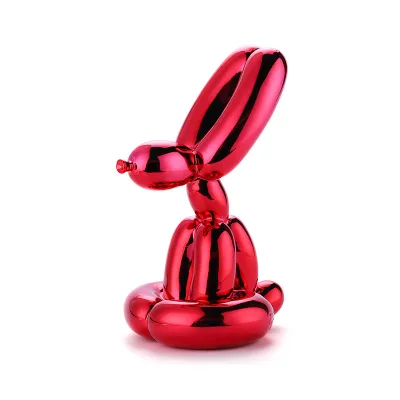
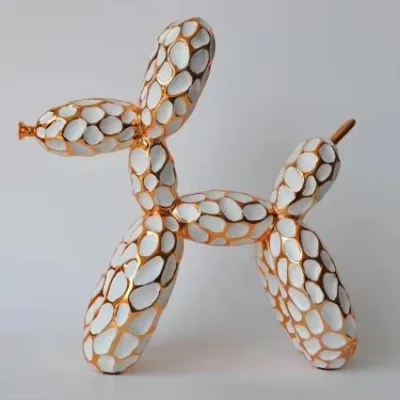
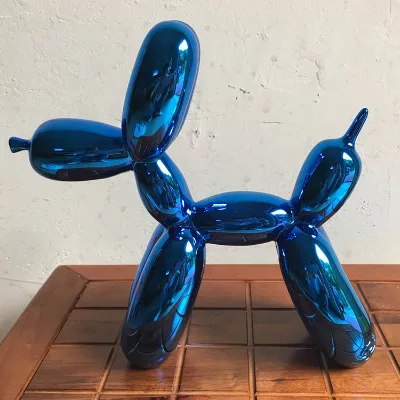
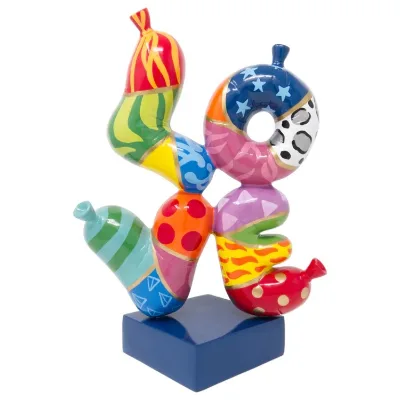

Creative Desktop Decoration Gradient Color Resin Balloon Dog Crafts Home Ornaments
$5.00 - $30.00
MOQ: 20 Pieces

Comprehensive Sourcing Guide
Strategic Sourcing Guide for Handmade Painted Resin Balloon Dog Sculptures
Understanding Product Definitions and Material Composition
When initiating a procurement search for a "Handmade Painted Resin Balloon Dog," buyers must first distinguish between the artistic intent and the industrial reality of the supply chain. The core keyword suggests a specific aesthetic—a stylized canine figure mimicking the form of a twisted balloon—crafted from resin with a hand-applied finish. However, an analysis of available market data reveals a complex landscape where "handmade" and "3D printing" often coexist as production descriptors for similar visual outcomes. The primary material identified in current listings is resin, frequently specified alongside FRP (Fiber Reinforced Plastic). This composite material is chosen for its durability, weather resistance, and ability to capture fine details required for the intricate twisting shapes of the balloon dog design.
The surface finish is a critical differentiator. While the search term emphasizes "hand-painted," product specifications indicate a dual approach in the market. Some units are described as having a "Painted" or "Hand-painted" surface, suggesting a manual application of color that allows for unique artistic variations. Conversely, other listings cite "Electroplate color" or "Painted or Electroplate color" as the finishing technique. This distinction is vital for buyers, as electroplating offers a metallic, uniform sheen often associated with high-end decorative pieces, whereas hand-painting provides a more organic, matte, or textured look. The color palette observed in the market ranges from solid colors to specific options like black and white, with many suppliers offering customized color requests to match specific branding or interior design themes.
Technical Specifications and Dimensional Variability
One of the most significant challenges in sourcing this specific product category is the lack of standardization in dimensions. The "balloon dog" form factor is highly variable depending on the artistic interpretation and the intended scale of the installation. Market data indicates a wide spectrum of sizes, ranging from small decorative items measuring approximately 21 x 20.5 cm to large-scale sculptures with dimensions reaching 223.7 x 103 x 193.6 mm. This variance directly impacts logistics, packaging, and installation requirements. Buyers must verify the exact dimensions of the specific model they intend to purchase, as the "single package size" can vary significantly, with observed ranges from 25 x 10 x 20 cm up to 35 x 32 x 20 cm.
The weight of the product is another critical technical specification. Listings show a gross weight range from 1.000 kg to 2.000 kg per unit. This difference is likely driven by the density of the resin used, the thickness of the sculpture walls, and the inclusion of internal reinforcement structures. For large-scale installations, the cumulative weight of multiple units can become a structural consideration for flooring or display stands. Furthermore, the production technique varies; while some products are explicitly labeled as "Pure handmade," others utilize "3D Printing" technology to create the base mold or form before manual finishing. This hybrid approach allows for high precision in the balloon twisting geometry while retaining the artistic value of hand-applied paint.
Compliance, Certification, and Environmental Standards
In the context of B2B procurement, verifying compliance and certification is essential, particularly for products intended for public spaces, hotels, or retail environments. The supply data indicates that certain manufacturers hold ISO9001 certification, which validates their quality management systems. This certification is a strong indicator that the supplier adheres to standardized processes for production consistency and defect reduction. However, buyers should not assume that all listed products carry this certification; it must be verified on a per-supplier basis.
Environmental considerations are also prominent in the product attributes. Several listings describe the product type as "Eco-friendly," suggesting that the resin formulations or manufacturing processes may adhere to specific environmental standards. While the term is used, buyers should request specific documentation regarding the chemical composition of the resin and the paint used, especially if the product will be placed in food-service areas or children's play zones. The expected lifetime of the product is estimated at 8-10 years, contingent upon the environmental conditions in which it is displayed. This longevity claim should be treated as an observation based on typical usage rather than a guaranteed warranty, and buyers should inquire about the specific environmental factors (e.g., UV exposure, humidity, temperature fluctuations) that could impact this lifespan.
Cost Drivers and Pricing Dynamics
The pricing for handmade painted resin balloon dogs is influenced by a complex interplay of factors, including material costs, labor intensity, and customization levels. The observed price range in the market is extensive, spanning from $0.50 to $1,631.84 USD. This vast disparity is not merely a function of brand but is heavily driven by the scale of the sculpture, the complexity of the hand-painting process, and the quantity ordered. Small, mass-produced units with simple color schemes will sit at the lower end of the spectrum, while large, custom-designed pieces with intricate electroplating or multi-color hand-painting will command premium prices.
Minimum Order Quantity (MOQ) is another significant cost driver. The market data shows an MOQ range from 1 piece to 1,000 pieces. Suppliers offering an MOQ of 1 piece are likely catering to sample orders or boutique buyers, but the unit cost will be significantly higher. Conversely, suppliers with an MOQ of 50 or 100 pieces often provide a more competitive per-unit price, leveraging economies of scale. The "Supply Ability" of manufacturers, observed at 1,000 pieces per month, suggests that while there is capacity for bulk orders, lead times may extend if the order volume approaches or exceeds this monthly capacity. Buyers must balance the desire for customization with the need for cost efficiency, understanding that highly customized designs often require longer lead times and higher setup costs.
Supplier Evaluation and Operational Capabilities
When evaluating potential suppliers for resin balloon dog sculptures, buyers should focus on operational transparency and production capabilities. The "Place of Origin" for many of these products is Shanghai, China, a major manufacturing hub known for its expertise in resin crafts and decorative items. However, the specific location should be verified to ensure logistical feasibility and to assess the supplier's proximity to shipping ports, such as the Port of Shanghai, which is frequently cited as the dispatch point.
A critical aspect of supplier evaluation is the verification of their "OEM" (Original Equipment Manufacturer) and "ODM" (Original Design Manufacturer) capabilities. Most suppliers in this category accept OEM orders, allowing buyers to customize the design, color, and branding of the balloon dog. Some listings explicitly state "Various designs available," indicating a flexible design team capable of translating custom concepts into physical products. Buyers should assess the supplier's ability to handle "Pure handmade" techniques versus "3D Printing" processes, as this affects the final aesthetic and the timeline for production. Additionally, the packaging details, which typically include soft waterproof plastic, foam, inner boxes, and 5-layer cardboard shipping cartons, are indicative of the supplier's commitment to protecting the product during transit. A supplier that invests in robust packaging is less likely to have damage claims, which is crucial for fragile resin items.
Quality Control and Long-Term Procurement Strategy
Implementing a robust quality control (QC) strategy is essential for maintaining the integrity of the procurement process. Given the manual nature of the "hand-painted" finish, there is an inherent risk of variation in color consistency and surface finish between batches. Buyers should establish clear acceptance criteria regarding color matching, surface smoothness, and structural integrity. The "Single gross weight" and "Single package size" should be strictly monitored to ensure that the delivered goods match the ordered specifications, as discrepancies here can lead to unexpected shipping costs or installation issues.
For long-term procurement, buyers should consider the "Lifetime" of the product and the maintenance requirements. While the estimated lifespan is 8-10 years, this is dependent on the environment. For outdoor applications, the durability of the paint and the resistance of the resin to UV degradation become paramount. Buyers should request test data or case studies regarding the product's performance in similar environments. Furthermore, the "Application" of the product, which ranges from retail and window displays to home, office, and hotel decoration, dictates the necessary durability standards. A sculpture intended for a high-traffic hotel lobby will require a different level of finish and structural reinforcement than one intended for a private home office.
To ensure a sustainable supply chain, buyers should maintain open communication with suppliers regarding their "Supply Ability" and potential bottlenecks. The observed monthly capacity of 1,000 pieces suggests that while the market is active, sudden spikes in demand could lead to delays. Establishing a long-term partnership with a supplier who has a proven track record of meeting delivery timelines and maintaining quality standards will mitigate these risks. Finally, buyers should verify the "Model Number" and "Pattern" details for every order to ensure that the specific design, whether it is a "Solid color" or a "MODEL" pattern, is accurately produced and delivered.
Conclusion
Sourcing Handmade Painted Resin Balloon Dog sculptures requires a nuanced understanding of the intersection between artistic craftsmanship and industrial manufacturing. The market offers a diverse range of options, from small, affordable units to large, custom-made installations, each with unique technical specifications and cost structures. By carefully evaluating material composition, dimensional variability, certification status, and supplier capabilities, buyers can navigate the complexities of this market effectively. The key to successful procurement lies in clear communication, rigorous quality control, and a strategic approach to balancing customization with cost efficiency. As the demand for unique decorative elements continues to grow, the ability to source high-quality resin sculptures that meet specific design and functional requirements will remain a critical competency for B2B buyers in the retail, hospitality, and interior design sectors.
FAQs
What materials are used for Handmade Painted Resin Balloon Dog sculptures?
The sculptures are primarily crafted from resin and FRP materials. Some listings specify pure resin, while others combine it with fiber reinforced plastic for enhanced durability and weather resistance suitable for various decorative applications.
Can buyers customize the size and color of these resin sculptures?
Yes, customization is widely accepted for both size and color. Buyers can request specific dimensions ranging from small units to large installations, and colors include solid options like black and white or custom electroplate and painted finishes.
What is the typical minimum order quantity for these resin crafts?
The minimum order quantity varies significantly by supplier, ranging from 1 piece for samples to 1000 pieces for bulk orders. Some manufacturers set a standard MOQ of 50 pieces to balance cost efficiency with production capacity.
How long does a Handmade Painted Resin Balloon Dog typically last?
The estimated lifetime is between 8 to 10 years depending on the environment. This duration assumes standard indoor or protected outdoor conditions, as exposure to extreme weather or direct UV light may affect the resin and paint longevity.
Which certifications do suppliers of these sculptures typically hold?
Some manufacturers hold ISO9001 certification to validate their quality management systems. Buyers should verify this certification on a per-supplier basis as it is not guaranteed for every listed product but indicates adherence to standardized production processes.
What packaging methods are used to protect these fragile resin items?
Products are typically packed with soft waterproof plastic, foam, inner boxes, and 5-layer cardboard shipping cartons. This multi-layer protection ensures the sculptures remain safe during transit, with single package sizes varying based on the specific model dimensions.
Where are the main manufacturing hubs for these resin sculptures located?
The primary place of origin for these products is Shanghai, China. This location serves as a major manufacturing hub for resin crafts, with the Port of Shanghai frequently cited as the main dispatch point for international shipments.