Source Handmade Organic Soy Candlestick for Home, Party, and Prayer
Compare 30 listings for Handmade Organic Soy Candlestick options suitable for home decoration, parties, and prayer rooms. Buyers can review specifications like melting points, wick types, and packaging details to find the right supplier for their needs; compare the available evidence and request quotations based on your requirements.
Key considerations
Products List

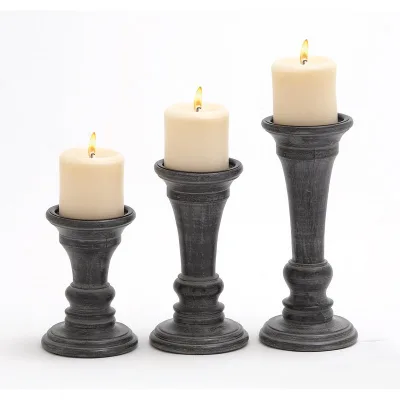


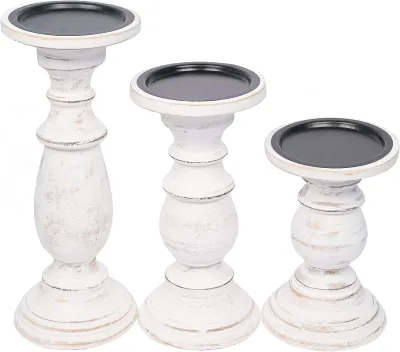


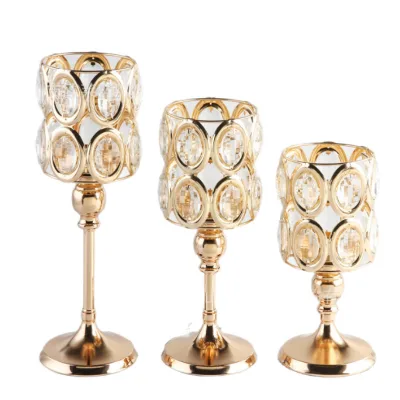


Comprehensive Sourcing Guide
Handmade Organic Soy Candlestick Sourcing Guide
Sourcing handmade organic soy candlesticks requires a nuanced understanding of the intersection between artisanal craftsmanship and functional home decor. Buyers must distinguish between the wax material itself and the structural vessel, as the term "candlestick" often implies a holder rather than the consumable wax product. The observed market data indicates a strong presence of soy wax products originating from China, specifically from the Anhui region, which serves as a significant manufacturing hub for these items. Procurement teams should recognize that "handmade" attributes often correlate with smaller batch sizes and unique aesthetic variations, which can impact quality consistency across large orders.
The core keyword suggests a focus on natural, plant-based materials, yet the supplied facts reveal a complex product landscape. While some listings explicitly mention "Soy Wax" and "Vegetable" ingredients, others describe "Candlestick Holders" made from glass or cement cups. This distinction is critical for buyers who need to procure either the raw wax for molding or the finished decorative vessel. Understanding this duality allows procurement specialists to align their search parameters with the specific component they intend to purchase, whether it is the aromatic wax block or the structural holder that supports the flame.
Product Scope and Observed Listing Signals
The observed product range spans from raw soy wax blocks to finished aromatic candles and decorative holders, indicating a broad scope for this keyword. Listings show soy wax products with attributes such as "Opaque," "White," or "Slightly Yellow" appearance, with melting points exceeding 150℉. These physical properties suggest the wax is suitable for modeling and specific decorative uses rather than standard high-temperature burning applications. Buyers should note that the "Handmade" attribute is explicitly claimed for certain items, implying a level of artisanal care that may justify premium pricing or lower volume orders compared to mass-produced alternatives.
In addition to the wax itself, the scope includes various container materials and styles, such as glass vessels and cement cups with specific dimensions like 8.2*7.5 cm. The presence of "Modern" style and "Medium" size specifications points to a target market interested in contemporary home decoration. Scent profiles vary widely, ranging from unscented options to complex blends like Sandalwood, Rosemary, and Lavender. This variety allows buyers to curate product lines that cater to diverse consumer preferences, from minimalist decor enthusiasts to those seeking specific aromatic experiences for prayer rooms or living spaces.
Technical Specifications to Verify
Verifying the technical specifications of soy wax products is essential to ensure they meet the intended application requirements. Buyers must confirm the melting point, as observed data indicates values above 150℉, which affects the candle's performance in different ambient temperatures. The wick type is another critical specification, with cotton wicks being the standard observed in the listings. Ensuring the wick is properly sized for the vessel diameter is vital to prevent sooting or incomplete burning, which can lead to customer dissatisfaction and product returns in the retail market.
The physical dimensions and weight of the products also require careful verification, especially when calculating shipping costs and storage requirements. Listings provide specific details such as a gross weight of 670g for certain aromatic candles and packing quantities of 24 units per carton. For decorative holders, dimensions like 11.411.49 cm for gift boxes are provided. Buyers should request detailed technical sheets that confirm these measurements and weights, as discrepancies can lead to logistical errors and increased freight costs due to volumetric weight calculations.
Compliance and Safety Documentation
Compliance with safety standards is non-negotiable when sourcing candle products, particularly those marketed as organic or handmade. Buyers must ensure that suppliers provide documentation verifying the absence of harmful substances, a claim supported by the observed "No Harmful Substance" attribute. This includes verifying that the soy wax is derived from sustainable sources and that any added scents are compliant with international fragrance regulations. The presence of "100% Pure" and "Vegetable" claims requires substantiation through ingredient lists and supplier declarations to avoid misleading marketing claims.
Additionally, buyers should request test reports for flammability and burn performance, even if not explicitly listed in the initial product data. The usage of these products in settings like prayer rooms and homes necessitates strict adherence to fire safety standards. Documentation should also cover the materials used in the containers, such as glass or cement, to ensure they are heat-resistant and safe for repeated use. Procurement teams must verify that all safety data sheets are up-to-date and that the supplier has a robust quality management system in place to maintain consistent compliance across production batches.
Cost Drivers and Commercial Terms
Cost drivers for handmade organic soy candlesticks include the quality of raw materials, the complexity of the manufacturing process, and the level of customization offered. The observed price range of 0.26 to 1200 USD reflects the vast difference between simple wax blocks and elaborate, scented, packaged gift sets. Buyers should analyze the cost breakdown to understand how much is attributed to the wax, the vessel, the scent, and the packaging. Customization options, such as specific scents or branding, often incur additional fees, which should be factored into the total cost of ownership.
Commercial terms, including minimum order quantities (MOQ) and packaging standards, significantly impact the procurement strategy. The observed MOQ range of 10 to 10,000 units allows for flexibility, but buyers must align their order size with their inventory capacity and sales velocity. Packaging standards, such as 25kg/bag for raw wax or specific gift box dimensions for finished products, affect shipping efficiency. Negotiating favorable payment terms and lead times is crucial, especially for handmade items that may have longer production cycles due to their artisanal nature.
Supplier Qualification and Quality Control
Qualifying suppliers for handmade soy candlesticks requires a thorough assessment of their production capabilities and quality control processes. Buyers should verify the supplier's location, with Anhui, China, being a common origin, and assess their ability to maintain consistency in handmade products. Quality control measures should include regular inspections of the wax purity, wick placement, and container integrity. Suppliers should have clear procedures for handling defects and ensuring that each unit meets the specified aesthetic and functional standards.
Furthermore, buyers should evaluate the supplier's responsiveness to customization requests and their ability to provide samples for evaluation. The "Handmade" attribute implies a human element in production, which can introduce variability. Effective quality control protocols must account for this by defining acceptable tolerances for size, color, and scent strength. Building a strong relationship with the supplier through regular communication and feedback loops can help mitigate quality issues and ensure that the final products align with the buyer's brand expectations and customer demands.
Long-Term Procurement Checks
Long-term procurement success depends on continuous monitoring of supplier performance and market trends. Buyers should establish key performance indicators (KPIs) related to on-time delivery, product quality, and customer satisfaction to evaluate supplier reliability over time. Regular audits and feedback sessions can help identify areas for improvement and ensure that the supplier remains committed to high standards. Additionally, staying informed about changes in regulations regarding organic and handmade products is essential to maintain compliance and avoid potential legal issues.
Sustainability and ethical sourcing are increasingly important factors in the long-term strategy for soy candle products. Buyers should verify that the soy wax is sourced from sustainable agriculture practices and that the supplier adheres to fair labor standards. Building a resilient supply chain involves diversifying suppliers and maintaining open lines of communication to address any disruptions promptly. By focusing on these long-term checks, buyers can ensure a steady supply of high-quality, ethically produced handmade organic soy candlesticks that meet the evolving needs of their customers.
FAQs
What is the melting point of this soy wax candlestick?
The melting point is greater than 150℉, which is approximately 65.6℃. This high melting threshold ensures the candle maintains its solid structure during storage and transport. It prevents premature softening in warm environments, allowing for reliable handling and safe display in various indoor settings without structural compromise.
Can I customize the scent for these handmade soy candles?
Customization is available for these products, allowing buyers to select specific fragrance profiles. Options include Sandalwood, Rosemary, Rose, Peppermint, Ocean, Lavender, Eucalyptus, Coconut, Cinnamon, Chamomile, and Agalloch. This flexibility supports tailored branding needs for home decoration, prayer rooms, or special occasions like weddings and parties.
What is the packaging standard for bulk orders of soy wax?
The standard packaging is 25KG per bag for the raw soy wax material. For finished aromatic candles, the gross weight is 670g per unit, packed in a gift box measuring 11.4x11.4x9 inches. Bulk shipments may contain 24 units per carton, weighing 15.4kg, ensuring secure transport and easy inventory management.
Which wick type is used in these organic soy candles?
These candles utilize a cotton wick type, which is standard for clean burning. The cotton material ensures a steady flame and minimal soot production. This choice aligns with the product's features of being 100% pure vegetable wax with no harmful substances, providing a safe and eco-friendly lighting solution for everyday home use.
What is the typical burn time for these soy wax candles?
The typical burn time ranges from 13 to 24 hours. This duration provides extended lighting for home decoration, prayer rooms, or evening relaxation. The consistent burn rate is supported by the high-quality soybean wax material and the moderate scent strength, ensuring a long-lasting and pleasant aromatic experience for users.
Where are these handmade soy candlestick holders manufactured?
These products originate from Anhui, China. The manufacturing location supports the production of both the raw soy wax and the finished candlestick holders. This origin ensures access to established supply chains for soybean wax and glass containers, facilitating efficient production of modern-style candles suitable for global export and diverse decorative applications.