Source Handmade Plush Crochet Keychain for Gifts, Decor, and Events
Explore 30 listings of Handmade Plush Crochet Keychain options from China, featuring varied colors, materials, and applications. Buyers can compare specifications, MOQs, and prices to find suitable items for weddings, festivals, and daily use.
Key considerations
Products List
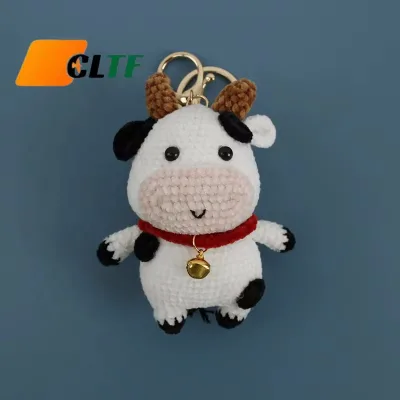
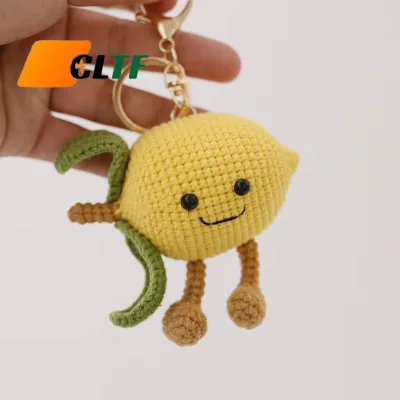
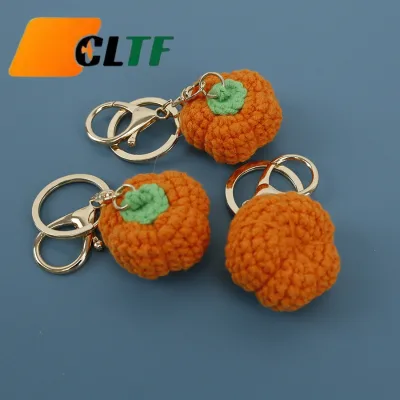
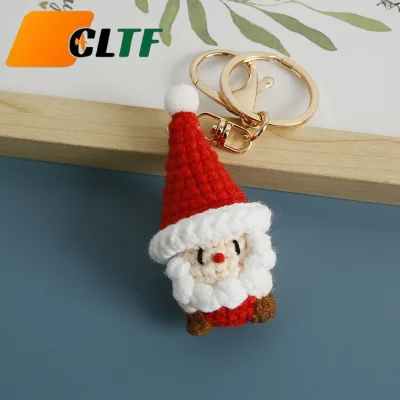
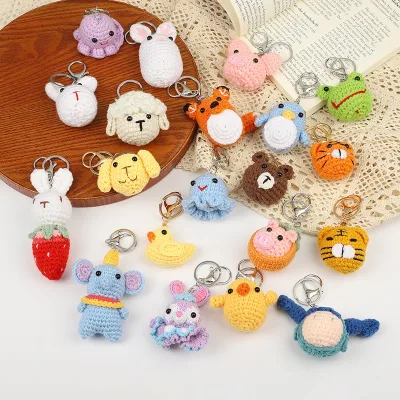
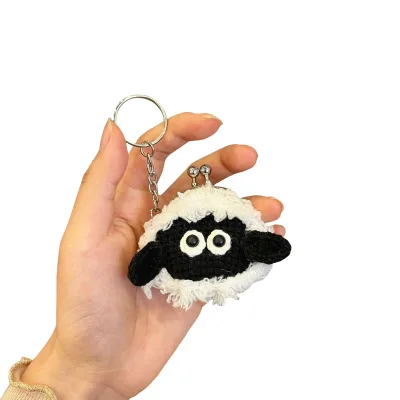
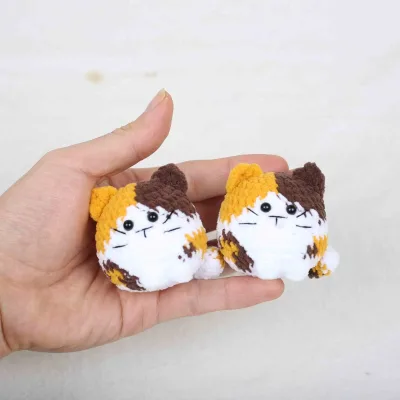
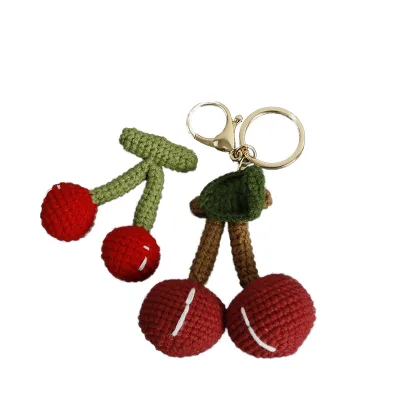
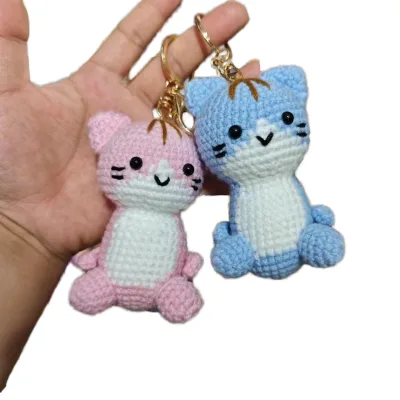
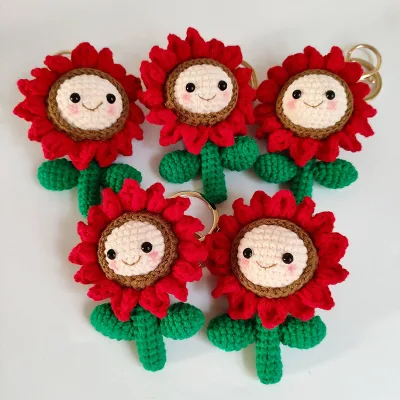
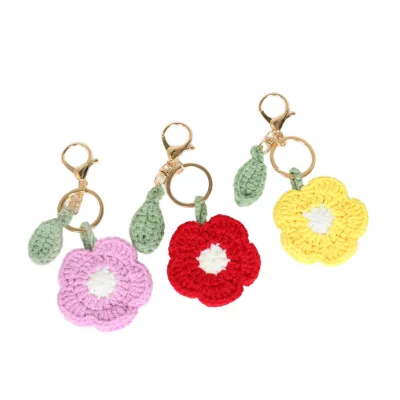

Custom Stuffed Plush Business Gift Custom Plush Keyring Plushies Keychain
$2.60 - $3.00
MOQ: 100 Pieces


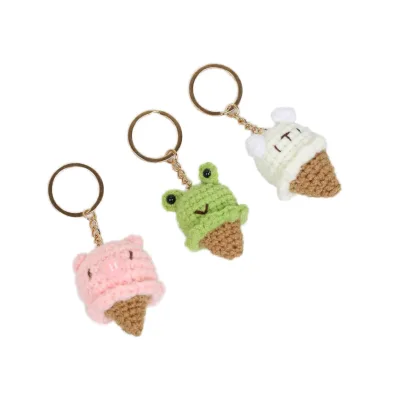


Comprehensive Sourcing Guide
Strategic Sourcing Guide for Handmade Plush Crochet Keychains
The global market for handmade plush crochet keychains has expanded significantly, driven by consumer demand for personalized, eco-friendly accessories and unique gift items. For B2B procurement professionals, sourcing these items requires a nuanced understanding of the intersection between traditional craftsmanship and modern manufacturing logistics. The category encompasses a diverse range of products, from 3D plush shapes to functional light keychains, each with distinct material requirements and production constraints. This guide provides a structured approach to evaluating suppliers, verifying product specifications, and managing the procurement lifecycle for handmade crochet keychains, ensuring that buyers can navigate the complexities of this artisanal sector with confidence and precision.
Understanding Product Variations and Technical Specifications
The term "Handmade Plush Crochet Keychain" covers a broad spectrum of items that differ significantly in their construction, materials, and intended use. Buyers must first distinguish between the primary product types observed in the market. One prominent category includes 3D shaped plush items, such as pumpkin or doll figures, which are constructed using knitting or crochet techniques. These items often feature a cotton lining and are designed to be soft, durable, and portable. The physical dimensions of these products can vary; for instance, some 3D plush keychains have a single package size of approximately 20x10x10 cm, while others may be smaller, around 5 cm in height.
In contrast, another segment of the market includes light keychains or metal-based accessories that may incorporate crochet elements or be marketed under similar keywords. These items often utilize metal materials and feature offset printing rather than textile knitting. Their dimensions are typically more compact, with package sizes around 13.5x1x4.5 cm and a gross weight of only 0.040 kg. It is critical for buyers to verify the specific material composition, as some products are labeled as "Cotton" or "Textile & Fabric," while others are defined by their metal content.
The shape of the product is another vital technical specification. While many handmade items are described as having a "3D Shape" or "Irregular Shape" to emphasize their artisanal nature, others may offer "Shape Acceptable" options, allowing for customization. The color palette also varies widely; some products are limited to specific festive colors like Orange or Red, while others offer an extensive range of over twenty color options, denoted by alphanumeric codes or numerical ranges. Understanding these technical distinctions is the first step in ensuring that the sourced product aligns with the buyer's specific inventory requirements.
Material Composition and Craftsmanship Verification
The core value proposition of handmade crochet keychains lies in their material quality and the craftsmanship involved. The supplied data indicates that a significant portion of these products utilize cotton as a lining material or primary textile fabric. This choice of material contributes to the "Soft" and "Eco-Friendly" attributes often highlighted in product descriptions. For buyers, verifying the source and quality of the textile is essential. The presence of a cotton lining suggests a focus on comfort and safety, which is particularly important for products intended as gifts for children or for use in personal accessories.
The manufacturing process is explicitly noted as "Handmade" or "Knitting" in many listings. This distinction is crucial because it implies a labor-intensive production method that differs from mass-produced injection-molded or machine-knitted items. The "Handmade" attribute often correlates with the "Cute" and "Creative" styles observed in the market, where each item may possess slight variations that add to its charm. However, this also introduces variability in production consistency. Buyers should expect that "Handmade" items may not have identical dimensions or stitch patterns, which is a natural characteristic of artisanal production rather than a defect.
When evaluating the material, buyers should also consider the "Printing" method used. While some keychains rely on the natural texture of the crochet, others may feature "offset printing" or other decorative techniques. The combination of textile materials with metal components, as seen in light keychains, requires careful inspection to ensure that the joining methods are secure and that the materials do not degrade quickly. The "Eco-Friendly" claim associated with these products should be substantiated by the supplier through documentation regarding the sourcing of raw materials, rather than accepted as a generic marketing statement.
Compliance, Certification, and Safety Standards
Navigating the compliance landscape for handmade plush keychains requires a careful approach, particularly when these items are intended for gifting or use by children. While the supplied context mentions standards such as EN71 and certifications like CE, these are listed as low-confidence background information and should not be assumed to apply to every product without verification. Buyers must treat these as targets for inquiry rather than guaranteed attributes.
The primary safety concern for plush and textile-based keychains involves the materials used and the potential for small parts to detach. For products with a "3D Shape" or "Irregular Shape," the risk of small components breaking off is higher if the stitching is not robust. Buyers should request specific test reports regarding flammability, chemical content, and mechanical strength, especially if the products are marketed for use during festivals like Christmas or New Year, where they may be given to children.
Although the text mentions "Eco-Friendly" features, buyers should verify what specific environmental standards the supplier adheres to. This could include certifications for organic cotton, sustainable dyeing processes, or fair labor practices. The "Standard" and "Certification" sections in supplier profiles should be scrutinized to ensure they match the regulatory requirements of the target export market. For instance, if the product is destined for the European Union, compliance with REACH regulations and specific toy safety directives is mandatory, regardless of whether the product is labeled as a keychain or a decorative item.
Cost Drivers and Pricing Structure Analysis
The pricing of handmade crochet keychains is influenced by several distinct factors, including labor intensity, material costs, and order volume. The observed price range in the market spans from 0.2 to 10 USD, a wide variance that reflects differences in complexity, size, and material quality. Smaller, simpler items with basic colors and standard packaging tend to fall at the lower end of this spectrum, while larger, more intricate 3D plush items with custom colors and specialized packaging command higher prices.
A significant cost driver is the "Handmade" nature of the production. Unlike machine-made goods, where economies of scale can drastically reduce unit costs, handmade items rely on skilled labor, which limits the speed of production and increases the per-unit cost. The "MOQ" (Minimum Order Quantity) also plays a critical role in pricing. The data shows MOQs ranging from 5 to 1000 pieces, with specific listings citing 50, 100, or 500 pieces as thresholds. Lower MOQs often result in higher unit prices due to the setup costs associated with small-batch artisanal production.
Buyers should also consider the "Single gross weight" and "Single package size" when calculating logistics costs. For example, a plush keychain with a gross weight of 1.000 kg and a package size of 20x10x10 cm will incur significantly higher shipping costs compared to a lightweight metal keychain weighing 0.040 kg. These logistical factors can impact the total landed cost, especially for international procurement. Additionally, the "Packing" standard, whether "Standard" or custom, can add to the overall expense. Buyers must balance the desire for premium packaging with the budget constraints of the project.
Supplier Evaluation and Geographic Considerations
When selecting a supplier for handmade crochet keychains, geographic origin is a key indicator of production capabilities and cost structures. The supplied data highlights three primary regions: Hunan, Hebei, and Zhejiang in China. Each region may have different specializations; for instance, Hunan and Zhejiang are known for textile and fabric manufacturing, which aligns with the cotton and crochet keychain products. Hebei, on the other hand, may be associated with metal components or different types of keychain accessories.
Evaluating a supplier requires more than just checking their location. Buyers should assess the supplier's ability to maintain consistency in "Handmade" production. This involves reviewing their quality control processes, their capacity to handle the specific "MOQ" requirements, and their track record for meeting delivery deadlines. The "Brand Name" associated with the product, such as CLTF or shuomi, can provide insight into the supplier's market positioning, but buyers should not rely solely on brand reputation without verifying the actual manufacturing capabilities.
It is also important to verify the "Product Type" and "Model Number" to ensure the supplier is the original manufacturer or an authorized distributor. The presence of specific model numbers like KY922 or 658 suggests a level of organization and inventory management. Buyers should request samples to verify the "Style" and "Function" claims, such as whether the item is truly "Portable" and "Decorative" as described. Additionally, checking the supplier's response time and communication clarity can be indicative of their reliability in handling B2B orders.
Quality Control and Long-Term Procurement Strategy
Implementing a robust quality control (QC) strategy is essential for sourcing handmade items, where variability is inherent. Buyers should establish clear acceptance criteria based on the observed specifications, such as the "Shape," "Color," and "Material." For 3D plush items, QC should focus on the integrity of the stitching, the softness of the cotton lining, and the absence of loose threads. For metal or mixed-material keychains, the focus should be on the durability of the connection points and the quality of the printing.
Long-term procurement considerations involve building a relationship with suppliers who can scale production while maintaining quality. As demand grows, the "MOQ" may need to be adjusted, and the supplier must be capable of increasing output without compromising the "Handmade" quality. Buyers should also consider the "Application" of the product, such as use in weddings, birthdays, or back-to-school events, and ensure the supplier can meet the seasonal spikes in demand.
Sustainability is another long-term factor. Given the "Eco-Friendly" attributes often claimed, buyers should work with suppliers who can provide documentation on their environmental practices. This includes verifying the source of the cotton and the methods used for dyeing and finishing. By prioritizing suppliers who align with these values, buyers can future-proof their supply chain against increasing regulatory and consumer demands for sustainable products.
Typical Applications and Market Positioning
The versatility of handmade crochet keychains makes them suitable for a wide range of applications. The data indicates that these products are commonly used as gifts for weddings, daily use, and various festivals including Christmas, New Year, and Earth Day. Their "Cute" and "Creative" design appeals to a broad demographic, making them popular as promotional items, party favors, and personal accessories.
For B2B buyers, understanding the specific application helps in tailoring the product selection. For example, "Christmas" specific items might require red or green color schemes and festive shapes, while "Back to School" items might focus on cartoon patterns and durable materials. The "Function" of the keychain, whether it is purely "Decorative" or includes features like a light, also dictates its market positioning. Buyers should align their procurement strategy with the intended use case to ensure the product meets customer expectations and drives sales in the target market.
Conclusion
Sourcing handmade plush crochet keychains requires a balanced approach that respects the artisanal nature of the product while adhering to rigorous B2B standards. By carefully analyzing technical specifications, verifying material and compliance claims, and understanding the cost drivers and supplier landscape, buyers can build a reliable supply chain. The diversity of the market, from 3D plush dolls to metal light keychains, offers numerous opportunities for differentiation. However, success depends on thorough due diligence, clear communication with suppliers, and a commitment to quality and sustainability. As the market continues to evolve, maintaining a focus on these core principles will ensure that buyers can effectively navigate the complexities of this unique product category.
FAQs
What materials are used for handmade plush crochet keychains?
Most items use cotton lining and textile fabric for a soft feel. Some variations include metal components or offset printing. Buyers should verify the specific material composition before ordering to ensure it matches their requirements for durability and safety.
How much is the minimum order quantity for these keychains?
The minimum order quantity typically ranges from 50 to 100 pieces depending on the supplier. Some listings show a baseline of 50 pieces while others require 100 pieces. Lower quantities may result in higher unit costs due to the handmade production method.
Where are these handmade crochet keychains manufactured?
Products originate from regions like Hunan, Hebei, and Zhejiang in China. Hunan and Zhejiang are known for textile manufacturing while Hebei may supply metal-based accessories. Buyers should confirm the specific place of origin to align with logistics and sourcing preferences.
Can I find eco-friendly options for these keychains?
Many listings explicitly state the products are eco-friendly and made with cotton. However, specific environmental certifications like EN71 are not guaranteed for every item. Buyers should request documentation to verify the sustainability claims and material sourcing practices of the supplier.
What is the price range for handmade plush keychains?
The observed price range spans from 0.2 to 10 USD per unit. Costs vary based on size, material complexity, and whether the item is a simple plush or a metal light keychain. Larger 3D shapes with cotton lining generally cost more than compact metal versions.
Which shapes are available for these crochet keychains?
Common shapes include 3D forms like pumpkins and irregular doll figures. Some suppliers offer customizable shapes while others provide standard sizes like 5cm or 13.5cm. The specific shape depends on the product model and the manufacturer's current inventory.