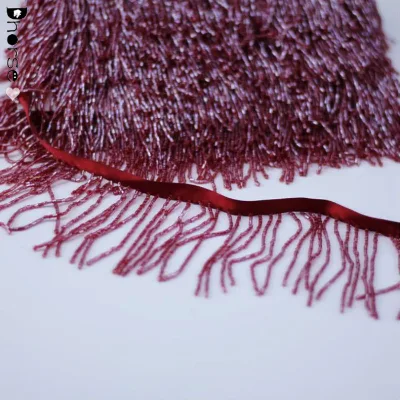
Source Handmade Red Glass Bead Fringe for bags, garments, and home textile trim
Compare 30 listings of Handmade Red Glass Bead Fringe from verified suppliers. Buyers can evaluate specifications like material, size, and customization options for bags, garments, and home textile trim applications.
Key considerations
Products List

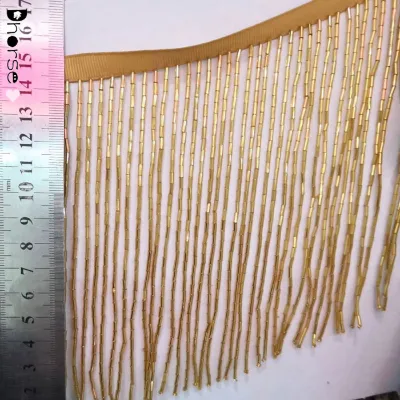
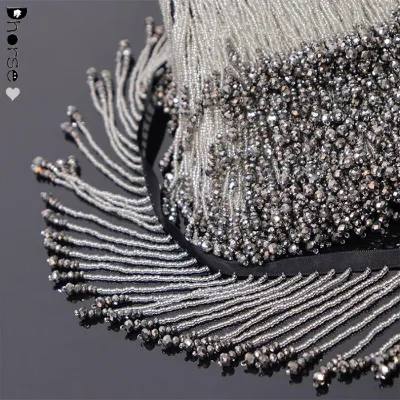
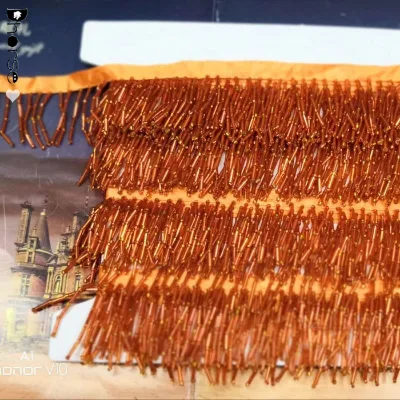
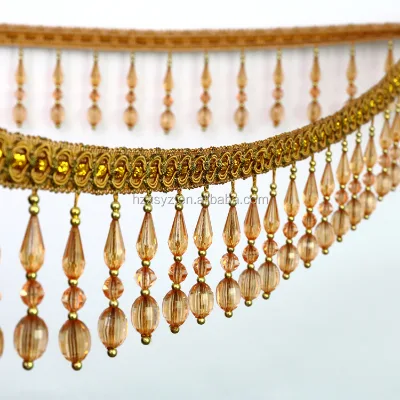
Hot Sell DIY Handmade Champaign Gold Beaded Trimming Fringe for Party Dress
$2.00 - $8.00
MOQ: 300 Minimum
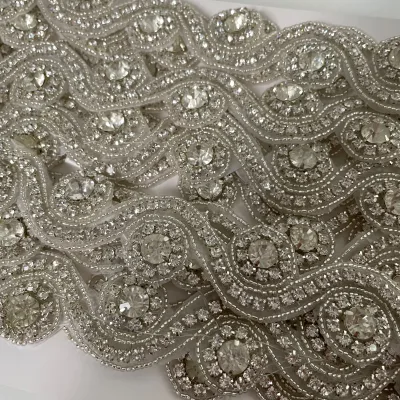
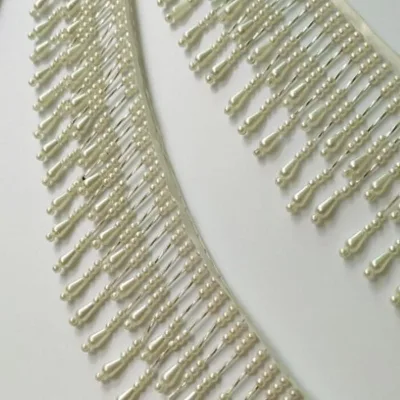


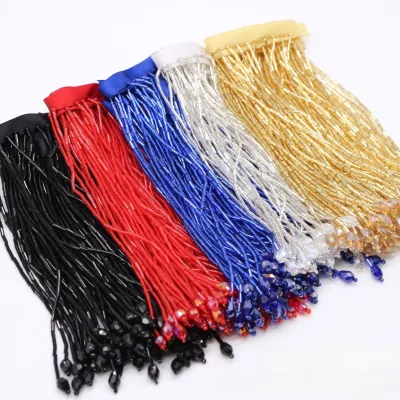
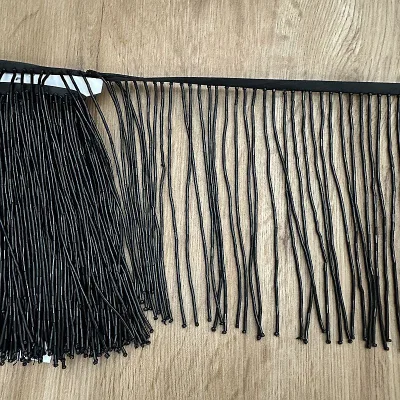
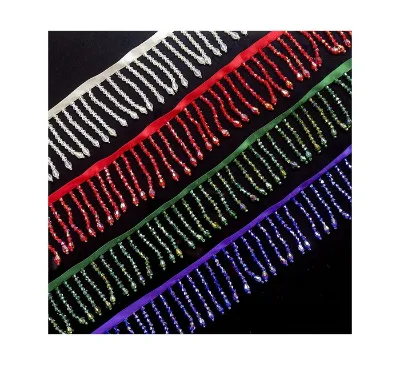


Colorful High Quality 7cm Glass Crystal Sequins Beaded Lace Trim Tassel Fringe
$1.17 - $1.67
MOQ: 10 Meters


Comprehensive Sourcing Guide
Handmade Red Glass Bead Fringe Sourcing Guide
Sourcing Handmade Red Glass Bead Fringe requires a nuanced understanding of the intersection between artisanal craftsmanship and industrial textile standards. This specific trim category bridges the gap between decorative embellishment and functional textile finishing, often utilized in high-end fashion, luxury home textiles, and specialized accessories. The visual impact of red glass beads, combined with the tactile complexity of hand-assembled fringe, demands rigorous supplier vetting to ensure consistency in colorfastness, bead integrity, and structural durability. Buyers must navigate the trade-offs between the aesthetic uniqueness of handcrafted items and the reproducibility required for large-scale production runs.
The procurement process for this item is heavily influenced by the manual nature of its creation. Unlike machine-made trims, handmade variants exhibit slight variations that can be either a feature of authenticity or a defect in quality control, depending on the end-use application. Understanding the supply chain dynamics, from raw glass bead sourcing to final assembly, is critical for managing expectations regarding lead times and minimum order quantities. This guide provides a structured approach to evaluating suppliers, verifying technical specifications, and establishing commercial terms that protect the buyer’s interests while supporting the artisanal value of the product.
Product Scope and Observed Listing Signals
The market for Handmade Red Glass Bead Fringe presents a diverse range of product configurations, often categorized under broader headings such as beaded tassel trim, fringe beaded trim, or rhinestone embellishments. Observed listing signals indicate that suppliers frequently offer customization options, allowing buyers to specify bead sizes, thread materials, and overall dimensions. For instance, some listings highlight specific model numbers like DHT1643 or DHT1670, which may correspond to distinct designs or bead arrangements. These identifiers are crucial for maintaining consistency across repeat orders, as handmade items can vary significantly between batches if not strictly controlled.
Color variations are a prominent feature in this category, with red being a primary option alongside black, gold, and other hues. The material composition often includes polyester ribbons, nylon threads, and crystal or glass beads, contributing to a "bling bling shine" effect that is highly sought after for decorative purposes. Suppliers may also offer OEM/ODM services, enabling brands to create unique designs that align with their specific aesthetic guidelines. However, buyers should be cautious of generic descriptions and request detailed material breakdowns to ensure the glass beads meet their quality and safety requirements, particularly for applications involving direct skin contact or children’s products.
Technical Specifications to Verify
Verifying the technical specifications of Handmade Red Glass Bead Fringe is essential to ensure compatibility with manufacturing processes and end-use requirements. Key attributes to confirm include the trim width, bead diameter, and the type of attachment mechanism, such as hot-fix or sew-on bases. For example, some products are specified with a width of 4.5cm or 9cm, which directly impacts the visual density and coverage of the trim. Buyers should also verify the thread material, as nylon or polyester threads offer different levels of strength and flexibility, affecting the durability of the fringe during sewing and wear.
The craftsmanship technique, often described as hand embroidery or handmade assembly, introduces variables that must be quantified. Buyers should request samples to assess the uniformity of bead placement, the tightness of the knotting, and the overall structural integrity of the fringe. Additionally, the backing material, whether it is a ribbon, fabric, or adhesive strip, plays a critical role in how the trim performs during application. Understanding these technical details allows buyers to select the appropriate trim for their specific manufacturing equipment and design constraints, minimizing the risk of production delays or product failures.
Compliance and Safety Documentation
Compliance and safety documentation are paramount when sourcing Handmade Red Glass Bead Fringe, especially for products intended for the European Union or North American markets. While specific certifications like CE or OEKO-TEX may be mentioned in general contexts, buyers must verify the actual compliance status of the supplier and the specific product batch. This includes ensuring that the glass beads and any associated adhesives or threads are free from harmful substances such as lead, cadmium, or phthalates, which are strictly regulated in textile and accessory products.
Buyers should request test reports from accredited laboratories to confirm that the materials meet relevant safety standards, such as REACH for chemical restrictions or CPSIA for children’s products. It is also important to verify that the supplier adheres to ethical labor practices, given the handmade nature of the product. Documentation should include details on the origin of the raw materials, the manufacturing process, and any quality control measures in place to prevent contamination or defects. This due diligence not only mitigates legal risks but also enhances the brand’s reputation for responsible sourcing.
Cost Drivers and Commercial Terms
The cost of Handmade Red Glass Bead Fringe is influenced by several factors, including the complexity of the design, the quality of the materials, and the volume of the order. Handcrafted items typically command a higher price due to the labor-intensive nature of the production process. Buyers should expect price ranges that reflect the artisanal value, with variations based on bead size, color rarity, and the intricacy of the fringe pattern. Understanding these cost drivers helps in budgeting accurately and negotiating favorable terms with suppliers.
Commercial terms, such as minimum order quantities (MOQ), lead times, and payment methods, are critical components of the procurement agreement. Suppliers may offer MOQs as low as 3 pieces for samples or up to 1000 pieces for bulk orders, with lead times ranging from 7 days for samples to 10-15 days for production. Payment terms often include T/T, Western Union, PayPal, or Money Gram, providing flexibility for different transaction sizes. Buyers should clarify these terms upfront to avoid misunderstandings and ensure a smooth transaction process, while also considering the impact of shipping costs and import duties on the total landed cost.
Supplier Qualification and Quality Control
Supplier qualification is a multi-step process that involves assessing the supplier’s capability to deliver consistent, high-quality Handmade Red Glass Bead Fringe. Buyers should evaluate the supplier’s production capacity, quality control procedures, and track record in the industry. A reliable supplier will have a robust quality assurance system in place, including 100% double checks or similar rigorous inspection protocols, to minimize defects and ensure consistency across batches. This is particularly important for handmade items, where variations are more likely to occur.
Establishing a clear quality control framework is essential for maintaining product standards. Buyers should define acceptable tolerances for bead placement, color consistency, and structural integrity, and communicate these requirements clearly to the supplier. Regular audits and sample approvals can help identify potential issues early in the production process. Additionally, building a strong relationship with the supplier through open communication and feedback can foster collaboration and continuous improvement, ensuring that the final product meets the buyer’s expectations and brand standards.
Long-Term Procurement Checks
Long-term procurement checks involve ongoing monitoring and evaluation of supplier performance to ensure sustained quality and reliability. Buyers should establish key performance indicators (KPIs) such as on-time delivery rates, defect rates, and responsiveness to issues, and review these metrics regularly. This data-driven approach allows for objective assessment of supplier capabilities and identification of areas for improvement. Consistent performance over time is a strong indicator of a supplier’s stability and commitment to quality.
Continuous improvement initiatives, such as joint problem-solving sessions and technology upgrades, can enhance the procurement process and drive value for both parties. Buyers should encourage suppliers to adopt best practices in production and quality control, while also providing feedback on product performance in the market. By fostering a collaborative partnership, buyers can secure a reliable supply of Handmade Red Glass Bead Fringe that supports their brand’s growth and innovation goals, while also contributing to the supplier’s success and sustainability.
FAQs
What materials are used for the Handmade Red Glass Bead Fringe?
The product uses ribbon and crystal beads as primary materials. Some variations also incorporate polyester and acrylic stones to enhance durability and visual appeal for home textile trim applications.
Can I customize the color and size of the fringe trim?
Yes, customization is available for both color and size. Buyers can request specific colors like red or gold, and sizes can be adjusted to match sample requirements or specific project needs.
What is the minimum order quantity for this beaded tassel trim?
The minimum order quantity is as low as 3 pieces for certain models. However, standard orders may require quantities up to 1000 units depending on the specific product model and customization level requested.
How long does it take to receive a sample order?
Sample orders typically require 7 days for preparation. The standard delivery lead time for bulk production is between 10 to 15 days after the order is confirmed and payment is processed.
Which payment terms are accepted for purchasing this trim?
Accepted payment methods include T/T, Western Union, PayPal, and MoneyGram. These options provide flexibility for international buyers to secure their orders of handmade fringe beaded trim efficiently.
Where is the origin of the Handmade Red Glass Bead Fringe?
The products originate from Guangdong, China. This location is a known hub for textile manufacturing, ensuring access to skilled labor for the hand embroidery and handmade techniques used in production.
What is the supply capacity for the beaded tassel trim?
The supplier has a monthly supply ability of 50,000 yards for beaded tassel trim. This capacity supports large-scale orders while maintaining quality standards through double-check processes before shipping.