Source Handmade Plush Wool Rug for Hotel, Home, and Prayer
Explore 30 Handmade Plush Wool Rug options featuring tufted and braided designs. These versatile rugs offer anti-slip backing and custom sizes for hotel, home, and prayer applications. Compare specifications to find the perfect fit for your commercial or residential needs.
Key considerations
Products List


Soft Plush Hand Tufted Rug Handmade Area Carpet Rug for Home and Office Decor
$56.00 - $59.00
MOQ: 200 Square Meters
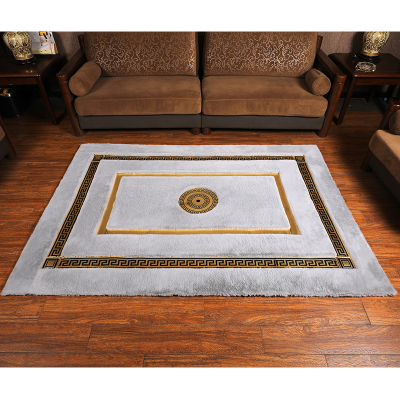
Handmade Sheepskin Area Rug Rabbit Fur Carpet Modern Soft Hand Tufted Rug
$10.19 - $12.23
MOQ: 1 pieces


High Quality Wool Custom Fashionable Interior Decorative Handmade Handtufted Rug
$32.40 - $67.30
MOQ: 1 Square Meters

Handtufted Carpets Children Wool Rugs for Living Room Handmade Rugs
$25.00 - $54.00
MOQ: 20 Square Meters


Luxurious Hand Tufted Wool Rug: Custom Carpet for Your Living Room
$25.00 - $54.00
MOQ: 20 Square Meters


Hand Rugs Living Room Large Carpets 100% Wool Rugs Custom Logo and Design
$35.00 - $78.00
MOQ: 1 Square Meters


Comprehensive Sourcing Guide
Handmade Plush Wool Rug Sourcing Guide
Procuring handmade plush wool rugs requires distinguishing between genuine artisanal craftsmanship and mass-produced alternatives that merely mimic the aesthetic. The supplied data confirms that specific models utilize hand-embroidered techniques and tufted construction, offering a tactile depth that synthetic methods often fail to replicate. Buyers must verify the "Hand-Made" attribute explicitly, as the market contains many items labeled "hand-tufted" that are machine-assisted, which significantly impacts durability and price. Understanding this distinction is the first step in securing a product that justifies the investment in a high-end textile.
The observed product range indicates a strong focus on customization, with suppliers offering any design, size, and shape to meet specific interior requirements. This flexibility allows buyers to source rugs tailored for diverse environments, including hotels, homes, and prayer spaces, while maintaining a consistent aesthetic identity. However, the availability of custom options necessitates a rigorous review of the production timeline and minimum order quantities, which can vary significantly between standard stock items and bespoke commissions. Buyers should prioritize suppliers who demonstrate clear communication channels for managing these complex customization requests.
Product Scope and Observed Listing Signals
The market listings reveal a diverse scope of applications, ranging from residential decoration to commercial hospitality and specialized prayer areas. The observed usage tags confirm suitability for high-traffic environments like hotels and commercial spaces, provided the rug features anti-slip backing and durable pile materials. Buyers should note that while some listings specify "Hand Embroidered" wool, others indicate "Braided" or "Tufted" techniques with blended materials, requiring careful selection based on the intended room function and traffic load.
Listing signals also highlight specific material compositions, including pure wool, polyester, nylon, and polypropylene blends, which directly influence the rug's performance characteristics. The presence of "Solution Dyed" methods suggests enhanced colorfastness, a critical factor for rugs exposed to sunlight or frequent cleaning. Additionally, the availability of "Cut Pile Loop Pile" and "Multi-Level Loop" constructions offers varied textural options, but buyers must verify the specific pile weight and density to ensure the rug meets the plushness and longevity expectations for their specific project.
Technical Specifications to Verify
Verifying technical specifications is essential to ensure the rug meets the physical demands of its intended installation location. The data indicates a standard thickness of 15mm and a pile weight ranging from 4.5 to 8.5 lbs per square meter, though these figures may vary for custom orders. Buyers must confirm the exact pile weight and density for their specific model, as these metrics determine the rug's resilience under foot traffic and its ability to retain its plush appearance over time.
Construction details such as the backing material and surface style are equally critical for long-term performance. The observed listings mention cotton backing and various surface styles including solid colors, stripes, and custom patterns. It is vital to verify the backing type, as cotton offers a natural feel but may require specific care compared to synthetic alternatives. Furthermore, confirming the "Cut Pile, Loop Pile, or Multi-Level Loop" construction ensures the rug aligns with the desired aesthetic and functional requirements, particularly for areas requiring specific slip resistance or texture.
Compliance and Safety Documentation
Safety and compliance documentation for handmade wool rugs often focus on material safety and fire resistance, though specific certification data is not universally provided in the listings. Buyers should request test reports verifying that the wool and any blended fibers meet international flammability standards, especially for commercial installations in hotels or public spaces. The "Anti-Bacteria" and "Washable" attributes suggest inherent hygiene benefits, but independent verification of these claims is necessary to ensure they meet local building codes and health regulations.
Environmental and chemical safety is another critical area where documentation is required. While some listings claim "Eco-Friendly" status, buyers must ask for proof of low-VOC emissions and safe dyeing processes, particularly for "Solution Dyed" products. The "Corrosion-Resistant" and "Adhesive Protective" features mentioned in some listings imply specific chemical treatments, which should be validated to ensure they do not release harmful substances into the indoor environment. Ensuring these safety standards are met protects both the end-user and the procurement entity from potential liability.
Cost Drivers and Commercial Terms
The cost of handmade plush wool rugs is driven primarily by the complexity of the craftsmanship, the purity of the wool, and the extent of customization required. The observed price range of 3.34 to 125 USD reflects the vast difference between simple, machine-assisted items and fully hand-embroidered, bespoke pieces. Buyers must understand that "Hand-Made" and "Hand-Knotted" attributes command a premium, and the cost will scale with the intricacy of the custom design and the specific pile weight selected for the project.
Commercial terms, including Minimum Order Quantity (MOQ) and lead times, vary significantly based on the customization level. The data shows an MOQ range from 1 to 2000 units, indicating that suppliers cater to both single-item buyers and large-scale commercial projects. Buyers should negotiate clear terms regarding the production timeline for custom sizes and designs, as these can extend lead times considerably compared to standard stock items. Additionally, understanding the packaging standards, such as the use of PP bags, is crucial for protecting the rug during transit and minimizing damage costs.
Supplier Qualification and Quality Control
Supplier qualification for handmade rugs requires a deep dive into their production capabilities and quality control protocols. The listings indicate origins in Foshan City and Guangdong Province, China, regions known for textile manufacturing, but buyers must verify the specific factory's capacity for hand-embroidered and hand-tufted work. Confirming the "Direct Factory" status and the availability of OEM/ODM services ensures that the buyer is dealing with a manufacturer capable of handling custom specifications without relying on intermediaries who may compromise quality.
Quality control measures should be established before production begins, focusing on the consistency of the pile, the integrity of the backing, and the accuracy of the custom design. Buyers should request pre-production samples to verify the "Cut Pile Loop Pile" texture and the "Hand Embroidered" details against the agreed specifications. Implementing a rigorous inspection process for the final product, checking for loose threads, uneven dyeing, or structural weaknesses, is essential to ensure the delivered rugs meet the high standards expected of handmade plush wool products.
Long-Term Procurement Checks
Long-term procurement success depends on establishing a reliable supply chain that can consistently deliver high-quality handmade rugs over time. Buyers should maintain regular communication with suppliers to monitor changes in raw material availability, particularly for wool, which can fluctuate in quality and price. Building a relationship with the factory allows for better negotiation on pricing and ensures that the supplier prioritizes the buyer's orders during peak production seasons, securing the necessary lead times for future projects.
Continuous quality monitoring is also vital for maintaining the reputation of the procurement entity. Buyers should implement a system for tracking customer feedback and return rates to identify any recurring issues with specific rug models or production batches. By analyzing performance data over time, buyers can refine their specifications and work with suppliers to improve the durability and aesthetic consistency of the rugs. This proactive approach ensures that the long-term procurement strategy remains robust and adaptable to changing market demands.
FAQs
What is the pile material used in these handmade plush wool rugs?
These rugs use wool as the primary pile material, with blended options combining wool, polyester, nylon, or polypropylene. The pile weight can be customized, typically ranging from 4.5 to 8.5 lbs per square meter. Backing is usually cotton, and buyers can request a specific material blend based on budget, feel, and intended usage such as home, hotel, or commercial decoration.
Can I order a custom size, shape, or design for a Handmade Plush Wool Rug?
Yes, customization is fully available. Any size, shape, and design can be produced, including rectangles, rounds, squares, runners, and ovals. Standard sizing starts from 200 by 300 cm or a fully customized dimension. Custom color schemes, solid colors, stripes, and personalized patterns are supported, and construction can be cut pile, loop pile, or a combination of both.
How thick are these handmade plush wool rugs?
The rugs are approximately 15 mm thick, giving a plush, soft feel underfoot. Thickness can be confirmed with the supplier before ordering, especially if you need a specific height for high-traffic areas. Combined with tufted or hand-knotted craftsmanship and anti-slip backing, this thickness suits hotel lobbies, living rooms, prayer spaces, and other decorative installations.
Which cleaning and maintenance method works best for a wool rug?
Hand wash is the recommended cleaning method for these rugs. Wool fibers are naturally resilient, and some listings also highlight stain-resistant and washable features that help with everyday upkeep. Avoid machine washing unless the supplier confirms it is safe, blot spills promptly, and use gentle cleaning agents to protect the pile, dyes, and cotton backing over long-term use.
Where are these handmade plush wool rugs produced?
These rugs are produced in Foshan City, Guangdong Province, China, with some listings also indicating Guangdong as the origin. Listings are positioned as direct factory supply with OEM and ODM support. This production base is known for carpet and textile manufacturing, which supports customization of design, size, texture, and construction for hotel, commercial, and home buyers.
How are the rugs packed and what usage environments do they suit?
Each rug is packed in a PP bag for protection during storage and shipping. Suitable usage environments include hotels, homes, commercial spaces, decoration projects, prayer areas, outdoor settings, bathrooms, cars, and exercise spaces. Features such as anti-slip backing, wrinkle resistance, and anti-bacteria treatment help the rugs perform across these varied indoor and outdoor conditions.