Source Handmade Reusable Ice Cream Bowl for Dessert, Yogurt, Home
Find 30 options for the Handmade Reusable Ice Cream Bowl designed for ice cream, yogurt, and dessert bowls. Compare specifications like capacity, material, and certifications from verified Chinese manufacturers to find the best fit for your business needs.
Key considerations
Products List


High White Glass Ice Cream Bowl for Sundae Bowls Dessert Yogurt Snacks Serving
$0.49 - $0.70
MOQ: 1000 Pieces
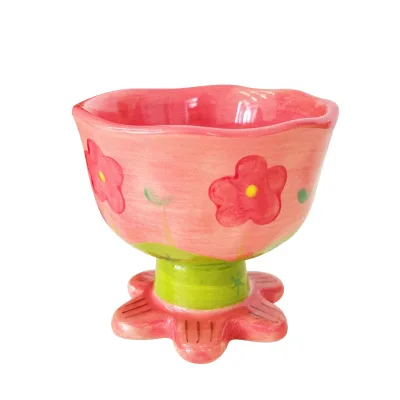
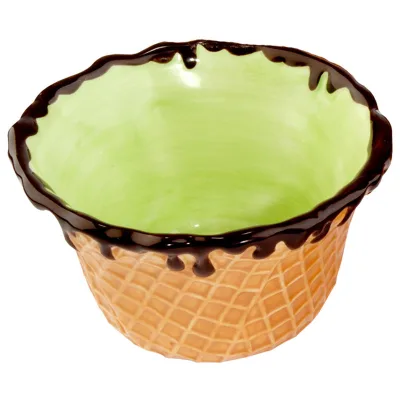
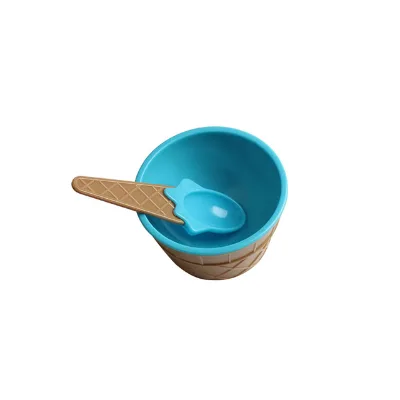


Colorful Ceramic Dessert Bowls for Kitchen Small Porcelain Snack Ice Cream Bowl
$0.79 - $2.89
MOQ: 1000 Pieces


Ceramic Tall Ice Cream Serving Bowls Multi-Purpose Footed Ceramic Dessert Bowl
$1.35 - $1.76
MOQ: 100 Pieces
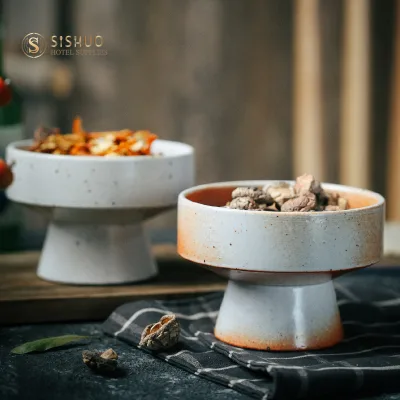


Colorful Logo Design Ice Cream Bowl Ice Cream Paper Cup Ice Cream Bowl
$0.03 - $0.05
MOQ: 10000 Pieces

Customize Ice-Cream Bowls with Compostable Custom Design Logo Ice Cream Tub Bowl
$0.04 - $0.06
MOQ: 10000 Pieces

Comprehensive Sourcing Guide
Strategic Sourcing Guide for Handmade Reusable Ice Cream Bowls
The global market for premium food service ware has seen a significant shift toward sustainable, durable, and aesthetically pleasing options. For procurement professionals seeking handmade reusable ice cream bowls, the focus must remain on verifying the intersection of artisanal craftsmanship and rigorous safety compliance. The product category is defined by specific material properties, primarily glass, which offers a distinct advantage in heat resistance and chemical inertness compared to plastic alternatives. This guide outlines the critical technical, regulatory, and operational factors buyers must evaluate when sourcing these items, ensuring that the final procurement aligns with both brand values and safety standards.
Technical Specifications and Material Integrity
When evaluating handmade reusable ice cream bowls, the primary technical differentiator is the material composition. The supplied data confirms that the core material for these products is glass, specifically noted as "Crystal Glass" or "Patterned Glass" in various listings. This distinction is vital for buyers, as crystal glass often implies a higher clarity and refractive index, enhancing the visual appeal of the dessert presentation. The manufacturing process is frequently described as "Handmade" or "Mouth Blown," which introduces natural variations in wall thickness and shape. These variations are not defects but characteristics of the artisanal process, requiring buyers to adjust their quality control expectations accordingly.
Capacity is a critical specification that varies across the product range. Observed data indicates capacities ranging from 10 oz to 16 oz, with specific models supporting sizes like 100ml, 150ml, 200ml, 300ml, 450ml, and 500ml. Buyers must verify the exact capacity required for their menu or retail packaging, as the "Single Wall" construction type suggests a specific thermal profile. Unlike double-walled glass, single-wall bowls conduct heat more readily, which can be a consideration for serving hot toppings or preventing rapid melting in warm environments. The physical dimensions are also standardized in some contexts, with a standard reference of 10.4*7, though "Customized Size" is a frequently available option.
The shape of the bowl is another defining attribute. While "Round" and "Cylindrical Shape" are common, the "Plain" design often contrasts with "Patterned Glass" options. The "Fancy" attribute, specifically noted as "Colored," offers a route for brand differentiation. However, the "Trait" of being "Lead Free" is a non-negotiable technical requirement for any glassware intended for food contact, ensuring that the material does not leach harmful substances into acidic or sugary foods like ice cream.
Compliance and Certification Verification
In the B2B food service sector, compliance is not merely a formality but a prerequisite for market access. The supplied facts highlight a robust array of certifications that reputable manufacturers should possess. These include FDA (Food and Drug Administration), LFGB (German Food and Feed Code), EEC (European Economic Community), CIQ (China Inspection and Quarantine), and CE/EU standards. Additionally, environmental and chemical safety certifications such as ROHS and REACH are explicitly mentioned. These certifications indicate that the glass has undergone testing for heavy metals, lead, and cadmium leaching, which is critical for products that will hold food.
Buyers must understand that certification status is not universal across all listed products. While some entries list "FDA, EEC, LFGB, CIQ, CE/EU," others may only reference "LFGB, ROHS, REACH." This discrepancy necessitates a strict verification process where the buyer requests current, valid certificates for the specific model number being ordered. For instance, the model "HK278" and "982" are associated with specific certification lists in the data, but these should not be assumed to apply to all "handmade" glass bowls without direct confirmation. The presence of "CE" certification, while noted in the data, should be treated as a high-confidence fact only when explicitly linked to the specific product batch, as regulatory landscapes vary by region.
Cost Drivers and Pricing Structures
The pricing landscape for handmade glassware is influenced by several distinct factors. The observed price range in the market data is between 0 and 6.59 USD, but this wide variance often reflects differences in order volume, customization levels, and packaging complexity. The "Price" attribute is frequently listed as "Negotiable," indicating that the final unit cost is highly dependent on the total order quantity and the specific customization requirements.
A significant cost driver is the "Handmade" or "Mouth Blown" nature of the production. Unlike machine-pressed glass, hand-blown items require more labor hours, skilled artisans, and longer production cycles, which inherently increases the base cost. Furthermore, the "Customized" attribute, which includes options for colored glass or specific shapes, adds to the manufacturing complexity. Packaging also plays a substantial role in the final landed cost. The data shows variations from "Color Box" to "Carton" with "Strew" (likely protective filler) and "Polyfoam packing." The choice between simple carton packaging and custom-branded color boxes will directly impact the per-unit price.
Buyers should also consider the Minimum Order Quantity (MOQ) as a cost driver. The observed MOQ range spans from 2 to 30,000 units, with specific listings showing an MOQ of 720 pcs. Ordering closer to the lower end of the MOQ spectrum may result in a higher per-unit cost due to the fixed costs of setup and labor. Conversely, larger orders can leverage economies of scale, though the "Supply Ability" of 500,000 pieces per month suggests that suppliers have the capacity to handle large volumes without significant lead time extensions, provided the design is standard.
Typical Applications and Usage Scenarios
The versatility of handmade reusable ice cream bowls extends beyond simple dessert service. The data identifies specific usage scenarios including "Ice cream, yogurt, dessert bowl," "Glass Office Cup," and "Glass Beaker." This indicates that the product can serve dual purposes in both food service and corporate or retail environments. The "Function" of "Home decoration" suggests that these bowls are also marketed as aesthetic items for residential use, where the "Cute" style or "Simple" design adds value to the product's appeal.
The "Eco-Friendly" attribute is a key selling point for modern consumers and businesses aiming to reduce single-use waste. Since the product is explicitly "Non-Disposable," it aligns with sustainability goals by replacing plastic or paper alternatives. The "Dishwasher Safe" feature is another critical usage factor, ensuring that the bowls can be easily cleaned and sanitized in commercial dishwashing machines, which is essential for high-volume food service operations. The "Heat Resistant" trait further expands the application potential, allowing these bowls to be used for warm desserts or as part of a broader tableware set that includes hot beverages.
Supplier Evaluation and Production Capabilities
Selecting the right supplier requires a deep dive into their production capabilities and geographic origins. The data indicates that the "prod_origin" is China, with a specific mention of "Fujian, China" as a place of origin. Fujian is a known hub for glass manufacturing, offering a mature supply chain for glass products. However, buyers must verify the specific factory's ability to maintain the "Handmade" quality standards. The "Craft" of "Mouth Blown" implies a reliance on skilled labor, which can be a bottleneck if the supplier attempts to scale production too rapidly.
The "Supply Ability" of 500,000 pieces per month is a strong indicator of a supplier's capacity, but buyers should cross-reference this with their own order volume requirements. A supplier claiming this capacity should be able to demonstrate a consistent track record of meeting deadlines. The "Customization" availability is another critical evaluation point. While many suppliers offer "Customized" options, the extent of this customization—whether it is limited to color or extends to shape and size—must be clarified. The "Standard" reference of "10.4*7" and "100ml, 150ml200ml..." suggests that while customization is available, there are established baselines that streamline the production process.
Buyers should also assess the "Packing" details. The availability of "paper box packing," "polyfoam packing," and "custom packing" indicates flexibility in logistics. However, the "Package Weight" of 7.2kg and "PCS/CTN" of 24 are specific metrics that affect shipping costs. A supplier that can optimize the "Package Size" of 322531 cm while maintaining product safety will offer better value in terms of freight efficiency.
Quality Control and Long-Term Procurement Considerations
Quality control for handmade glassware requires a nuanced approach. The "Handmade" nature means that minor imperfections in symmetry or wall thickness are expected. Therefore, the quality control plan should focus on critical defects such as cracks, chips, and lead leaching rather than perfect geometric uniformity. The "Lead Free" trait must be verified through third-party testing, as this is a safety-critical attribute. Buyers should request test reports for every batch, especially for products intended for export to regions with strict regulations like the EU or North America.
Long-term procurement considerations involve the stability of the supply chain and the consistency of the product. The "Negotiable" price structure suggests that buyers should aim for long-term contracts to lock in favorable pricing and secure priority production slots. The "MOQ" of 720 pcs for certain models indicates that smaller buyers may need to consolidate orders or partner with other entities to meet volume thresholds. Additionally, the "Disposable: Non-Disposable" nature of the product means that durability is a key performance indicator. Buyers should test the "Dishwasher Safe" claim under their specific operational conditions to ensure the glass does not degrade over time.
Finally, the "Feature" of being "Eco-Friendly" should be leveraged in marketing. Buyers should ensure that the supplier's packaging and production processes align with this claim, avoiding excessive plastic use in the "Color Box" or "Carton" packaging. By focusing on these long-term factors, procurement professionals can build a resilient supply chain that delivers high-quality, sustainable glassware for ice cream and dessert applications.
Summary of Key Product Attributes
| Attribute Category | Specific Details from Data | Procurement Implication |
|---|---|---|
| Material | Glass, Crystal Glass, Patterned Glass | Verify lead-free status and clarity. |
| Capacity | 10 oz, 12 oz, 16 oz; 100ml-500ml | Match capacity to menu requirements. |
| Craft | Handmade, Mouth Blown | Expect natural variations; verify artisan skill. |
| Certifications | FDA, LFGB, EEC, ROHS, REACH | Require valid certificates for specific models. |
| Packaging | Color Box, Carton, Polyfoam | Optimize for shipping weight and damage prevention. |
| MOQ | 2 - 30,000 pcs (e.g., 720 pcs specific) | Plan order volume to meet minimum thresholds. |
| Origin | China (Fujian) | Assess logistics and lead times from this region. |
| Features | Dishwasher Safe, Heat Resistant, Eco-Friendly | Confirm durability and safety claims via testing. |
By adhering to these guidelines and rigorously verifying the provided facts, buyers can successfully source high-quality handmade reusable ice cream bowls that meet both functional and regulatory requirements. The focus on verified data ensures that procurement decisions are grounded in reality, minimizing risk and maximizing value.
FAQs
Can I find handmade reusable ice cream bowls that are dishwasher safe?
Yes, the available glass bowls are explicitly dishwasher safe for easy commercial cleaning. This feature ensures durability and hygiene for high-volume food service operations without requiring special hand-washing protocols.
What certifications do these glass bowls typically hold for food safety?
Products often carry FDA, LFGB, EEC, CIQ, CE/EU, ROHS, and REACH certifications. These verify the glass is lead-free and safe for food contact, meeting strict international regulatory standards for chemical leaching.
Which capacity options are available for these custom glass bowls?
Capacities range from 10 oz to 16 oz, with specific models supporting 100ml up to 500ml. Buyers can select single-wall designs or customized sizes to match specific menu requirements or serving portions.
How does the handmade craft affect the product dimensions?
The mouth-blown craft introduces natural variations in wall thickness and shape, which are characteristic of artisanal production. While standard sizes exist, customization allows for specific dimensions like 10.4 by 7 inches.
What is the typical minimum order quantity for these glass bowls?
Minimum order quantities vary significantly, ranging from 2 units up to 30,000 units depending on the supplier. Specific listings indicate an MOQ of 720 pieces for certain customized models to ensure cost efficiency.
Can I request custom packaging for these reusable glass bowls?
Yes, customization is available for packaging options including color boxes, cartons with protective strew, and polyfoam packing. This flexibility allows buyers to align logistics with brand requirements while ensuring product safety during transit.
Which suppliers offer these bowls with eco-friendly features?
Suppliers list these non-disposable glass bowls as eco-friendly alternatives to single-use plastics. The durable, reusable nature of the glass supports sustainability goals while maintaining high standards for heat resistance and chemical inertness.