Source Handmade Woven Bracelet for Gifts, Events, and Fashion
Explore 30 listings for Handmade Woven Bracelet options suitable for gifts, events, and fashion. Buyers can compare specifications like material, weight, and customization availability from verified suppliers in China; compare the available evidence and request quotations based on your requirements.
Key considerations
Products List
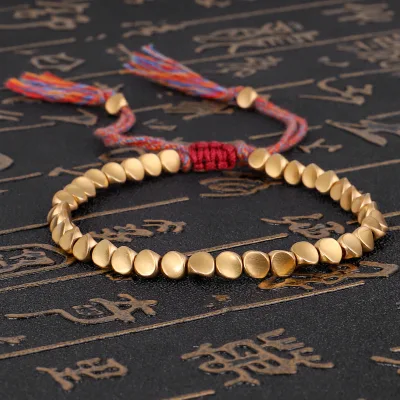


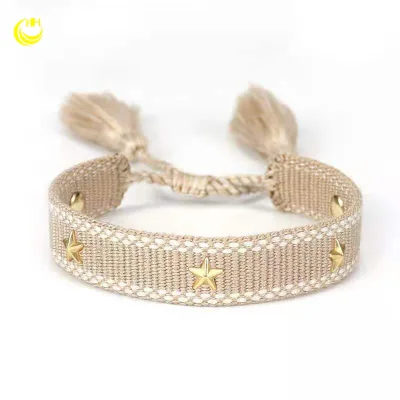


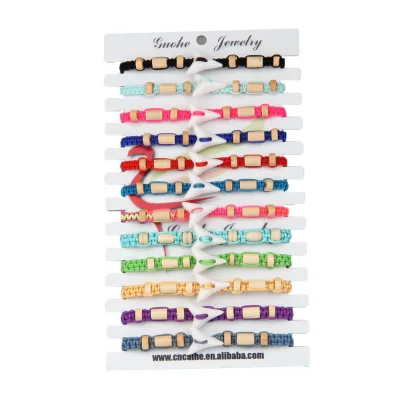
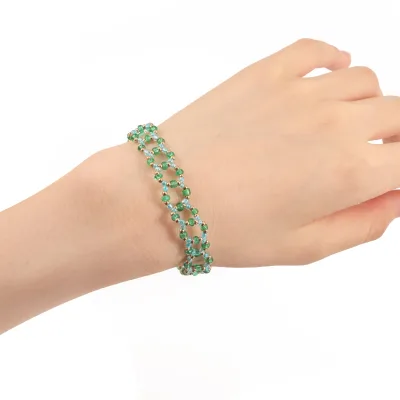




Comprehensive Sourcing Guide
Handmade Woven Bracelet Sourcing Guide
Buyers evaluating handmade woven bracelets must first distinguish between fashion jewelry constructed from alloy and gold plating versus pieces utilizing genuine precious metals. The observed market data indicates a significant variance in material composition, with some listings specifying gold as the main material while others rely on alloy bases with gold plating. This distinction fundamentally alters the product's durability, weight, and long-term value proposition for the end consumer.
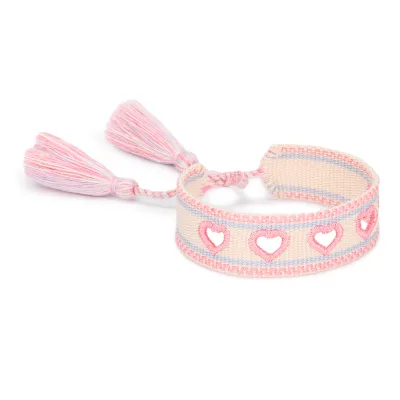
Procurement teams should also scrutinize the specific weaving technique and structural design, as the "Bohemian Woven Leather" style presents different mechanical requirements compared to metal cuff bangles. While some products feature adjustable lengths to accommodate various wrist sizes, others are fixed at specific measurements like 17cm or 60cm. Verifying the exact construction method ensures the selected item meets the intended aesthetic and functional expectations for the target demographic.
Product Scope and Observed Listing Signals
The current market landscape for woven bracelets reveals a diverse range of styles, from ethnic and star fashion designs to natural and bohemian aesthetics. Buyers will encounter products labeled as "Gem stone bracelets" or "Cuff bangle bracelets," often featuring round pendants or multicolour finishes. These variations suggest that the category encompasses both delicate, decorative accessories suitable for anniversaries and engagement occasions, as well as bolder statement pieces designed for general fashion use.
Listing signals also highlight significant differences in packaging and presentation, which directly impact the perceived value of the item. Some suppliers offer simple OPP bag packaging, while others provide plastic boxes or trays, and some even accommodate specific customer requirements for custom packaging. This variability requires buyers to clearly define their branding needs early in the sourcing process to ensure the final product presentation aligns with their retail strategy and unboxing experience.
Technical Specifications to Verify
When assessing technical specifications, the weight of the precious metals and the overall gross weight are critical indicators of material density and quality. Observed data points to weights ranging from 0.02 kg to 0.035 kg, with specific mentions of 5g for precious metal content in certain models. Buyers must verify these figures against the physical sample to ensure the product does not feel excessively light or flimsy, which could indicate poor plating thickness or insufficient metal content.
Dimensional consistency is another vital parameter, particularly regarding length and single package size. While some bracelets are adjustable, others have fixed dimensions such as 17cm or 60cm, and the single package size is often listed as 2x2x2 cm. Procurement teams should confirm that the listed dimensions match the physical product to avoid issues with sizing for the end user, ensuring the bracelet fits the intended female or girl demographic without requiring excessive modification.
Compliance and Safety Documentation
Safety compliance for jewelry intended for female and girl demographics requires rigorous verification of material safety and plating standards. Although some background information mentions certifications like CE or RoHS, buyers must treat these as potential attributes rather than guaranteed facts for every listed product. It is essential to request specific test reports confirming that the alloy and plating materials do not contain harmful levels of nickel or lead, which are common concerns in fashion jewelry.
Third-party appraisal certificates serve as a primary method for validating the quality and authenticity of the materials used in the bracelet. The observed data explicitly lists "Third Party Appraisal" as a certificate type, indicating that independent verification is available for certain suppliers. Buyers should insist on these documents to confirm the purity of precious metals and the safety of the inlay technology, ensuring the product meets international safety expectations before mass production begins.
Cost Drivers and Commercial Terms
The cost structure for handmade woven bracelets is heavily influenced by the choice of base material and the complexity of the plating process. Products utilizing gold as the main material will naturally command a higher price point compared to those made from alloy with gold plating, even if the visual appearance is similar. Buyers must analyze the price range of 0.14 to 5 USD to understand the correlation between material cost and the final retail price, ensuring their margin targets remain viable.
Commercial terms such as Minimum Order Quantity (MOQ) and delivery lead times are significant factors in the total cost of ownership. The observed MOQ ranges from 6 to 1000 pieces, with specific listings showing 12 pieces as a baseline, while delivery times are estimated at about 5 to 10 days. Procurement teams should negotiate these terms based on their inventory strategy, balancing the need for low initial investment against the risk of stockouts and the urgency of market demand.
Supplier Qualification and Quality Control
Supplier qualification should prioritize those who explicitly accept OEM and ODM services, as this indicates a capacity for customization and flexibility in production. The observed data confirms that customization is available for many products, allowing buyers to tailor styles, colors, and packaging to their specific brand identity. Verifying a supplier's willingness to accommodate these requests is a key step in establishing a long-term partnership that can adapt to changing market trends.
Quality control protocols must be established to ensure consistency across the production run, particularly regarding the durability and finish of the jewelry. Features such as "Durable" are listed as attributes, but buyers should implement their own inspection criteria to verify that the plating does not tarnish and the woven structure remains intact. Regular quality checks during the production phase help mitigate the risk of receiving substandard goods that could damage the buyer's reputation in the marketplace.
Long-Term Procurement Checks
Sustaining a successful supply chain for woven bracelets requires ongoing monitoring of supplier performance and product consistency over time. Buyers should regularly review the supplier's ability to maintain the specified lead times and adhere to the agreed-upon quality standards, especially when scaling up order volumes. Continuous communication regarding any changes in material sourcing or production processes ensures that the final product remains aligned with the original specifications and customer expectations.
Market trends and consumer preferences for styles like "Star Fashion" or "Ethnic" designs may shift, necessitating a proactive approach to product development. Buyers should maintain a flexible relationship with suppliers who can quickly adapt to new design requests or material innovations. By staying attuned to these changes and maintaining a robust network of qualified suppliers, procurement teams can ensure a steady flow of competitive and relevant products for their retail channels.
FAQs
What materials are used for the Handmade Woven Bracelet?
The product uses alloy as the main material with gold plating and features a woven leather design. Some variations include gem stones and precious metal components weighing around 5 grams. The style is described as ethnic or star fashion suitable for decoration and gifting purposes.
Can I customize the bracelet design and packaging?
Yes, customization is available for this product line including OEM and ODM services. Buyers can request specific packaging options such as plastic boxes, trays, or customer requirements. The single package size is typically 2x2x2 cm with an OPP bag option for standard orders.
What is the minimum order quantity for this bracelet?
The minimum order quantity is 12 pieces for this specific model. However, observed ranges across similar listings vary from 6 to 1000 pieces depending on the supplier. Buyers should verify the exact MOQ with the specific vendor before placing an order for bulk purchases.
How long does delivery take for these bracelets?
Delivery time is approximately 5 to 10 days to reach the buyer. Shipping methods include USPS, FedEx, UPS, DHL, and TNT for international logistics. This lead time applies to standard orders and may vary based on the specific shipping method selected by the buyer.
Which certifications are provided for the jewelry products?
The product comes with a Third Party Appraisal certificate to verify quality. While CE and RoHS are mentioned in background data, the confirmed certification type listed is Third Party Appraisal. Buyers should request specific test results or appraisal documents directly from the supplier for compliance verification.
What is the price range for the Handmade Woven Bracelet?
The observed price range for these items is between 0.14 and 5 USD per unit. Pricing depends on factors like material composition, plating, and order volume. Buyers should note that actual costs may vary based on the specific model number and customization requirements selected.
Where are these bracelets manufactured and shipped from?
The place of origin is Zhejiang, China, with general production locations also listed as China. Products are shipped via major carriers like DHL and FedEx from these origins. Buyers can expect the goods to originate from Chinese manufacturing facilities before international distribution.