Source Handmade Wooden Floor Mirror with Variable Light for Home, Hotel, and Office
Find 30 listings for Handmade Wooden Floor Mirror with Variable Light options suitable for residential, hospitality, and commercial interiors. Compare frame styles, glass thickness, and LED features to identify suppliers offering customized sizes and eco-friendly materials for your specific sourcing needs.
Key considerations
Products List
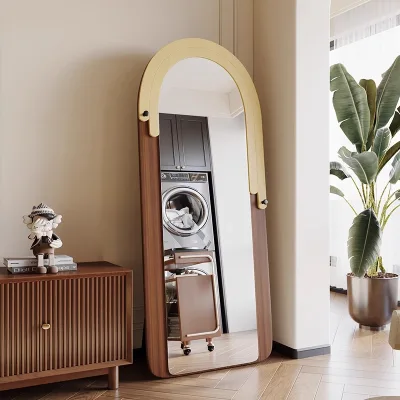
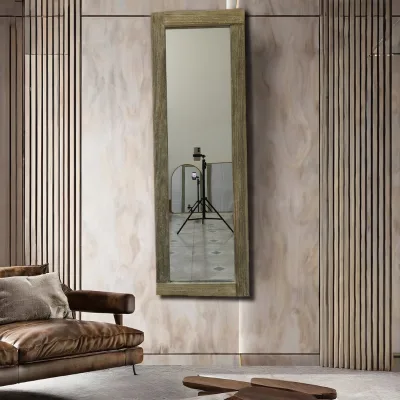

Retro Style Wooden Wall Mirror, Handmade Home Decor Wooden Framed Bathroom Mirror.
$65.31 - $68.91
MOQ: 50 Pieces


Full Length Mirror Floor Mirrors Hallway Mirror Modern Standing Silver Mirror
$85.00 - $95.00
MOQ: 50 Pieces


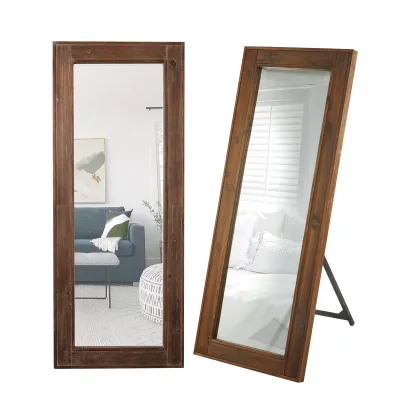
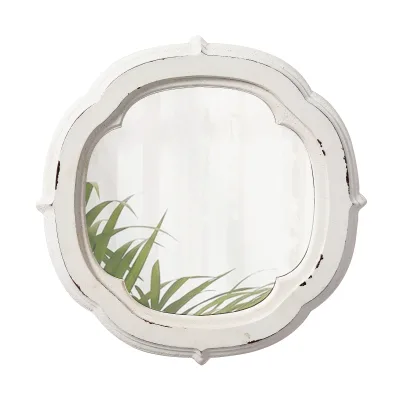


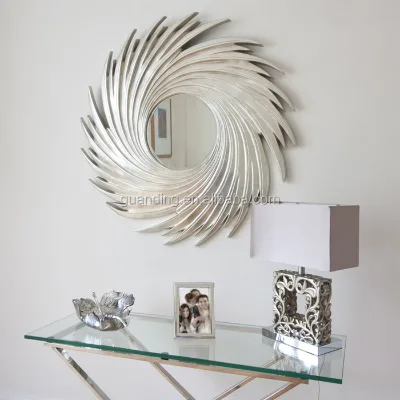


Floor Mirrors Furniture and Floor Mirrors Standing Floor Length Mirror
$10.00 - $30.00
MOQ: 100 Pieces

Floor Length Mirror Hot Sale Floor Mirror Full Body Dressing Mirror for Bedroom
$10.00 - $30.00
MOQ: 100 Pieces

Wholesale Bedroom Full Length Mirror Floor Mirror Standing Mirror Floor Length Mirror
$10.00 - $30.00
MOQ: 100 Pieces


$8.80 - $20.00
MOQ: 500 Square Meters
Comprehensive Sourcing Guide
Handmade Wooden Floor Mirror with Variable Light Sourcing Guide
Sourcing a Handmade Wooden Floor Mirror with Variable Light requires a careful balance between aesthetic craftsmanship and technical reliability. Buyers must navigate the intersection of traditional woodworking and modern electrical components, ensuring that the final product meets both decorative standards and safety regulations. This guide provides a structured approach to evaluating suppliers, verifying technical specifications, and managing commercial risks associated with this specialized home decor category.
The procurement process begins with a clear definition of requirements, distinguishing between purely decorative mirrors and those with integrated lighting features. While many suppliers offer wooden-framed mirrors, the addition of variable lighting introduces complexity regarding power sources, switch mechanisms, and durability. Buyers should prioritize suppliers who demonstrate expertise in both materials and electronics, as this dual competency is critical for ensuring a cohesive and safe final product.
Product Scope and Observed Listing Signals
The market for wooden floor mirrors includes a wide range of styles, from contemporary minimalist designs to rustic and antique finishes. Observed listings indicate that frames are typically constructed from wood, often combined with glass mirrors, and available in colors such as black, bronze, or brown. The design styles vary significantly, encompassing modern, contemporary, art deco, and bohemian aesthetics, allowing buyers to select pieces that align with specific interior design themes.
Lighting features are a key differentiator in this category, with some products offering illuminated surfaces, LED lights, and touch or sensor switches. These features enhance the mirror’s functionality for personal beauty care and dressing, making them suitable for bedrooms, hallways, and vanity areas. Buyers should verify whether the lighting is integrated into the frame or the mirror surface, and confirm the availability of variable light settings, such as dimming or color temperature adjustments, to meet specific user preferences.
Technical Specifications to Verify
Technical verification is essential to ensure that the mirror meets dimensional and structural requirements. Standard sizes for floor mirrors often range from 160x60 cm to 180x80 cm, with thicknesses around 4 mm for the glass component. Buyers should confirm the exact dimensions and weight, as larger mirrors may require additional structural support or specialized shipping arrangements. Customization options for size and frame material are frequently available, allowing for tailored solutions to fit specific spaces.
The integration of variable lighting requires careful attention to electrical specifications. Buyers must verify the power supply type, whether it is plug-in, battery-operated, or hardwired, and ensure compatibility with local voltage standards. Features such as anti-fog technology, waterproof ratings, and LED lifespan should be explicitly confirmed. Additionally, the type of switch mechanism, including touch, sensor, or manual controls, should be tested for responsiveness and durability to prevent premature failure.
Compliance and Safety Documentation
Compliance with safety standards is non-negotiable for products with electrical components. Buyers must request documentation for relevant certifications, such as CE, RoHS, FCC, and UL, depending on the target market. These certifications ensure that the electrical components meet regional safety and environmental regulations, reducing the risk of liability and product recalls. Suppliers should provide test reports from accredited laboratories to validate compliance.
In addition to electrical safety, buyers should verify material certifications, particularly for the wooden frame. Certifications such as FSC (Forest Stewardship Council) indicate sustainable sourcing practices, which are increasingly important to environmentally conscious consumers. Buyers should also inquire about the manufacturing process to ensure that finishes and adhesives used in the frame are non-toxic and meet indoor air quality standards, especially for products intended for residential use.
Cost Drivers and Commercial Terms
Costs for handmade wooden floor mirrors with variable light are influenced by several factors, including material quality, craftsmanship complexity, and lighting technology. Handmade elements typically command a premium due to the labor-intensive nature of the production process. Buyers should expect higher prices for intricate designs, custom sizes, and high-quality wood species. The inclusion of advanced lighting features, such as dimmable LEDs or smart controls, also contributes to the overall cost.
Commercial terms, including MOQ (Minimum Order Quantity) and lead times, vary significantly among suppliers. Observed MOQs can range from small batches of 50 pieces to larger orders of 2000 pieces, depending on the supplier’s capacity and customization requirements. Lead times for production and delivery should be clearly defined, with typical ranges extending up to 30 days or more for customized orders. Buyers should negotiate clear payment terms and warranty policies to mitigate financial risks.
Supplier Qualification and Quality Control
Supplier qualification involves assessing the manufacturer’s production capabilities, quality control processes, and track record. Buyers should request samples to evaluate the finish quality, structural integrity, and lighting functionality. It is crucial to verify that the supplier has experience in producing both wooden frames and integrated lighting systems, as this dual expertise is rare and critical for product success.
Quality control measures should be established before production begins. Buyers should define acceptance criteria for visual defects, dimensional accuracy, and electrical performance. Regular inspections during production and pre-shipment checks can help identify and rectify issues early. Suppliers should provide detailed inspection reports and allow for third-party audits to ensure consistency and reliability in the supply chain.
Long-Term Procurement Checks
Long-term procurement success depends on establishing a robust relationship with suppliers and implementing continuous improvement strategies. Buyers should monitor supplier performance metrics, such as on-time delivery rates, defect rates, and responsiveness to issues. Regular communication and feedback loops can help address potential problems before they escalate, ensuring a stable supply of high-quality products.
As market trends evolve, buyers should stay informed about emerging technologies and design preferences in the home decor sector. This includes advancements in LED efficiency, smart home integration, and sustainable materials. By maintaining a forward-looking approach and adapting to changes, buyers can ensure that their product offerings remain competitive and relevant in the long term.
FAQs
What materials are used for the frame and mirror?
The product uses a wooden frame combined with glass material. Specific listings indicate wood framed construction with 4 mm mirror thickness, ensuring durability for home use applications.
Can I customize the size and color of the mirror?
Yes, customized sizes and colors are accepted for this product. Available dimensions include 160*60cm, 170*70cm, and 180*80cm, with options for black, bronze, or custom colors.
What is the minimum order quantity for this mirror?
The minimum order quantity varies by supplier but can be as low as 1 piece. Some listings specify an MOQ of 50 pieces, while others allow single item purchases for testing.
How long does it take to deliver the order?
Delivery time is typically around 30 days from order confirmation. This lead time applies to standard production runs and may vary based on specific customization requirements or order volume.
Are there any certifications for this decorative mirror?
The product can come with various certifications including CE, ROHS, and UL. Additional management certifications like ISO and BSCI are also available depending on the specific manufacturer and factory standards.
Where is this mirror manufactured?
These mirrors are manufactured in China, specifically in Hebei and Shandong provinces. The place of origin is clearly stated as Hebei, China or Shandong, China (Mainland) for different product listings.