Source High Elasticity Round Hair Tie for Women, Girls, and Daily Use
Compare 30 listings for High Elasticity Round Hair Tie from suppliers in Zhejiang and Yiwu. Options include gradient, solid, and cartoon designs with customizable packaging and OEM services for bulk orders.
Key considerations
Products List
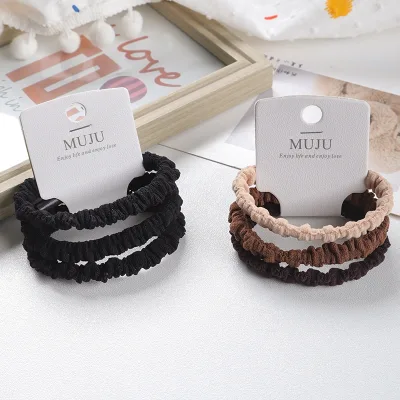
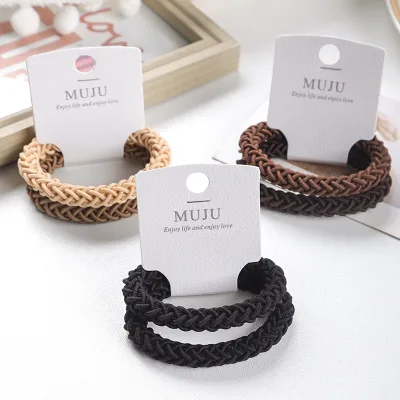
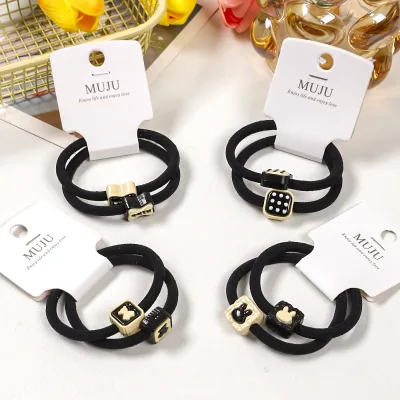
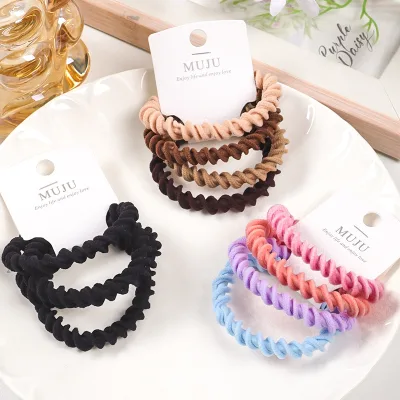


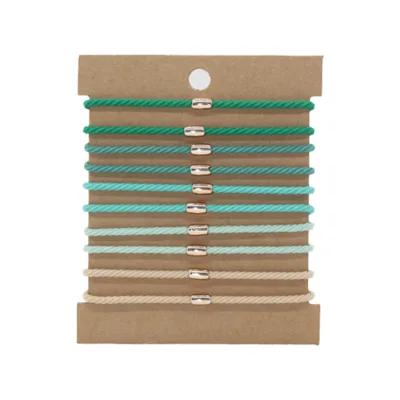
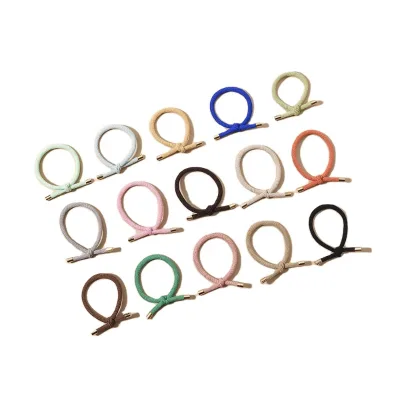


Sports Hair Rope No Damage Braided Long Ponytail Holders Elastic Hair Ties
$0.90 - $1.29
MOQ: 50 pieces



Comprehensive Sourcing Guide
High Elasticity Round Hair Tie Sourcing Guide
Sourcing high elasticity round hair ties requires a nuanced understanding of material science, supply chain logistics, and consumer safety standards. These accessories are ubiquitous in the personal care and fashion industries, serving both functional and aesthetic purposes for a global demographic. Buyers must navigate a market characterized by low unit costs but high volume requirements, where quality consistency and supplier reliability are paramount. This guide provides a structured approach to evaluating suppliers, verifying technical specifications, and mitigating risks associated with bulk procurement of elastic hair accessories.
The procurement process begins with defining precise product requirements, including material composition, elasticity thresholds, and packaging specifications. Given the competitive nature of this category, buyers often encounter a wide range of price points and minimum order quantities (MOQs). Understanding the interplay between material quality, such as spandex versus fabric blends, and commercial terms is essential for establishing a sustainable supply chain. This guide outlines the critical verification steps and strategic considerations necessary to secure a reliable supply of high-quality elastic hair ties.
Product Scope and Observed Listing Signals
The market for high elasticity round hair ties encompasses a diverse array of products, ranging from simple solid-color bands to complex gradient or cartoon-themed designs. Observed listing signals indicate that products are frequently categorized under women’s fashion accessories, with specific applications targeting daily use, special occasions like Independence Day, and general styling needs. The product scope extends beyond basic utility, including items marketed as "twist braid hair ties" or "high elastic thread hair ties," which suggest variations in texture and construction. Buyers should recognize that these variations impact both the end-user experience and the manufacturing complexity required by suppliers.
Material composition is a primary differentiator in this category, with spandex and fabric being the most commonly observed materials. Spandex-based ties typically offer superior elasticity and durability, making them suitable for high-stress applications such as securing thick or heavy hair. In contrast, fabric-covered ties may prioritize comfort and aesthetic appeal, though they may exhibit different stretch characteristics. The observed data also highlights specific model numbers, such as B067, B027, and B040, which serve as unique identifiers for suppliers. Buyers must verify that the specific model number aligns with their desired material and design specifications, as these codes often correspond to distinct production batches or design iterations.
Technical Specifications to Verify
Verifying technical specifications is critical to ensuring that the procured hair ties meet functional requirements. Key attributes to confirm include the outer diameter, which typically ranges from 3-8cm, and the specific size dimensions, such as 5.5cm or 6cm, depending on the design. Elasticity is a defining characteristic, and buyers should request detailed information on the stretch ratio and recovery rate to prevent premature degradation. Additionally, the packaging size per batch, observed at approximately 23x13x4 cm or 24x14x4 cm, impacts logistics and storage efficiency. Buyers must ensure that the supplier’s packaging standards align with their warehouse capabilities and shipping constraints.
Color consistency and design accuracy are also vital technical considerations. Products may be described as "Picture Shows," "Solid Color," "Gradient Color," or featuring "Cartoon" elements, requiring strict quality control to match sample approvals. The observed data indicates that some products are sold in mixed color sets, such as "3# Mixed colours," which necessitates clear definitions of color distribution ratios. Furthermore, the gross weight per batch, ranging from 0.215 kg to 0.250 kg, provides a benchmark for verifying product density and material usage. Buyers should establish clear acceptance criteria for these physical attributes to avoid discrepancies between ordered and delivered goods.
Compliance and Safety Documentation
Compliance and safety documentation are non-negotiable for hair accessories, particularly those intended for use by women and girls. Buyers must ensure that suppliers provide relevant safety data sheets and compliance certificates, although specific certification statuses are not universally disclosed in standard listings. It is essential to verify that materials used, such as spandex and fabric, are free from harmful substances like azo dyes, formaldehyde, and heavy metals. Given the close contact with skin and hair, chemical safety is a primary concern, and buyers should request test reports from accredited laboratories to confirm adherence to international safety standards.
Intellectual property and branding compliance are also critical aspects of the procurement process. Some suppliers offer OEM/ODM services, allowing for customized branding and design elements. Buyers must ensure that any custom designs do not infringe on existing trademarks or copyrights. Additionally, the "High" quality attribute observed in some listings should be substantiated by tangible quality control measures, such as tensile strength testing and colorfastness assessments. Buyers should establish clear contractual obligations regarding compliance, requiring suppliers to indemnify against any safety or intellectual property violations.
Cost Drivers and Commercial Terms
Cost drivers in the high elasticity hair tie market include material costs, labor, and packaging complexity. Spandex, being a synthetic fiber, fluctuates in price based on global oil markets, directly impacting the final cost of the product. Labor costs in manufacturing hubs like Zhejiang, China, also play a significant role, with variations depending on the complexity of the design, such as gradient coloring or cartoon printing. Packaging customization, such as OPP bags or carded packaging, adds to the overall cost but can enhance product presentation and retail readiness. Buyers should analyze these cost components to negotiate favorable pricing structures.
Commercial terms, including MOQ and payment terms, vary significantly among suppliers. Observed MOQs range from 1 to 2400 sets, with some suppliers requiring multiples of 20 items or 1200 sets per design. These MOQs reflect the supplier’s production efficiency and inventory management strategies. Buyers with smaller volume requirements may need to accept higher unit prices or consolidate orders with other buyers. Payment terms, such as deposits and balance payments, should be negotiated to mitigate financial risk. Understanding these commercial dynamics is essential for optimizing procurement costs and maintaining healthy supplier relationships.
Supplier Qualification and Quality Control
Supplier qualification involves assessing the manufacturer’s production capabilities, quality control systems, and export experience. Suppliers located in Yiwu, Zhejiang, are known for their extensive experience in small commodity exports, offering a wide range of products and competitive pricing. Buyers should verify the supplier’s business license, factory audit reports, and export history to ensure reliability. The ability to accept OEM/ODM requests indicates a level of flexibility and customization capability, which is valuable for buyers seeking unique product offerings. However, buyers must also assess the supplier’s capacity to maintain consistent quality across large production runs.
Quality control measures should be implemented at multiple stages of the production process, from raw material inspection to final packaging. Buyers should establish clear quality standards, including acceptable defect rates, color tolerance, and elasticity performance. Regular factory audits and third-party inspections can help identify potential issues early in the production cycle. Additionally, buyers should request pre-shipment samples to verify that the final product matches the approved specifications. Implementing a robust quality control framework is essential for minimizing returns and maintaining customer satisfaction.
Long-Term Procurement Checks
Long-term procurement success depends on continuous monitoring of supplier performance and market trends. Buyers should regularly review supplier metrics, including on-time delivery rates, product quality consistency, and responsiveness to issues. Building a strong relationship with suppliers can lead to better pricing, priority production scheduling, and access to new product innovations. Additionally, staying informed about changes in material costs, regulatory requirements, and consumer preferences is crucial for adapting procurement strategies. Buyers should conduct periodic reviews of their supplier base to ensure alignment with their business objectives.
Sustainability and ethical sourcing are increasingly important considerations in the hair accessory industry. Buyers should inquire about suppliers’ environmental practices, such as waste management and energy efficiency, as well as their labor standards. Demonstrating a commitment to ethical sourcing can enhance brand reputation and meet the expectations of socially conscious consumers. By integrating sustainability into their procurement strategy, buyers can mitigate risks associated with regulatory changes and reputational damage. Long-term procurement checks should include assessments of suppliers’ sustainability initiatives and their alignment with the buyer’s corporate social responsibility goals.
FAQs
What materials are used for high elasticity round hair ties?
High elasticity round hair ties are primarily made from Spandex or Fabric to ensure stretch and durability. Some products feature gradient or solid colors, while others include cartoon elements for fashion appeal. The material choice supports the tie-up function for women and girls.
Which sizes are available for these hair ties?
Available sizes range from 3-8cm in outer diameter, with specific models measuring 5.5cm or 6cm. The product dimensions vary by model number, such as B067 or B027, to suit different hair types and styling needs for daily use or special occasions like Independence Day.
Can I customize the packaging for bulk orders?
Yes, customization is available for packaging, including options like OPP bags or 6 pieces per card with a polybag. Buyers can request specific batch sizes, with package dimensions around 23x13x4 cm or 24x14x4 cm depending on the design and quantity ordered.
What is the minimum order quantity for these hair ties?
The minimum order quantity varies by design, with some listings requiring 20 sets while others demand 1200 sets per design. The selling units are often multiples of 20 items, and the specific MOQ depends on the selected model and customization requirements.
Where are these hair ties manufactured?
These products originate from manufacturing locations in Zhejiang, China, including Yiwu. The goods are exported globally, ensuring availability for international buyers seeking fashion hair accessories with high elasticity and various color options like black or mixed colors.
How do I find suppliers accepting OEM or ODM services?
Suppliers for these hair ties accept OEM and ODM services to meet specific brand or design needs. Buyers can request custom designs and packaging, with the production process accommodating various model numbers and material preferences for women and girls.