Source High Elasticity Natural Rubber Bands for Binding
Find 30 listings for High Elasticity Natural Rubber Bands suitable for binding, packaging, and promotional gifts. Compare options featuring eco-friendly materials, custom sizes, and reflective or mosquito-repellent properties from verified suppliers; compare the available evidence and request quotations based on your requirements.
Key considerations
Products List


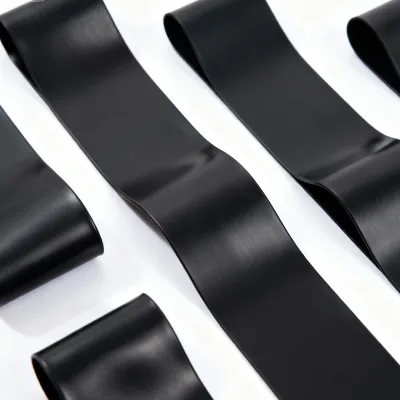
Wide Natural Rubber Elastic Band Rubber Bands Natural Elastic Latex Natural Rubber Bands
$2.55 - $2.56
MOQ: 500 kilograms


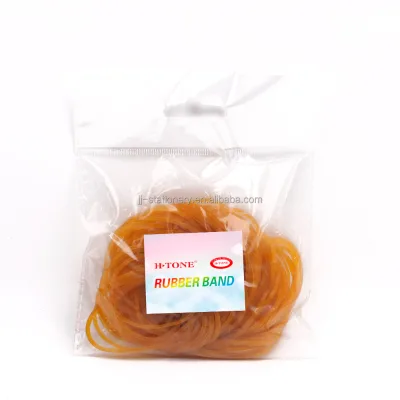


Rubber Band Nylon Elastic Band Thin Elastic Band Self-Adhesive Elastic Band
$0.10 - $3.80
MOQ: 1000 Meters


Comprehensive Sourcing Guide
High Elasticity Natural Rubber Bands Sourcing Guide
Procuring High Elasticity Natural Rubber Bands requires distinguishing between general-purpose household items and specialized industrial components. The market offers products ranging from simple, eco-friendly bands for binding and packaging to advanced elastic tapes designed for swimwear and sportswear applications. Buyers must carefully evaluate whether the specific product features, such as glow-in-the-dark capabilities or RFID integration, align with their intended use case, as these attributes vary significantly across different supplier listings.
Understanding the material composition is critical for ensuring performance longevity. While some listings specify natural rubber for high tenacity and abrasion resistance, others utilize synthetic blends like NBR or TPR to achieve similar elasticity. Sourcing teams should verify the exact material grade to ensure the bands meet the required stress limits for their specific application, whether it involves heavy-duty binding, garment construction, or promotional gift distribution.
Product Scope and Observed Listing Signals
The observed product scope spans from basic household rubber bands to specialized elastic tapes with widths ranging from 4mm to 25mm. Listings indicate a diverse array of colors, including transparent, white, black, and various custom shades, alongside features like high elasticity and durability. Buyers should note that some products are marketed as eco-friendly or mosquito repellent, while others focus on reflective properties or RFID functionality, necessitating a clear definition of the primary functional requirement before selection.
Commercial signals reveal a wide variance in minimum order quantities and packaging formats, with MOQs observed from 5kg to 7200 sets. Packaging options range from individual OPP bags to bulk cartons, and single package sizes vary from 10x10x10 cm to 15x14x3 cm. Procurement teams must align their order volume with these thresholds, as the cost per unit and logistics handling will differ substantially between small-batch custom orders and large-scale industrial procurement.
Technical Specifications to Verify
Technical verification must begin with precise dimensional analysis, as diameters for standard bands are listed in specific increments such as 25mm, 32mm, 38mm, 50mm, and 60mm. For elastic tapes, the thickness is a critical variable, typically ranging from 0.4mm to 2.5mm, with widths customizable to fit specific garment or textile needs. Buyers should request detailed dimension sheets to confirm that the physical specifications match the mechanical requirements of their assembly lines or product designs.
Material properties and customization capabilities are equally vital for ensuring product fit. While some suppliers offer standard models, others provide fully customized options based on specific client requirements, including logo printing and unique color matching. It is essential to confirm that the high elasticity and high tenacity claims are backed by the specific material composition, such as natural rubber or synthetic blends, to prevent premature failure under tension or environmental stress.
Compliance and Safety Documentation
Safety and compliance documentation should be scrutinized to ensure the rubber bands meet international safety standards for their intended application. Certain listings explicitly mention Oeko-Tex Standard 100 certification, which is particularly relevant for products used in textiles, swimwear, and undergarments where skin contact is frequent. Buyers must verify that the certification is current and applies to the specific batch of materials being supplied to mitigate risks associated with harmful substances.
Beyond material safety, buyers should assess the environmental claims and sustainability certifications provided by the supplier. Some products are marketed as eco-friendly, but these claims require substantiation through verified testing or recognized environmental standards. Procurement teams should request test reports or certification documents to validate these assertions, ensuring that the sourcing strategy aligns with corporate sustainability goals and regulatory requirements for eco-conscious markets.
Cost Drivers and Commercial Terms
Cost drivers in this category are heavily influenced by material selection, customization complexity, and order volume. Natural rubber bands with high tenacity and specific certifications often command a higher price point compared to standard synthetic alternatives. Additionally, the inclusion of specialized features like glow-in-the-dark properties or RFID integration can significantly impact the unit cost, requiring a detailed cost-benefit analysis to determine the most economical solution for the specific application.
Commercial terms vary widely, with observed minimum order quantities ranging from 5kg to 10,000 units depending on the supplier and product type. Payment terms, lead times, and shipping costs are also critical factors that affect the total landed cost. Buyers should negotiate clear terms regarding sample availability, as many suppliers support sample requests, and establish a robust framework for handling price fluctuations based on raw material market volatility.
Supplier Qualification and Quality Control
Supplier qualification should focus on verifying the origin and manufacturing capabilities of the provider. Listings indicate origins in regions such as Hebei and Fujian, China, where suppliers offer various models and customization options. Buyers must assess the supplier's ability to maintain consistent quality across batches, particularly when dealing with customized specifications or unique material blends that require precise production control.
Quality control protocols must be established to ensure that the high elasticity and durability claims are consistently met. This includes verifying that the products undergo appropriate testing for abrasion resistance and tensile strength. Buyers should implement a rigorous inspection process, potentially utilizing third-party quality assurance services, to confirm that the delivered goods match the agreed-upon specifications and performance standards before final acceptance.
Long-Term Procurement Checks
Long-term procurement success depends on establishing a reliable supply chain that can adapt to changing market demands and product requirements. Buyers should maintain open communication channels with suppliers to monitor updates in material availability, regulatory changes, and technological advancements in rubber band manufacturing. This proactive approach ensures that the supply chain remains resilient and capable of meeting future volume and specification needs without disruption.
Continuous performance monitoring is essential to validate the long-term reliability of the selected rubber bands. Buyers should track key performance indicators such as defect rates, delivery timeliness, and product consistency over multiple orders. By maintaining a detailed record of supplier performance and product outcomes, organizations can make data-driven decisions regarding supplier retention, contract renewal, or the exploration of alternative sourcing strategies to optimize their procurement operations.
FAQs
What materials are used for High Elasticity Natural Rubber Bands?
High Elasticity Natural Rubber Bands are primarily manufactured from natural rubber and NBR TPR rubber. These materials provide high tenacity and abrasion resistance. Some variants also utilize TPR for enhanced durability. The selection depends on specific application requirements such as household binding or promotional gifts. Each material offers distinct performance characteristics for different industrial uses.
Can I customize the logo and packaging for rubber bands?
Yes, customization is available for both logos and packaging. Buyers can request customized logos printed on the bands. Packaging options include OPP bags, pear bags, or bag plus carton configurations. Standard packing may vary by model, but custom requirements are supported. This flexibility allows for branded promotional gifts or specific industrial packaging needs.
What are the standard sizes and specifications for these bands?
Standard specifications include diameters of 25mm, 32mm, 38mm, 50mm, and 60mm. Sizes can also be customized based on buyer requirements. Single package sizes typically measure around 10x10x10 cm or 15x14x3 cm depending on the model. Customized household rubber bands offer flexible sizing. These dimensions ensure suitability for various binding and packaging applications.
What certifications are available for elastic rubber tape products?
Elastic rubber tape products can be certified under the Oeko-Tex Standard 100. This certification ensures safety for applications in garments, swimwear, and home textiles. The standard verifies the absence of harmful substances. Buyers requiring specific safety compliance for textile-related uses should verify this certification. It supports applications in underwear and sportswear manufacturing.
What is the minimum order quantity for rubber bands?
Minimum order quantities vary by product model and supplier. Some items require an MOQ of 5kg, while others may specify 7200 sets. General listings show an observed MOQ range from 5 to 10000 units. Buyers should check specific model requirements for accurate thresholds. Custom orders may have different MOQs based on production capacity and customization complexity.
Where are these rubber bands manufactured and shipped from?
These rubber bands are manufactured in China, specifically in regions like Hebei and Fujian. The origin is consistently listed as China for various models. Shipping originates from these manufacturing hubs. Buyers should consider logistics from these locations when planning imports. The geographic origin influences lead times and shipping costs for international orders.