Source High Elasticity Pickleball Paddle for clubs, schools, and tournaments
Explore 30 listings for High Elasticity Pickleball Paddle options suitable for clubs, schools, and tournaments. Buyers can compare specifications like carbon fiber construction, net weight, and model numbers from verified Chinese manufacturers.
Key considerations
Products List
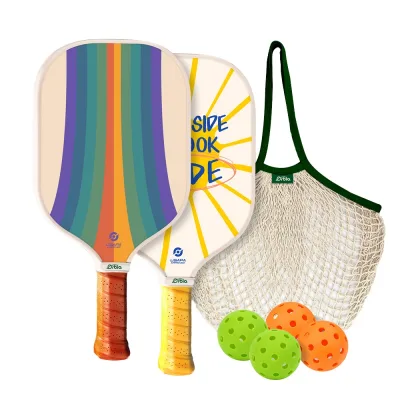
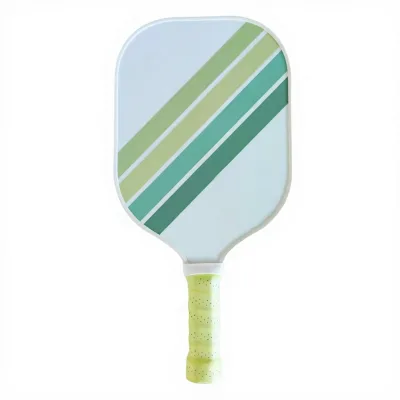
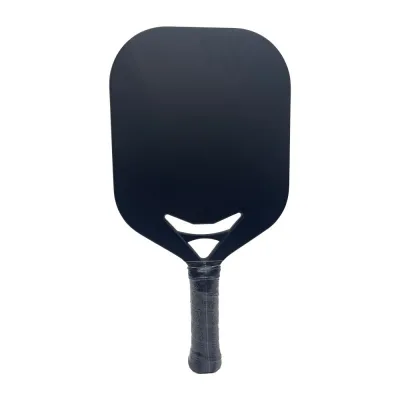


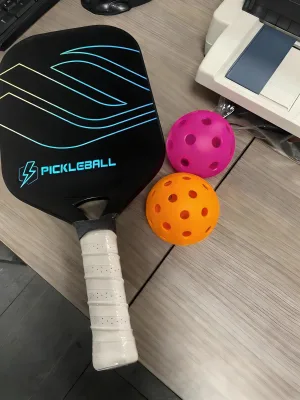
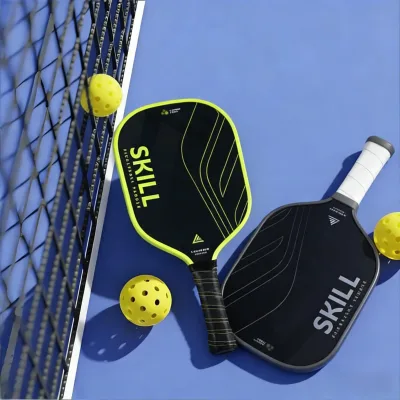
Comprehensive Sourcing Guide
Strategic Sourcing Guide for High Elasticity Pickleball Paddles
The global market for pickleball equipment has expanded rapidly, driven by the sport's accessibility and growing participation across age groups. For procurement professionals and B2B buyers, the specific attribute of "high elasticity" in a pickleball paddle represents a critical performance differentiator. This characteristic directly influences ball control, power generation, and the overall feel of the stroke. However, sourcing high-elasticity paddles requires a disciplined approach to verifying material composition, structural integrity, and supplier capabilities. This guide synthesizes available product data and industry standards to provide a framework for identifying reliable supply chain partners without relying on unverified marketing claims.
Understanding Material Composition and Elasticity
The core of a high-elasticity pickleball paddle lies in its material composition. In the context of the observed product data, the term "Plastic Type" is frequently cited, with specific mentions of "CARBON" and "PP" (Polypropylene). While traditional paddles often utilize polymer cores, the presence of carbon fiber or carbon-infused materials is a primary indicator of enhanced elasticity and stiffness. The data explicitly lists "Material: Carbon fiber" alongside "Plastic Type: CARBON," suggesting that high-performance models in this category rely on carbon-based reinforcement to achieve the desired spring-like response.
Conversely, other listings indicate "Plastic Type: PP," which typically denotes a more standard, cost-effective polymer core. Buyers must distinguish between these material classes. A paddle marketed as "high elasticity" should ideally feature a carbon fiber face or core structure, as pure PP materials generally offer less rebound and a softer feel. The "Grip Material" is another variable; the data notes "Rubber" as a common grip type, which affects the tactile connection but does not directly dictate the paddle's elastic properties. When evaluating samples, procurement teams should request material certificates or detailed specifications confirming the percentage of carbon fiber content versus standard plastic resins.
Technical Specifications and Performance Metrics
Technical specifications provide the quantifiable data necessary to validate a paddle's suitability for competitive or high-level recreational play. The observed product listings reveal a variety of model numbers, such as "TL5007," "WTT-023," "WTT-008," and "HCT300-0104P-#0985." These identifiers are essential for traceability and ensuring consistency across large orders. Beyond the model number, physical dimensions are critical. One specific listing provides a product size of "16.57.40.63in," which aligns with standard pickleball paddle dimensions, though buyers should verify that the "Length (cm)" falls within the acceptable range for their target market, as some listings simply state "other."
Weight is a significant factor in elasticity and player fatigue. The data includes net weights of "210g" and "225g." A higher elasticity paddle often requires a specific weight distribution to balance power and control. Paddles that are too light may lack the necessary mass to generate power through the "snap" of the carbon fiber, while those that are too heavy may hinder quick reflexes. Buyers should establish a target weight range based on their customer demographic, noting that the "Player" attribute in the data includes "Double" and "Group," indicating these paddles are suitable for team play where consistency is key. The "Paddle Shape" is listed as "Standard," which is the most common configuration for maximizing the sweet spot and ensuring predictable elastic behavior.
Compliance, Certification, and Safety Standards
When sourcing sports equipment, compliance with safety and quality standards is non-negotiable. The product data includes a "Name" field describing a product as "Pickleball Paddle Certified Tournament Play." This phrasing suggests that some manufacturers claim adherence to tournament standards, but buyers must exercise caution. The term "Certified" in a product title does not automatically equate to third-party validation by a recognized governing body. Procurement teams should verify if the supplier can provide documentation from organizations such as the USA Pickleball Association (USAPA) or the International Federation of Pickleball (IFP).
The data also mentions "Feature: Durable" and "Application: Outdoor Sports," which implies the need for weather resistance and structural integrity. While the origin is listed as "China" with a specific place of origin in "Henan China," buyers should not assume that all products from this region meet international safety standards without verification. It is crucial to request test reports for impact resistance, edge protection, and surface durability. For paddles intended for "Children," as noted in the "Age Group" attribute, additional safety checks regarding non-toxic materials and the absence of sharp edges are mandatory. The "Small Orders: Accepted" attribute indicates flexibility in supply, but it does not replace the need for rigorous quality assurance protocols.
Cost Drivers and Pricing Dynamics
The pricing landscape for pickleball paddles is influenced by material costs, manufacturing complexity, and order volume. The observed price range in the market data spans from $0.1 to $99 USD. This wide disparity reflects the difference between basic polymer paddles and high-end carbon fiber models. The lower end of the spectrum likely corresponds to the "PP" plastic type and basic packaging, while the upper end aligns with "Carbon fiber" materials and premium branding like "TELOON" or "WETOP."
Minimum Order Quantity (MOQ) is another significant cost driver. The observed MOQ range is 1 to 500 units. Suppliers offering an MOQ of 1 are likely catering to sample procurement or drop-shipping models, which often carry a higher unit cost. Conversely, orders approaching the 500-unit threshold typically unlock economies of scale, reducing the per-unit price. Buyers must balance the desire for high-elasticity materials, which are inherently more expensive, against the budget constraints of their specific market segment. The "Selling Units" attribute indicates that many suppliers sell in "Single item" or "1 set" configurations, which simplifies inventory management but may increase logistics costs per unit.
Supplier Evaluation and Verification
Evaluating suppliers requires a multi-faceted approach that goes beyond the basic product listing. The data reveals several brand names, including "TELOON," "WETOP," "BNC," "GUHONG," and generic listings like "Pickleball Paddle." While brand recognition can be a proxy for quality, it is not a guarantee. Buyers should prioritize suppliers who provide transparent information about their manufacturing processes and quality control measures.
The "Packaging" and "Package" attributes vary, with mentions of "Opp bag," "Polyester" carry bags, and "other" packaging types. Consistent and protective packaging is vital for preventing damage during transit, especially for paddles with delicate carbon fiber faces. A supplier that invests in high-quality packaging demonstrates a commitment to product integrity. Additionally, the "Season: All-season" attribute suggests that the products are designed for year-round use, which requires robust construction. Buyers should request samples from multiple suppliers to compare the "Style" and "Feature" claims, ensuring that the "Modern Fashion" aesthetic does not compromise the functional "Durable" requirements.
Quality Control and Long-Term Procurement
Implementing a robust quality control (QC) strategy is essential for maintaining the integrity of high-elasticity paddles. The "Net weight" variance between 210g and 225g in the data highlights the need for strict weight tolerance checks. A paddle that deviates significantly from its specified weight may indicate inconsistencies in the molding process or material density, which can affect the elastic response. Buyers should establish a QC protocol that includes visual inspections for surface defects, weight verification, and impact testing to ensure the paddle can withstand repeated use without delamination or cracking.
Long-term procurement considerations involve building a relationship with suppliers who can scale production while maintaining quality. The "Small Orders: Accepted" feature suggests that many suppliers are willing to start with smaller batches, which is ideal for testing the market. However, for sustained growth, buyers should aim to consolidate orders with suppliers who have a proven track record of meeting "Tournament Play" standards. The "Place of Origin" being consistently "China" indicates a mature supply chain, but buyers must remain vigilant about potential changes in material sourcing or labor practices that could impact the final product. Regular audits and clear communication regarding specifications, such as the "Model Number" and "Material," will help ensure that the supply chain remains reliable and responsive to market demands.
Comparative Analysis of Product Attributes
To facilitate decision-making, the following table summarizes key attributes observed in the market data, highlighting the distinctions between different product profiles.
| Attribute Category | High-Elasticity Profile (Target) | Standard/Entry Profile |
|---|---|---|
| Material | Carbon fiber, CARBON plastic type | PP (Polypropylene), standard plastic |
| Weight Range | 210g - 225g (Targeted consistency) | Variable, often lighter or heavier |
| Model Identification | Specific codes (e.g., HCT300, TL5007) | Generic or varied codes |
| Target Application | Tournament Play, Outdoor Sports | Entertainment, Training |
| Player Type | Double, Group, Unisex | Children, Single item focus |
| Packaging | Protective (Polyester bag, Opp bag) | Basic (Opp bag, other) |
| Certification Claims | "Certified Tournament Play" | "Durable," "Feature" based |
This comparison underscores the importance of aligning procurement goals with specific material and performance requirements. By focusing on carbon fiber content and verified model numbers, buyers can mitigate the risk of receiving substandard products.
Conclusion
Sourcing high-elasticity pickleball paddles requires a meticulous evaluation of material composition, technical specifications, and supplier reliability. The market data indicates a clear distinction between basic polymer paddles and advanced carbon fiber models, with the latter offering superior performance for competitive play. Buyers must navigate a wide price range and MOQ requirements, ensuring that their selections align with the specific needs of their target demographic, whether that be children's training or adult tournament play. By adhering to strict quality control protocols and verifying claims through documentation, procurement professionals can build a resilient supply chain that delivers consistent, high-quality products. The path to success lies in balancing the desire for advanced features like carbon fiber construction with the practical realities of cost, volume, and compliance.
FAQs
What material defines a High Elasticity Pickleball Paddle?
High elasticity paddles typically use carbon fiber or carbon-infused plastic types rather than standard PP. The observed data lists specific carbon fiber materials alongside CARBON plastic types to ensure enhanced rebound and stiffness for competitive play.
Which model numbers indicate specific high-performance paddles?
Specific model numbers like TL5007, WTT-023, and HCT300-0104P-#0985 help identify distinct product profiles. These identifiers are essential for traceability and ensuring consistency when sourcing multiple units for tournament play or group training.
Can I find paddles suitable for children and doubles play?
Yes, the market offers paddles designed for children and group play with specific age group and player attributes. Some listings explicitly mention children as the target age group while others support double or group player configurations for versatile usage.
How does net weight affect paddle performance and elasticity?
Net weights of 210g and 225g are common and influence the balance between power and control. A specific weight distribution is required to maximize the snap of carbon fiber, ensuring the paddle generates sufficient power without hindering quick reflexes.
What packaging options are available for protecting carbon fiber faces?
Packaging varies from basic OPP bags to protective polyester carry bags. Suppliers offering polyester bags or specific packaging types demonstrate a commitment to preventing damage to delicate carbon fiber faces during transit and storage.
Which brands are associated with certified tournament play paddles?
Brands like TELOON and WETOP are listed alongside products claiming certified tournament play status. While some names appear generic, these brands are associated with specific model numbers and features like durability for outdoor sports applications.
What is the typical MOQ range for sourcing these paddles?
The observed minimum order quantity ranges from 1 to 500 units depending on the supplier. Lower MOQs often cater to samples or drop-shipping, while larger orders near 500 units typically unlock better economies of scale for bulk procurement.