Source High Flexible Thin Bodystocking for Nightwear, Lingerie, and Dance
Explore 30 listings for High Flexible Thin Bodystocking designed for nightwear, lingerie, and dance performances. Buyers can compare features like material, thickness, and pattern types across verified suppliers in Zhejiang, China; compare the available evidence and request quotations based on your requirements.
Key considerations
Products List
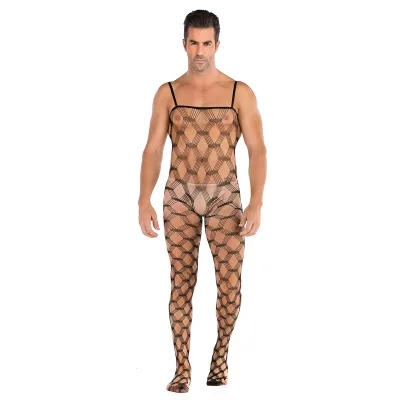
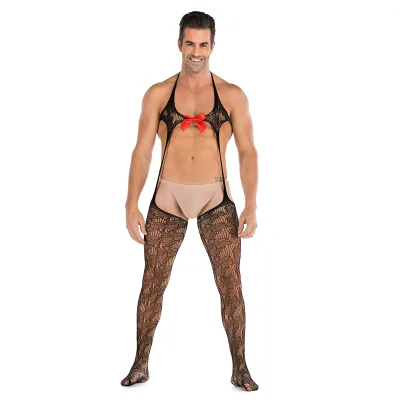
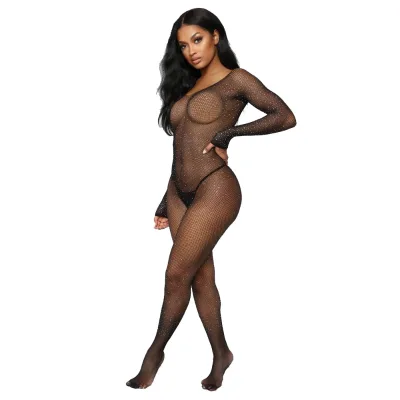



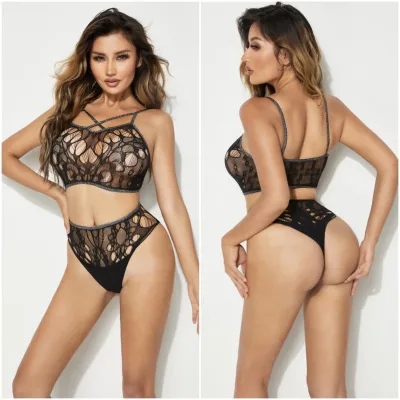
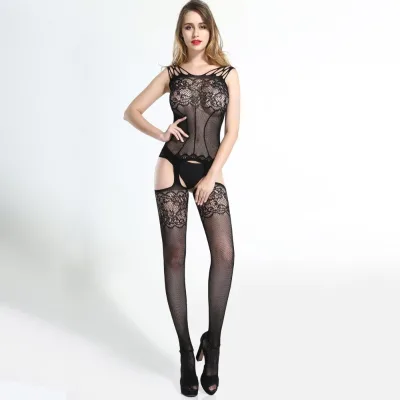
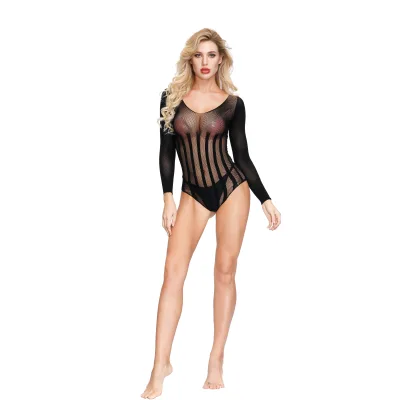
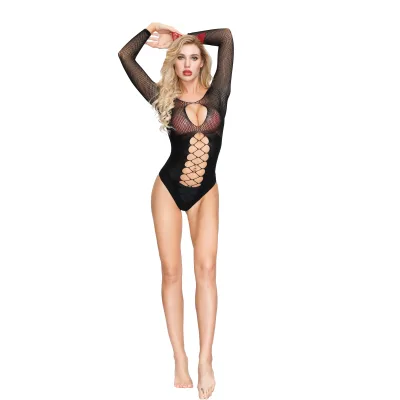
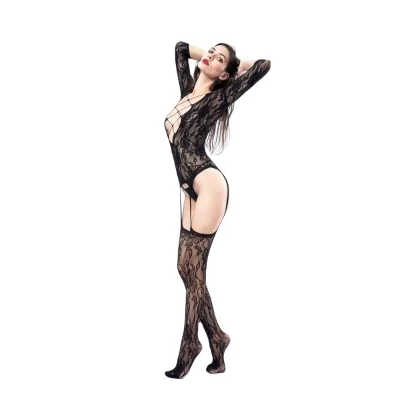
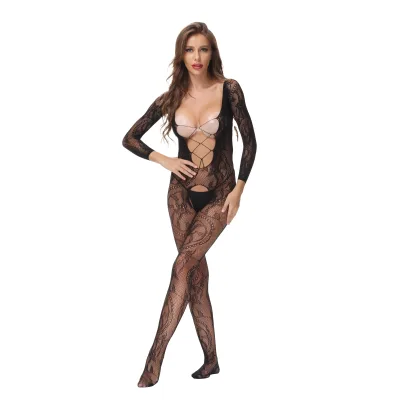
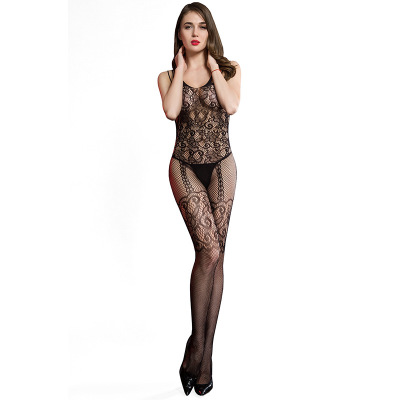


Comprehensive Sourcing Guide
High Flexible Thin Bodystocking Sourcing Guide
Procuring high flexible thin bodystockings requires a nuanced understanding of material composition and structural integrity, particularly when balancing aesthetic transparency with durability. Buyers must recognize that "high flexibility" often correlates with specific elastane or spandex blends, which provide the necessary stretch for a comfortable fit across various body types. The observed market signals indicate a strong presence of fishnet and lace patterns, suggesting that the primary demand lies in lingerie and sleepwear categories where breathability and visual appeal are paramount. Understanding these material dynamics is the first step in defining precise technical requirements that align with your brand’s quality standards and customer expectations.
The current listing landscape reveals a diverse range of product types, from seamless designs to seamed constructions, each offering distinct advantages in terms of comfort and production complexity. Observations show that products are frequently marketed with attributes such as "sexy," "transparent," and "breathable," which serve as key selling points for end consumers. However, these marketing terms must be translated into verifiable technical specifications during the sourcing process. Buyers should focus on the underlying fabric weight, weave density, and elasticity recovery rates to ensure that the final product meets the functional demands of high-flexibility applications without compromising on structural longevity or user comfort.
Product Scope and Observed Listing Signals
The observed product scope encompasses a variety of bodystocking styles, including fishnet, lace, and printed designs, all unified by their thin profile and high elasticity. Listings indicate that these garments are typically available in one-size-fits-all or free-size formats, which simplifies inventory management but requires careful attention to the stretch limits of the material. The presence of both seamed and seamless techniques suggests that buyers can choose between traditional construction methods for added durability or modern seamless knitting for a smoother, more invisible finish under clothing. This variety allows for targeted sourcing strategies based on specific end-use cases, whether for fashion-forward lingerie lines or functional sleepwear collections.
Market signals also highlight the importance of customization and branding opportunities, with many suppliers offering OEM services and customizable patterns. The prevalence of black as a dominant color option reflects its versatility and broad appeal in the adult apparel market. Additionally, the observation of "hollow out" decorations and bowknot accents indicates a trend towards intricate design elements that enhance the aesthetic value of the product. Buyers should leverage these insights to identify suppliers who can replicate or innovate upon these design features, ensuring that the sourced bodystockings align with current fashion trends and consumer preferences while maintaining high-quality manufacturing standards.
Technical Specifications to Verify
Verifying the material composition is critical, as the blend of spandex, nylon, and lace directly impacts the garment’s flexibility, durability, and comfort. Buyers should request detailed fabric specifications, including the percentage of elastane, to ensure the product meets the "high flexible" requirement. The thickness of the material, often described as "thin" or "standard," must be measured consistently to avoid discrepancies between samples and bulk production. Additionally, the weaving method, whether knitted or seamed, affects the stretch recovery and overall fit, so technical drawings and fabric swatches should be reviewed to confirm that the construction aligns with the desired performance characteristics and aesthetic goals.
Elasticity and size consistency are other vital technical aspects that require rigorous verification. Given that many products are listed as "one size" or "free size," it is essential to understand the stretch range and recovery rate of the fabric to ensure it accommodates a wide variety of body shapes without losing its shape over time. Buyers should also inspect the finishing details, such as the quality of seams, the presence of needle detection, and the integrity of any decorative elements like hollow-outs or bows. These details not only affect the product’s appearance but also its longevity and comfort, making them crucial factors in the final quality assessment before committing to large-scale orders.
Compliance and Safety Documentation
Ensuring that bodystockings meet relevant safety and quality standards is a fundamental aspect of responsible sourcing. Buyers must verify that suppliers adhere to strict hygiene and manufacturing protocols, particularly given the intimate nature of the product. The observation of "needle detection" as a feature indicates a commitment to safety, but buyers should request documentation confirming that this process is consistently applied throughout production to prevent any metallic contaminants from remaining in the final garment. This step is crucial for maintaining consumer trust and avoiding potential liability issues related to product safety and quality control failures.
Furthermore, compliance with environmental and chemical safety regulations is increasingly important in the apparel industry. Buyers should inquire about the use of eco-friendly dyes and treatments, ensuring that the products do not contain harmful substances that could irritate the skin or violate international trade regulations. Documentation such as test reports for colorfastness, shrinkage, and chemical composition should be reviewed to confirm that the bodystockings meet the required standards for the target market. By prioritizing compliance and safety, buyers can mitigate risks and ensure that their products are both safe for consumers and compliant with global trade requirements.
Cost Drivers and Commercial Terms
The cost of high flexible thin bodystockings is influenced by several factors, including material quality, production complexity, and order volume. The use of premium materials such as high-grade spandex and intricate lace patterns can increase production costs, while simpler designs may offer more competitive pricing. Buyers should analyze the cost structure to understand how different design elements impact the final price, allowing them to make informed decisions about product positioning and margin targets. Additionally, the MOQ (Minimum Order Quantity) and lead times observed in the market, ranging from small batches to larger volumes, play a significant role in determining the overall cost efficiency of the procurement process.
Commercial terms such as payment conditions, shipping methods, and return policies also affect the total cost of ownership. Buyers should negotiate favorable terms that align with their cash flow requirements and risk tolerance, ensuring that they have adequate protection against potential delays or quality issues. It is also important to consider the logistics of importing these products, including customs duties and transportation costs, which can vary depending on the supplier’s location and the buyer’s destination. By carefully evaluating these commercial terms, buyers can optimize their procurement strategy and achieve better value for their investment.
Supplier Qualification and Quality Control
Selecting a reliable supplier is paramount to ensuring consistent quality and timely delivery of high flexible thin bodystockings. Buyers should conduct thorough due diligence on potential suppliers, verifying their production capabilities, quality control processes, and track record in the industry. The observation of suppliers offering sample orders with short lead times is a positive indicator, as it allows buyers to assess product quality and supplier responsiveness before committing to larger orders. Additionally, suppliers who provide detailed product information and are transparent about their manufacturing processes are more likely to deliver products that meet the buyer’s expectations.
Implementing a robust quality control plan is essential to maintaining product standards throughout the production process. Buyers should establish clear quality criteria and inspection protocols, including pre-production, during-production, and pre-shipment inspections, to identify and address any issues early. Regular communication with the supplier and periodic audits can help ensure that the production process adheres to the agreed-upon standards. By investing in supplier qualification and quality control, buyers can minimize the risk of receiving substandard products and build a strong, reliable supply chain for their bodystocking needs.
Long-Term Procurement Checks
Establishing long-term procurement checks is vital for maintaining product quality and supplier performance over time. Buyers should implement a system for continuous monitoring and evaluation, tracking key performance indicators such as delivery times, defect rates, and customer feedback. Regular reviews of supplier performance can help identify areas for improvement and ensure that the supplier remains aligned with the buyer’s evolving needs and standards. Additionally, staying informed about market trends and technological advancements in fabric technology can help buyers make proactive decisions about product development and sourcing strategies.
Building a strong relationship with suppliers based on mutual trust and collaboration can lead to long-term benefits, such as priority access to new products and more favorable commercial terms. Buyers should engage in open and transparent communication with their suppliers, sharing feedback and insights to foster a partnership that drives continuous improvement. By focusing on long-term procurement checks and relationship management, buyers can secure a stable supply of high-quality bodystockings and maintain a competitive edge in the market. This strategic approach ensures that the procurement process remains efficient, effective, and aligned with the buyer’s business objectives.
FAQs
What materials are used in these thin bodystockings?
The bodystockings are made from spandex and nylon, and some lace variations are also listed. This blend provides high elasticity and a flexible fit that adapts to different body shapes. The knitted fishnet construction keeps the garment thin, breathable, and transparent, which suits summer wear and intimate apparel applications for adult buyers.
Which sizes are available for the High Flexible Thin Bodystocking?
Listed models come in One Size or Free Size, so no separate sizing tiers are offered. The spandex and nylon knit provides high elasticity, allowing a single garment to stretch across a range of adult body types. Buyers should confirm the exact stretch range with the supplier before placing larger orders, since fit tolerance varies by model.
How quickly can a sample order be arranged?
Sample order lead time of 7 days is supported, according to the product listing. This allows buyers to evaluate fabric quality, elasticity, and workmanship before committing to bulk quantities. Standard production timelines for larger orders should be confirmed directly with the supplier, as they depend on order volume and any customization requested.
What is the minimum order quantity for these bodystockings?
The featured in-stock item has an MOQ of 3 pieces, making it suitable for small trial orders and sample evaluation. Observed MOQs across similar listings range from 2 to 500 pieces depending on the model and supplier. Buyers should verify the specific MOQ for each model they intend to source before requesting quotations.
How is each bodystocking packaged for delivery?
Each piece is packed in an individual OPP bag, with a single package size of roughly 26 by 20 by 1.6 centimeters and a gross weight around 0.065 kilograms. This compact packing keeps shipping costs low and simplifies retail handling. Customized packaging requirements can be discussed with the supplier when placing bulk orders.
Can the bodystockings be customized for branding or design?
Customization is available according to the listing, and the product standard is listed as customized. Buyers can discuss adjustments to color, pattern, material ratio, or packaging directly with the supplier. Since these are in-stock items with low MOQs, customization may affect lead time and minimum quantities, so confirm terms before finalizing a purchase order.
What quality control checks are applied to these products?
The listing indicates needle detection is applied, which helps ensure no broken needle fragments remain in the finished garment. Items are seamed or seamless depending on the model, and thickness is described as standard or thin. Buyers should request details on additional inspection procedures when evaluating suppliers for larger or repeated orders.
Which features make this bodystocking suitable for adult nightwear?
The garment combines breathable, transparent fishnet construction with high elasticity from the spandex and nylon blend. Features such as hollow-out decoration and anti-bacterial properties are listed across models, and the unisex or women-specific fits cover adult use. Its lightweight, thin design makes it appropriate for summer nightwear and intimate apparel collections.