Source AAA Rice Freshwater Pearls for jewelry, accessories, and crafts
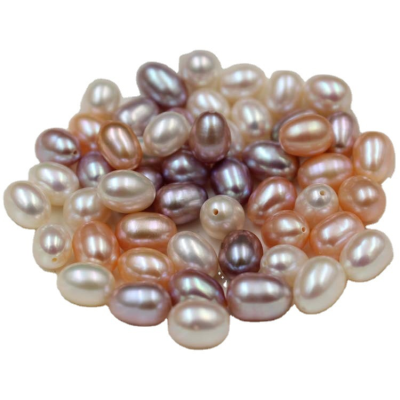
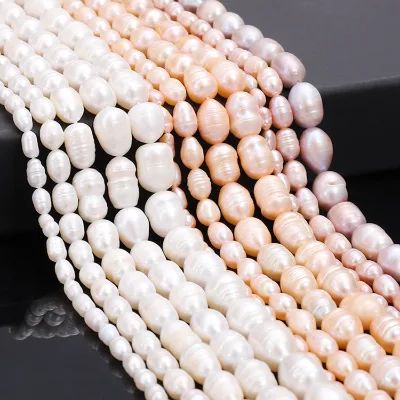
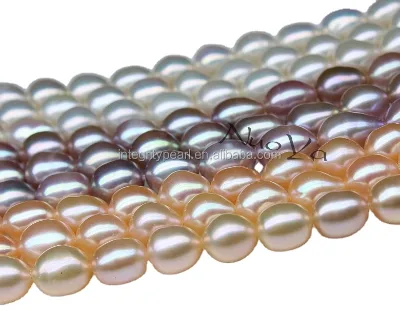
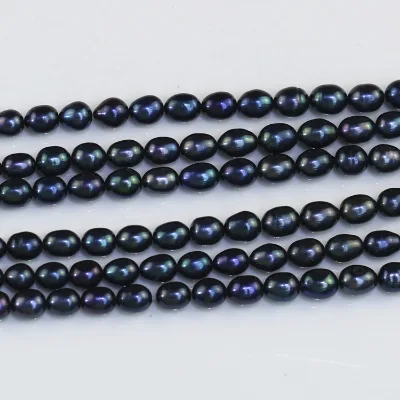
Compare 30 listings of AAA Rice Freshwater Pearls from verified suppliers. Buyers can evaluate pearl quality, size, and customization options for jewelry making, accessories, and craft projects. These loose beads offer strong luster and clean surfaces, suitable for various design needs. Suppliers provide different sizes and shapes to meet specific requirements.
Key considerations
Products List


Aaaa Grade High Natural Freshwater Cultured Akoya Loose Pearls (XL110049)
$14.50 - $16.50
MOQ: 50 Pieces


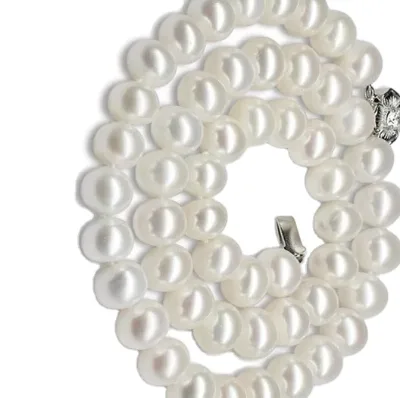




Fashion Design Sterling Silver Luxurious Freshwater White Pearl Beed Necklace
$45.50 - $50.90
MOQ: 100 Pieces

Natural Freshwater Pearl Necklace White Baroque Pearl Fashion Necklace Jewelry
$93.00 - $108.00
MOQ: 100 Pieces

Elegant Versatile Natural Freshwater Pearl Necklace High Quality Genuine Pearl
$30.50 - $34.90
MOQ: 100 Pieces


Comprehensive Sourcing Guide
AAA Rice Freshwater Pearls Sourcing Guide
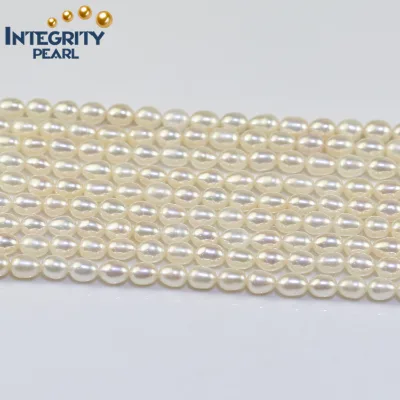
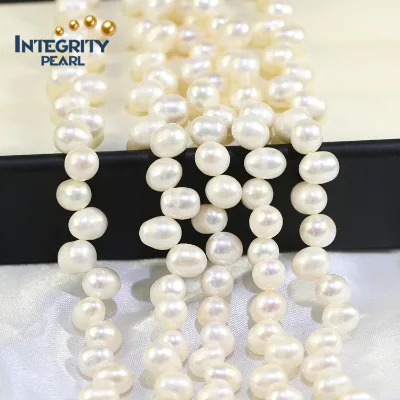
Sourcing high-grade freshwater pearls requires a nuanced understanding of shape classification and surface quality, particularly when targeting the "AAA" tier. Buyers must distinguish between perfectly round stones and the more common rice or oval shapes, which often offer better value without compromising luster. The observed market data indicates a strong presence of loose pearl beads and finished earring components, suggesting that procurement strategies should account for both raw materials and semi-finished goods. Understanding these distinctions is critical for aligning supplier offerings with specific jewelry design requirements, ensuring that the aesthetic goals of the final product are met efficiently.
Quality grading in the freshwater pearl sector is not standardized globally, making direct comparison between suppliers challenging. The term "AAA" typically denotes high luster and minimal visible defects, but buyers must verify this through physical inspection or trusted third-party appraisal. Observed listings highlight variations in pearl diameter, ranging from small 4-5mm beads to larger 8-9mm stones, which directly impacts pricing and application suitability. Procurement teams should establish clear internal definitions for quality tiers to avoid miscommunication with manufacturers, ensuring that the received goods match the expected visual and tactile standards for luxury or commercial jewelry lines.
Product Scope and Observed Listing Signals
The current market landscape for freshwater pearls includes a diverse array of product types, from loose beads to pre-strung pearl strings and specific jewelry components like earrings. Listings frequently highlight customization availability, indicating that suppliers are equipped to handle bespoke orders for shape, size, and color. The observed price range is broad, reflecting the variability in pearl quality, size, and processing complexity. Buyers should note that while some products are marketed as "flawless," others may exhibit minor surface imperfections typical of natural freshwater pearls, necessitating careful review of product descriptions and sample evaluations before committing to large orders.
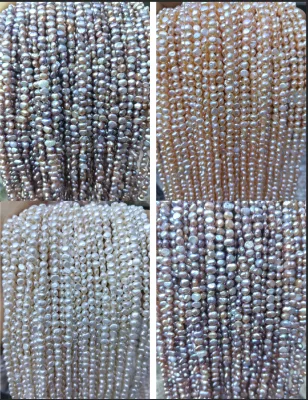
Color and luster are primary drivers of aesthetic appeal and perceived value in freshwater pearl procurement. White and pink hues are commonly available, with strong light reflection being a key quality indicator. The presence of "strong luster" in product attributes suggests that buyers should prioritize suppliers who can demonstrate high reflectivity in their samples. Additionally, the origin of production, often cited as Zhejiang, Zhuji, points to a major hub for pearl processing, which may offer logistical advantages in terms of supply chain efficiency and access to a wide variety of pearl types. Understanding these market signals helps buyers identify reliable sources that align with their specific product needs.
Technical Specifications to Verify
Verifying pearl diameter is a critical step in ensuring that the purchased materials meet design specifications. Observed standards indicate sizes ranging from 4-5mm to 8-9mm, with specific models catering to different jewelry types. Buyers must confirm that the stated diameter matches the actual product, as variations can affect the final appearance and fit of the jewelry. Additionally, the shape of the pearls, whether rice, oval, or perfect round, must be clearly defined in the purchase order. Misalignment in shape expectations can lead to significant production delays and customer dissatisfaction, making precise specification verification essential for successful procurement.
Surface quality and luster are technical attributes that require objective assessment. While "clean" surfaces and "strong light" are desirable traits, buyers should establish clear acceptance criteria for minor imperfections. The distinction between "AAA" and "AAAA" quality grades should be clarified with suppliers, as these terms are not universally standardized. Furthermore, the type of pearl, whether freshwater or akoya, impacts durability and appearance. Buyers should request detailed technical sheets that outline these attributes, ensuring that all parties have a shared understanding of the product's physical characteristics before production begins.
Compliance and Safety Documentation
While pearls are natural materials, compliance with safety standards is essential, particularly for jewelry intended for consumer use. Buyers should verify that suppliers provide third-party appraisal certificates, which can confirm the authenticity and quality of the pearls. These documents serve as a crucial verification tool, ensuring that the products meet the claimed quality standards. Additionally, compliance with international trade regulations and ethical sourcing practices should be assessed, although specific certification requirements may vary by destination market. Procurement teams must ensure that all necessary documentation is in place to facilitate smooth customs clearance and market entry.
Packaging and labeling requirements also play a role in compliance and product protection. Observed listings indicate the use of OPP bags for loose pearls, which is a common and effective packaging method for protecting the pearls during transit. Buyers should confirm that the packaging meets the durability requirements for their supply chain, preventing damage or loss of product. Furthermore, labeling must comply with local regulations, including accurate description of materials and origin. Ensuring that all compliance and packaging aspects are addressed early in the procurement process helps mitigate risks and ensures a seamless transition from supplier to end consumer.
Cost Drivers and Commercial Terms
The cost of freshwater pearls is influenced by several factors, including pearl size, quality grade, and shape. Larger pearls with higher luster and fewer defects command premium prices, while smaller or less perfect stones are more cost-effective. The observed price range reflects these variations, with buyers needing to balance quality expectations with budget constraints. Additionally, customization options, such as specific shapes or colors, may incur additional costs. Procurement teams should analyze these cost drivers to optimize their purchasing strategy, ensuring that they achieve the desired quality at a competitive price point.
Minimum Order Quantities (MOQ) and payment terms are key commercial considerations that impact procurement flexibility. Observed MOQs range from 3 to 100 units, offering some flexibility for smaller buyers. However, larger orders may benefit from volume discounts, which should be negotiated with suppliers. Payment terms, such as advance payment or letter of credit, should be aligned with the buyer's financial policies and risk tolerance. Understanding these commercial terms helps buyers structure their procurement processes efficiently, ensuring that cash flow is managed effectively while maintaining strong supplier relationships.
Supplier Qualification and Quality Control
Supplier qualification is a critical step in ensuring the reliability and consistency of pearl supplies. Buyers should assess suppliers based on their production capacity, quality control processes, and track record. The presence of customization capabilities and third-party appraisal certificates indicates a level of professionalism and commitment to quality. Additionally, suppliers located in major pearl processing hubs, such as Zhuji, may offer advantages in terms of supply chain efficiency and access to a wide variety of pearls. Procurement teams should conduct thorough due diligence, including site visits or virtual audits, to verify supplier capabilities and ensure they meet the buyer's standards.
Quality control measures must be implemented throughout the procurement process to ensure that the received goods meet the agreed-upon specifications. Buyers should establish clear acceptance criteria for pearl quality, including luster, surface cleanliness, and shape. Regular inspections and sampling should be conducted to verify that the products meet these criteria. Additionally, feedback mechanisms should be in place to address any quality issues promptly. By implementing robust quality control measures, buyers can minimize the risk of receiving substandard products and ensure that their final jewelry items meet the highest quality standards.
Long-Term Procurement Checks
Building long-term relationships with reliable suppliers is essential for securing consistent access to high-quality freshwater pearls. Buyers should focus on suppliers who demonstrate a commitment to quality, transparency, and continuous improvement. Regular communication and collaboration can help identify opportunities for cost savings and process optimization. Additionally, staying informed about market trends and technological advancements in pearl processing can help buyers remain competitive. By fostering strong supplier relationships, buyers can ensure a stable supply chain and maintain the quality of their products over time.
Continuous monitoring of supplier performance is crucial for maintaining high standards and addressing any emerging issues. Buyers should track key performance indicators, such as delivery times, product quality, and responsiveness to inquiries. Regular reviews and feedback sessions can help identify areas for improvement and strengthen the partnership. Additionally, buyers should remain vigilant about changes in market conditions, regulatory requirements, and supplier capabilities. By proactively managing these factors, buyers can ensure that their procurement strategy remains effective and aligned with their long-term business goals.
FAQs
What is the pearl shape and quality of the AAA Rice Freshwater Pearls?
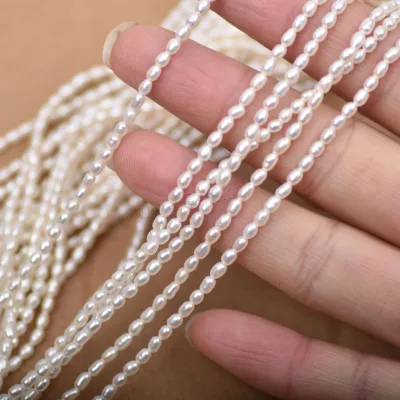
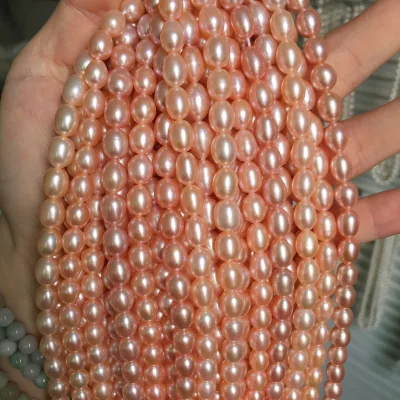
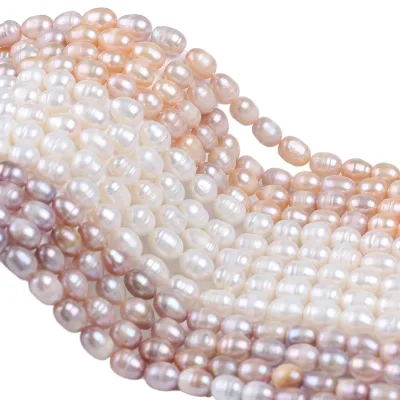
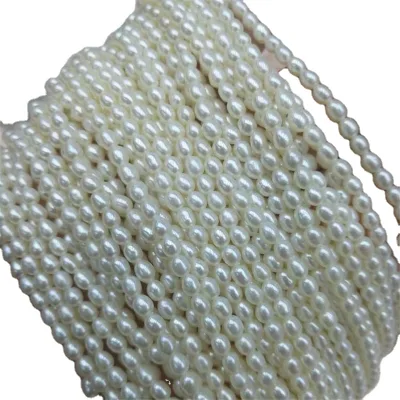
The AAA Rice Freshwater Pearls feature a distinct rice or oval shape with strong luster and clean surfaces. These loose pearl beads are graded as AAA quality, ensuring a flawless appearance. They are available in white and pink colors, offering versatile options for jewelry design projects requiring high-grade natural freshwater pearls.
Can I customize the packaging for these loose pearl beads?
Yes, customization is available for these loose pearl beads. While the standard packing is an OPP bag, buyers can request specific packaging solutions to suit their retail or wholesale needs. This flexibility allows for branded presentation, ensuring the pearls arrive securely and professionally, which is ideal for B2B sourcing and distribution channels.
What are the diameter specifications for the 8mm freshwater pearls?
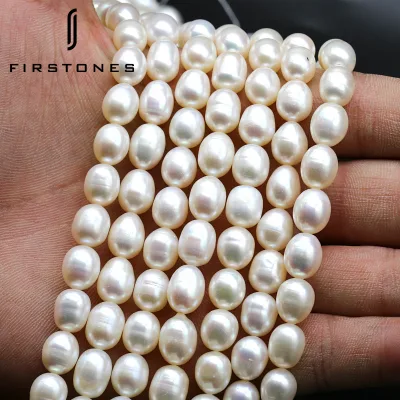
The 8mm freshwater pearls are strictly graded to meet the 8-9mm standard specification. These loose beads exhibit strong light gloss and are available in white or pink hues. The AAA quality rating ensures minimal defects, making them suitable for crafting elegant necklaces, bracelets, or earrings that require consistent sizing and premium luster.
Which certifications are provided for the natural loose pearl beads?
Third-party appraisal certificates are provided for the natural loose pearl beads. This documentation verifies the authenticity and quality of the freshwater pearls, including the AAA grade and specific shape characteristics. Buyers can rely on these certifications for quality assurance, ensuring that the sourced materials meet international standards for natural gemstone jewelry components.
What is the origin and standard for the 7-8mm pearl beads?
The 7-8mm pearl beads originate from Zhuji, Zhejiang, a renowned hub for pearl production. These beads adhere to the 7-8mm standard specification and are available in various shapes including oval. The strong luster and clean surface ensure high quality, making them ideal for bulk sourcing by jewelry manufacturers seeking reliable supply from established Chinese origins.