Source High Performance Race Clutch for Cars, Trucks, and Racing
Find and compare 30 High Performance Race Clutch options including friction discs, covers, and plates. Evaluate specifications like size, material, and certification to select the right components for cars, tractors, and heavy-duty trucks.
Key considerations
Products List


Racing Clutch Parts Supplier Racing Clutch Parts China Racing Clutch Parts Producer
$10.00 - $12.00
MOQ: 100 Pieces


High Performance Clutch 3 Paddle Racing Plate Clutch Disc for Japanese Car
$22.00 - $26.00
MOQ: 1 Pieces


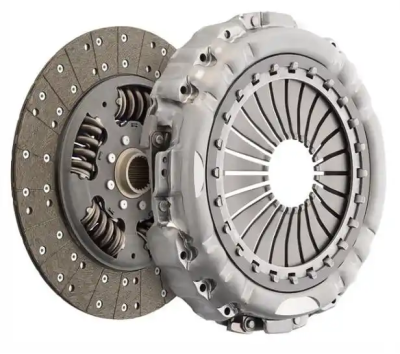


$1.58 - $1.75
MOQ: 2000 Sets


Comprehensive Sourcing Guide
High Performance Race Clutch Sourcing Guide
Sourcing high-performance race clutches requires a disciplined approach to distinguishing between generic automotive components and parts engineered for extreme thermal and mechanical stress. The market offers a diverse array of friction clutches, ranging from standard street applications to specialized units designed for racing cars and heavy-duty trucks. Buyers must navigate a landscape where product attributes like stroke type, working mode, and material composition vary significantly, necessitating a rigorous verification process before committing to any procurement order.
The primary challenge lies in aligning the specific operational demands of a racing vehicle with the technical capabilities of the available supply. While some listings indicate a "No linkage" working state suitable for specific power combining scenarios, others describe "Linkage" systems intended for farm machinery or heavy-duty trucks. Understanding these distinctions is critical, as a clutch designed for a tractor may fail catastrophically under the sustained high-RPM conditions of a race car, making precise specification matching the first step in a successful sourcing strategy.
Product Scope and Observed Listing Signals
The observed product scope for high-performance race clutches encompasses a wide variety of part types, including clutch buttons, clutch covers, clutch discs, and clutch plates, each serving a distinct function within the transmission assembly. Listings frequently highlight specific dimensions such as an outer diameter of 210mm or 219mm, alongside precise thickness measurements like 3.5mm or 4.0mm, which are vital for ensuring proper fitment within the bell housing. Buyers should scrutinize these physical dimensions carefully, as even minor deviations in size, such as a 224mm versus 250mm diameter, can render a component incompatible with the vehicle's existing drivetrain architecture.
Material composition serves as another critical signal of performance potential, with observed listings featuring both bronze and steel variants. While steel is often associated with the structural integrity required for clutch covers and pressure plates, bronze is frequently utilized in friction surfaces or specific bushings to manage heat and wear. The presence of customization options and OEM branding suggests that many suppliers are prepared to tailor these components to specific racing requirements, but buyers must verify that the base material and manufacturing process are capable of withstanding the extreme conditions of competitive racing rather than just standard road use.
Technical Specifications to Verify
Verifying the technical specifications of a race clutch begins with a detailed examination of the hub and spline configuration, which dictates how power is transferred from the engine to the transmission. Observed data points include hub diameters of 7/8" with 20 splines and 1-1/16" with 24 splines, indicating that a single clutch model may not fit all vehicle platforms. Procurement teams must cross-reference these spline counts and hub diameters against the vehicle's flywheel and transmission input shaft to prevent mechanical failure, as mismatched splines can lead to slippage or catastrophic disengagement during high-load maneuvers.
The working state and stroke characteristics of the clutch are equally critical for performance tuning and driver feedback. Listings indicate both "2 Stroke" and "Power Combining" working modes, alongside distinctions between "No linkage" and "Linkage" states. For racing applications, the stroke length and the nature of the linkage system directly influence pedal feel and the speed of gear engagement. Buyers should request detailed engineering drawings or physical samples to confirm that the stroke profile matches the specific requirements of their racing setup, ensuring that the clutch can deliver the rapid, precise engagement necessary for competitive lap times.
Compliance and Safety Documentation
Compliance and safety documentation for high-performance race clutches often involve adherence to international standards and specific industry certifications that validate the quality of the manufacturing process. Observed listings reference standards such as GB/T 5764-1998 and certifications including ISO/TS16949, which is a recognized quality management standard for the automotive industry. While these certifications provide a baseline assurance of manufacturing consistency, buyers must understand that they do not automatically guarantee performance in extreme racing environments and should be treated as foundational requirements rather than sole indicators of race-readiness.
Safety in racing applications extends beyond standard certifications to include the verification of material integrity and the absence of defects that could lead to failure under stress. Documentation should explicitly confirm the condition of the parts, with many listings specifying "New" condition and offering customizable packaging to ensure safe transport. Buyers should require test reports or quality assurance certificates that specifically address the thermal and mechanical limits of the clutch components, ensuring that the product has been validated for the high-heat and high-torque conditions inherent to motorsport rather than just general automotive use.
Cost Drivers and Commercial Terms
Cost drivers for high-performance race clutches are heavily influenced by the complexity of the specifications, the quality of materials used, and the level of customization required. The observed price range of 0.1 to 200 USD reflects a vast disparity between basic components and specialized, high-tolerance units, with factors like the specific size, material grade, and spline configuration playing a major role in the final price. Buyers should anticipate that components with precise dimensions, such as the 430mm or 380mm sizes, or those requiring custom branding and packaging, will command a premium over standard off-the-shelf items.
Commercial terms and payment structures are equally important when sourcing these specialized components, as they affect cash flow and risk management. Listings indicate flexible payment options such as TT (Telegraphic Transfer) and LC (Letter of Credit), alongside varying MOQs ranging from 1 piece to 5000 pieces. This flexibility allows buyers to start with small test orders to validate performance before scaling up to larger production runs. However, the wide range in MOQs means that buyers must carefully negotiate terms to ensure they are not locked into excessive inventory levels while still securing the volume discounts necessary for competitive pricing.
Supplier Qualification and Quality Control
Supplier qualification for race clutch components requires a thorough vetting of the manufacturer's origin, production capabilities, and quality control protocols. The majority of observed listings originate from China, a major hub for automotive parts manufacturing, but the specific factory's ability to maintain tight tolerances and consistent material quality is paramount. Buyers should verify that the supplier possesses the necessary certifications, such as ISO/TS16949, and has a proven track record of supplying parts for racing or heavy-duty applications, rather than just general consumer vehicles.
Quality control processes must be robust enough to handle the unique demands of high-performance racing, where even minor defects can lead to failure. Suppliers offering customization and OEM services should demonstrate a clear workflow for inspecting critical dimensions like hub diameters and spline counts, as well as material properties. Buyers should request evidence of their quality control procedures, including how they handle packaging to prevent damage during transit, and whether they offer neutral carton boxes or custom palletized shipping to ensure the components arrive in pristine condition for immediate installation.
Long-Term Procurement Checks
Long-term procurement checks for high-performance race clutches involve establishing a sustainable relationship with suppliers who can consistently deliver parts that meet evolving performance standards. This includes monitoring the consistency of product attributes such as the "2 Stroke" operation or specific material compositions like steel and bronze across multiple production batches. Buyers should implement a system for tracking the performance of each batch in real-world racing conditions to identify any trends in wear, heat resistance, or mechanical failure that might indicate a need for specification adjustments.
Sustainability in procurement also requires maintaining a clear record of standards and certifications to ensure ongoing compliance with industry regulations and safety requirements. As racing regulations and vehicle technologies evolve, the standards referenced in initial orders, such as GB/T 5764-1998, may need to be updated or supplemented with newer testing protocols. Buyers should maintain open communication channels with suppliers to stay informed about any changes in manufacturing processes or material sourcing that could impact the performance and reliability of the clutch components over the long term.
FAQs
What certifications do high performance race clutches have?
These clutches often carry ISO/TS16949 certification to ensure quality standards. Some products also meet CE requirements. This certification confirms the friction clutch meets automotive industry safety and performance benchmarks for racing applications.
Which materials are used for High Performance Race Clutch plates?
Manufacturers typically use bronze or steel for these clutch components. The material choice depends on the specific working mode and load requirements. Steel is common for clutch covers while bronze is used for friction plates.
Can I customize the size of a High Performance Race Clutch?
Yes, customization is available for various clutch specifications. Buyers can request specific dimensions like 210mm or 224mm sizes. Custom packaging options such as box or pallet are also offered to meet unique logistics needs.
What is the minimum order quantity for high performance race clutches?
The minimum order quantity can start as low as one piece for some items. Other listings may require up to 5000 units depending on the supplier. This flexibility allows buyers to test products before placing larger orders.
How are high performance race clutches shipped to international buyers?
Products are shipped via sea, air, or express courier services. Packaging is often done in neutral carton boxes or on pallets. Buyers can choose the shipping method that best fits their urgency and budget constraints.
Which standards apply to High Performance Race Clutch discs?
Many clutch discs comply with GB/T 5764-1998 standards. Specific models may also adhere to size-based standards like 430mm or 380mm. These standards ensure the friction clutch components fit standard vehicle specifications.
What is the origin of High Performance Race Clutch manufacturers?
The primary origin for these products is China. Manufacturers in this region supply various vehicle types including cars and racing cars. Buyers should verify specific factory locations when sourcing for quality assurance.