Source Rinsing Water Cup for Camping, Travel, and Daily Use
Explore 30 listings for the Rinsing Water Cup, comparing options in plastic, stainless steel, and silicone. Buyers can evaluate features like leak-proof designs, custom logos, and various capacities to find the right drinkware for their needs; compare the available evidence and request quotations based on your requirements.
Key considerations
Products List


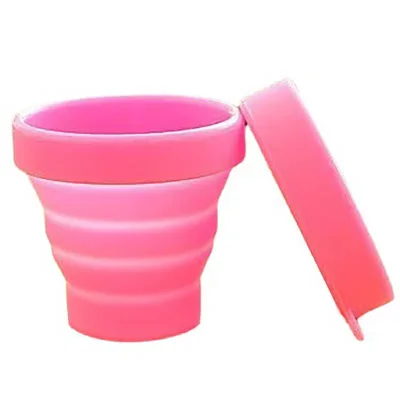


Comprehensive Sourcing Guide
Rinsing Water Cup Sourcing Guide
The global market for rinsing water cups presents a diverse array of options ranging from disposable plastic units to durable stainless steel vessels designed for repeated use. Buyers must navigate a landscape where product attributes vary significantly, including materials like food-grade TPU, silicone, and 304 stainless steel, alongside specific design features such as double walls, vacuum insulation, and leak-proof mechanisms. Understanding these distinctions is critical for selecting the right vessel for specific operational needs, whether for camping, daily hydration, or specialized pet care applications.
Procurement strategies must account for the wide variance in customization capabilities and packaging standards observed across listings. While some suppliers offer fully customized logos and fashion-forward designs, others provide standard multicolor or unicolor options with minimal branding. The presence of specific model numbers like CY1, YN5205-1, and BBB0071 indicates a highly segmented market where buyers need to verify exact specifications against their internal requirements to ensure compatibility with existing logistics and usage protocols.
Product Scope and Observed Listing Signals
Buyers should first categorize products based on their intended lifecycle, distinguishing between non-disposable units designed for long-term durability and disposable options suited for single-use events. The observed data reveals a split between rigid plastic cocktail glasses and flexible silicone or TPU containers, each serving different functional niches. It is essential to verify whether the specific unit requires a cover, a handle, or specific shape characteristics like rotundity to match the intended user demographic, which ranges from adults to pets.
The visual and stylistic signals in listings often dictate the final selection, with options spanning simple, sport, and minimalist designs. Color variations include multicolor, mix color, and unicolor finishes, while surface treatments range from printed patterns to plain colored surfaces. Procurement teams must carefully review these aesthetic attributes alongside functional claims such as health care features or vacuum insulation to ensure the selected product aligns with the brand identity and the practical demands of the end-user environment.
Technical Specifications to Verify
Technical due diligence requires a rigorous check of material composition and dimensional standards to prevent performance failures in the field. Buyers must confirm that stainless steel components meet the 304 grade standard and that plastic or silicone parts are explicitly rated as food-grade to ensure safety during direct contact with liquids. Specific dimensions, such as the 6.422.5cm profile or the 1511.5*11.5cm packaging size, must be validated against storage and shipping constraints to avoid logistical bottlenecks during the supply chain.
Capacity and weight specifications are equally critical, with observed standards ranging from 500ml volumes to specific weight metrics like 73g or 500g per unit. The presence of features like double walls and vacuum technology suggests a need for thermal retention verification, while leak-proof claims require physical testing to confirm integrity under pressure. Procurement teams should request detailed specification sheets for models like BWB023 or BBB0075 to ensure that the physical properties match the operational requirements of the target application.
Compliance and Safety Documentation
Safety compliance is a non-negotiable aspect of sourcing drinking vessels, particularly when products are intended for food and beverage contact. Buyers must demand evidence of relevant certifications, such as FDA approval, which is explicitly noted in some listings, to verify that materials do not leach harmful substances into the water. The absence of such documentation for specific models or materials should trigger a halt in procurement until the supplier can provide third-party test results confirming compliance with international food safety standards.
Beyond material safety, packaging and labeling standards must be verified to ensure they meet destination market regulations. Some products are packaged in individual cartons, while others utilize bulk carton packing, and the chosen method must align with local import requirements and sustainability goals. Buyers should also verify that any customization, such as logo printing, adheres to ink safety standards and does not compromise the structural integrity or chemical safety of the cup surface during the rinsing or drinking process.
Cost Drivers and Commercial Terms
Cost structures in this category are heavily influenced by material selection, with 304 stainless steel and food-grade TPU generally commanding higher prices than standard plastic or silicone alternatives. The complexity of the design, including features like vacuum insulation, double walls, and custom printing, adds significant value but also increases the unit cost. Buyers must analyze the trade-off between premium features and budget constraints, ensuring that the selected specifications deliver the necessary performance without inflating the total landed cost beyond acceptable margins.
Commercial terms, including minimum order quantities (MOQ) and lead times, vary widely across the supplier base, with observed MOQs ranging from 100 units to 5000 units. This variance requires buyers to align their order volume with supplier capabilities to secure favorable pricing tiers while avoiding excessive inventory holding costs. Negotiation strategies should focus on balancing the MOQ requirements with the flexibility to adjust order sizes based on demand fluctuations, ensuring a sustainable supply chain that can adapt to market changes without incurring penalty fees.
Supplier Qualification and Quality Control
Supplier qualification begins with verifying the geographic origin of the manufacturing facilities, as observed data points to production hubs in China, specifically in provinces like Fujian and Zhejiang. These regions have established ecosystems for plastic and metal fabrication, but buyers must conduct on-site audits or request detailed factory profiles to assess production capacity and quality control infrastructure. The presence of specific model numbers and standardized packaging suggests a mature supply chain, yet direct verification of the manufacturing process remains essential to ensure consistency.
Quality control protocols must be strictly enforced to maintain product integrity, particularly regarding the durability of leak-proof seals and the stability of vacuum insulation. Buyers should implement a rigorous inspection regime that includes random sampling and functional testing for features like handle attachment and lid fitment. Establishing clear acceptance criteria for defects, such as color inconsistencies or weight deviations from the specified 73g or 500g standards, is vital to prevent the distribution of substandard products that could damage the buyer's brand reputation.
Long-Term Procurement Checks
Sustaining a successful procurement relationship requires ongoing monitoring of supplier performance and product consistency over time. Buyers should establish a schedule for periodic re-verification of material certifications and production standards to ensure that the supplier continues to meet the initial quality benchmarks. This proactive approach helps identify any drift in manufacturing processes or material sourcing that could compromise the safety or functionality of the rinsing water cups in the long run.
Strategic planning must also account for the evolving nature of product designs and market trends, such as the shift toward more sustainable materials or innovative features like advanced vacuum technology. Buyers should maintain open communication channels with suppliers to stay informed about new model releases, such as updates to the BBB series or new TPU formulations, allowing for timely adjustments to the product portfolio. This agility ensures that the procurement strategy remains competitive and responsive to changing consumer preferences and regulatory landscapes.
FAQs
What materials are used for rinsing water cups?
Rinsing water cups are crafted from various materials including plastic, 304 stainless steel, silicone, and food-grade TPU. These materials ensure durability and safety for repeated use. Options range from simple plastic designs to vacuum-insulated stainless steel models, catering to different functional needs and aesthetic preferences in the market.
Can I customize the logo on these cups?
Yes, customization is available for many Rinsing Water Cup models. Buyers can request custom logos and specific design elements to match their brand identity. This service allows for personalized branding on products made from materials like plastic or stainless steel, enhancing marketing value for corporate gifts or promotional campaigns.
What is the typical MOQ for these products?
The minimum order quantity varies by supplier and product model. Observed MOQs range from 1 to 5000 units, with some specific models requiring a minimum of 100 pieces. Buyers should check individual product listings for exact MOQ requirements to ensure alignment with their procurement volume and budget constraints.
Are these cups suitable for outdoor camping?
Yes, certain rinsing water cups are designed for camping and outdoor activities. Features like leak-proof construction, double-wall vacuum insulation, and sporty styles make them ideal for travel. Materials such as food-grade TPU and durable plastics ensure they can withstand outdoor conditions while maintaining hygiene and functionality for users.
What certifications do these cups hold?
Many rinsing water cups hold relevant safety certifications such as QS and FDA. These certifications indicate that the products meet specific health and safety standards for materials in contact with food and beverages. Buyers can verify these credentials to ensure compliance with regulatory requirements in their target markets.
How are the cups packaged for shipping?
Cups are typically packaged in individual cartons or bulk cartons for efficient shipping. Packaging dimensions vary by model, with some items packed in boxes measuring approximately 15x11.5x11.5 cm. This packaging method protects the products during transit and facilitates easy storage and distribution for retailers and distributors.