Source High Temperature Resistant Cooling Pad for Greenhouse, Horticulture, and Industry
Find 30 listings for High Temperature Resistant Cooling Pad designed for greenhouses, horticulture, and livestock breeding. Buyers can compare specifications including evaporation efficiency, cooling effects, and frame materials from OEM and ODM suppliers in Bengbu and China.
Key considerations
Products List


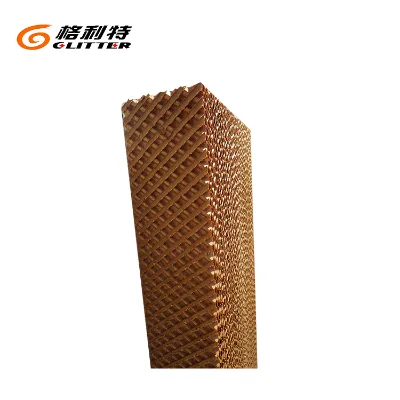


$1150.00 - $1200.00
MOQ: 30 Pieces


Evaporative cooling pad/ Cooling Media/ PP cooling pad/ Plastic cooling pad
Negotiable
MOQ: 20 Square Meters
Comprehensive Sourcing Guide
Strategic Sourcing Guide for High-Temperature Resistant Cooling Pads
Understanding Technical Specifications and Performance Metrics
When sourcing high-temperature resistant cooling pads, buyers must first distinguish between the specific material compositions and structural designs that define performance in demanding environments. The core of the product is often a specialized paper or plastic sheet material engineered to withstand thermal stress while maintaining structural integrity during water evaporation. Based on available market data, the primary material options include PVC plastic and various paper-based substrates, each offering distinct advantages depending on the specific application environment. The frame material is equally critical, with aluminum, stainless steel, and galvanized steel being the standard options observed in the supply chain. These materials ensure the unit remains robust against corrosion and mechanical stress, particularly in industrial settings where humidity and temperature fluctuations are constant.
The physical dimensions of the cooling pad are not uniform and vary significantly based on the intended installation. Observed specifications indicate that thickness can range from 10cm to 15cm, with specific models like the 7090 and 5090 series being prominent in the market. Standardized dimensions such as 1500300015mm and 1800600150mm are frequently cited, though custom sizes are also available to meet unique facility requirements. The cooling efficiency is a primary driver for selection, with observed performance metrics suggesting an evaporation efficiency of up to 90% and a cooling effect capable of reducing ambient temperatures by 5-15°C. This level of performance is contingent upon the water distribution system, which must ensure uniform flow across the pad surface to maximize the evaporative cooling process. The system type is typically a combined setup, often integrating cooling, irrigation, and ventilation systems, and is designed for wall-mounted installation to optimize airflow dynamics.
Compliance, Certification, and Regulatory Standards
Navigating the regulatory landscape is a critical step in the procurement of industrial cooling equipment. Buyers must verify that the products they select meet the necessary safety and environmental standards for their specific region and industry. The supply chain for these cooling pads frequently references certifications such as RoHS, CE, and ISO standards. Specifically, ISO 9001 is a common quality management certification observed, indicating that the manufacturer adheres to international standards for quality control. The RoHS certification ensures that the materials used, particularly in the plastic and electronic components of the system, are free from specific hazardous substances. Additionally, the CE mark is a mandatory conformity marking for products sold within the European Economic Area, signifying compliance with health, safety, and environmental protection standards.
It is important to note that certification status can vary between different product models and manufacturers. While some listings explicitly mention CE and ISO 9001, others may only list RoHS or UR certifications. Buyers should not assume that every listed product possesses all certifications; instead, they must request specific documentation for the exact model number they intend to purchase. The product origin is also a factor in compliance, with major production hubs located in regions like Bengbu and China. These locations often have established manufacturing ecosystems that support high-volume production, but they also require rigorous verification to ensure that the exported goods meet the destination country's regulatory requirements. The standard for the product itself is often listed as "paper" or "customized," which requires buyers to clarify the specific material standards applicable to their application to ensure the product is suitable for high-temperature environments.
Cost Drivers and Pricing Structure Analysis
The pricing structure for high-temperature resistant cooling pads is influenced by a complex interplay of material costs, manufacturing complexity, and customization requirements. The observed price range in the market is vast, spanning from $0.10 to $1,550 USD. This wide disparity is not indicative of quality differences alone but reflects the diversity in product types, from simple paper pads to complete integrated cooling systems with advanced frames and control mechanisms. The Minimum Order Quantity (MOQ) is another significant cost driver, with observed ranges varying from 1 unit to 1,000 units. Buyers purchasing in smaller quantities may face higher per-unit costs, while those ordering in bulk can leverage economies of scale to reduce the overall expenditure.
Material composition plays a substantial role in determining the final price. Pads constructed with PVC plastic or high-grade galvanized steel frames generally command a higher price point compared to standard paper-based alternatives. Furthermore, the level of customization available from the supplier significantly impacts cost. While many manufacturers offer standard sizes like 1500300015mm, custom dimensions and specialized features such as double-speed fans or specific water distribution systems will increase the unit price. The packaging method, whether it is a standard export carton, a master carton, or a paper carton, also contributes to the logistics cost, especially for international shipments. Buyers should evaluate the total cost of ownership, including shipping and installation, rather than focusing solely on the unit price, as a lower initial cost may result in higher maintenance or replacement expenses if the product lacks durability.
Typical Applications and Industry Use Cases
High-temperature resistant cooling pads are versatile solutions deployed across a wide array of industries where thermal management is critical. The primary application fields include machinery operations, greenhouse agriculture, horticulture, and livestock and poultry breeding. In the agricultural sector, these pads are essential for maintaining optimal environmental conditions in production greenhouses, ensuring that crops and animals are not subjected to heat stress. The ability to reduce temperatures by 5-15°C makes these systems invaluable for maintaining productivity in hot climates. The application extends to industrial settings where machinery generates significant heat, requiring effective cooling to prevent equipment failure and ensure worker safety.
The specific usage scenarios dictate the choice of product attributes. For instance, in animal husbandry, the noise level of the system is a crucial consideration, with low-noise options being preferred to avoid stressing the livestock. The system type, often a combined cooling and ventilation setup, is particularly effective in large-scale facilities where air circulation is paramount. The cooling pad is also utilized in applications requiring air conditioning support, where the pad acts as a pre-cooling element to enhance the efficiency of the entire HVAC system. The optional systems available, such as irrigation and ventilation, allow for a tailored approach to environmental control, ensuring that the cooling solution is integrated seamlessly with existing facility infrastructure. Whether for a small-scale horticulture operation or a large industrial plant, the adaptability of these cooling pads makes them a critical component of modern thermal management strategies.
Supplier Evaluation and Manufacturing Capabilities
Selecting the right supplier is as important as selecting the right product. Buyers should prioritize suppliers that offer both OEM (Original Equipment Manufacturer) and ODM (Original Design Manufacturer) services, as this indicates a high level of manufacturing flexibility and capability. The presence of customization options suggests that the supplier can adapt the product to specific buyer requirements, which is essential for unique installation scenarios. When evaluating potential suppliers, buyers should verify the condition of the products, ensuring that they are new and not refurbished, as this impacts the longevity and performance of the cooling pad.
The origin of the product is another key factor in supplier evaluation. With major production centers in Bengbu and China, buyers should be aware of the logistics and lead times associated with sourcing from these regions. While these locations offer competitive pricing and high production volumes, they also require careful vetting to ensure that the quality standards are consistent. The warranty period, typically one year, is a standard offering that provides a baseline of protection for the buyer. However, buyers should also inquire about the supplier's track record in handling after-sales support and technical assistance. The ability to provide detailed product specifications, including model numbers like 7060 and 7090, is a sign of a transparent and reliable supplier. Additionally, the packaging method, whether it is a standard export carton or a custom master carton, should be evaluated to ensure that the product arrives in pristine condition.
Quality Control and Long-Term Procurement Considerations
Ensuring the long-term reliability of high-temperature resistant cooling pads requires a robust quality control strategy. Buyers should verify that the water distribution system ensures uniform flow, as uneven distribution can lead to hot spots and reduced cooling efficiency. The condition of the frame material, whether aluminum, stainless steel, or galvanized steel, should be inspected for signs of corrosion or structural weakness, especially in high-humidity environments. The thickness of the pad, ranging from 10cm to 15cm, should be consistent with the specifications provided to ensure that the evaporation efficiency remains at the claimed levels.
For long-term procurement, buyers should consider the maintenance requirements and the availability of replacement parts. The system type, often a combined setup, implies that multiple components must function in harmony, and the failure of one part can affect the entire system. Therefore, it is advisable to source from suppliers who offer comprehensive support and have a reliable supply chain for spare parts. The warranty period of one year is a standard benchmark, but buyers should also explore options for extended warranties or service contracts to mitigate the risk of unexpected downtime. Finally, buyers should regularly review the performance of the installed systems against the observed metrics, such as the 90% evaporation efficiency and 5-15°C temperature reduction, to ensure that the product continues to meet the facility's needs over time. By maintaining a proactive approach to quality control and supplier management, buyers can secure a reliable and efficient cooling solution for their operations.
FAQs
What certifications do high temperature resistant cooling pads typically have?
High temperature resistant cooling pads typically carry RoHS, CE, and ISO certifications. Some models also include UR certification, while others may list specific ISO standards like ISO9001 depending on the manufacturer and region of origin.
Which material options are available for the cooling pad frame?
The frame material is commonly available in aluminum, stainless steel, or galvanized steel. These options ensure robustness against corrosion and mechanical stress, particularly in industrial settings where humidity and temperature fluctuations are constant.
How much temperature reduction can these cooling pads achieve?
These cooling pads can reduce ambient temperatures by 5 to 15 degrees Celsius. This performance is supported by an evaporation efficiency of up to 90% and requires a water distribution system that ensures uniform flow across the pad surface.
Can buyers request custom dimensions for the cooling pads?
Yes, buyers can request custom dimensions as the product standard is often listed as customized. Available sizes include 1500*3000*15mm and 1800*600*150mm, though specific thickness options like 10cm or 15cm are also observed in the market.
What is the typical warranty period for these cooling systems?
The typical warranty period for these cooling systems is one year. This standard offering provides a baseline of protection for the buyer, though specific terms may vary depending on the supplier and the specific model purchased.
Which application fields utilize high temperature resistant cooling pads?
These pads are utilized in machinery, greenhouses, horticulture, and livestock and poultry breeding. They are also used in industrial settings for air conditioning support and general cooling needs where thermal management is critical for productivity.