Source Plum Blossom Cable Take-up Machine for Wire Processing
Find and compare 26 Plum Blossom Cable Take-up Machine models for wire winding, galvanized line processing, and annealing applications. Review specifications including speed, power, and capacity to select the right equipment for your manufacturing needs.
Key considerations
Products List


Qipang 500mm Plum Blossom Barrel Dropping Machine Cable Production Line Take-up Machine
$8500.00 - $11800.00
MOQ: 1 Pieces

400mm Bobbin Car Cable Barrel Plum Blossom Type Wire Take-up Machine
$8000.00 - $11800.00
MOQ: 1 Pieces


Price Galvanization Wire 500mm Reel Cross Vertical Plum Blossom Take up Machine
$8500.00 - $11800.00
MOQ: 1 Pieces

Industrial Cable Plum Blossom Take up Machine for Rubber Insuated Wires
$8000.00 - $11800.00
MOQ: 1 Pieces

High Speed Plum Blossom Take up Machinery for Cable Industry Equipment
$8500.00 - $11800.00
MOQ: 1 Pieces
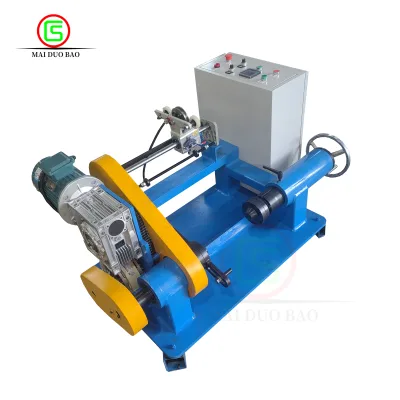
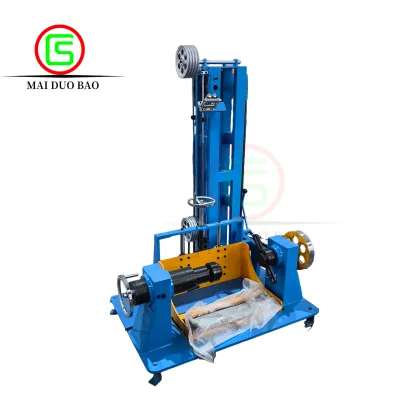


High Quality 630 Type 0.4-1.8mm Optical Fiber Cable Take-up Pay-off Machine
$5470.00 - $5500.00
MOQ: 1 acres
Comprehensive Sourcing Guide
Plum Blossom Cable Take-up Machine Sourcing Guide
The Plum Blossom Cable Take-up Machine is a specialized piece of industrial equipment designed to efficiently collect and wind wires following critical processing steps such as galvanizing or annealing. These machines are essential for maintaining production continuity in wire manufacturing facilities, ensuring that the finished wire is neatly coiled without tangling or damage. The core functionality revolves around a vertical take-up mechanism that handles high volumes of wire, often featuring pneumatic and hydraulic braking systems to control tension and speed. Buyers should recognize that these units are typically categorized as automatic grade machinery, which minimizes manual intervention and maximizes throughput in high-productivity environments.
When sourcing this equipment, procurement teams must navigate a market where product attributes vary significantly between listings, ranging from specific models like the PBW and BSX450 to generic wire bobbin machines. The observed product range includes units capable of handling wire diameters from 1.0mm up to 7.0mm, with some configurations supporting up to 70 lines of wire simultaneously. It is critical for buyers to distinguish between machines designed for specific wire gauges, such as those suitable for 1.3mm and 1.9mm wires, and those built for broader ranges like 2-6mm. Understanding these distinctions ensures that the selected machine aligns with the specific production requirements of the facility, whether it involves building material shops or general manufacturing plants.
Product Scope and Observed Listing Signals
The product scope for plum blossom cable take up machines encompasses a variety of configurations, including vertical take-up machines and wire bobbin machines, each tailored to different operational needs. Listings indicate that these machines are often available with customized sizes and dimensions, allowing them to fit specific factory layouts or accommodate different barrel outer diameters, such as the 500300400mm specification observed in some models. The physical footprint and weight of these units can be substantial, with some models weighing up to 3000kg, necessitating careful planning for floor loading and installation logistics. Buyers should verify the exact dimensional requirements against their available space, as the "Customized Size" attribute suggests that off-the-shelf dimensions may not apply to every unit.
Listing signals reveal a diverse range of operational speeds and power requirements, with observed speeds varying from 12m/s to 400m/Min depending on the specific model and application. Power consumption is another critical variable, with some units rated at 11kw while others operate on 4kw motors, directly impacting energy costs and electrical infrastructure needs. The take-up frame capacity is a key indicator of performance, with some machines capable of handling loads of 800kg or more, which is vital for heavy-duty continuous production. Additionally, the packaging methods, ranging from plastic film to wooden cases, suggest that shipping and handling protocols must be carefully coordinated to prevent damage during transit, especially given the heavy nature of the equipment.
Technical Specifications to Verify
Technical verification must begin with the wire handling capabilities, specifically the adaptable wire range and the number of lines the machine can process. Buyers should confirm whether the unit supports the specific wire diameter required for their production line, as models are often optimized for narrow ranges like 1.3mm to 1.9mm or broader spans like 2mm to 6mm. The number of lines, which can range from 40 to 70, directly correlates to the machine's throughput capacity and must match the volume demands of the facility. It is also essential to verify the braking method, as the observed listings specify pneumatic and hydraulic braking systems, which are critical for maintaining consistent tension and preventing wire breakage during high-speed operation.
Power and voltage specifications are equally critical for ensuring compatibility with the facility's electrical infrastructure. While some units operate on standard 380V systems, the power rating can vary significantly, with observed values including 11kw and 4kw motors. Buyers must ensure that the electrical supply can support the peak load of the machine, particularly during startup or high-speed winding operations. Furthermore, the automatic grade of the machine should be confirmed to ensure it meets the desired level of automation, reducing the need for manual labor and increasing overall productivity. The model number, such as PBW, BSX450, or Ml-500, serves as a unique identifier for these technical parameters and should be cross-referenced with the supplier's technical datasheet.
Compliance and Safety Documentation
Compliance and safety documentation for plum blossom cable take up machines typically include certifications such as CE and ISO, which indicate adherence to international safety and quality standards. These certifications are crucial for ensuring that the machine meets regulatory requirements in the destination market, particularly for equipment used in building material shops and manufacturing plants. Buyers should request valid certification documents to verify that the machine has undergone rigorous testing for electrical safety, mechanical integrity, and operational reliability. The presence of these certifications also suggests that the manufacturer follows established quality management systems, which can reduce the risk of equipment failure and ensure a safer working environment for operators.
In addition to certifications, warranty terms provide a critical layer of protection for the buyer, with observed warranty periods ranging from 1 year to 2 years. It is important to clarify the scope of the warranty, including what components are covered and the terms for service and repair. The warranty period can vary based on the specific model and the supplier's policies, so buyers should ensure that the agreement is clearly defined in the purchase contract. Furthermore, the availability of spare parts and technical support should be verified, as these factors are essential for maintaining long-term operational efficiency. The "Customized Size" and "Customized Color" attributes also imply that specific compliance requirements may need to be addressed during the customization process.
Cost Drivers and Commercial Terms
The cost of plum blossom cable take up machines is influenced by several factors, including the level of customization, power rating, and the complexity of the braking system. Units with customized dimensions and specific wire handling capabilities often command higher prices due to the additional engineering and manufacturing effort required. The observed price range of 1871.52 to 50000 USD reflects the diversity of models available, from basic wire bobbin machines to high-capacity vertical take-up systems. Buyers should analyze the total cost of ownership, considering not only the initial purchase price but also the energy consumption, maintenance costs, and potential downtime associated with the machine.
Commercial terms such as MOQ (Minimum Order Quantity) and lead times are also significant considerations in the procurement process. While the observed MOQ range is 1-1, indicating flexibility for single-unit purchases, lead times can vary based on the customization level and the supplier's production schedule. The origin of the machine, often listed as Hebei, China, can impact shipping costs and delivery times, especially if the buyer is located in regions like Turkey, Vietnam, Peru, or Saudi Arabia. Buyers should negotiate clear terms regarding payment schedules, shipping responsibilities, and installation support to ensure a smooth transaction. The "Customized Size" and "Customized Standard" attributes further emphasize the need for detailed commercial agreements to manage expectations and costs effectively.
Supplier Qualification and Quality Control
Supplier qualification is a critical step in sourcing plum blossom cable take up machines, as the quality of the equipment directly impacts production efficiency and safety. Buyers should verify the supplier's experience in manufacturing wire processing equipment and their track record in delivering machines that meet international standards. The presence of ISO and CE certifications is a strong indicator of a supplier's commitment to quality, but buyers should also request references from previous clients to validate the supplier's performance. Additionally, the supplier's ability to provide customized solutions, such as specific dimensions or wire ranges, demonstrates their technical capability and flexibility.
Quality control processes should be rigorously evaluated to ensure that the machine meets the specified technical requirements before shipment. Buyers should inquire about the testing procedures used by the supplier, including functional tests for speed, tension control, and braking performance. The "Automatic Grade" and "High Productivity" attributes suggest that the machine must perform reliably under continuous operation, so pre-shipment inspections are essential. Suppliers with showrooms in locations like Turkey, Vietnam, and Indonesia may offer opportunities for buyers to inspect the equipment firsthand, providing an additional layer of assurance. Establishing a clear quality control protocol with the supplier can help mitigate risks and ensure that the delivered machine meets all operational expectations.
Long-Term Procurement Checks
Long-term procurement checks involve establishing a framework for ongoing maintenance, support, and performance monitoring of the Plum Blossom Cable Take-up Machine. Buyers should ensure that the supplier provides comprehensive training for operators and maintenance staff to maximize the machine's lifespan and efficiency. The warranty period, whether 1 or 2 years, should be leveraged to secure timely repairs and replacements for any defective components. Regular maintenance schedules should be developed to prevent unexpected downtime, and the availability of spare parts should be confirmed to ensure quick resolution of any issues that arise.
Performance monitoring is another critical aspect of long-term procurement, requiring the buyer to track key metrics such as production speed, wire quality, and energy consumption. Comparing actual performance against the observed specifications, such as the 12m/s to 400m/Min speed range, can help identify any deviations that may indicate underlying issues. The "High Productivity" selling point should be validated through regular performance audits to ensure that the machine continues to meet the facility's output goals. By maintaining a proactive approach to procurement and maintenance, buyers can optimize the return on investment and ensure the continued reliability of their wire processing operations.
FAQs
What is the primary function of a Plum Blossom Cable Take-up Machine?
The primary function is to take up wires after they have been galvanized or annealed. This vertical take-up machine ensures efficient winding of the processed wire, maintaining tension and order in the manufacturing workflow. It is designed specifically for wire handling applications in industrial settings.
What certifications do these machines typically hold?
These machines typically hold ISO and CE certifications. These standards ensure that the equipment meets international requirements for quality management and safety compliance. Buyers can rely on these certifications to verify that the machinery adheres to recognized industrial norms for operation and manufacturing processes.
What is the warranty period for this equipment?
The warranty period is generally one to two years. This coverage provides assurance for the mechanical and electrical components during the initial operational phase. Buyers should confirm the specific warranty terms with the supplier, as variations may exist depending on the model and customization options selected.
Can the machine specifications be customized?
Yes, customization is available for dimensions, colors, and standard configurations. The machine supports customized sizes and can be adapted to specific production needs. This flexibility allows manufacturers to integrate the equipment seamlessly into their existing workflows, ensuring optimal performance for unique wire diameter and speed requirements.
What is the weight and capacity of the take-up frame?
The machine weighs approximately 3000 kg, and the take-up frame capacity is at least 800 kg. This robust construction supports heavy wire spools and ensures stability during high-speed operation. The substantial weight contributes to the machine's durability and consistent performance in continuous industrial environments.
What is the origin and packaging method for these machines?
The machines originate from Hebei, China, and are packed in wooden cases or plastic film. This packaging protects the equipment during international shipping. Buyers should verify the specific packing details with the supplier to ensure safe transit and proper handling upon arrival at the destination facility.