Source Highway Smart Lighting Pole with CCTV Camera for highways, parking lots, and streets
Explore 30 listings for the Highway Smart Lighting Pole with CCTV Camera designed for highways, parking lots, and streets. Buyers can compare specifications like height, material, and certifications to find suitable options for their infrastructure projects.
Key considerations
Products List


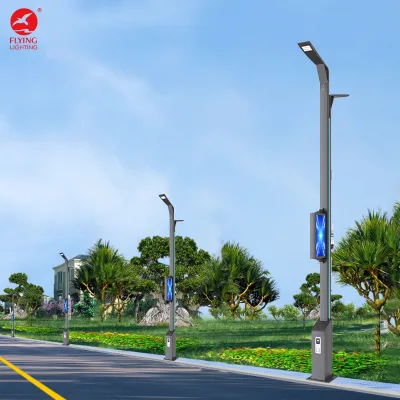
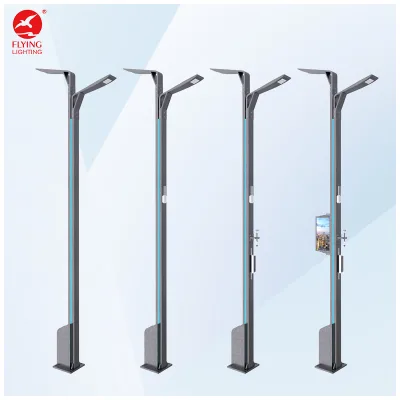
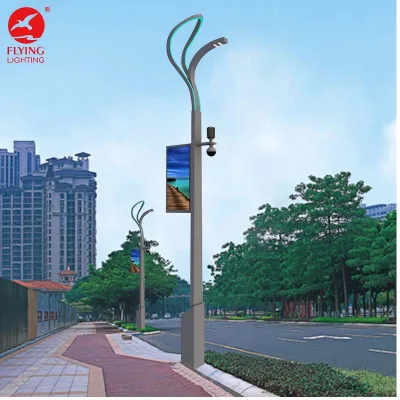


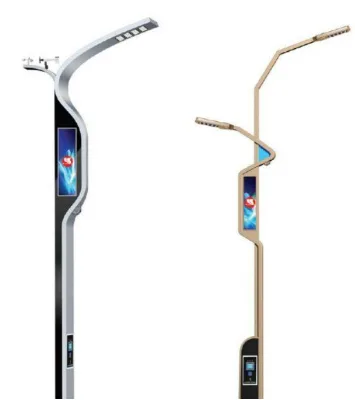
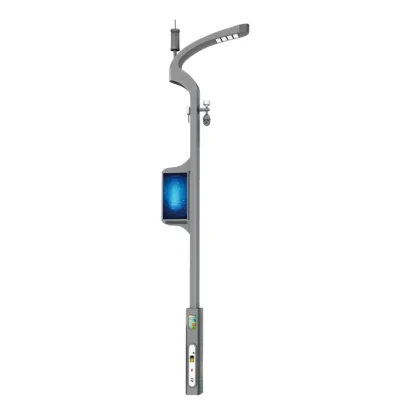
Smart System Controller LED Light Pole with Camera CCTV Smart Street Light Pole
$800.00 - $2100.00
MOQ: 5 Pieces

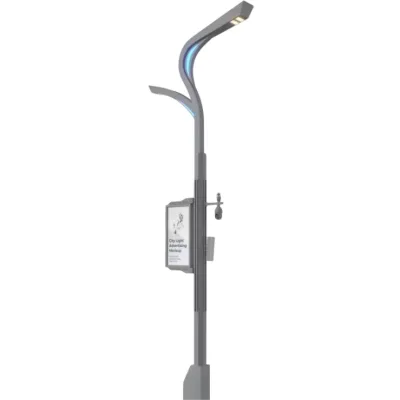
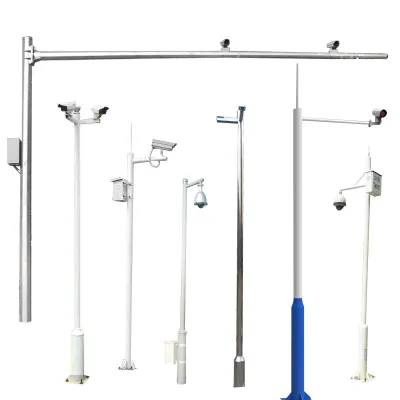
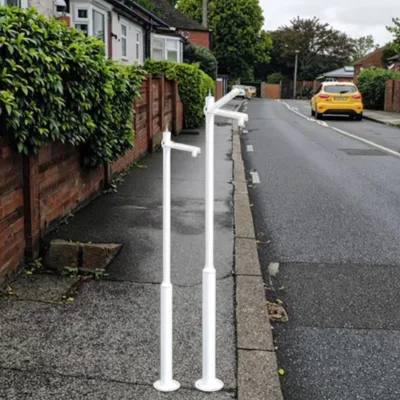
4.5m,6.0m Lowerable Telescopic Light Pole Telescopic Cctv Camera Mast Pole
$100.00 - $120.00
MOQ: 1 pieces

Comprehensive Sourcing Guide
Strategic Sourcing Guide for Highway Smart Lighting Poles with CCTV Integration
The procurement of highway smart lighting poles with integrated CCTV camera systems represents a complex intersection of civil engineering, electrical infrastructure, and surveillance technology. For B2B buyers, the challenge lies not merely in purchasing a steel structure but in acquiring a certified, durable, and compliant asset capable of withstanding harsh environmental conditions while supporting high-tech monitoring equipment. The market offers a wide array of configurations, from standard street lighting poles to specialized units designed for highway safety and traffic management. This guide provides a disciplined framework for evaluating these products based on verified technical attributes, compliance requirements, and long-term operational viability.
Technical Architecture and Material Specifications
The foundational element of any smart lighting pole is its structural integrity and material composition. Based on observed market data, the primary materials utilized for these structures are steel and iron, selected for their high tensile strength and resistance to deformation under wind loads. A critical observation in the current supply landscape is the prevalence of "Hot-DIP Galvanizing" (Hot-Dip Galvanizing) as the standard surface treatment process. This process is essential for preventing corrosion, particularly in highway environments where exposure to salt, moisture, and pollutants is constant.
Buyers must verify the specific thickness of the galvanized coating. Verified product data indicates a galvanized thickness of ≥85 micrometers (um), which serves as a robust benchmark for long-term durability. The structural design varies significantly, with available shapes including conical, octagonal, and round profiles. The height specifications are equally diverse, ranging from standard 3-meter units to massive 45-meter structures designed for major highway interchanges. When sourcing, it is imperative to confirm that the pole's standard dimensions align with the specific project requirements, such as the 5-12 meter range often cited for general street applications or the 6-12 meter range for specific traffic pole models.
The integration of CCTV cameras introduces specific material and structural considerations. The "Smart Material" category explicitly lists CCTV cameras as a component, indicating that the pole is designed to house or mount these devices. The mounting configuration is flexible, with options for single, double, three, or four arms. This modularity allows for the placement of lighting fixtures and surveillance cameras at optimal angles. Furthermore, the "Plastic Coated" attribute suggests that some suppliers offer additional protective layers, which can be customized to specific color or aesthetic requirements. The structural stability is further validated by wind resistance ratings, with verified data pointing to a capacity of 180 km/h, a crucial metric for highway installations in exposed areas.
Compliance, Certification, and Safety Standards
Navigating the regulatory landscape is a non-negotiable aspect of B2B procurement for public infrastructure. The supplied product facts highlight a robust array of certifications that buyers should prioritize. The most frequently observed certifications include CE, RoHS, ISO, CCC, CQC, EMC, and ETL. The presence of CE and RoHS indicates compliance with European Union standards regarding safety, health, and environmental protection, while ISO certification suggests adherence to international management system standards.
For projects in China or those requiring Chinese market compliance, the CCC (China Compulsory Certification) and CQC (China Quality Certification) are mandatory. Additionally, EMC (Electromagnetic Compatibility) and ETL (Intertek) certifications are vital for ensuring that the electrical components, including the LED drivers and camera power supplies, do not interfere with other highway systems and meet safety testing protocols. The "IP Rating" attribute is listed alongside voltage specifications (100-240V), underscoring the need to verify the ingress protection level of the electrical enclosure to ensure it is weatherproof.
Buyers must also scrutinize the "prod_standard" values, which include specific length standards like 11.4 meters and 13.4 meters for certain models. These standards often correlate with local traffic authority requirements. The "Standard" attribute also references height ranges such as 5-8 meters for CCTV poles and 6-12 meters for traffic poles. It is the buyer's responsibility to cross-reference these standard dimensions with local engineering codes to ensure the purchased poles meet the specific load-bearing and height requirements of the installation site.
Cost Drivers and Pricing Dynamics
The pricing structure for highway smart lighting poles is highly variable, driven by a combination of material costs, customization levels, and the complexity of the integrated systems. The observed price range in the market spans from approximately $23.68 to $3,500 USD. This vast disparity reflects the difference between a basic, small-diameter pole and a fully integrated, high-mast lighting solution with advanced CCTV capabilities.
Several key factors influence the final cost. First, the material weight and the thickness of the steel or iron directly impact the price. Second, the surface treatment process, specifically the Hot-DIP Galvanizing thickness, adds to the manufacturing cost. Third, the inclusion of the LED light source and the CCTV camera system significantly increases the unit price. Products listed with "With Light Source" and specific LED chip brands like Osram will command a premium over bare pole structures.
The Minimum Order Quantity (MOQ) also plays a role in cost efficiency. The observed MOQ range is 1 to 50 units. While some suppliers offer an MOQ of just 1 PC, allowing for small-scale testing or pilot projects, larger orders typically benefit from economies of scale. Buyers should be aware that customization options, such as specific colors, arm configurations, or unique standard lengths, may incur additional setup costs or higher per-unit prices. The "Customization" and "Customize" attributes confirm that these products are not off-the-shelf items but are often tailored to specific project needs, which inherently affects the pricing model.
Typical Applications and Functional Versatility
The versatility of these smart lighting poles is evident in their diverse application areas. The primary use cases identified include Highway, Road, Street, Parking Lot, Square, and Garden environments. The "Application" attribute explicitly lists Highway, Parking Lot, Square, and Garden, indicating that these poles are designed to serve both high-speed traffic corridors and public gathering spaces.
For highway applications, the focus is on safety and surveillance. The poles provide essential illumination for drivers while the integrated CCTV cameras monitor traffic flow, detect accidents, and deter criminal activity. The "Usage" attribute confirms suitability for Highway, Road, and Street applications. The "Keywords" associated with these products, such as "Light Pole" and "Street Pole," further reinforce their role in municipal infrastructure.
In urban settings like squares and parking lots, the aesthetic and functional balance is crucial. The "Color" attribute is listed as "Optional," allowing municipalities to match the poles with local architectural styles. The "LED Dimming" attribute, specifically "Brightness," suggests that these systems can be controlled to adjust light levels based on time of day or traffic conditions, enhancing energy efficiency. The "Power" specifications, ranging from 60 to 100W, indicate that these are high-efficiency LED systems, suitable for illuminating large areas without excessive energy consumption.
Supplier Evaluation and Quality Assurance
Selecting the right supplier requires a rigorous evaluation process that goes beyond price comparisons. Buyers should prioritize suppliers who can provide verifiable documentation for the certifications mentioned earlier, including CE, RoHS, ISO, and CCC. The "prod_origin" attribute indicates that many of these products originate from China, specifically from regions like Yangzhou, Jiangsu, which is a known hub for lighting and pole manufacturing.
Quality control should focus on the manufacturing process, particularly the Hot-DIP Galvanizing and the structural welding. Buyers should request test reports or third-party verification for the galvanized thickness (≥85um) and the wind resistance rating (180 km/h). The "Surface Treatment" process is a critical quality indicator; a uniform, smooth finish without drips or uneven coating suggests a high-quality manufacturing process.
Packaging is another area of concern. The observed "prod_packing" methods include "Nonoven Fabric," "Bubble Bags and Blanket Packaging," and other protective measures. These packaging details are essential for ensuring that the poles arrive at the installation site without damage, especially given their length and weight. Buyers should verify that the packaging is robust enough to handle long-distance shipping and that the supplier has a track record of safe delivery.
Long-Term Procurement and Maintenance Considerations
The long-term value of a smart lighting pole investment is heavily dependent on its warranty and maintenance requirements. The "Warranty Year" attribute shows a range of 15 to 25 years, with specific models offering 20-year warranties. This extended warranty period is a strong indicator of the manufacturer's confidence in the product's durability and the quality of the galvanizing process.
Buyers should carefully review the terms of the warranty to understand what is covered, including structural integrity, surface coating, and electrical components. The "LED Chips Brand" being Osram is a positive signal, as Osram is a reputable manufacturer known for high-quality, long-lasting LED components. The "Color Temperature" range of 3000K-5000K allows for customization based on the desired lighting ambiance, which can impact the long-term maintenance and energy costs.
Furthermore, the "Customization" and "Plastic Coated" attributes suggest that the poles can be adapted to specific environmental conditions, potentially reducing the need for future repairs. However, buyers must also consider the "Power Supply" requirements (AC) and the "Input Voltage" (100-240V) to ensure compatibility with the local grid. The integration of CCTV cameras adds a layer of complexity to maintenance, as these electronic components may require periodic updates or replacements. Buyers should inquire about the availability of spare parts and the technical support offered by the supplier to ensure the system remains operational over its intended lifespan.
Summary of Key Technical Parameters
To facilitate a quick comparison of the observed product attributes, the following table summarizes the critical technical specifications found in the market data:
| Parameter | Observed Range / Value | Notes |
|---|---|---|
| Material | Steel, Iron | Primary structural components |
| Surface Treatment | Hot-DIP Galvanizing | Standard for corrosion resistance |
| Galvanized Thickness | ≥85um | Verified benchmark for durability |
| Height | 3m to 45m | Includes 5-12m, 6-12m, 5-8m ranges |
| Shape | Conical, Octagonal, Round | Structural profile options |
| Wind Resistance | 180 km/h | Critical for highway safety |
| Certifications | CE, RoHS, ISO, CCC, CQC, EMC, ETL | Varies by region and product type |
| Warranty | 15 to 25 Years | Indicates long-term reliability |
| LED Power | 60-100W | High-efficiency lighting |
| LED Brand | Osram | Verified chip manufacturer |
| CCTV Integration | Yes | "Smart Material" category |
| MOQ | 1 PC to 50 Units | Flexible ordering options |
| Origin | China (Yangzhou, Jiangsu) | Manufacturing hub location |
In conclusion, sourcing highway smart lighting poles with CCTV integration requires a meticulous approach that balances technical specifications, regulatory compliance, and cost efficiency. By focusing on verified attributes such as galvanized thickness, wind resistance, and certification status, buyers can ensure the acquisition of high-quality infrastructure that meets the demanding requirements of modern highway systems. The availability of customization and the range of warranty periods further enhance the value proposition, making these poles a viable long-term investment for public and private sector projects alike.
FAQs
What certifications are required for highway smart lighting poles?
These poles typically carry CE, RoHS, ISO, CCC, CQC, EMC, and ETL certifications. Buyers must verify specific certifications like CCC for Chinese market compliance and CE for European safety standards before procurement.
How long is the warranty period for these smart poles?
Warranty periods range from 15 to 25 years depending on the specific model and manufacturer. Some units offer a 20-year warranty while others provide up to 25 years, indicating long-term durability expectations.
Which surface treatment process ensures corrosion resistance?
Hot-DIP Galvanizing is the standard surface treatment used to prevent corrosion in highway environments. Verified data indicates a galvanized thickness of at least 85 micrometers to ensure robust protection against harsh weather conditions.
Can the pole height be customized for specific projects?
Yes, customization is available with heights ranging from 3 meters to 45 meters. Standard models often fall between 5 and 12 meters, but buyers can request specific dimensions like 11.4 or 13.4 meters.
What is the wind resistance rating for these structures?
The verified wind resistance rating for these poles is up to 180 kilometers per hour. This high rating ensures structural stability for highway installations in exposed areas subject to strong winds.
Which LED chip brands are used in these lighting systems?
Osram is the specific LED chip brand identified in the product specifications. These high-quality chips support power ratings between 60 and 100 watts with color temperatures ranging from 3000K to 5000K.