Source Home Appliance Acrylic Sheet for Displays, Panels, and Covers
Find 30 listings for Home Appliance Acrylic Sheet to compare tensile strength, thickness, and customization options. Evaluate high-impact transparent and colored sheets suitable for architecture, advertising, and decoration applications.
Key considerations
Products List




Comprehensive Sourcing Guide
Home Appliance Acrylic Sheet Sourcing Guide
Sourcing acrylic sheets for home appliance applications requires a nuanced understanding of material properties, regulatory compliance, and supply chain reliability. Acrylic, or polymethyl methacrylate (PMMA), is widely favored in the appliance industry for its optical clarity, impact resistance, and aesthetic versatility. Buyers must navigate a market where specifications vary significantly between cast and extruded processes, and where "high impact" claims must be validated against specific mechanical tests. This guide provides evidence-based procurement strategies to help buyers select the right materials, verify supplier capabilities, and mitigate risks associated with quality inconsistencies and regulatory non-compliance.
The following sections detail the technical parameters, compliance requirements, and commercial considerations essential for successful sourcing. By focusing on verified data points and established industry standards, procurement teams can make informed decisions that balance cost, performance, and aesthetic requirements. The guidance herein is derived from observed market listings and trusted category knowledge, ensuring that all recommendations are grounded in factual, verifiable information rather than speculative claims.
Product Scope and Observed Listing Signals
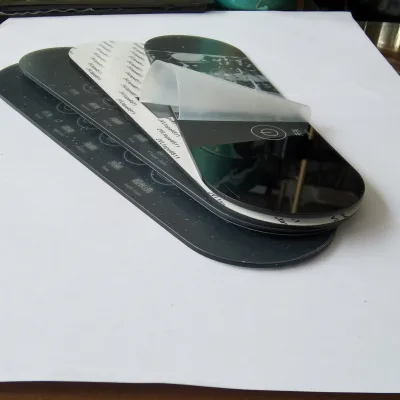
The market for acrylic sheets in the home appliance sector is characterized by a diverse range of product types, including transparent sheets, colored sheets, and specialized mirror sheets. Observed listings indicate that materials are often categorized by their visual and functional attributes, such as "Transparent Plastic Sheet," "Color Plastic Sheet," and "Acrylic Mirror Sheet." These distinctions are critical for buyers, as the application dictates the required optical properties and surface finish. For instance, transparent sheets are typically used for display windows and control panels, while colored sheets may be employed for decorative elements or branding purposes. Mirror sheets, available in finishes like gold and silver, are often used for high-end appliance aesthetics.
Material composition is another key differentiator, with many suppliers offering sheets made from 100% virgin raw materials. This ensures consistent quality and performance, which is vital for appliances that undergo rigorous testing and long-term use. The observed product models include sheet materials and coil materials, suggesting flexibility in form factor for different manufacturing processes. Additionally, the availability of customization options, such as customized logos and specific colors, allows buyers to tailor products to their brand identity. However, buyers should verify that these customizations do not compromise the structural integrity or optical clarity of the sheet.
Technical Specifications to Verify
Technical specifications for acrylic sheets vary widely, and buyers must carefully verify parameters such as tensile strength, impact strength, and water absorption. Observed data points indicate tensile strengths ranging from 3.6 MPa to 80 MPa, with some products claiming high impact strength. These variations suggest that not all acrylic sheets are suitable for all applications; for example, higher tensile strength may be required for structural components, while lower strength might suffice for decorative panels. Buyers should request specific test reports to confirm that the material meets their mechanical requirements, rather than relying on general claims.
Optical and physical properties are equally important, with transmittance rates around 93% being common for high-quality transparent sheets. Water absorption rates are typically low, ranging from less than 0.01% to 0.4%, which is crucial for maintaining dimensional stability in humid environments. Density values observed range from 0.5 g/cm³ to 1.2 g/cm³, indicating variations in material formulation. Thickness specifications also vary, with options ranging from 0.8 mm to 50 mm, allowing for customization based on the appliance's design needs. Buyers should ensure that the selected thickness and density align with their manufacturing processes and end-use requirements.
Compliance and Safety Documentation
Compliance with safety and environmental standards is non-negotiable for home appliance components. Many suppliers claim adherence to REACH standards, indicating that their materials are free from restricted substances. This is particularly important for products that come into contact with food or are used in household environments. Buyers should verify that the supplier provides up-to-date compliance certificates and test reports from recognized third-party laboratories. Additionally, certifications such as ISO 9001, ISO 14001, and ISO 45001 indicate a supplier's commitment to quality management, environmental responsibility, and occupational health and safety.
The presence of SGS certification further validates the supplier's ability to meet international quality and safety benchmarks. Buyers should request copies of these certificates and verify their authenticity through the issuing bodies. It is also important to ensure that the materials are non-toxic and suitable for their intended application. For example, sheets used in kitchen appliances must meet specific food-contact regulations. By prioritizing suppliers with robust compliance documentation, buyers can reduce the risk of regulatory violations and product recalls.
Cost Drivers and Commercial Terms
Cost drivers for acrylic sheets include material quality, thickness, color, and customization requirements. Observed price ranges vary significantly, from $0.02 to $4550, reflecting the diversity of products and quantities available. Minimum order quantities (MOQs) typically range from 1 to 1000 units, offering flexibility for both small-scale and large-volume purchases. Buyers should consider the total cost of ownership, including shipping, handling, and potential waste, rather than focusing solely on the unit price. Customization, such as specific colors or logos, may incur additional costs, so it is important to clarify these details upfront.
Commercial terms, including delivery times and payment conditions, also impact the overall cost. Observed delivery times range from 20 to 25 days, which buyers should factor into their production schedules. Suppliers may offer different packing options, such as pallets, PE bags, or cartons, which can affect shipping costs and product protection. Buyers should negotiate terms that align with their cash flow and inventory management strategies. Additionally, understanding the supplier's lead times and capacity can help mitigate the risk of supply chain disruptions.
Supplier Qualification and Quality Control
Supplier qualification is a critical step in ensuring the reliability of the acrylic sheet supply chain. Buyers should assess suppliers based on their manufacturing capabilities, quality control processes, and track record. Observed listings highlight suppliers that are recognized as key high-tech enterprises, indicating a level of technological advancement and expertise. Buyers should verify these claims by requesting information about the supplier's equipment, production lines, and quality assurance protocols. Suppliers with advanced equipment and rigorous quality control measures are more likely to deliver consistent, high-quality products.
Quality control should extend beyond the supplier's internal processes to include incoming inspection and ongoing monitoring. Buyers should establish clear quality standards and conduct regular audits to ensure compliance. This may include visual inspections, mechanical testing, and chemical analysis. Additionally, buyers should maintain open communication with suppliers to address any quality issues promptly. By investing in supplier qualification and quality control, buyers can build a resilient supply chain that supports their long-term business goals.
Long-Term Procurement Checks
Long-term procurement success depends on continuous monitoring and evaluation of supplier performance. Buyers should establish key performance indicators (KPIs) to track metrics such as on-time delivery, product quality, and responsiveness to issues. Regular reviews of these metrics can help identify potential problems early and facilitate corrective actions. Additionally, buyers should stay informed about industry trends and technological advancements that may impact their sourcing strategy. This includes monitoring changes in material regulations, market prices, and supplier capabilities.
Building strong relationships with suppliers is also essential for long-term success. Buyers should engage in regular communication and collaboration to foster trust and mutual understanding. This may include joint development projects, shared forecasting, and collaborative problem-solving. By treating suppliers as strategic partners rather than transactional vendors, buyers can create a more resilient and adaptable supply chain. Ultimately, a proactive approach to long-term procurement checks ensures that the sourcing strategy remains aligned with the company's evolving needs and market conditions.
FAQs
What customization options are available for acrylic sheets?
Customization is available for logo and color selection. Buyers can request customized logos and choose from transparent, white, gold, or silver colors. The material supports cutting and moulding processes to meet specific design requirements for home appliance applications.
Which certifications do the acrylic sheet manufacturers hold?
Manufacturers hold ISO9001, ISO14001, and ISO45001 certifications. Some suppliers also provide SGS certification and ensure the product meets Reach standards for being nontoxic. These certifications verify quality management and environmental safety for industrial use.
How thick can the cast acrylic sheets be produced?
Cast acrylic sheets are available in thicknesses ranging from 1.8mm to 50mm. Specific listings also show options like 16mm or a range of 0.8mm to 8mm. This variety allows selection based on structural needs for different appliance components.
What is the typical lead time for delivery?
The typical delivery time is 20 to 25 days. This lead time applies to orders processed by manufacturers in China, including those located in Zhejiang. Buyers should account for this duration when planning production schedules for appliance manufacturing.
Can the acrylic sheets be sourced with specific packing requirements?
Yes, packing options include bundles inside with veneer pallets outside or PE film with wood pallets. Other methods involve PE bags, carton boxes, or kraft paper. These packaging standards ensure the sheets remain protected during international shipping and handling.
What is the water absorption rate of the acrylic material?
The water absorption rate ranges from 0.01% to 0.4% depending on the specific product grade. Some high-performance sheets show absorption below 0.01%, while others fall between 0.2% and 0.3%. This low absorption ensures durability in humid environments.
Which locations supply these acrylic sheet products?
Products originate from China, with specific manufacturing hubs in Zhejiang. The standard sheet size is 1220mm by 2440mm, though customized dimensions are also available. These locations support global supply chains for home appliance component sourcing.