Find Holographic Transparent Adhesive Labels for Packaging, Medicine, and Beverages
Source 30 verified options for Holographic Transparent Adhesive Labels designed for packaging, medicine, and bottled beverages. Compare customization, materials like PET and vinyl, and anti-counterfeit features from multiple suppliers to find the right fit for your needs.
Key considerations
Products List


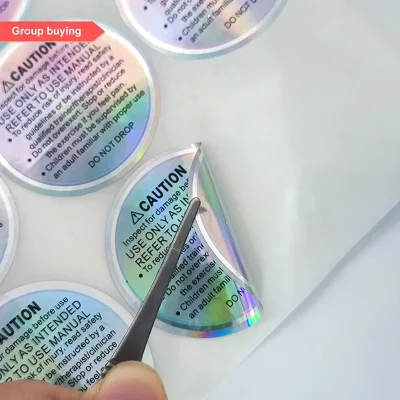
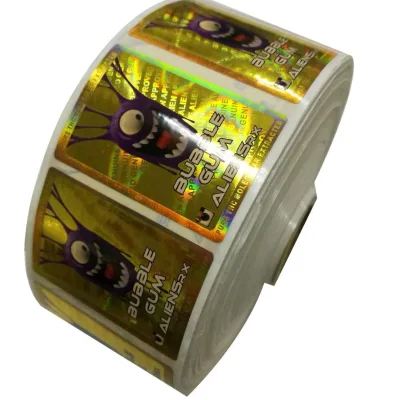
Custom Label Printing 3D Holographic Label Flash Holographic Sticker
$1.30 - $1.50
MOQ: 1000 Square Meters




Comprehensive Sourcing Guide
Strategic Sourcing Guide for Holographic Transparent Adhesive Labels
Understanding Product Attributes and Material Composition
When sourcing Holographic Transparent Adhesive Labels, buyers must first distinguish between the visual technology and the substrate material. The core keyword implies a label that combines optical security features with a clear, see-through backing. Based on available market data, the material composition for these products varies significantly across suppliers. Some listings explicitly identify the substrate as PET (Polyethylene Terephthalate), which is a robust synthetic polymer known for its durability and chemical resistance. Other product profiles indicate the use of Paper, which typically offers a different tactile feel and print quality but lacks the inherent transparency of plastic films. Additionally, Vinyl is frequently cited as a material option, offering high flexibility and weather resistance suitable for outdoor applications.
The "holographic" aspect refers to the surface finishing and printing technology rather than a single material. The observed product attributes include features such as Anti-Counterfeit, Holographic, Waterproof, and Weatherproof capabilities. These features are often achieved through specific printing types, including Screen Printing and Offset Printing. The transparency of the label is a critical technical specification; while some products are described as having a "Custom" color, the functional requirement for a transparent label necessitates a clear base film. Buyers should verify that the "Transparent" attribute is explicitly confirmed in the product specification sheet, as "Custom" color options can sometimes imply opaque or semi-transparent finishes depending on the ink density.
The standard dimensions observed in the market range from specific model numbers like XG0322, which may correspond to a 4x5cm standard, to flexible ranges such as 5.5cm to 8.5cm. The shape of the sticker is another variable, with options including Die Cut, Rectangle, Round Corner, Circle, and Oval. The "Custom Shapes Die Cut Label Stickers" attribute suggests that buyers can request non-standard geometries to fit specific packaging contours. However, the transparency of the label must remain consistent regardless of the shape, requiring precise die-cutting technology to ensure the holographic effect is not compromised at the edges.
Technical Specifications and Manufacturing Processes
The technical execution of Holographic Transparent Adhesive Labels involves a complex interplay of printing, finishing, and adhesive technologies. The printing process is a primary driver of quality. Observed data lists Screen Printing and Offset Printing as the two dominant methods. Offset printing is generally preferred for high-volume runs with complex color gradients, while screen printing may be utilized for specific ink thicknesses or texture effects. The surface finishing options are extensive and directly impact the holographic appearance. Buyers should look for processes such as UV Varnishing, Matte Lamination, and Gloss Varnishing. These coatings protect the holographic foil and enhance the visual depth of the label.
Additional finishing techniques observed include Embossing, Debossing, UV, Gold Stamp, and Laser printing. These methods add tactile and visual security features that are essential for anti-counterfeit applications. The "Holographic" feature is often paired with "Anti-Counterfeit" and "Waterproof" attributes, indicating that the label is designed to withstand environmental stressors while maintaining its security integrity. The adhesive itself must be compatible with the substrate; for PET and Vinyl labels, the adhesive needs to bond effectively to various surfaces, including glass, plastic, and metal, which are common in bottled beverage and medicine packaging.
The production workflow typically begins with artwork confirmation. The required file formats for these orders include Pdf, Ai, EPS, and High Resolution JPG. This requirement ensures that the vector data for the holographic design is precise. The production time is a critical logistical factor, with observed lead times ranging from 5 to 7 days after artwork and payment confirmation. This timeline is relatively standard for custom adhesive labels but requires careful planning to avoid supply chain disruptions. The packaging of the finished goods is also a technical consideration, with options ranging from PP Bags with Carton Boxes to Rolls or Sheets, and in some cases, packing by Carton with Waterproof Film. The choice of packaging affects the label's protection during transit, particularly for transparent labels that may be more susceptible to scratching or dust accumulation.
Compliance, Certification, and Security Standards
In the realm of holographic labels, compliance and certification are paramount, especially for industries like medicine and food. The primary function of these labels is often security and brand protection. The observed product attributes explicitly mention "Anti-Counterfeit" and "Holographic" features, which serve as compliance mechanisms against product tampering and forgery. While the provided data does not list specific certification bodies or test results for every product, it does reference a low-confidence background mention of ISO 9001:2015. Buyers should treat this as a general industry standard rather than a guaranteed attribute of every listed supplier.
When evaluating suppliers, buyers must verify that the materials used meet local regulatory standards for food contact and pharmaceutical packaging. For instance, labels intended for "Bottled Beverage" or "Medicine" usage must be free from toxic substances that could leach into the product. The "Waterproof" and "Weatherproof" attributes suggest a level of durability that may be required for cold chain logistics or outdoor storage. However, buyers should not assume compliance based on these marketing terms alone. It is essential to request Material Safety Data Sheets (MSDS) or specific compliance certificates from the supplier to confirm that the PET, Vinyl, or Paper substrates and the adhesives used are compliant with relevant regulations in the target market.
The "Anti-Counterfeit" feature often implies the use of specialized holographic foils that are difficult to replicate. These foils may contain micro-textures or unique optical effects that serve as authentication markers. Buyers should inquire about the specific technology used for the holographic effect, such as laser embossing or diffraction grating, and whether the supplier offers verification services or unique serial numbering systems. The "Custom Sticker Logo" and "Free Design Service Available" attributes indicate that the security features can be tailored to the brand's specific needs, but this customization must be executed with precision to ensure the security integrity is not compromised.
Cost Drivers and Pricing Dynamics
The cost of Holographic Transparent Adhesive Labels is influenced by a complex matrix of factors, including material selection, printing complexity, order volume, and finishing requirements. The observed price range in the market is quite broad, spanning from 0 to 1.5 USD per unit. This wide variance suggests that the unit price is highly dependent on the specific configuration of the order. For example, a simple PET label with basic screen printing will likely be at the lower end of the spectrum, while a complex Vinyl label with offset printing, holographic foil, and multiple finishing layers like UV varnish and gold stamping will command a higher price.
Order volume is a significant cost driver. The observed Minimum Order Quantity (MOQ) ranges from 1 to 10,000 units. This flexibility allows buyers to test the market with small orders or commit to large-scale production runs. However, the unit price typically decreases as the order volume increases due to economies of scale in material procurement and machine setup. The "Small Orders: Accepted" attribute confirms that suppliers are willing to accommodate lower volumes, which is beneficial for startups or businesses testing new packaging designs.
Additional cost factors include the customization of the label shape and size. Custom die-cut shapes require specialized tooling, which may incur a one-time setup fee or a higher per-unit cost compared to standard rectangular or circular shapes. The choice of printing type also affects cost; offset printing is generally more cost-effective for high volumes, whereas screen printing might be more expensive for large runs due to the manual or semi-automated nature of the process. The lead time of 5-7 days after artwork confirmation is a standard industry benchmark, but expedited services, if available, would likely incur a premium. Buyers should also consider the cost of packaging, as options like "Carton with Waterproof Film" offer better protection but may add to the overall logistics cost compared to simple roll packing.
Typical Applications and Industry Use Cases
Holographic Transparent Adhesive Labels are versatile and find applications across a wide range of industries, driven by their dual function of aesthetic appeal and security. The observed usage categories include Custom Sticker, Bottled Beverage, Shipping Labels, Food, Price Tags, Medicine, and Packaging Film. In the bottled beverage industry, these labels are used to enhance brand visibility on clear glass or plastic bottles, where the transparency allows the product color to show through while the holographic effect adds a premium look. The "Waterproof" attribute is particularly valuable here, as bottles often undergo condensation or are stored in cold environments.
The medicine sector is another critical application area. Labels for pharmaceutical packaging require high levels of security to prevent counterfeiting, which can have severe health consequences. The "Anti-Counterfeit" and "Holographic" features are essential in this context. The ability to customize the label with specific logos and security features allows pharmaceutical companies to protect their intellectual property and ensure product integrity. The "Medicine" usage tag in the data confirms that these labels are suitable for this high-stakes environment, provided they meet the necessary regulatory compliance standards.
Food packaging also benefits from these labels, particularly for price tags and product identification. The "Food" usage category indicates that the materials must be safe for contact with food products. Shipping labels utilize the durability of PET or Vinyl to withstand the rigors of logistics, including friction, moisture, and temperature fluctuations. The "Shipping Labels" application suggests that the adhesive must be strong enough to remain attached during transit. Additionally, the "Custom Sticker" and "Price Tags" applications highlight the flexibility of these labels for retail environments, where they can be used for promotional campaigns or inventory management. The "Packaging Film" usage indicates that these labels can also be integrated into broader packaging solutions, serving as a seal or a tamper-evident feature.
Supplier Evaluation and Quality Control Protocols
Evaluating suppliers for Holographic Transparent Adhesive Labels requires a rigorous approach to ensure that the final product meets the buyer's expectations. The first step is to verify the supplier's production capabilities. Buyers should confirm that the supplier has the necessary equipment for the required printing types, such as Offset or Screen Printing, and the specific finishing processes like UV Varnishing or Holographic embossing. The "Free Design Service Available" attribute suggests that some suppliers offer in-house design support, which can be a valuable resource for buyers who need assistance with artwork preparation.
Quality control is a critical aspect of the procurement process. Buyers should request samples to evaluate the transparency, adhesion, and holographic effect of the labels. The sample should be tested for durability, including resistance to water, heat, and abrasion, to ensure it meets the "Waterproof" and "Weatherproof" claims. The "Artwork Format" requirements (Pdf/Ai/EPS/High Resolution JPG) should be strictly followed to avoid printing errors. Buyers should also verify the supplier's quality assurance processes, such as in-line inspection and final random sampling, to ensure consistency across the production run.
The packaging method is another indicator of supplier quality. Options like "PP Bag with Carton Box" or "Carton with Waterproof Film" demonstrate a commitment to protecting the product during shipping. Buyers should ensure that the packaging prevents the labels from sticking together or getting damaged. The "Lead-Time" of 5-7 days after artwork confirmation is a standard benchmark, but buyers should confirm that the supplier can meet this timeline consistently. Communication and responsiveness are also key factors; a reliable supplier should be able to provide timely updates on production status and address any issues that arise during the manufacturing process.
Long-Term Procurement Considerations and Strategic Sourcing
Sourcing Holographic Transparent Adhesive Labels is not just a one-time transaction but a strategic decision that impacts brand perception and supply chain stability. Buyers should consider the long-term relationship with their supplier, focusing on reliability, scalability, and continuous improvement. The ability to handle varying order volumes, from small test runs to large production batches, is a crucial factor. The observed MOQ range of 1 to 10,000 units suggests that suppliers are flexible, but buyers should negotiate terms that allow for scalability as their business grows.
Sustainability is an emerging consideration in the packaging industry. While the current data does not explicitly mention eco-friendly materials, buyers should inquire about the recyclability of the PET, Vinyl, or Paper substrates and the adhesives used. The "Customization" attribute allows for the integration of sustainable design elements, such as reduced ink coverage or biodegradable materials, if available. Buyers should also consider the environmental impact of the production process, including energy consumption and waste management practices.
Finally, buyers should plan for future technological advancements in holographic labeling. As counterfeiting techniques evolve, so too must the security features of the labels. Suppliers who invest in research and development to offer new holographic effects or digital security features will be better positioned to meet the changing needs of the market. By maintaining a strategic partnership with a supplier who is committed to innovation and quality, buyers can ensure that their packaging remains effective, secure, and visually appealing in the long term.
FAQs
What materials are used for Holographic Transparent Adhesive Labels?
These labels are typically made from PET, Paper, or Vinyl substrates depending on the specific product requirement. PET offers durability and chemical resistance, while Vinyl provides high flexibility and weather resistance for outdoor use.
How long does production take for custom holographic labels?
Production usually requires 5 to 7 days after artwork and payment confirmation. This lead time applies to standard custom orders involving screen or offset printing with surface finishing like UV varnishing or lamination.
Can I order small quantities of Holographic Transparent Adhesive Labels?
Yes, small orders are accepted with a minimum order quantity starting as low as 1 unit. Buyers can choose from various packaging options like rolls or sheets for these smaller volume requests.
Which printing types are available for these adhesive labels?
Available printing methods include Screen Printing and Offset Printing to achieve the desired holographic and anti-counterfeit effects. These processes support various surface finishes such as embossing, debossing, and gold stamping.
What customization options exist for label shapes and colors?
Buyers can request custom shapes including die-cut, rectangle, circle, and oval forms with specific color requirements. Options include CMYK, PMS, and spot colors, often accompanied by free design services for logo integration.
How are Holographic Transparent Adhesive Labels packaged for shipping?
Labels are commonly packed in PP bags with carton boxes or in rolls and sheets within waterproof film. This packaging ensures protection against moisture and physical damage during transit for both domestic and international shipments.
What security features do these labels offer for anti-counterfeiting?
These labels feature anti-counterfeit capabilities including holographic effects, waterproofing, and weatherproofing to ensure durability. The combination of specialized printing and finishing techniques creates a secure barrier against product tampering and forgery.