Source Tennis Skirt for Tennis, Cycling, and Fitness
Find 30 Tennis Skirt options for tennis, cycling, and fitness activities. Buyers can compare sizes, materials, and customization features from suppliers in China to find the right athletic wear.
Key considerations
Products List


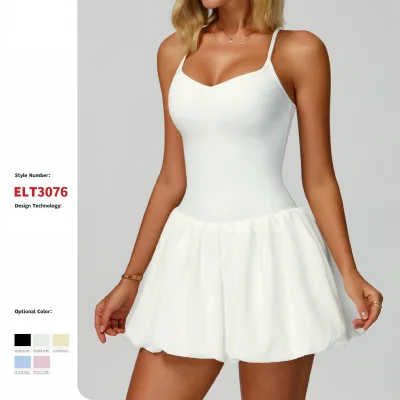
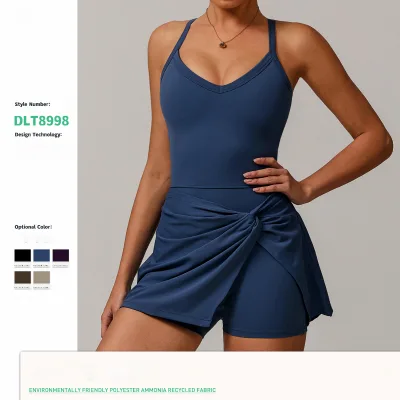
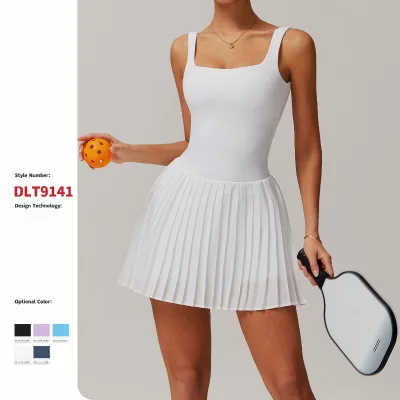
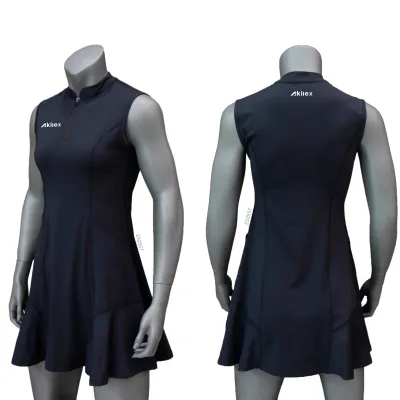
Sports Fitness Shorts Running Short Skirt Breathable Fitness Tennis Skirt
$6.80 - $8.80
MOQ: 1 piece/pieces


High Waist Yoga Dress Fitness Skirts High Quality Tennis Short Skirt
$6.20 - $8.20
MOQ: 1 piece/pieces


Sports Skirts Women Fitness Tennis Dress Quick-Drying Tennis Dress with Chest Pad
$6.71 - $15.71
MOQ: 100 Pieces
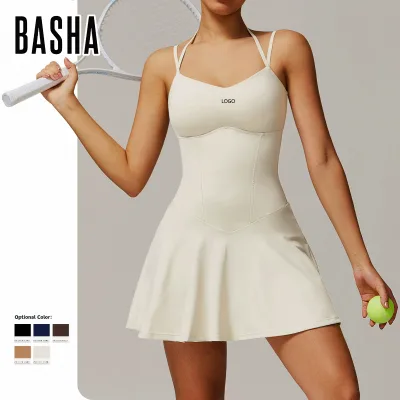
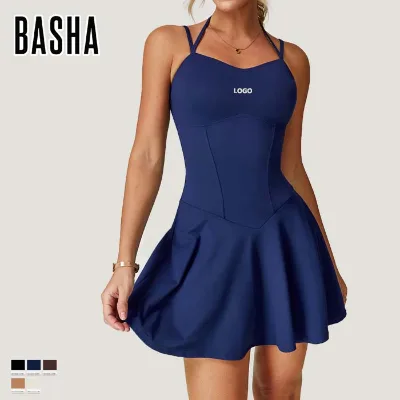

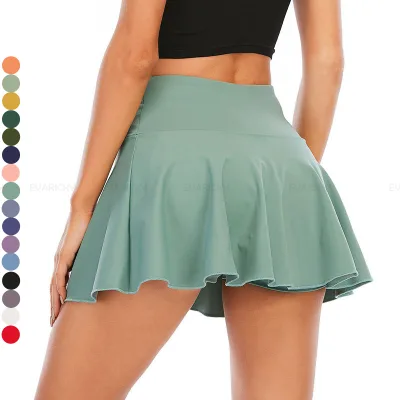

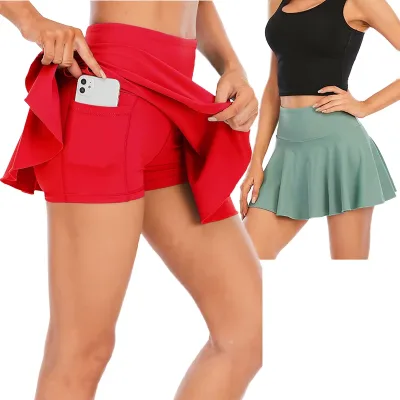
Halter Dress Women Anti-Light A-Line Short Skirt Running Sports Tennis Skirt
$15.50 - $17.50
MOQ: 1 piece




Comprehensive Sourcing Guide
Strategic Sourcing Guide for Tennis Skirt Procurement
Understanding Product Attributes and Technical Specifications
When sourcing tennis skirts, buyers must first distinguish between the specific technical attributes observed in the market and generalized claims. The product landscape for tennis wear is diverse, ranging from full-length suits to dedicated skirt models. In the current supply chain, specific models such as SK-38, TD-36, and SLY041 represent distinct variations in design and construction. A critical observation is the variation in product type; while some listings categorize the item as a "Suit," others explicitly define it as a "Skirt." This distinction is vital for procurement accuracy, as a suit implies a one-piece or coordinated top-and-bottom ensemble, whereas a skirt is a standalone garment.
Material composition is another primary technical differentiator. The supplied data indicates that products are frequently constructed from Nylon, Spandex, or a blend of both. Specifically, the material specification "Spandex / Nylon" appears as a standard composition for high-performance items. This blend is essential for athletic wear, providing the necessary elasticity for movement and durability for repeated use. Buyers should verify the exact percentage of spandex in the blend, as this directly impacts the garment's recovery and fit retention. Furthermore, the product standard "Nylon and spandex" suggests a focus on synthetic fibers that offer moisture-wicking capabilities, which aligns with the observed feature of "Quick-Drying" and "Breathable" properties.
Size specifications also vary across different product lines. While some models offer a standard range of S, M, L, and XL, others may be limited to S, M, and L. This variance requires buyers to confirm the size chart for each specific model number before placing an order. Additionally, the "Full Length" specification indicates the existence of longer variations, which may cater to specific style preferences or modesty requirements within the tennis community. The "Solid" pattern type is the dominant aesthetic, though "Customized Colour" options are available, allowing for brand-specific colorways.
Compliance, Certification, and Standard Verification
In the realm of B2B procurement for athletic apparel, verifying compliance and standards is paramount. The supplied facts list specific physical standards, such as "303020" and "35252cm." These dimensions likely refer to packaging specifications or specific product measurements rather than international safety certifications. Buyers must not assume that these numerical values represent compliance with safety standards like ISO or ASTM. Instead, these figures should be treated as logistical or dimensional data points that require validation against the specific product's technical sheet.
Regarding certifications, the provided data does not explicitly list third-party certifications such as OEKO-TEX, GRS, or specific fire safety ratings. Therefore, buyers cannot assert that a product is certified based solely on the provided text. The attribute "High Quality" and "High Standard" are subjective observations rather than verified certifications. To ensure compliance, procurement teams must request specific test reports from the supplier. These reports should cover colorfastness, shrinkage, and fabric strength, particularly given the "Quick-Drying" and "Breathable" claims. Without explicit certification data in the source material, the buyer's responsibility is to mandate that the supplier provides evidence of quality control measures that meet the buyer's internal standards or the regulatory requirements of the destination market.
The origin of the products is documented as "China," with specific provinces including "Fujian" and "Zhejiang." While these regions are known for textile manufacturing, the origin alone does not guarantee compliance. Buyers should verify that the manufacturing facilities in these locations adhere to the labor and environmental standards required by their own corporate policies or the import regulations of their target market.
Cost Drivers and Pricing Dynamics
The pricing for tennis skirts in the observed market ranges from 4.5 to 39.9 USD. This wide range indicates significant variability in cost drivers, which buyers must analyze to understand value. The lower end of the spectrum likely corresponds to basic models with standard materials, while the higher end may reflect specialized designs, custom color options, or higher-grade fabric blends. The "High Quality" and "High Standard" attributes suggest that price is not solely a function of material cost but also of the manufacturing precision and finishing techniques employed.
Customization is a major cost driver. The data confirms that "Support Customization" and "Available" customization options exist. Customization typically involves additional costs for design changes, color matching, and potentially lower production efficiency due to smaller batch runs. The "OEM: Accept" attribute further supports the ability to tailor products, which often incurs a premium over standard in-stock items. Buyers should anticipate that requests for "Customized Colour" or specific model modifications will impact the unit price.
Packaging requirements also influence the final cost. The observed packing methods include "Poly-Bag+Cartoon," "Plastic on Each Item, Large Box for Bulk Order," and "Carton Box." The transition from individual poly-bags to bulk cartons or specialized packaging can alter the logistics cost. For instance, the "Large Box for Bulk Order" suggests a strategy to reduce per-unit shipping volume, which can be a cost-saving measure for large orders. Conversely, individual plastic packaging might be necessary for retail-ready items, adding to the overall expense.
Typical Applications and Usage Scenarios
The versatility of the Tennis Skirt extends beyond the tennis court. The observed usage data lists a broad spectrum of activities, including "Ball Sports, Cycling, Fitness, Rugby/Football, Gym, Yoga, Basketball, Dancing, Soccer, Martial Arts & Boxing." This indicates that the product is designed as a multi-sport garment, leveraging the functional properties of the fabric for various athletic endeavors. The "All Seasons" and "Spring, Summer, Autumn" applicability attributes suggest that the fabric weight and breathability are suitable for a wide range of weather conditions, though specific seasonal limitations may apply based on the specific model.
The "Quick-Drying" and "Breathable" features are particularly relevant for high-intensity activities like cycling, fitness, and gym workouts. These attributes ensure that the garment remains comfortable during exertion, preventing the discomfort associated with sweat retention. The "Full Length" specification may cater to users who prefer more coverage during activities like yoga or dancing, where modesty or specific movement restrictions are a factor.
Furthermore, the "Adults" age group specification confirms that the primary target demographic is grown individuals, distinguishing these products from youth or children's lines. The "Solid" pattern type is versatile for team uniforms or personal athletic wear, while the "Customized Colour" option allows for branding in team or corporate sports contexts.
Supplier Evaluation and Sourcing Strategy
Evaluating suppliers requires a focus on their capability to meet the specific technical and logistical requirements of the buyer. The data indicates that suppliers are located in "Fujian, China" and "Zhejiang, China," regions with established textile infrastructure. However, the presence of multiple product models (SK-38, TD-36, SLY041, etc.) suggests that different suppliers may specialize in different lines. Buyers should verify which supplier controls which model to ensure consistency in quality and supply chain reliability.
The "Supply Type: In-Stock Items" attribute is a critical factor for buyers needing immediate delivery. However, the "Support Customization" and "OEM: Accept" attributes indicate that many suppliers also operate on a made-to-order basis. Buyers must clarify the lead time implications of choosing between in-stock and customized items. The "MOQ: 100" attribute provides a baseline for order quantity, but the observed "MOQ range: 1-500" suggests that some suppliers may offer lower minimums for specific items or in-stock products. This flexibility is valuable for buyers testing the market or those with smaller inventory needs.
Quality assessment should go beyond the "High Quality" label. Buyers should request samples to verify the "Spandex / Nylon" blend ratio and test the "Quick-Drying" performance. The "Poly-Bag+Cartoon" and "Carton Box" packing methods should be inspected to ensure they protect the product during transit. Additionally, the "Customized Colour" capability should be tested to ensure color accuracy and consistency across batches.
Quality Control and Long-Term Procurement Considerations
Quality control is essential for maintaining the integrity of the product line. The "High Standard" and "High Quality" attributes are subjective and must be backed by objective testing. Buyers should implement a quality control plan that includes pre-production sample approval, in-process inspections, and pre-shipment inspections. Given the "Nylon" and "Spandex" materials, specific attention should be paid to seam strength and fabric elasticity, as these are common failure points in athletic wear.
Long-term procurement considerations involve building a sustainable relationship with suppliers who can consistently deliver on the "Customization" and "OEM" requirements. The "Support Customization" feature allows for brand differentiation, which is crucial for long-term market positioning. Buyers should negotiate clear agreements regarding color matching, material consistency, and packaging standards to ensure that the product remains consistent over time.
The "Available Quantity: 999" attribute suggests that stock levels can fluctuate. Buyers should monitor inventory levels closely to avoid stockouts, especially for popular models. The "Large Box for Bulk Order" packing option indicates that suppliers are prepared for larger volumes, which can be leveraged to negotiate better pricing for long-term contracts.
Final Procurement Recommendations
In conclusion, sourcing tennis skirts requires a meticulous approach to verifying technical specifications, understanding cost drivers, and evaluating supplier capabilities. The observed data provides a foundation for understanding the product landscape, but buyers must actively verify claims regarding quality, standards, and customization. By focusing on the specific attributes such as "Spandex / Nylon" composition, "Quick-Drying" features, and "Customized Colour" options, buyers can make informed decisions that align with their strategic goals. The wide range of applications and the flexibility in MOQs and packaging offer significant opportunities for procurement teams to optimize their supply chain. Ultimately, success in this category depends on rigorous quality control, clear communication with suppliers, and a deep understanding of the specific technical requirements of the target market.
FAQs
What materials are used for tennis skirts?
Tennis skirts are typically constructed from Nylon, Spandex, or a blend of both. This composition provides the necessary elasticity for movement and durability for repeated use in various athletic activities.
Which sizes are available for these products?
Available sizes include S, M, L, and XL for some models, while others may be limited to S, M, and L. Buyers must confirm the specific size chart for each model number before placing an order.
Can buyers request customized colors for orders?
Yes, suppliers support customization and offer customized color options for branding. This capability allows for specific colorways but may impact the unit price and production efficiency compared to standard in-stock items.
How does the packaging vary for bulk orders?
Packaging options include Poly-Bag with Carton, Plastic on Each Item with a Large Box for Bulk Order, or standard Carton Boxes. The choice affects logistics costs and depends on whether items are retail-ready or for bulk shipping.
What is the minimum order quantity for suppliers?
The observed MOQ range spans from 1 to 500 units, with some specific listings stating an MOQ of 100. Buyers should verify the minimum requirements for each specific model and supplier to ensure compliance with their inventory needs.
Where are these tennis skirts manufactured?
Products originate from China, with specific manufacturing hubs located in Fujian and Zhejiang provinces. These regions have established textile infrastructure, but buyers should verify facility compliance with their own corporate policies.
What features make these skirts suitable for sports?
Key features include Quick-Drying and Breathable properties, which are essential for high-intensity activities. The fabric blend ensures comfort during exertion and prevents sweat retention across various sports like cycling, fitness, and tennis.