Source Honda Titan150 Motorcycle Clutch Housing for Street, Commuter, Cargo
Compare 30 listings for the Honda Titan150 Motorcycle Clutch Housing from verified Chinese manufacturers. Buyers can evaluate specifications, pricing, and customization options for street, commuter, and cargo motorcycle applications.
Key considerations
Products List


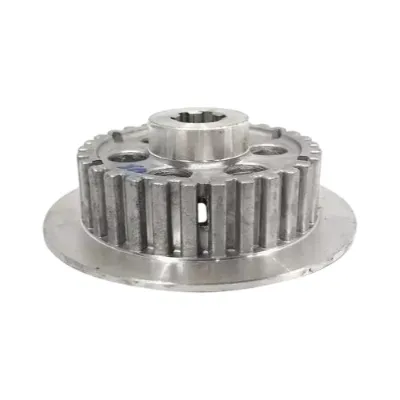
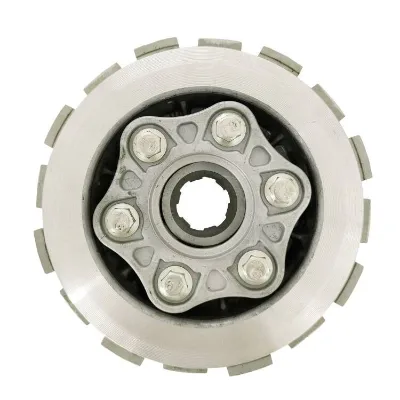

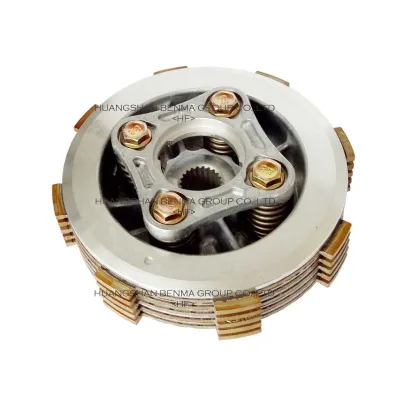


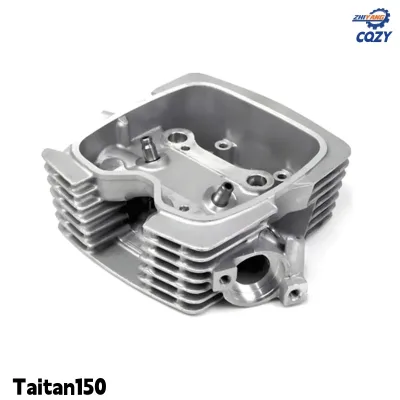
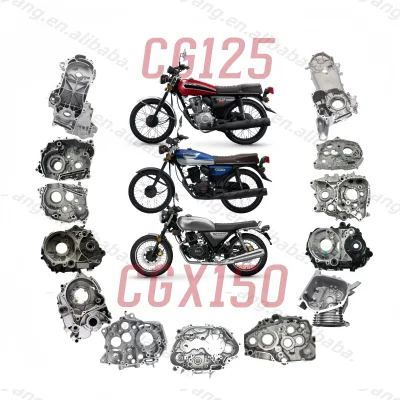
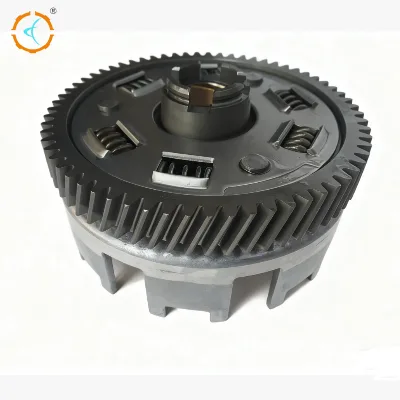
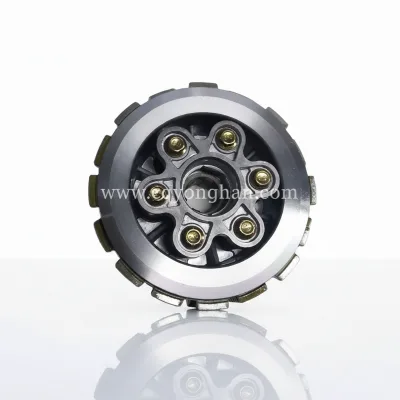
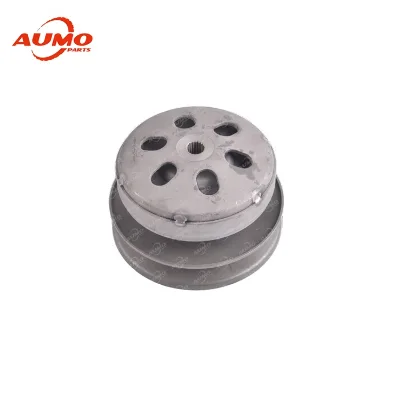


High Quality Motorcycle Part Motorcycle Clutch Plate for Honda Titan 2000
$0.40 - $1.00
MOQ: 1000 Pieces


Comprehensive Sourcing Guide
Strategic Sourcing Guide for Honda Titan 150 Motorcycle Clutch Housing
The global market for two-wheeler components has seen a steady increase in demand for reliable replacement parts, particularly for high-volume commuter models like the Honda Titan 150. For procurement professionals and fleet managers, sourcing a specific component such as the clutch housing requires a disciplined approach that balances technical compatibility, supply chain reliability, and quality assurance. This guide provides a comprehensive framework for evaluating suppliers and products, grounded in verified market data and standard industry practices for motorcycle spare parts. The focus remains on the Honda Titan 150, a vehicle known for its durability and widespread use in emerging markets, where the clutch assembly is a critical wear item.
Technical Specifications and Compatibility Verification
The first step in any sourcing operation is the precise definition of technical requirements. For the Honda Titan 150, the clutch housing is not a generic component; it must align with specific engine displacement and gear configurations. Market observations indicate that the applicable vehicle models for this category include Street Motorcycles, Off-road Motorcycles, and Dual Sport Motorcycles, with the specific target being the 150cc class. The clutch assembly for this model is typically designed as a wet clutch system, which utilizes oil for cooling and lubrication, distinguishing it from dry clutch systems found in some high-performance or vintage applications.
When evaluating product listings, buyers must verify the model number and the specific engine standard. Data points suggest that the relevant product model is often designated as CG150, which is a common platform for the Honda Titan 150 and similar variants like the Titan 150 Horse. The gear configuration for these units is predominantly 4-speed, a standard feature for this class of commuter motorcycles. The material composition is another critical technical factor. High-quality clutch housings and associated discs often utilize Aluminum alloys, such as ADC12, for the housing to ensure heat dissipation and structural integrity. The clutch disc itself, which interacts directly with the housing, is frequently constructed from a composite of Aluminum, HF Rubber, and Cork to provide the necessary friction characteristics and thermal stability.
Buyers should also confirm the "fit for" specifications. The component must be explicitly compatible with the CG150 platform. While some listings may generalize the application to "Honda Titan 150," the underlying engineering standard is often tied to the 150cc displacement class. It is essential to cross-reference the product specifications with the vehicle's service manual to ensure that the bolt patterns, shaft diameters, and internal gear ratios match the original equipment manufacturer (OEM) standards. Any deviation in these dimensions can lead to premature failure or operational hazards.
Compliance, Certification, and Quality Standards
In the B2B procurement of automotive parts, compliance is as vital as the physical attributes of the product. The motorcycle industry relies heavily on standardized quality management systems to ensure consistency across batches. A primary certification to look for is ISO9001, which signifies that the supplier has a documented quality management system in place. Market data indicates that suppliers offering products for the Honda Titan 150 often hold ISO9001 certification, with some specific instances noting the year 2024 and verification by third-party agencies like SGS. This certification is not merely a badge; it implies a commitment to continuous improvement and standardized production processes.
Beyond ISO9001, buyers must verify the quality control protocols employed by the supplier. A critical indicator of reliability is the statement "100% Tested Before Shipping." This suggests that every unit undergoes a functional check prior to leaving the factory, significantly reducing the risk of receiving defective goods. The quality grade of the product is another metric; listings often describe the quality as "Class A" or "High Quality," which should be interpreted as the top tier of available manufacturing standards for this component.
When assessing compliance, buyers should also consider the warranty terms. A standard warranty for this type of component is often listed as 1 year or a specific mileage limit, such as 30,000 km. This warranty serves as a guarantee of the manufacturer's confidence in the product's durability. However, buyers must understand that warranty terms are contractual and vary by supplier. The presence of a warranty does not automatically guarantee performance but indicates a supplier willing to stand behind their product. It is crucial to verify that the warranty covers manufacturing defects and not just wear and tear resulting from improper installation or misuse.
Cost Drivers and Pricing Structures
Understanding the cost structure of the Honda Titan 150 clutch housing is essential for budgeting and negotiation. The price of these components is influenced by several factors, including the material cost of aluminum and rubber, the complexity of the manufacturing process, and the scale of production. Market observations show a wide price range, typically spanning from $0.20 to $80.00 USD. This broad range reflects the diversity of product quality, from basic aftermarket replacements to premium OEM-grade assemblies.
The Minimum Order Quantity (MOQ) is a significant driver of unit cost. Suppliers often offer tiered pricing based on volume. The observed MOQ range in the market is between 1 and 1,000 units, with a common baseline of 50 to 100 pieces for standard orders. For a buyer looking to minimize upfront capital expenditure, an MOQ of 50 pieces might be the entry point, while larger fleet operators may negotiate for bulk rates at the 1,000-piece level. The unit price generally decreases as the order volume increases, making it vital for procurement teams to calculate the total cost of ownership rather than focusing solely on the per-unit price.
Payment terms also play a role in the financial planning of a procurement cycle. Standard industry practice for this category involves a deposit structure, typically 30% as a deposit and 70% as a balance before shipment. This arrangement protects both the buyer and the supplier, ensuring that the supplier has the capital to produce the goods while the buyer retains leverage until the goods are ready for dispatch. Buyers should be wary of suppliers demanding 100% upfront payment, as this increases financial risk. Additionally, the "Single Volume" and "Single Gross Weight" of the product can impact shipping costs, which are often a hidden cost driver in international trade.
Typical Applications and Market Segmentation
The Honda Titan 150 clutch housing is designed for a specific set of applications, primarily within the commuter and street motorcycle segments. The product is intended for "replace/repair" purposes, making it a critical component for maintenance operations. The applicable vehicle types include Commuter and Street Motorcycles, which are the backbone of transportation in many developing economies. The component is also suitable for Electric Motorcycles and Scooters that utilize similar 150cc platforms, highlighting the versatility of the design.
The market for these parts is segmented into wholesale, mixed orders, and export channels. Suppliers often cater to a mix of these segments, offering flexibility to buyers who may need a variety of parts for different models. The "Supply Type" is frequently listed as Wholesale or Mixed Order, indicating that suppliers are equipped to handle large, diverse orders. This is particularly relevant for distributors who stock a wide range of spare parts for various motorcycle brands, including Yamaha, Honda, and Suzuki.
For buyers in the "Motorcycle Modifying" sector, the availability of customization services is a key factor. Many suppliers offer OEM Custom Service, allowing for branding and packaging adjustments. This is valuable for companies that wish to rebrand parts for their own distribution networks. The "Product Name" often reflects the specific application, such as "Honda Titan 150 Motorcycle Spare Parts," ensuring that buyers can easily identify the correct component for their inventory.
Supplier Evaluation and Geographic Considerations
Evaluating suppliers requires a deep dive into their operational capabilities and geographic location. The primary manufacturing hubs for motorcycle components in this category are located in China, with specific regions like Chongqing and Anhui emerging as key production centers. Chongqing is historically known for its automotive and motorcycle manufacturing base, while Anhui has developed a strong supply chain for automotive parts. The "Place of Origin" and "Product Origin" are critical data points for buyers assessing the logistical feasibility of their supply chain.
When selecting a supplier, buyers should verify the "Brand Name" associated with the product. Listings often mention brands like "HF/Benma," which may indicate the manufacturer or a private label. It is important to distinguish between the original equipment manufacturer and the aftermarket brand. The "Compatible Make" field often lists major brands like Yamaha, Honda, and Suzuki, indicating the supplier's ability to produce parts for multiple platforms. However, buyers must ensure that the specific part is certified for the Honda Titan 150 and not just a generic fitment.
The "Condition" of the product is another evaluation criterion. All listed products in this category are "New," which is standard for replacement parts. Buyers should avoid suppliers offering "reconditioned" or "used" parts unless explicitly required for a specific vintage restoration project. The "Warranty" period, typically 1 year, is a strong indicator of supplier confidence. A supplier offering a 30,000 km warranty is demonstrating a high level of assurance in the product's longevity.
Quality Control Protocols and Long-Term Procurement
Quality control is the backbone of a successful procurement strategy. The "Quality Control" attribute, specifically "100% Tested Before Shipping," is a non-negotiable requirement for reliable parts. This testing ensures that the clutch housing meets the necessary dimensional and functional standards before it enters the supply chain. Buyers should request test reports or certificates of conformity to verify these claims. The "Quality" attribute, often listed as "Class A" or "High Quality," should be corroborated by third-party inspection results.
For long-term procurement, buyers should consider the "Delivery Time" and "Lead Time." Standard delivery times for this category are often around 7 days, contingent on the detailed order specifications. This short lead time suggests a responsive supply chain, but buyers must confirm this with the specific supplier, as delays can occur due to raw material shortages or logistical issues. The "Packing" method is also crucial for long-term storage and transport. Products are typically packed in Kraft Paper Cartons with Color Inner Boxes, or in natural packing/OEM packing, depending on the buyer's requirements. Proper packaging prevents damage during transit and ensures the product arrives in pristine condition.
Finally, buyers should plan for the lifecycle of the component. The "Single Volume" and "Single Gross Weight" data points are essential for logistics planning. While some listings may show zero values for these metrics, this often indicates that the data is not standardized across all suppliers. Buyers should request accurate packaging dimensions and weight data to calculate shipping costs and storage requirements accurately. By focusing on these detailed aspects, procurement professionals can build a resilient supply chain that ensures the continuous availability of high-quality clutch housings for the Honda Titan 150 and similar motorcycle models.
Comparative Analysis of Product Attributes
To facilitate decision-making, the following table summarizes the key attributes observed in the market for Honda Titan 150 clutch housings. This comparison helps buyers quickly identify the critical differentiators between potential suppliers and products.
| Attribute Category | Key Observation | Verification Requirement |
|---|---|---|
| Product Type | Motorcycle Clutch Assembly / Clutch Housing | Confirm "Wet Clutches" and "4-Speed" compatibility. |
| Material | Aluminum (ADC12), HF Rubber, Cork | Verify material certificates for durability. |
| Certification | ISO9001 (2024, SGS) | Request valid ISO9001 certificate and SGS report. |
| Quality Control | 100% Tested Before Shipping | Ask for test logs or quality assurance documentation. |
| MOQ | 50 to 100 Pieces | Negotiate based on volume; confirm tiered pricing. |
| Lead Time | 7 Days (Accordint to Detailed Order) | Confirm current production capacity and schedule. |
| Warranty | 1 Year or 30,000 km | Review warranty terms and claim procedures. |
| Origin | Chongqing or Anhui, China | Verify factory location and audit if necessary. |
| Payment | 30% Deposit, 70% Balance | Ensure payment terms align with company policy. |
| Packing | Kraft Paper Carton, Color Inner Box | Confirm packaging meets shipping and storage needs. |
This structured approach ensures that buyers can navigate the complexities of the motorcycle parts market with confidence, focusing on verified data and standard industry practices to secure the best value for their procurement needs.
FAQs
What is the warranty period for the Honda Titan 150 clutch housing?
The warranty period is typically one year or covers up to 30,000 kilometers of usage. This coverage applies to manufacturing defects and ensures the product meets high-quality standards before shipping.
Which certifications do suppliers of this clutch housing hold?
Suppliers often hold ISO9001 certification, with some verified by SGS in 2024. This certification confirms that the manufacturer maintains a documented quality management system for consistent production.
How is the product tested before it is shipped to buyers?
Every unit undergoes 100% testing before shipping to ensure functional reliability. This rigorous quality control process minimizes the risk of receiving defective parts and guarantees a Class A quality grade.
What is the minimum order quantity for purchasing this clutch assembly?
The minimum order quantity is typically 50 pieces, though some listings require 100 sets. Buyers can often negotiate based on volume, with options available for mixed orders or wholesale purchases.
Can buyers request custom packaging or branding for this motorcycle part?
Yes, customization services are available for branding and packaging requirements. Suppliers offer OEM packing options, including Kraft Paper Cartons or specific Benma boxes, to meet unique distribution needs.
What materials are used to construct the Honda Titan 150 clutch housing?
The housing is constructed from Aluminum, specifically ADC12 alloy, for durability. The clutch disc itself combines Aluminum with HF Rubber and Cork to ensure proper friction and heat dissipation during operation.
Where are the manufacturers of this clutch housing located?
Manufacturers are primarily located in Chongqing and Anhui, China. These regions are established hubs for motorcycle component production, offering reliable supply chains for global export and wholesale distribution.
What is the standard delivery time for a detailed order?
The standard delivery time is seven days according to the detailed order specifics. This lead time applies after the initial deposit is received and before the balance payment is made prior to shipment.