Source Honda Manifold Absolute Pressure Sensor for Engine Repair, Diagnostics, and Performance Tuning
Find 30 listings for the Honda Manifold Absolute Pressure Sensor to compare specifications like IP67 waterproofness and temperature ranges. Buyers can evaluate options from suppliers in Wenzhou and Shanghai with delivery times ranging from 3 to 15 days.
Key considerations
Products List


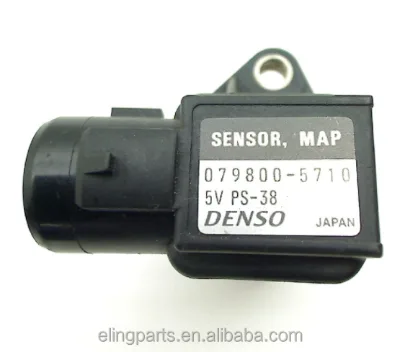


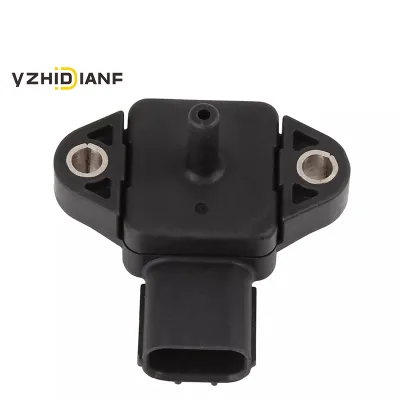


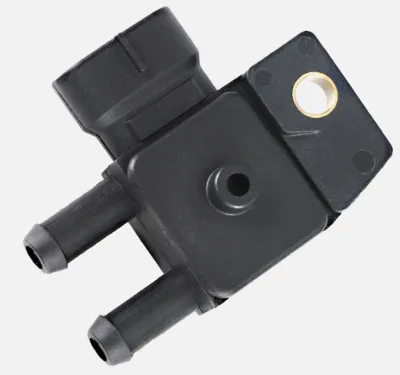


Compact Pressure Sensor with 2-Valve Manifold 4-20mA for Process Control
$135.00 - $530.00
MOQ: 1 Pieces

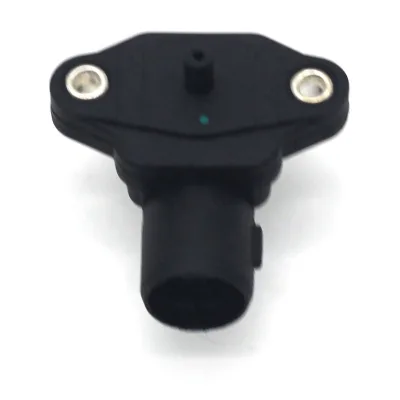


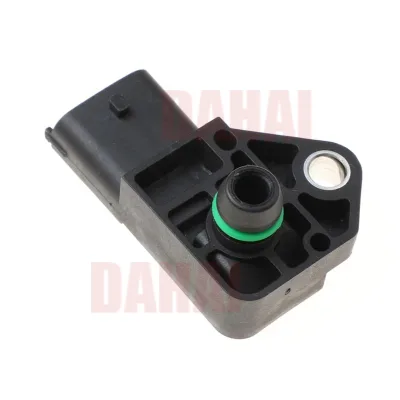

Comprehensive Sourcing Guide
Honda Manifold Absolute Pressure Sensor Sourcing Guide
Sourcing the correct Manifold Absolute Pressure (MAP) sensor for Honda vehicles requires a disciplined approach to technical verification and supplier qualification. This component is critical for engine management, providing the Engine Control Unit (ECU) with real-time data on intake manifold pressure to optimize air-fuel mixture and ignition timing. When procuring replacement units, buyers must navigate a market filled with generic listings that may not align with specific Honda model requirements. The following guide outlines the essential steps for identifying, verifying, and sourcing high-quality MAP sensors that meet OEM standards for performance and durability.
The procurement process begins with a clear understanding of the product scope and the signals present in current market listings. Buyers should focus on suppliers who provide detailed technical specifications rather than generic descriptions. This guide emphasizes the importance of cross-referencing part numbers, verifying material composition, and ensuring that the sensor’s operational range matches the vehicle’s engine parameters. By adhering to these principles, procurement teams can mitigate the risk of receiving incompatible or substandard components that could lead to vehicle performance issues or warranty claims.
Product Scope and Observed Listing Signals
The market for automotive sensors, particularly those compatible with Honda vehicles, presents a wide array of options that vary significantly in quality and specification. Observed listings indicate a broad price range, reflecting differences in manufacturing processes, material quality, and brand reputation. Buyers should be cautious of listings that lack specific technical details or offer prices that seem disproportionately low, as these may indicate compromised quality or counterfeit products. It is essential to verify that the listed product explicitly states compatibility with Honda models and includes the correct OE number, such as 079800-5710, to ensure a precise fit.
In addition to price, the observed minimum order quantities (MOQ) and delivery times provide insight into the supplier’s operational capacity and reliability. Listings with MOQs as low as one piece suggest flexibility for small-scale repairs, while higher MOQs may indicate bulk supply capabilities for larger fleets or aftermarket distributors. Delivery times ranging from a few days to several weeks can impact inventory management and customer satisfaction. Buyers should prioritize suppliers who offer transparent shipping terms, such as DHL, EMS, or sea freight options, and who provide clear information about their packaging methods, including neutral or branded packing, to protect the sensor during transit.
Technical Specifications to Verify
Verifying the technical specifications of the MAP sensor is the most critical step in the sourcing process. The sensor must operate within the specified temperature range, typically from -40°C to +125°C, to withstand the harsh under-hood environment of Honda vehicles. Buyers should confirm that the sensor is waterproof, with an IP67 rating, to prevent moisture ingress that could lead to electrical failure. Additionally, the output type, whether digital or analog, must match the vehicle’s ECU requirements. Mismatches in output type can result in communication errors between the sensor and the engine control system, leading to poor engine performance or failure to start.
Material composition and physical dimensions are also key factors that require verification. The sensor housing is often made of metal to provide durability and heat resistance, but buyers should ensure that the material is corrosion-resistant to extend the component’s lifespan. The physical size of the sensor, including its single package dimensions, should be checked against the vehicle’s mounting points to ensure a proper fit. Furthermore, the sensor’s model number and OE number must be cross-referenced with the vehicle’s service manual to confirm compatibility. Any discrepancy in these details could result in the installation of an incorrect part, leading to additional costs and delays.
Compliance and Safety Documentation
While specific certification statuses may not always be explicitly listed in product descriptions, buyers should request documentation that demonstrates compliance with relevant automotive standards. This includes verifying that the sensor meets industry requirements for electromagnetic compatibility (EMC) and environmental durability. Suppliers should be able to provide test reports or certificates that confirm the sensor’s ability to withstand vibration, shock, and extreme temperatures without failure. These documents are essential for ensuring that the sensor will perform reliably in real-world driving conditions and meet the safety standards expected by Honda and other automotive manufacturers.
Warranty terms are another important aspect of compliance and safety. A standard warranty period of 12 months is common in the industry and provides a level of protection for buyers against defective products. Buyers should review the warranty terms carefully to understand what is covered, including manufacturing defects and performance issues. Additionally, suppliers should offer clear return and replacement policies in case the sensor fails to meet specifications or is found to be incompatible with the vehicle. These policies are crucial for managing risk and ensuring that buyers are not left with unusable inventory.
Cost Drivers and Commercial Terms
The cost of a MAP sensor is influenced by several factors, including the complexity of the sensor’s design, the quality of materials used, and the manufacturing process. Synthetic type production processes may offer consistency and precision, but buyers should also consider the supplier’s supply ability, which can impact pricing and availability. Suppliers with a high monthly output capacity, such as 100,000 pieces, may offer more competitive pricing due to economies of scale. However, buyers should balance cost considerations with quality assurance to avoid compromising on the sensor’s performance and reliability.
Commercial terms, including payment methods, shipping costs, and lead times, also play a significant role in the total cost of ownership. Buyers should negotiate favorable terms that align with their inventory management strategies and cash flow requirements. For instance, suppliers who offer flexible shipping options, such as air or sea freight, can help buyers optimize logistics costs based on the urgency of the order. Additionally, buyers should consider the supplier’s customer service capabilities, such as 24-hour support, which can provide valuable assistance in resolving technical issues or addressing concerns during the procurement process.
Supplier Qualification and Quality Control
Qualifying suppliers is essential to ensure that the MAP sensors sourced meet the required quality standards. Buyers should conduct thorough due diligence on potential suppliers, including verifying their business credentials, production capabilities, and quality control processes. Suppliers located in established manufacturing hubs, such as Wenzhou or Shanghai in China, may have access to a robust supply chain and skilled labor force. However, buyers should also assess the supplier’s commitment to quality, including their testing procedures and inspection protocols.
Quality control measures should include 100% testing of each sensor before shipment to ensure that it functions correctly and meets the specified parameters. Buyers should request evidence of these testing procedures, such as test reports or quality assurance certificates, to verify the supplier’s claims. Additionally, suppliers should implement strict packaging standards to protect the sensor during transit, using neutral or branded packaging that prevents damage and contamination. By prioritizing suppliers with robust quality control systems, buyers can minimize the risk of receiving defective products and ensure consistent performance across their inventory.
Long-Term Procurement Checks
Establishing long-term procurement relationships with reliable suppliers requires ongoing monitoring and evaluation. Buyers should regularly review supplier performance metrics, including delivery times, product quality, and customer service responsiveness. Consistent performance in these areas indicates a supplier’s reliability and commitment to meeting buyer expectations. Buyers should also stay informed about industry trends and technological advancements in sensor technology to ensure that their sourcing strategies remain competitive and effective.
Furthermore, buyers should maintain open communication with suppliers to address any issues promptly and to explore opportunities for collaboration and improvement. This includes discussing potential customizations, such as specific packaging or branding requirements, to better align with the buyer’s market needs. By fostering strong relationships with qualified suppliers, buyers can secure a steady supply of high-quality MAP sensors and mitigate the risks associated with supply chain disruptions. Regular audits and feedback loops can help identify areas for improvement and ensure that the procurement process continues to deliver value over time.
FAQs
What types of sensors does Runtong supply for auto electrical systems?
Runtong supplies multiple sensor types including throttle position, manifold absolute pressure, and crankshaft position sensors. These products are designed for replacement and repair within auto electrical systems and undergo 100% testing to ensure quality standards are met before delivery.
Can I find a Honda Manifold Absolute Pressure Sensor with IP67 waterproofness?
Yes, the available products feature IP67 waterproofness to ensure durability in various conditions. The sensors operate within a temperature range of -40°C to +125°C, making them suitable for demanding automotive environments while maintaining reliable performance for replacement needs.
How long is the delivery time for auto sensors from the supplier?
The standard delivery time ranges from 7 to 15 days after placing an order. Some specific items may be available within 3 to 7 days, depending on stock availability and the specific shipping terms selected by the buyer for their auto sensor requirements.
What is the minimum order quantity for purchasing these auto sensors?
The minimum order quantity starts at 1 piece for single items, though some listings specify a requirement of 10 pieces. This flexibility allows buyers to source small batches for testing or larger volumes for immediate repair needs without excessive inventory constraints.
Which brands offer customized packaging for these automotive sensors?
Brands like Runtong and ELING offer both neutral packing and brand packing options for their sensors. Customization is available to meet specific buyer requirements, ensuring that the packaging aligns with your logistics needs while protecting the product during air, sea, or land transport.
What warranty is provided for the Honda Manifold Absolute Pressure Sensor?
A 12-month warranty is provided for the sensors to guarantee product reliability and performance. This coverage ensures that buyers receive support for any defects, providing peace of mind when sourcing replacement parts for critical automotive electrical systems.
Can the sensors be customized for specific vehicle models like Honda?
Yes, customization is available for specific vehicle models including Honda, with OE numbers like 079800-5710 supported. The production process allows for synthetic type manufacturing to match OEM specifications, ensuring compatibility and precise fitment for various car makes and models.