Source Hooded Satin LARP Cloak for Cosplay, Events, and Daily Wear
Explore 30 listings for the Hooded Satin LARP Cloak, comparing options from polyester and cotton materials with various color choices. Buyers can evaluate MOQs, shipping methods, and design styles for medieval or anime cosplay needs.
Key considerations
Products List
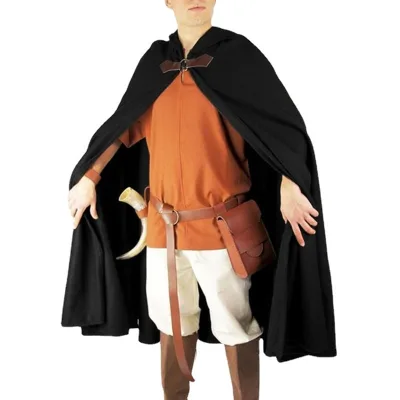
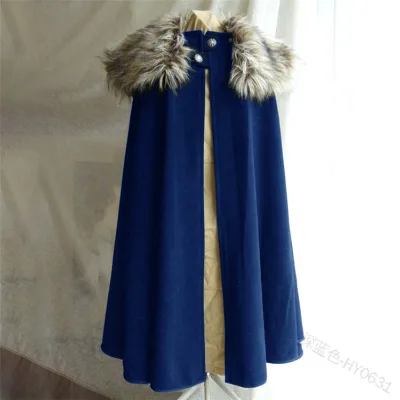
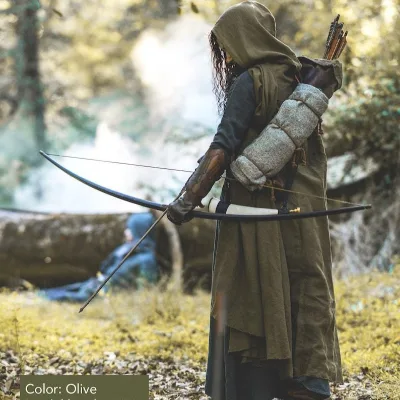
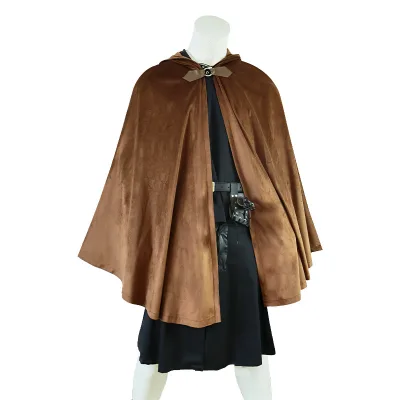
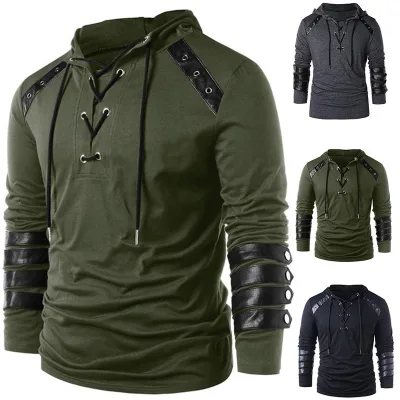
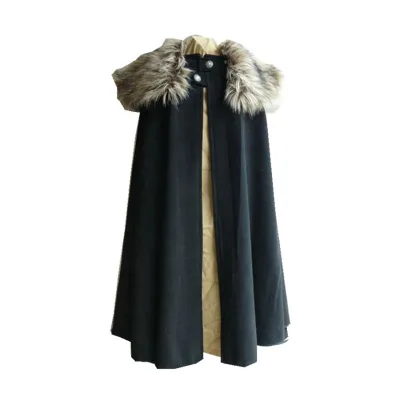

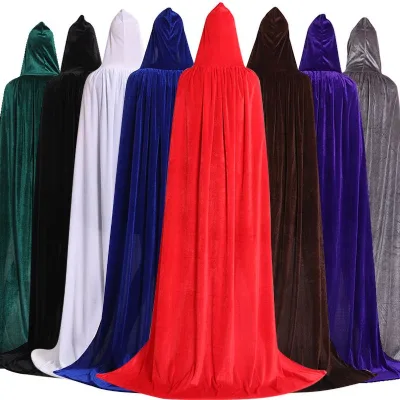
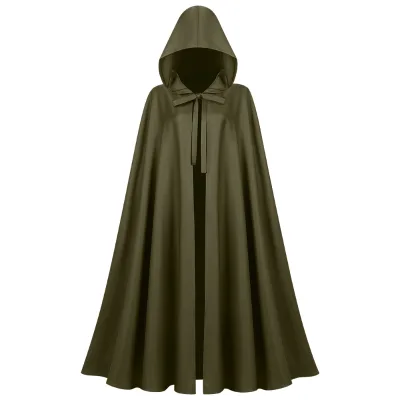
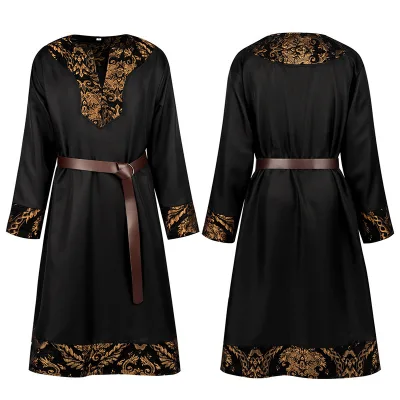
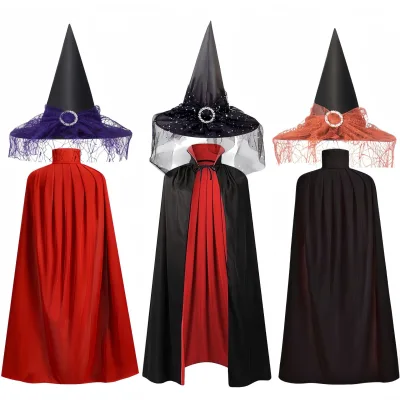
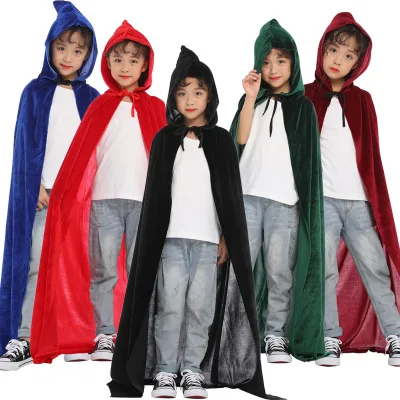
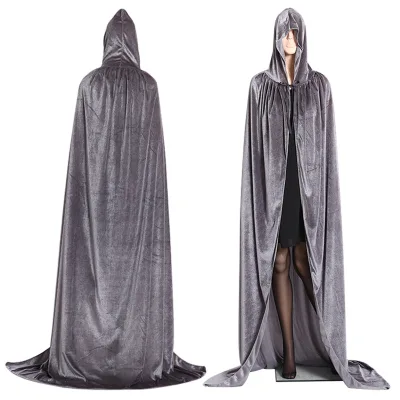
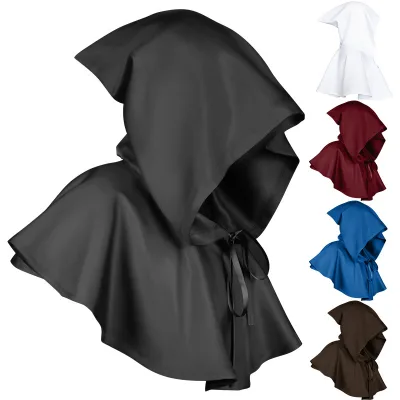

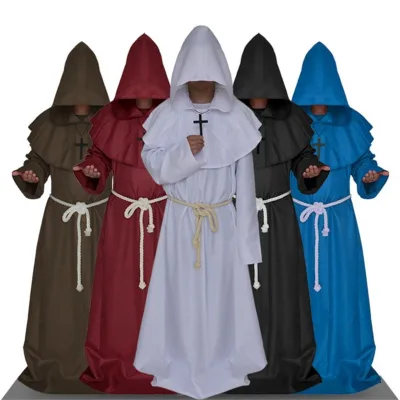
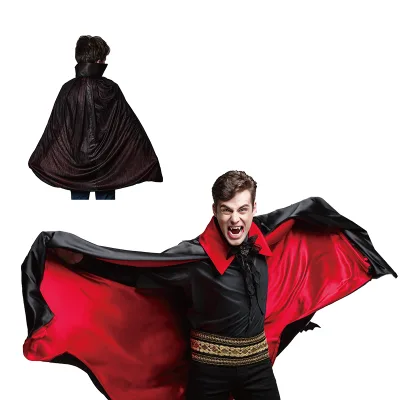


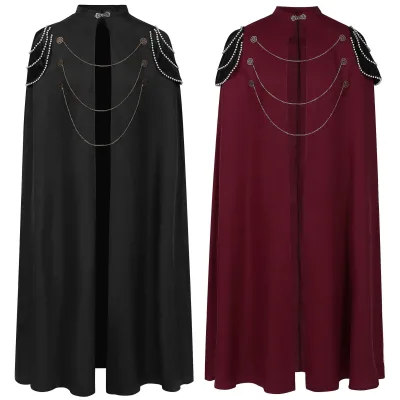
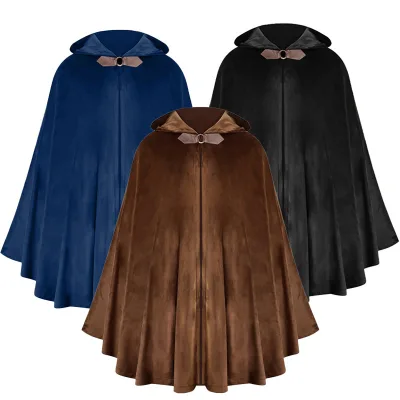
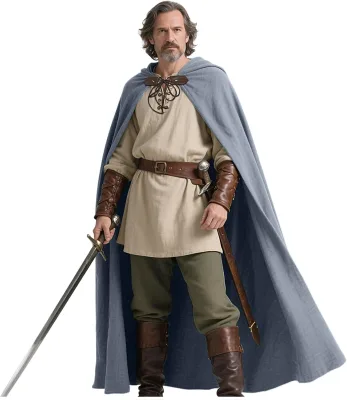
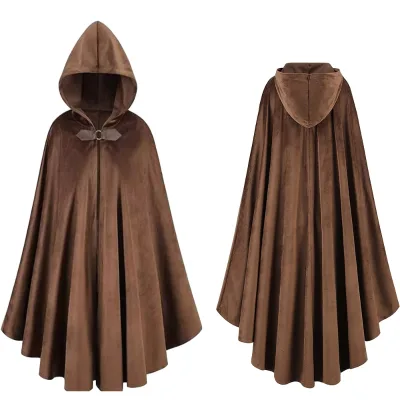
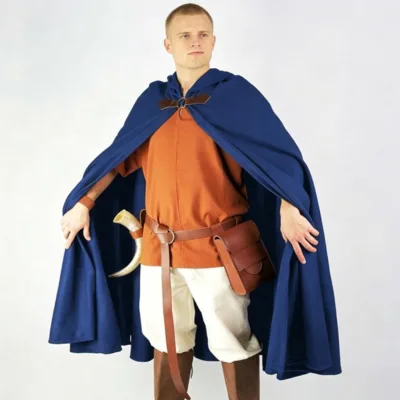
Comprehensive Sourcing Guide
Strategic Sourcing Guide for Hooded Satin LARP Cloaks
Understanding Product Attributes and Material Composition
When sourcing a Hooded Satin LARP Cloak, buyers must first distinguish between the aesthetic requirements of live-action role-playing and the technical realities of mass-produced costume components. The core keyword implies a specific fabric finish and structural design, yet the available market data reveals a diverse range of materials and construction methods. While the ideal LARP cloak often utilizes satin for its sheen and drape, the observed product inventory indicates that materials vary significantly based on the intended character archetype and price point.
Current market observations show that "Cloak" is a primary component in many listings, often paired with "Top" pieces to form a complete costume set. However, the material composition is not uniform. Some products are explicitly listed as "Polyester," which is a common synthetic fiber used for its durability and cost-effectiveness in costume manufacturing. Others are constructed from "Cotton," which offers a different tactile feel and breathability but may lack the specific luster associated with satin finishes. The presence of "Winter Fur Collar Cloak" listings further complicates the material profile, suggesting that buyers must verify whether the "satin" attribute refers to the main body fabric, the lining, or a specific trim.
The "Components" field in supplier data frequently lists "Cloak" and "Top" as separate or combined items. For a hooded LARP cloak, the hood is an integral structural element, though specific data points regarding hood construction (e.g., detachable vs. integrated) are not universally standardized across all listings. Buyers should treat the "Material" attribute as an observation of the specific item rather than a universal claim for all hooded cloaks. Consequently, the procurement strategy must begin with a rigorous request for fabric swatches to confirm the presence of satin weave and the specific fiber content, as "Polyester" and "Cotton" are the dominant materials observed in the current supply base.
Technical Specifications and Dimensional Variability
Technical specifications for hooded satin LARP cloaks are highly variable, reflecting the diverse needs of different character types and role-playing scenarios. The "Size" attribute in the market data presents a dichotomy between "One Size" and a comprehensive range including S, M, L, XL, 2XL, and 3XL. This variation suggests that while some suppliers offer a universal fit designed for general use, others provide tailored sizing for specific body types or character archetypes.
The "Single package size" also fluctuates significantly, with observed dimensions ranging from compact 10x10x1 cm packages to larger 30x25x5 cm parcels. This variance is likely driven by the complexity of the item; a simple "Cloak" component may be folded tightly, whereas a "Winter Fur Collar Cloak" or a set including a "Top" and "Cape" will require more volume for packaging. The "Single gross weight" data further illustrates this diversity, with weights ranging from 0.500 kg to 2.000 kg. A lightweight cloak of 0.5 kg is suitable for agile characters or long-duration events, while a 2 kg item suggests heavy materials, extensive lining, or added accessories like fur collars.
Buyers must pay close attention to the "Model Number" and "Character Type" when evaluating technical specs. Listings reference specific models such as "2020" and "W111," often associated with character types like "Dante" or "Echo." These identifiers are crucial for matching the cloak to a specific narrative role. The "Style" is generally categorized as "Casual" or "Medieval," but the "Costumes Type" can range from "TV & Movie Costumes" to "Medieval Ranger." This indicates that the technical construction of the hood and the drape of the fabric must align with the specific movement requirements of the LARP scenario. A cloak for a "Medieval Ranger" may require different reinforcement than one for a generic "Adult Women Lady" character.
Cost Drivers and Pricing Structures
The pricing structure for hooded satin LARP cloaks is influenced by a complex interplay of material costs, manufacturing complexity, and supply chain logistics. The observed price range in the market spans from $0.35 to $16.87 USD. This wide disparity indicates that the "satin" finish and "hooded" design are not the sole determinants of price. Instead, the cost is heavily driven by the "Material" quality, the inclusion of additional components like "Fur Collars," and the "Supply Type."
Products listed as "In-Stock Items" may offer different pricing dynamics compared to those offered under "ODM" (Original Design Manufacturer) terms. ODM arrangements often involve custom design fees and tooling costs, which can elevate the unit price but reduce long-term costs for large volumes. Conversely, in-stock items typically have lower upfront costs but may lack customization options. The "MOQ" (Minimum Order Quantity) is another critical cost driver, with observed ranges from 1 to 10,000 units. A low MOQ of 2 sets allows for small-scale testing or niche character acquisition, while an MOQ of 10,000 suggests a bulk manufacturing run intended for large events or retail distribution.
The "Payment" terms, such as T/T (Telegraphic Transfer), and the "Shipment" options (DHL, FedEx, UPS, EMS) also impact the total landed cost. Fast shipping methods like DHL or FedEx, which promise delivery within 3-7 days, incur higher logistics fees compared to standard air or sea freight. Buyers must calculate the total cost of ownership, including the base price, shipping, and any potential duties, rather than focusing solely on the unit price. The "Single gross weight" is a key factor in determining shipping costs, as heavier items (e.g., 2.000 kg) will incur significantly higher freight charges than lighter ones (e.g., 0.500 kg).
Compliance, Certification, and Safety Standards
In the realm of LARP and costume procurement, compliance and safety are paramount, particularly regarding fire resistance and material toxicity. While the provided data does not explicitly list specific certification numbers or test results, buyers must verify that all materials, especially those labeled as "Polyester" or "Cotton," meet local safety standards for flammability. LARP events often involve simulated combat, props, and occasionally open flames or pyrotechnics, making fire-retardant treatment a critical consideration.
The "Place of Origin" is listed as "Fujian, China," "Hangzhou," or generally "China." While these locations are known manufacturing hubs, the specific compliance status of the factories varies. Buyers should not assume that products from these regions automatically meet international safety standards. Instead, they must request documentation verifying that the fabric and any added components (such as the "Fur Collar") have been tested for flammability and chemical safety. The "Brand Name" "ecowalson" appears in the data, but without explicit certification claims, buyers should treat the brand as a commercial identifier rather than a guarantee of compliance.
Furthermore, the "Keywords" associated with products, such as "Anime Kakegurui Cosplay," suggest that some items are designed for specific fandoms. These items may not be designed for the rigorous physical demands of LARP and could lack the durability or safety features required for active role-playing. Buyers must distinguish between "Cosplay" items intended for static display and "Costumes" designed for "TV & Movie" or "Medieval Ranger" use, which may have higher durability standards. The "Usage" field listing "daily" implies a certain level of wear resistance, but this should be verified against the specific "Character Type" requirements.
Supplier Evaluation and Operational Capabilities
Evaluating suppliers for hooded satin LARP cloaks requires a deep dive into their operational capabilities, specifically regarding "Supply Type" and "Lead Time." The market data indicates a mix of "In-Stock Items" and "ODM" suppliers. In-stock suppliers offer immediate availability, which is beneficial for urgent orders, but they may lack the flexibility to customize the "Color" or "Size" to specific LARP needs. ODM suppliers, on the other hand, offer customization but require longer lead times and higher minimum order quantities.
The "Lead Time" for sample orders is a critical metric. Some suppliers support a "7 days sample order lead time," allowing buyers to quickly assess quality and fit. Others explicitly state "Not Support" for sample orders, which can be a significant risk for buyers who need to verify the "Satin" quality and "Hood" construction before committing to a bulk order. The "Shipment" options provided, including DHL, FedEx, and UPS, indicate a level of logistical maturity, but the "3-7 Days" delivery window is an estimate that should be confirmed with the specific supplier.
Buyers should also consider the "Components" offered. Suppliers providing "Cloak" and "Top" as a set may offer better integration and consistency in material and color than those selling components separately. The "Single package size" and "Single gross weight" are also indicators of the supplier's packaging efficiency and logistics planning. A supplier with consistent packaging dimensions (e.g., 11x11x5 cm) suggests a standardized production process, which can lead to more predictable shipping costs and handling times.
Quality Control and Long-Term Procurement Strategy
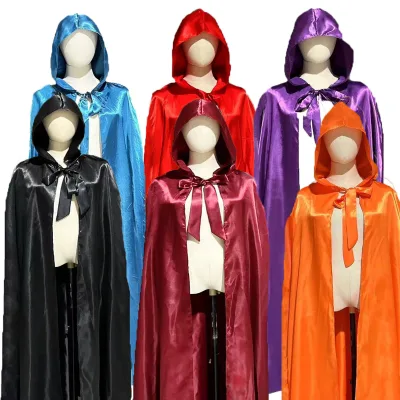
Implementing a robust quality control (QC) strategy is essential for sourcing hooded satin LARP cloaks. Given the variation in "Material" (Polyester vs. Cotton) and "Color" (Blue, Black, Brown, Gray, Green, etc.), buyers must establish clear acceptance criteria for fabric quality, stitching integrity, and color fastness. The "Printing Methods" listed as "digital printing" should be verified for durability, especially if the cloak features specific character designs or patterns.
For long-term procurement, buyers should consider the "Selling Units" and "MOQ" flexibility. While some listings offer "Single item" sales, long-term contracts often require negotiating lower MOQs or tiered pricing structures. The "Age Group" and "Gender" specifications (e.g., "Adult Women Lady," "Men," "Unisex") should be aligned with the target demographic of the LARP group. A mismatch in sizing or gender-specific cuts can lead to high return rates and customer dissatisfaction.
Finally, buyers must plan for the lifecycle of the product. LARP cloaks are subject to wear and tear, and the "Style" (Casual vs. Medieval) dictates the expected lifespan. A "Winter Fur Collar Cloak" may require special care instructions to maintain the fur's appearance, while a simple "Polyester" cloak may be more durable but less comfortable in varying weather conditions. Establishing a relationship with suppliers who support "7 days sample order lead time" can facilitate continuous improvement and adaptation to changing LARP trends and character requirements. By focusing on these operational and quality aspects, buyers can ensure a steady supply of high-quality hooded satin LARP cloaks that meet the rigorous demands of the role-playing community.
FAQs
What materials are used for hooded satin larp cloaks?
Materials vary by listing, with Polyester and Cotton being the dominant observed fibers. Buyers must request fabric swatches to confirm if a satin finish is present, as the inventory includes both synthetic and natural options depending on the character archetype.
Can I find hooded satin larp cloaks with specific lead times?
Lead times for sample orders vary significantly between suppliers. Some vendors support a 7-day sample order lead time, while others explicitly do not support sample orders, requiring buyers to verify this capability before placing bulk orders.
Which sizes are available for hooded satin larp cloaks?
Size options range from One Size to comprehensive ranges including S, M, L, XL, 2XL, and 3XL. The specific size availability depends on the model number and character type, so buyers should check the product specifications for the exact fit required.
How much does a Hooded Satin LARP Cloak cost?
The observed price range spans from 0.35 to 16.87 USD per unit. Pricing is influenced by material quality, the inclusion of components like fur collars, and supply type, with in-stock items often differing in cost from ODM arrangements.
What is the minimum order quantity for hooded satin larp cloaks?
Minimum order quantities range from 1 to 10,000 units depending on the supplier. Some listings offer low MOQs like 2 sets for small-scale testing, while others require bulk manufacturing runs intended for large events or retail distribution.
Where are hooded satin larp cloaks manufactured?
Products originate from locations such as Fujian, Hangzhou, and generally China. Buyers should verify the specific place of origin for each listing, as manufacturing hubs vary and may impact compliance status and shipping logistics.
Can hooded satin larp cloaks be customized for specific characters?
Customization is available through ODM suppliers who offer original design manufacturing services. However, in-stock items may lack customization options, so buyers must distinguish between ready-to-ship products and those requiring design fees and longer lead times.