Source Hooded Kids Bath Towel for Home, Sports, and Gifts
Explore 30 options for a Hooded Kids Bath Towel designed for warmth and comfort. Compare features like quick-dry technology, soft polyester materials, and custom embroidery. Ideal for home use, sports, and gifts, these towels offer versatile applications for various needs.
Key considerations
Products List


Fashionable Solid Color Simplistic Unisex Infant Hooded Cotton Absorbent Kids Bath Towel
$3.00 - $4.16
MOQ: 500 Pieces

Wholesale Hooded Cape Children's Coral Fleece Absorbent Quick-Drying Soft Kids Bath Towel
$3.00 - $3.55
MOQ: 1000 Pieces

Customized Hooded Bathrobe Microfiber Quick-Drying Water Absorbent Thickened Kids Bath Towel
$4.00 - $4.61
MOQ: 500 Pieces
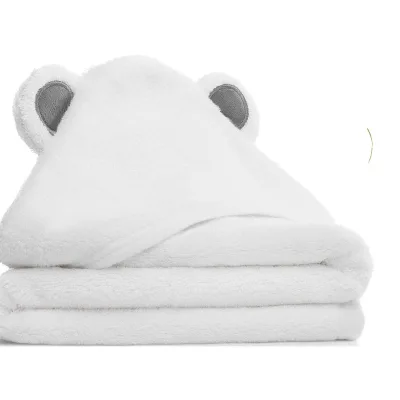
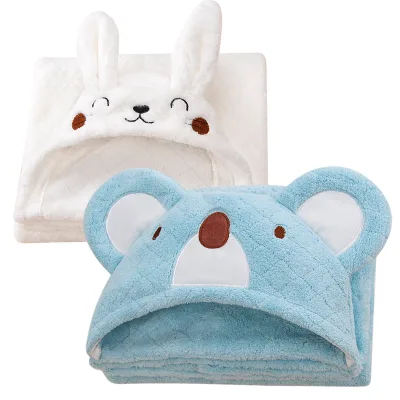


Microfiber Hooded Baby Bath Towel with Full-Color Printing Kids Beach Poncho Towel
$1.20 - $1.90
MOQ: 500 Pieces


Baby Bath Towel Bamboo Hooded Baby Towel Soft and Absorbent for Kids Towel
$3.80 - $4.40
MOQ: 500 Pieces


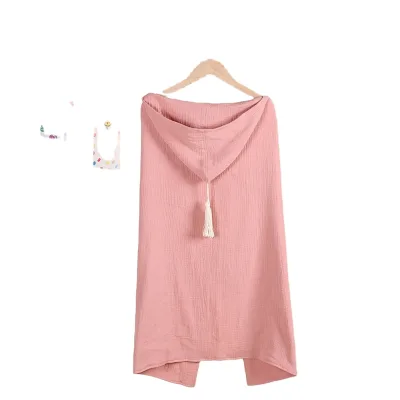
Comprehensive Sourcing Guide
Hooded Kids Bath Towel Sourcing Guide
Buyers must first distinguish between products explicitly designed for children and those listed for general adult use, as the supplied data shows a mix of age groups including babies, children, and adults. While some listings specify "Children" or "Babies" with cartoon patterns, others are marked for adults with plain designs, requiring careful filtering to ensure the final selection matches the intended demographic. This distinction is critical because safety standards and fabric softness requirements often differ significantly between infant-grade and general-use textiles.
Procurement teams should verify that the selected hooded towel aligns with the specific function of warmth and comfort, as these are the primary attributes observed in the data. The presence of features like "Water-Absorbent" and "Quick Dry" capabilities indicates suitability for post-bath use, yet buyers must confirm these claims against the actual material composition, which ranges from 100% polyester to cotton blends. Ensuring the product meets the specific comfort needs of the target age group prevents returns and ensures customer satisfaction in the final application.
Product Scope and Observed Listing Signals
The market for hooded kids bath towels presents a diverse range of styles, from luxury designs with embroidered logos to plain options suitable for sports or hotel use. Buyers should note that while some products feature colorful cartoon patterns ideal for children, others offer printed or embroidered designs that may appeal to different market segments. The variation in style, including "Luxury" and "Plain" classifications, suggests that suppliers can accommodate various aesthetic preferences, but the buyer must clearly define the desired look to avoid receiving mismatched inventory.
Material composition is a key signal that dictates the performance and feel of the towel, with observed listings ranging from 100% polyester to 100% cotton and generic cotton blends. The data indicates that some products are specifically engineered for quick-drying properties, while others emphasize ultra-soft textures with gram weights between 300-400GSM. Buyers must cross-reference the material type with the intended usage, such as bathing or beach activities, to ensure the fabric provides the necessary absorbency and durability for the specific application.
Technical Specifications to Verify
Size and fit are critical technical parameters, as the data reveals a mix of "Free Size" options and specific dimensions like 70*140 cm. Buyers must confirm that the hood and body dimensions are appropriate for the target age group, particularly for babies and young children where safety and coverage are paramount. The presence of adjustable ties in some listings suggests a need to verify the security of these features to prevent choking hazards or loose fabric that could compromise safety during use.
Packing and model identification are essential for logistics and inventory management, with observed variations including OPP bags, zip PE bags, and carton packaging. The specific product models, such as GL-RTS019 and GL-BBHT006, serve as unique identifiers that help distinguish between different material compositions and feature sets. Buyers should ensure that the packaging method protects the towel's quality during transit and that the model number corresponds exactly to the ordered specifications to avoid fulfillment errors.
Compliance and Safety Documentation
Safety compliance for children's textiles requires rigorous verification of material standards, as the data lists "polyester" and "cotton" without explicitly confirming chemical safety certifications like Oeko-Tex. While background knowledge suggests these certifications are common, buyers must request specific test reports to ensure the towels are free from harmful substances, especially for products marketed to babies and children. Relying solely on the listed material composition is insufficient; documented proof of safety compliance is necessary to meet regulatory requirements in target markets.
Quality assurance processes should be validated through supplier declarations, as the data mentions "100% Inspection" for certain items. Buyers need to confirm that this inspection covers critical safety points such as loose threads, secure embroidery, and the integrity of the hood structure. Without explicit certification data in the provided facts, procurement teams must treat the "100% Inspection" claim as a baseline requirement and demand third-party verification to ensure the product meets international safety standards for children's apparel and accessories.
Cost Drivers and Commercial Terms
Pricing and minimum order quantities (MOQ) vary significantly across the observed listings, with prices ranging from 1 to 11 USD and MOQs spanning from 2 to 1000 units. Some suppliers list an MOQ of 10,000, which may be prohibitive for smaller buyers, while others offer flexible terms starting at just two units. Buyers must evaluate their volume requirements against these thresholds to negotiate effectively, as the cost per unit often decreases with higher order volumes, but the initial capital outlay increases.
Lead times and customization options are major cost drivers that influence the final commercial terms, with delivery times noted as 50 days for certain models. Customization services, including logo embroidery and design acceptance, add value but may extend production schedules and increase unit costs. Buyers should clarify whether the quoted price includes the cost of custom molds or printing techniques, such as reactive printing, to avoid unexpected expenses that could erode profit margins in the final product.
Supplier Qualification and Quality Control
Supplier origin and location play a vital role in supply chain reliability, with observed data indicating production in China and specific regions like Jiangsu. Buyers should verify the supplier's capacity to handle custom orders, as the data confirms that OEM services and customized designs are available. Establishing a clear communication channel with suppliers in these regions ensures that specific requirements regarding material blends and feature sets are met without ambiguity during the production process.
Quality control protocols must be strictly enforced, particularly given the mix of materials and features observed in the listings. Buyers should require pre-shipment inspections to verify that the "Ultra Soft Towel" and "Quick Dry" claims are accurate and that the packaging matches the agreed specifications. Implementing a robust quality control plan that includes random sampling and functional testing helps mitigate the risk of receiving substandard goods that do not meet the expected performance criteria for children's bath towels.
Long-Term Procurement Checks
Sustainable sourcing practices should be evaluated over time, as the data mentions "Oeko-Tex" and "GOTS" in background contexts, though not as confirmed attributes for specific items. Buyers should prioritize suppliers who can demonstrate a commitment to environmental standards and ethical manufacturing practices to ensure long-term supply chain resilience. Regular audits of supplier facilities and material sourcing policies help maintain compliance with evolving global regulations and consumer expectations regarding sustainability.
Continuous performance monitoring is essential to maintain product consistency, especially when dealing with multiple suppliers offering different models and materials. Buyers should track key performance indicators such as defect rates, delivery timeliness, and responsiveness to customization requests to identify potential issues early. Establishing a feedback loop with suppliers allows for continuous improvement and ensures that the hooded kids bath towels remain competitive in the market while adhering to the highest standards of quality and safety.
FAQs
What materials are used for hooded kids bath towels?
These towels are primarily made from 100% polyester or cotton. Polyester options offer quick-dry and water-absorbent features, while cotton variants provide ultra-soft comfort. Some products combine these materials to balance durability with gentle skin contact for children and babies.
Can I customize the logo on these towels?
Yes, customization is available for most suppliers. You can request embroidered logos or printed designs to match your brand identity. Many factories accept OEM services and allow you to submit your own artwork files for production on the hooded bath towels.
What sizes are available for children's hooded towels?
Options range from free sizes to specific dimensions like 70*140 cm. Some manufacturers offer custom sizing to fit different age groups, including babies and older children. Standard sizes ensure adequate coverage, while custom options allow for tailored fits for specific product lines.
What is the typical lead time for these orders?
Delivery times vary by supplier but can reach up to 50 days for production. Factors like customization complexity and order volume influence the schedule. Buyers should confirm specific lead times with manufacturers before placing orders to ensure timely arrival for seasonal demands or events.
Are these towels suitable for sports and hotel use?
Yes, many hooded towels are designed for sports, gifts, hotels, and home use. Features like quick-dry technology and water absorption make them practical for active environments. Their durable construction and appealing cartoon patterns also make them popular as promotional gifts or hospitality amenities.
What is the minimum order quantity for these towels?
MOQs typically range from 2 to 1000 pieces, depending on the supplier. Some factories may require higher volumes for customized designs, while others accept lower quantities for standard stock items. Buyers should verify specific MOQ requirements with manufacturers to align with their purchasing needs.